Le magazine et marché mondial pour les passionnés de voitures classiques, par des passionnés.
Le magazine et marché mondial pour les passionnés de voitures classiques, par des passionnés.


Faites votre choix:
- Voir les voitures
-
Marque >>
-
Année >>
-
-
Catégorie >>



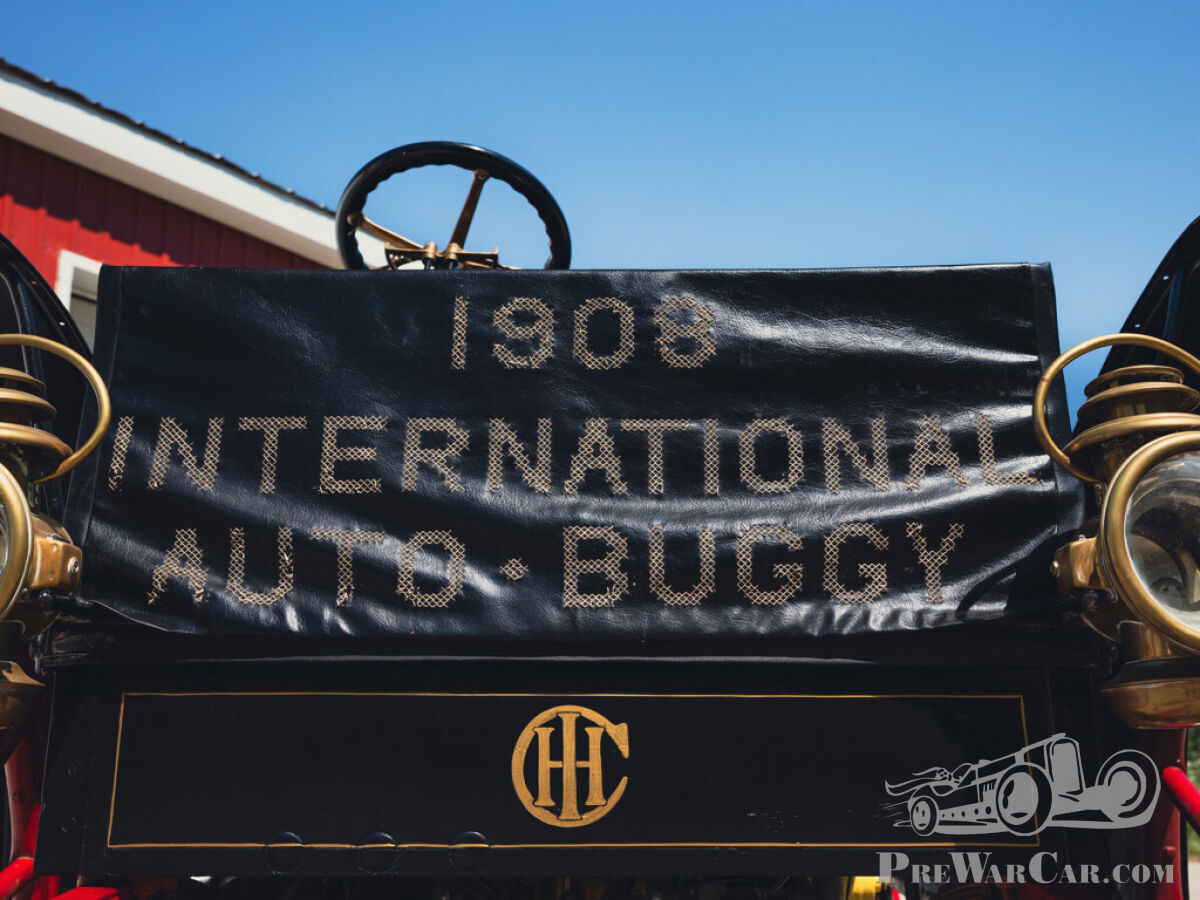
1908 International Harvester Auto Buggy | RM Sotheby's | The Hershey Auction


1908 International Harvester Auto Buggy | RM Sotheby's | The Hershey Auction
Sold | $26,880 USD
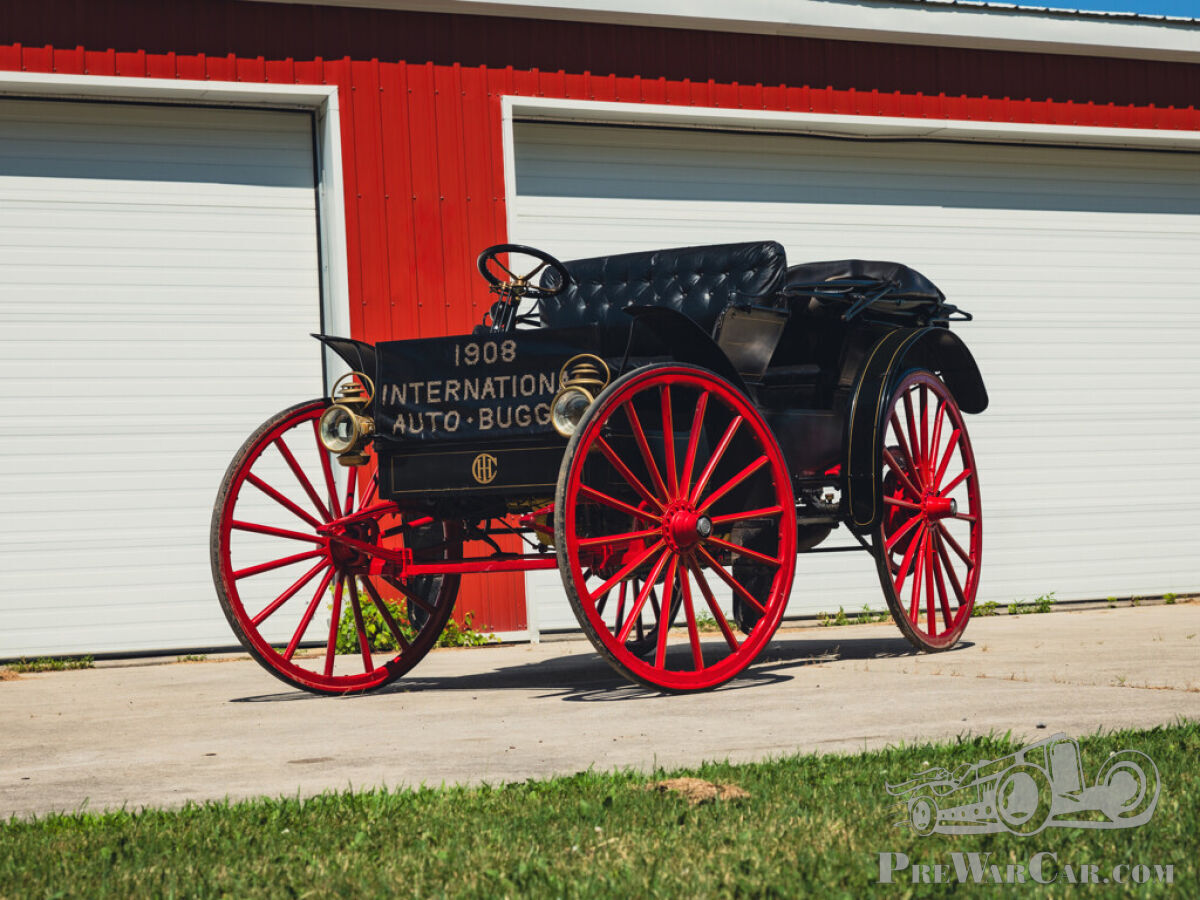
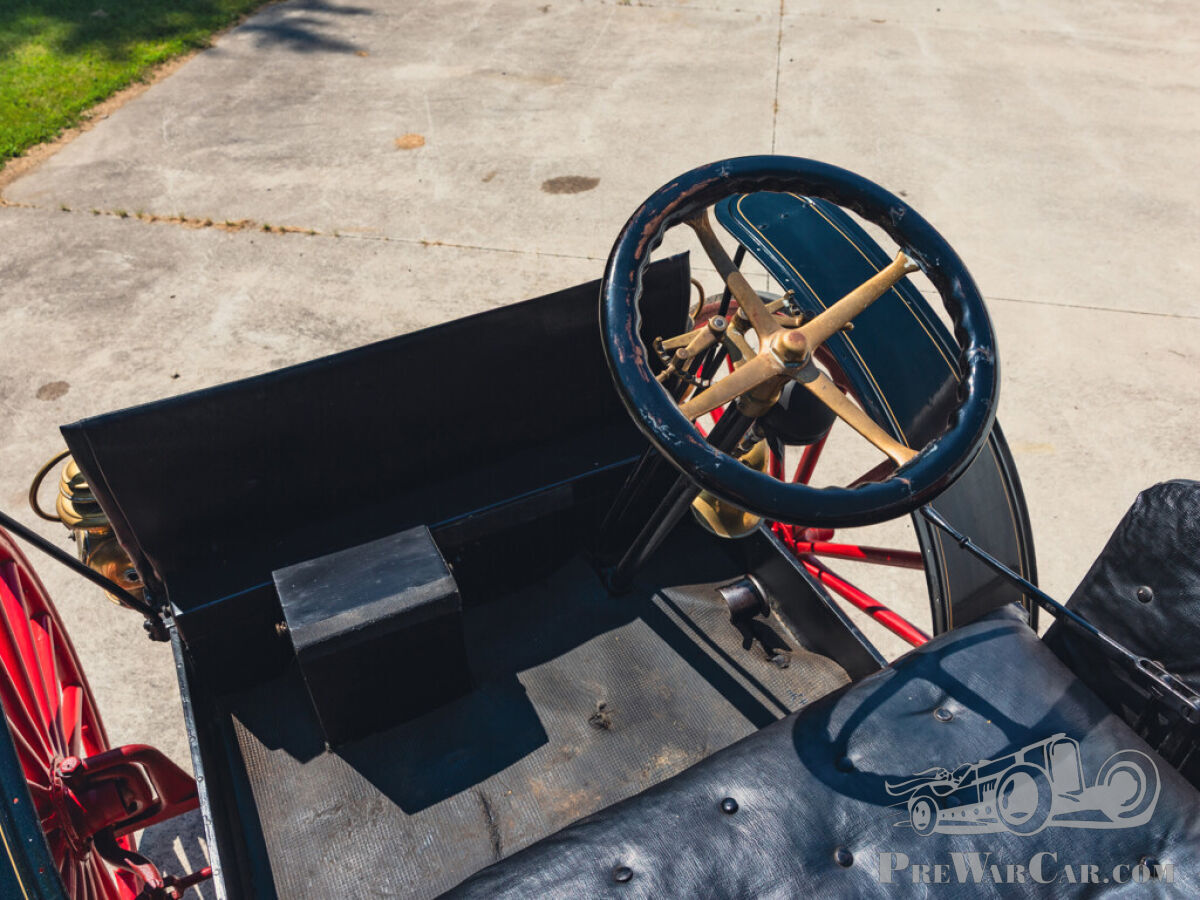
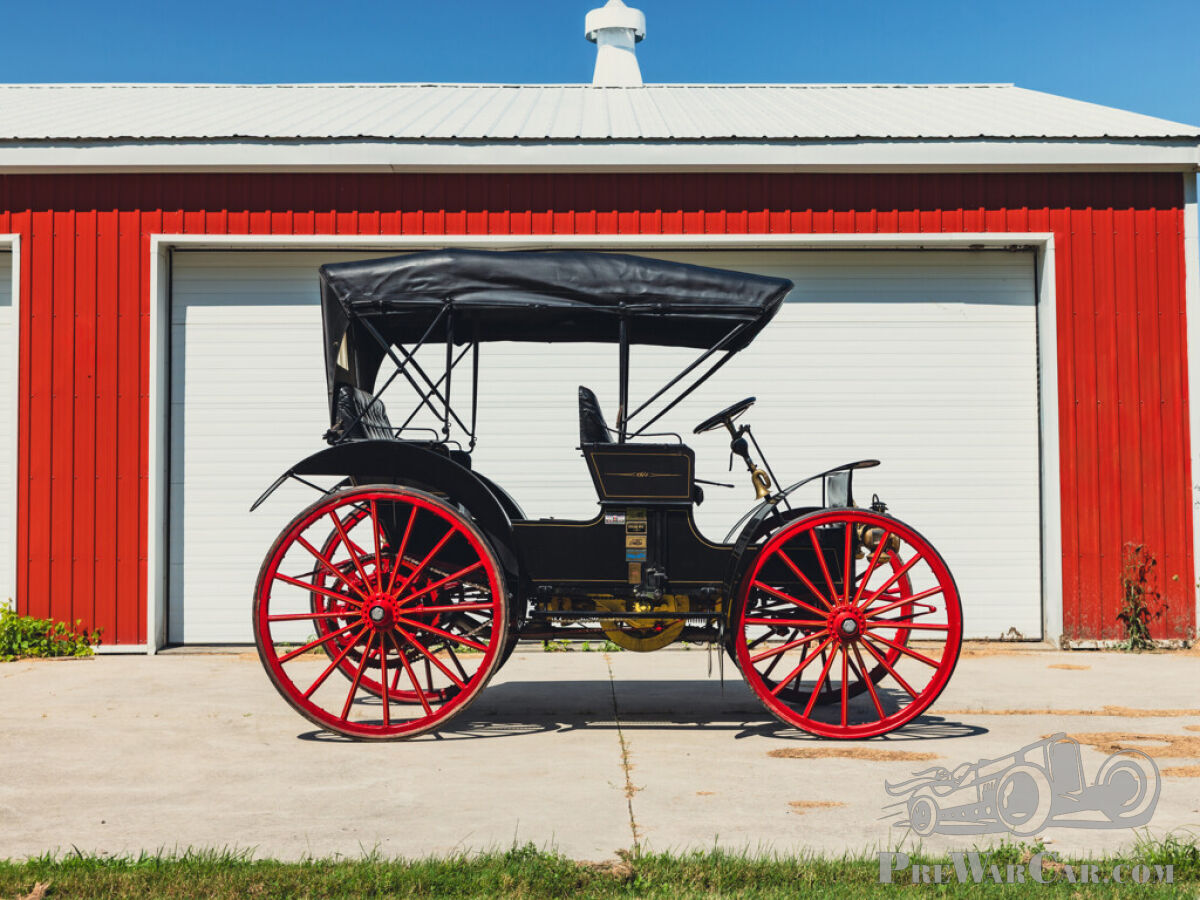
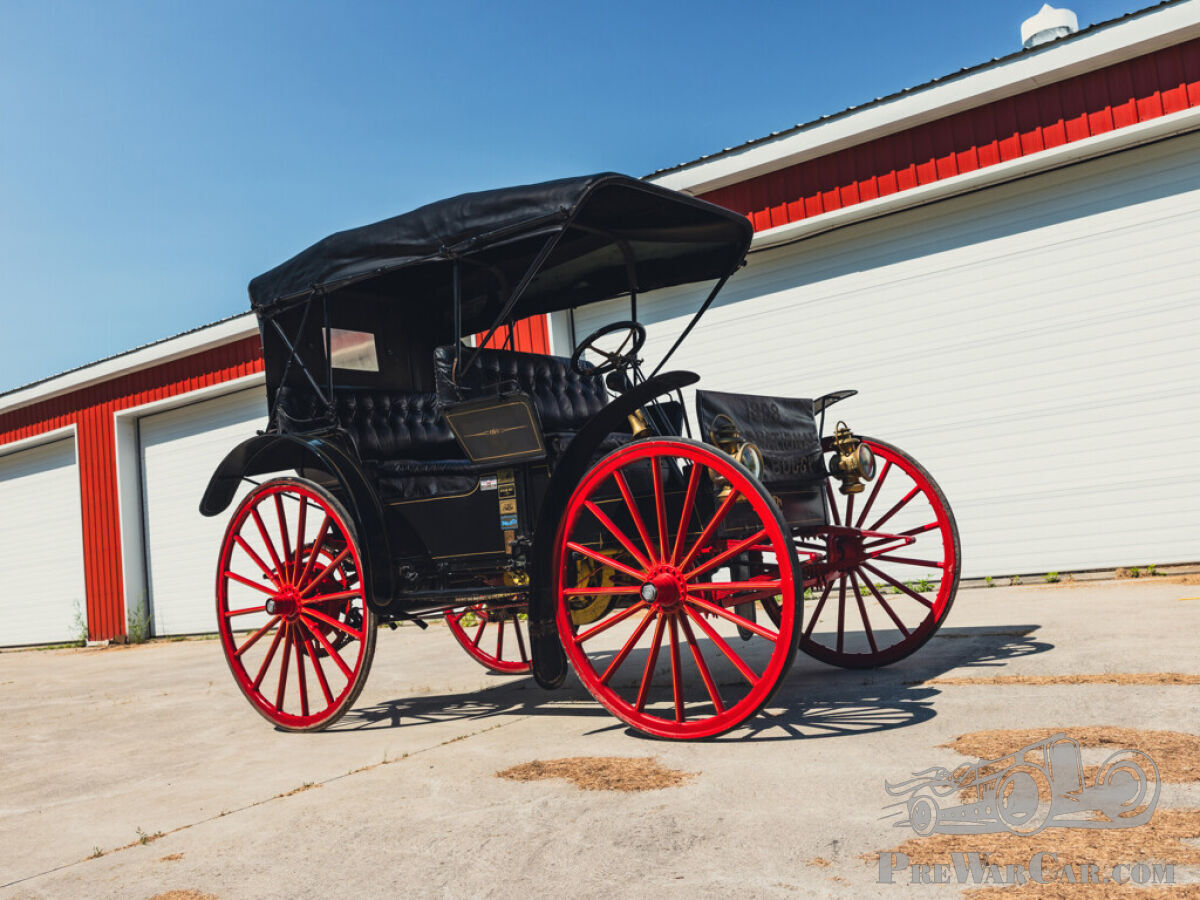
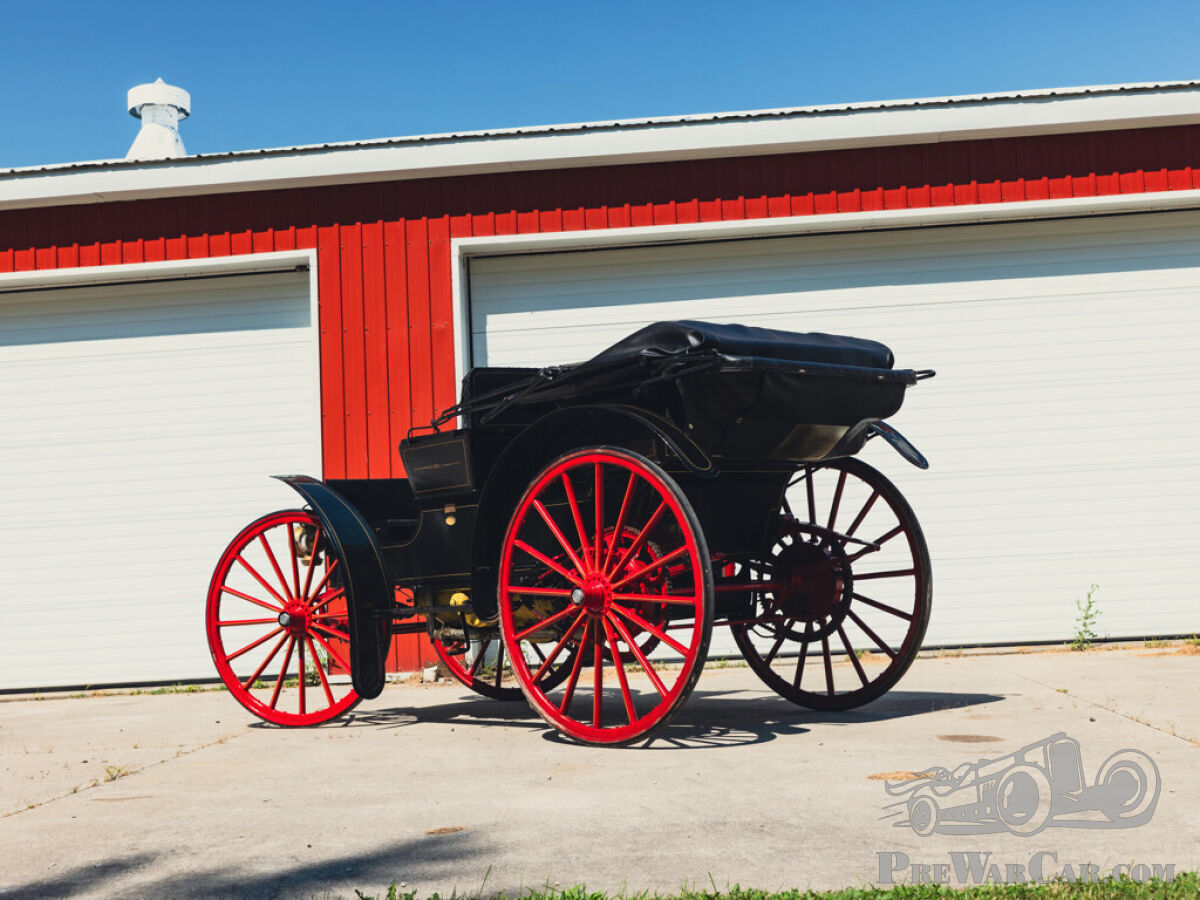
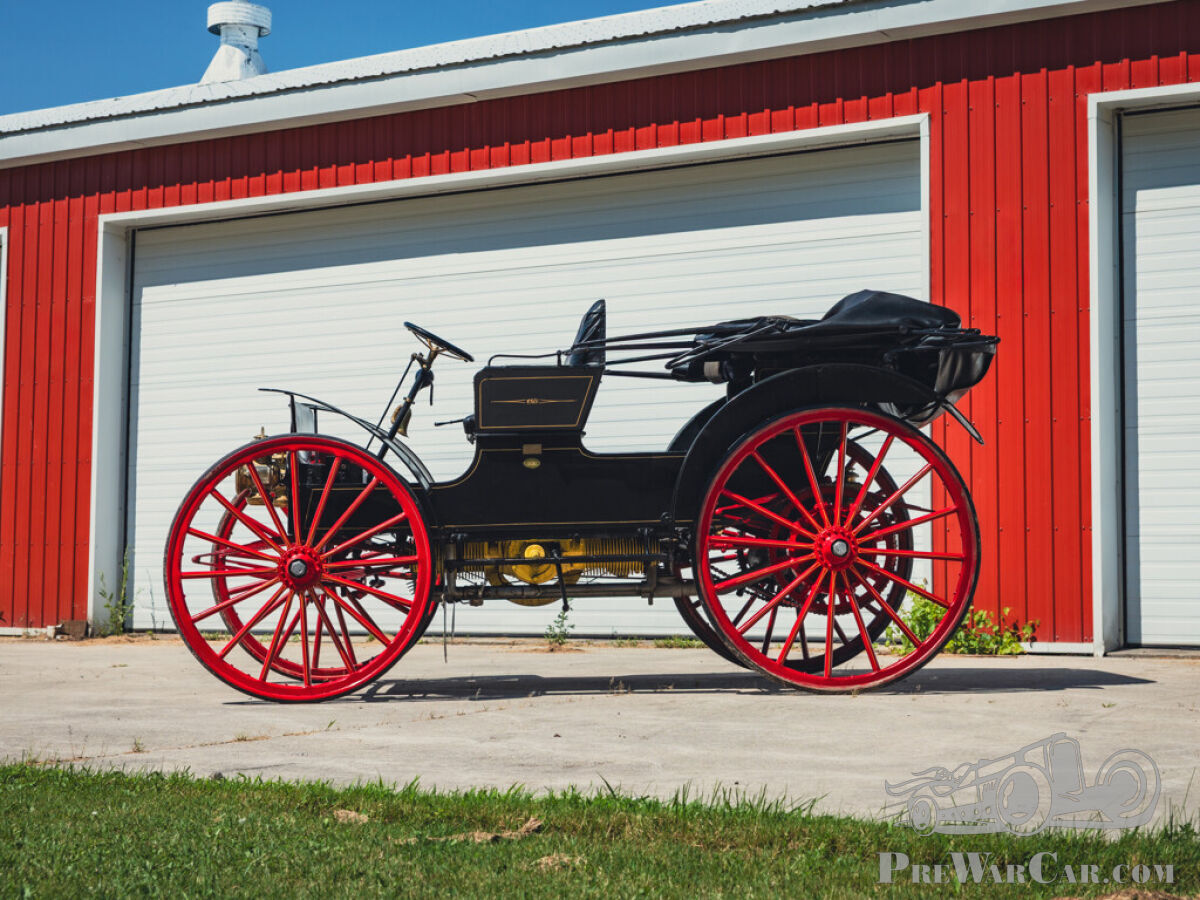
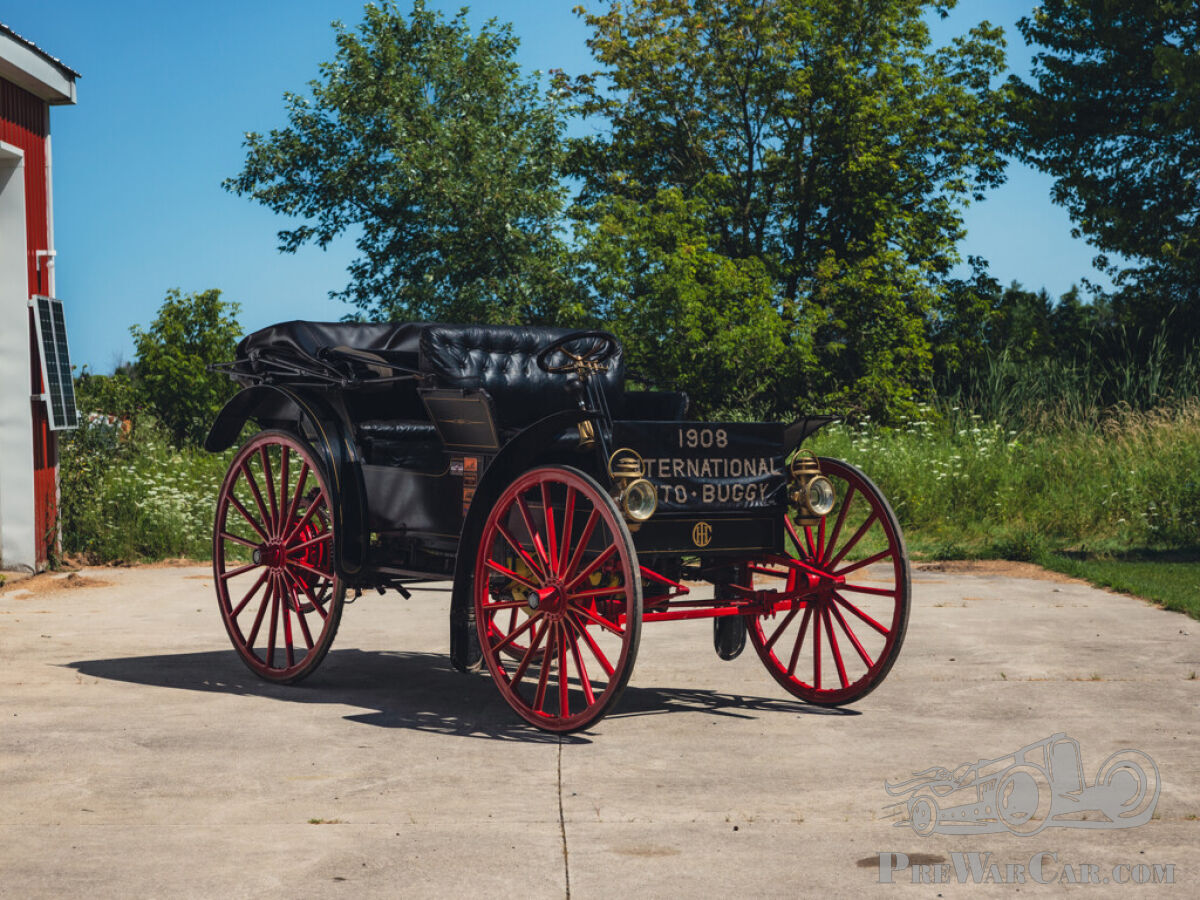
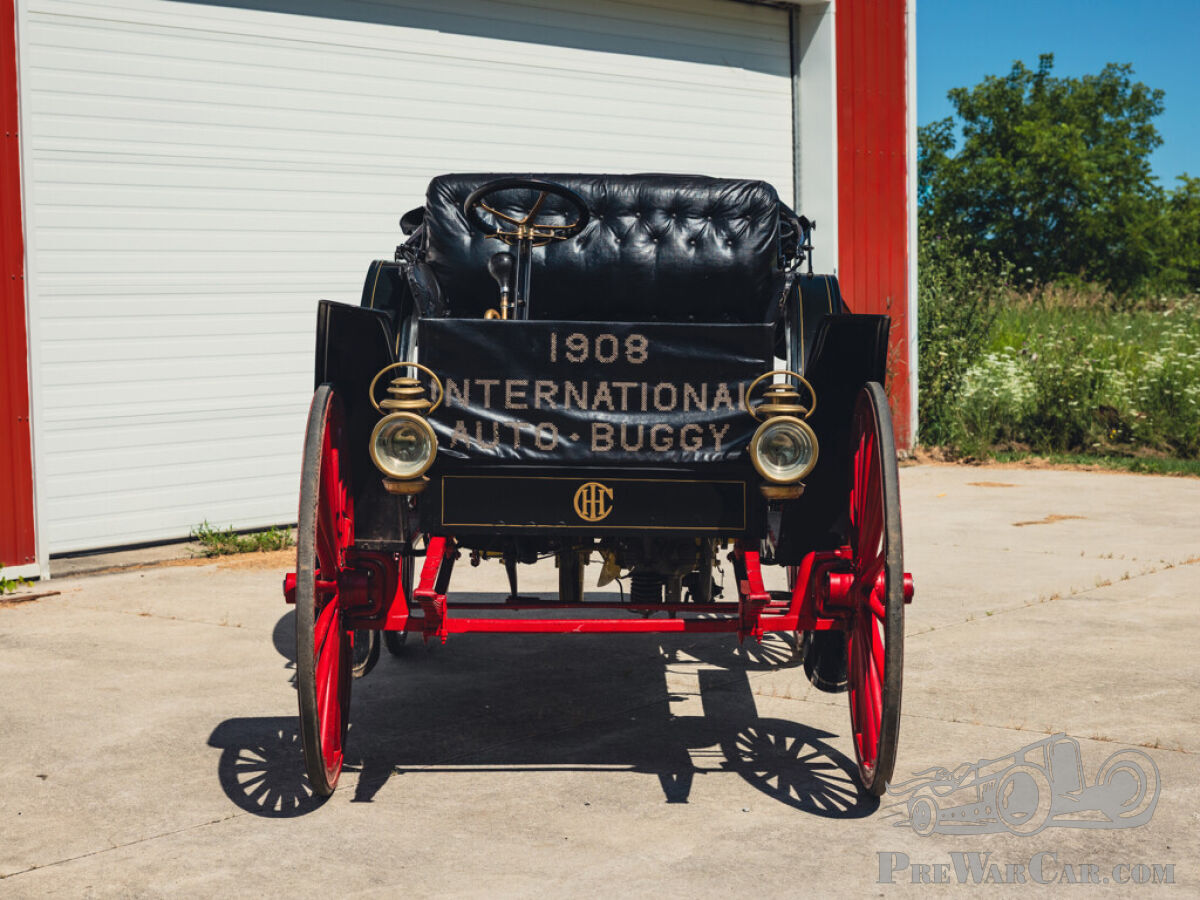
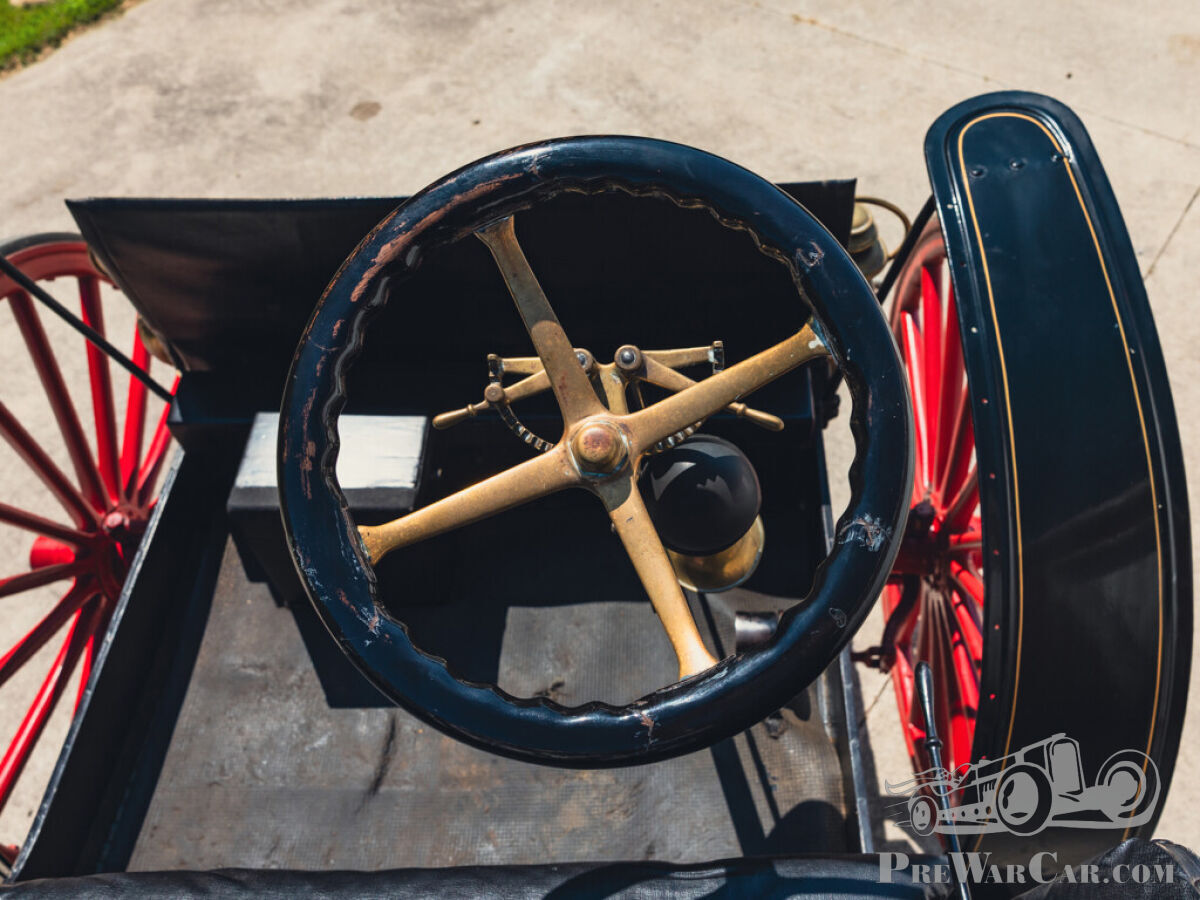
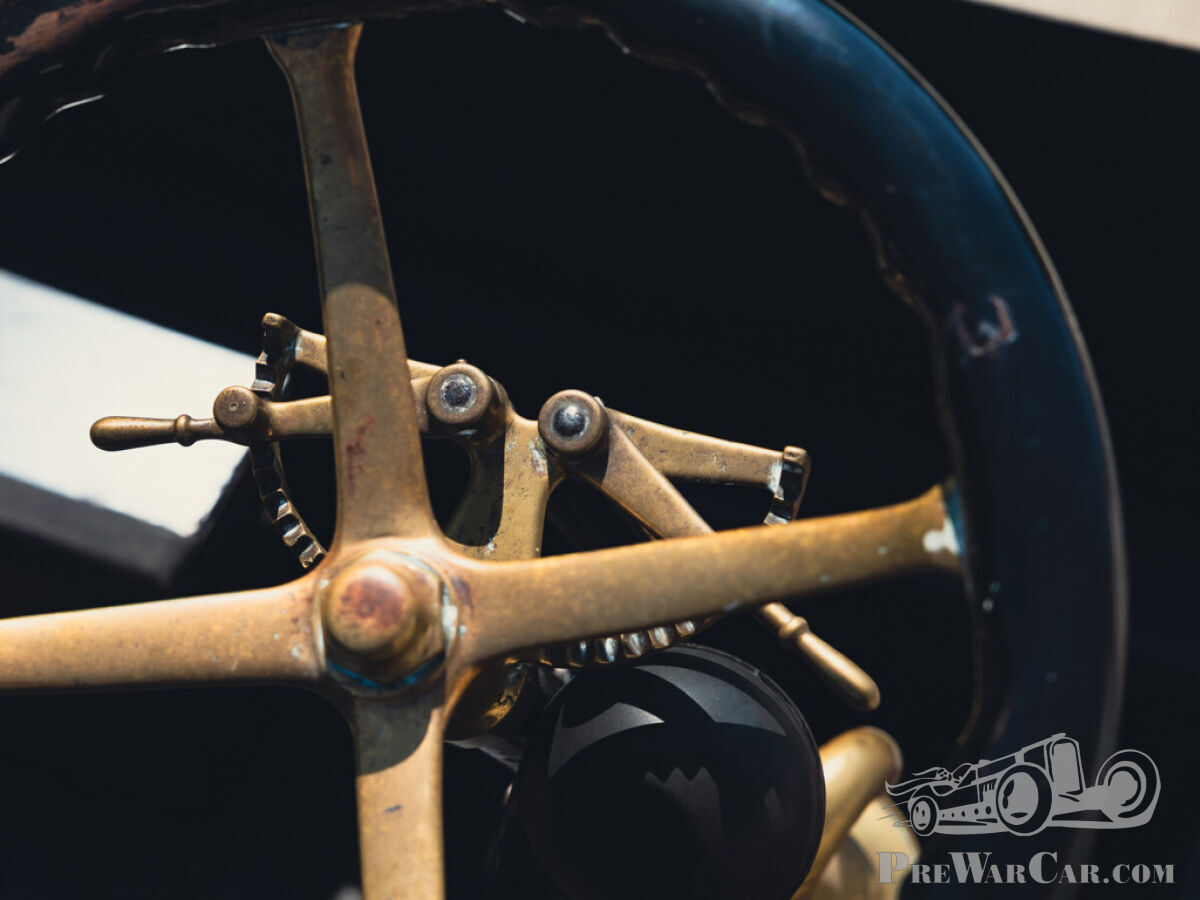
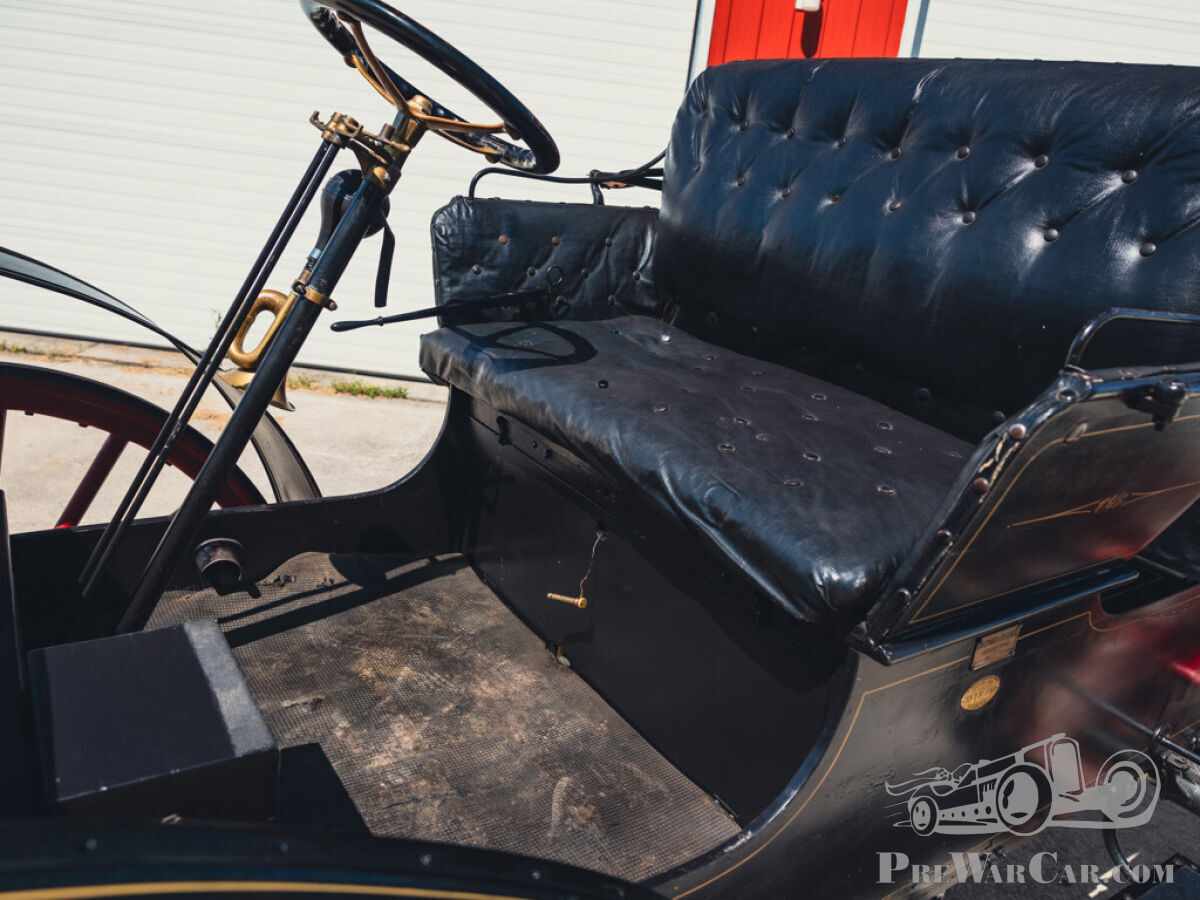
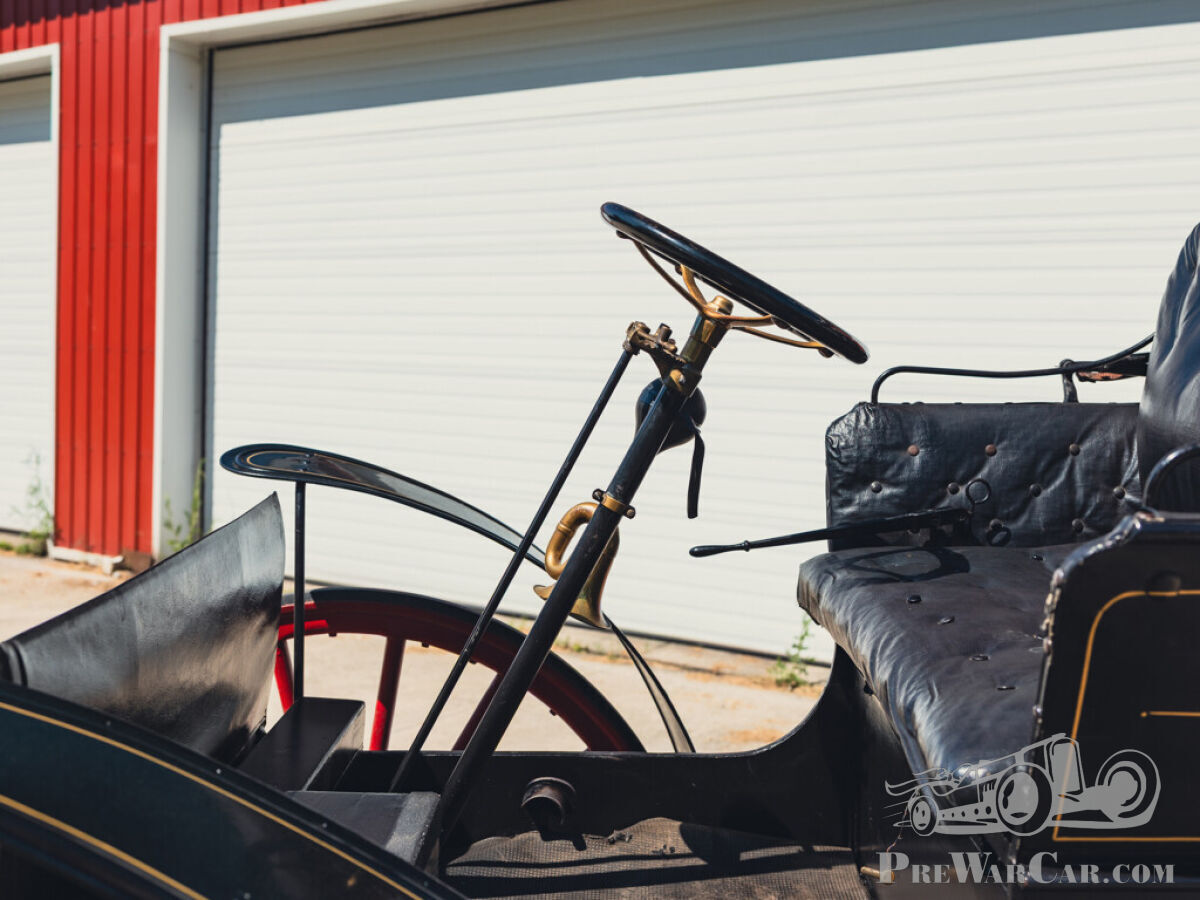
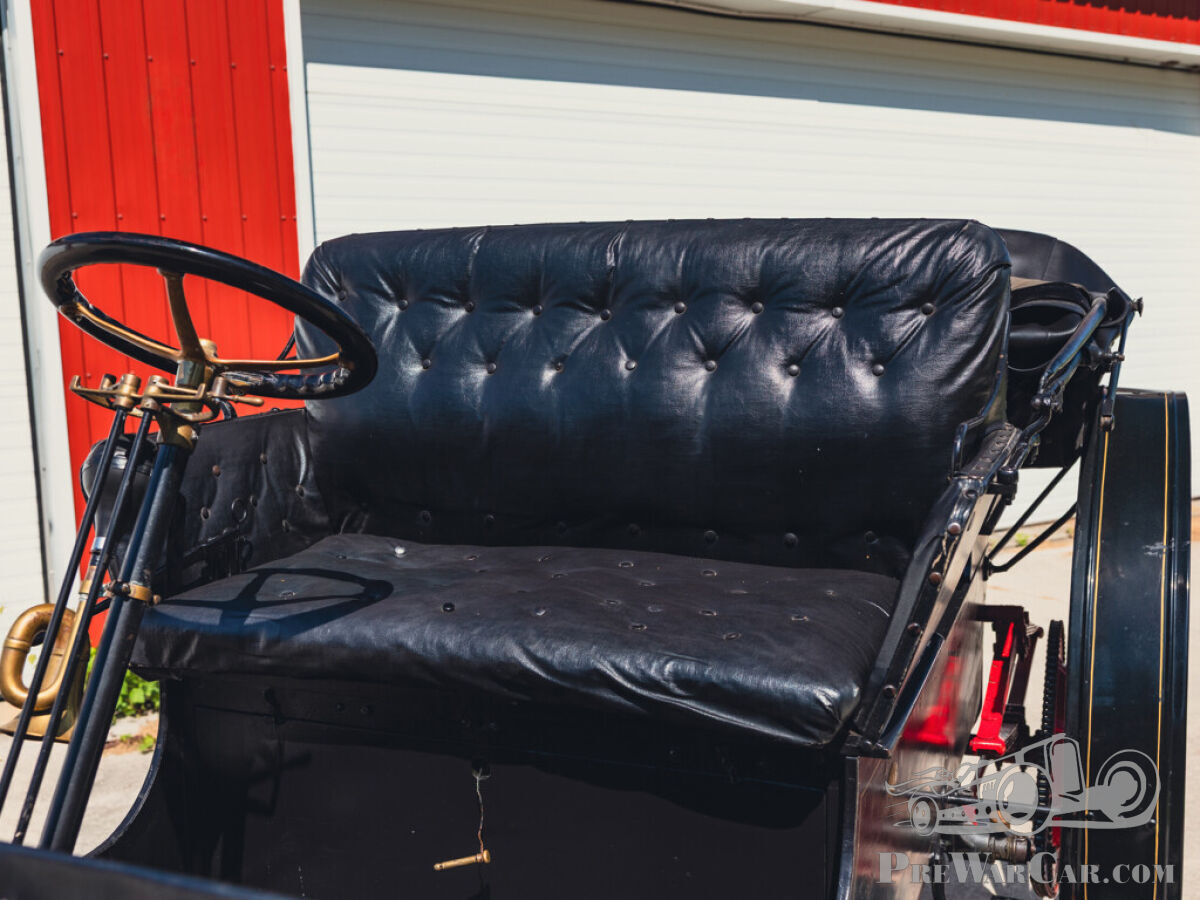
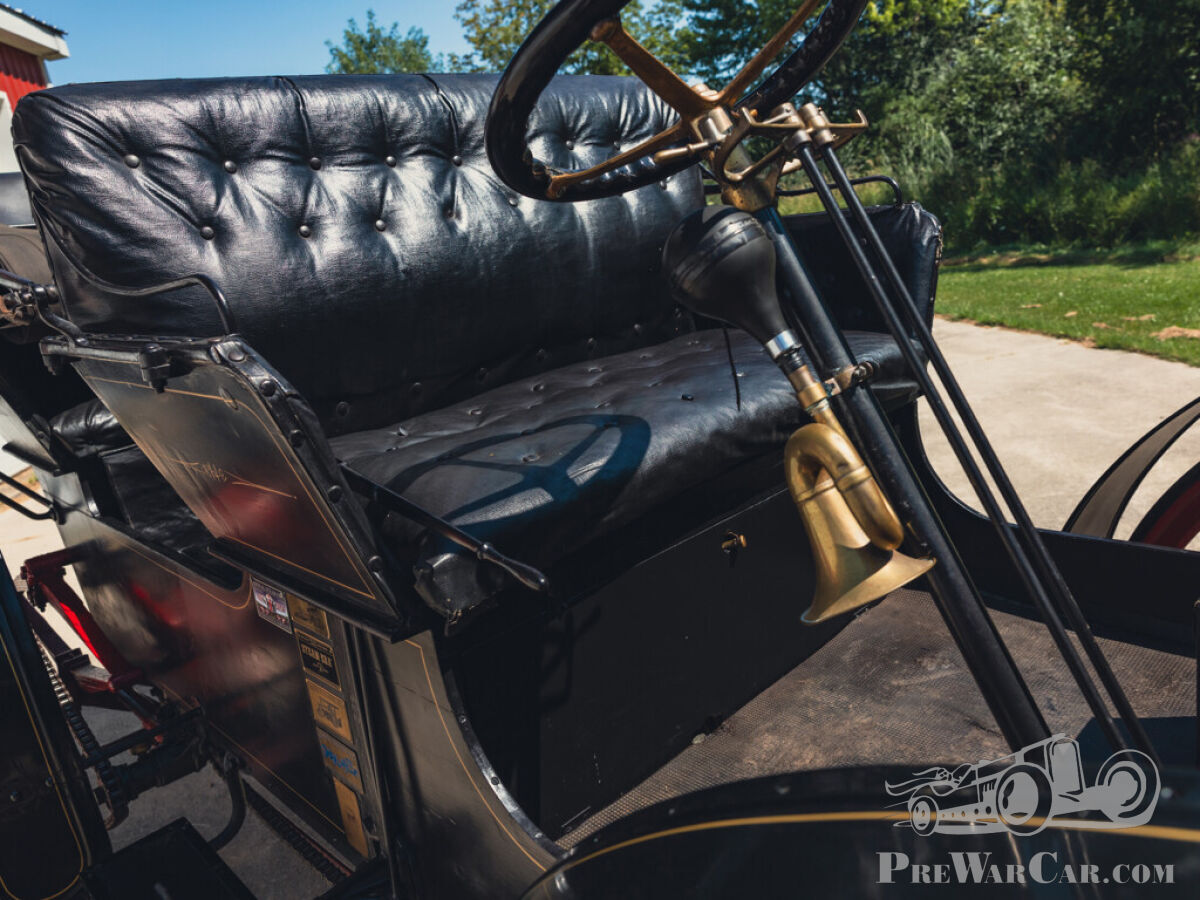
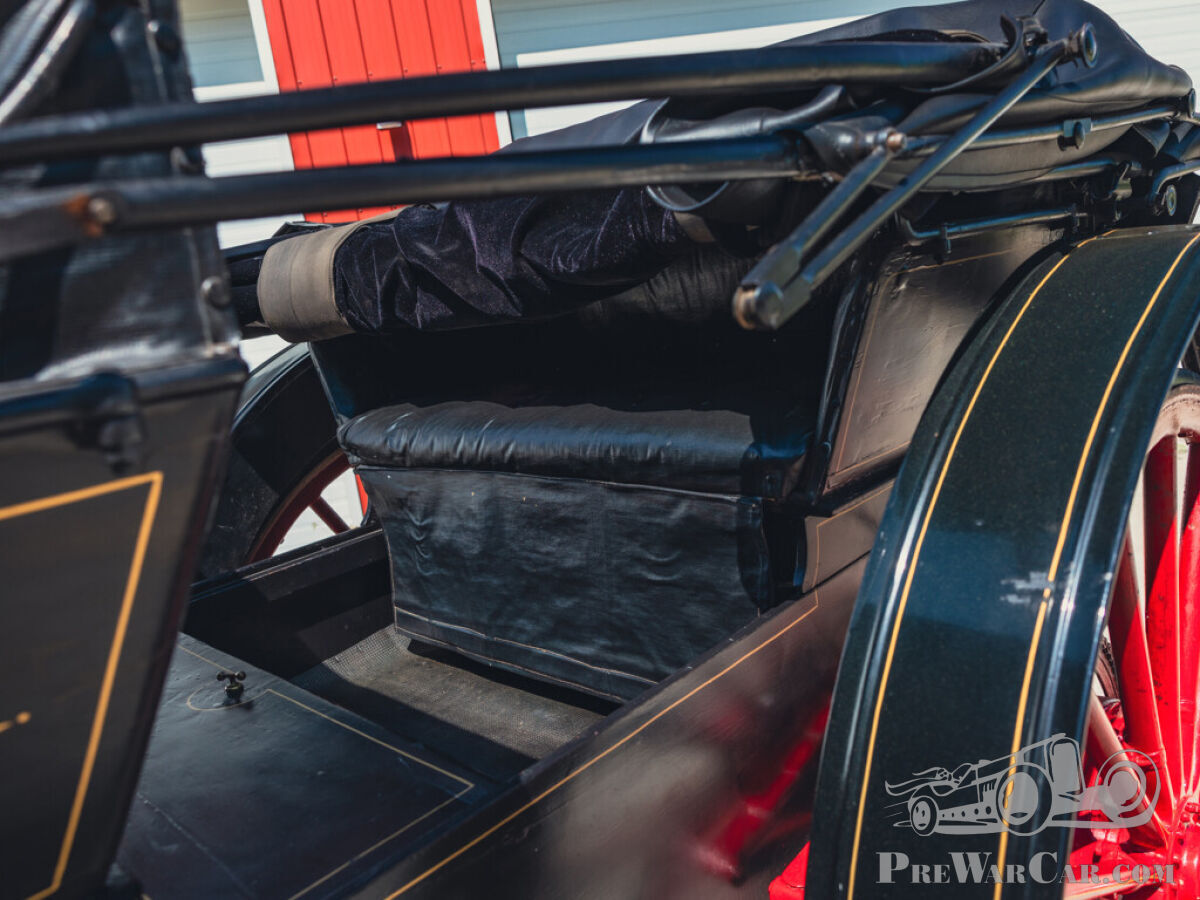
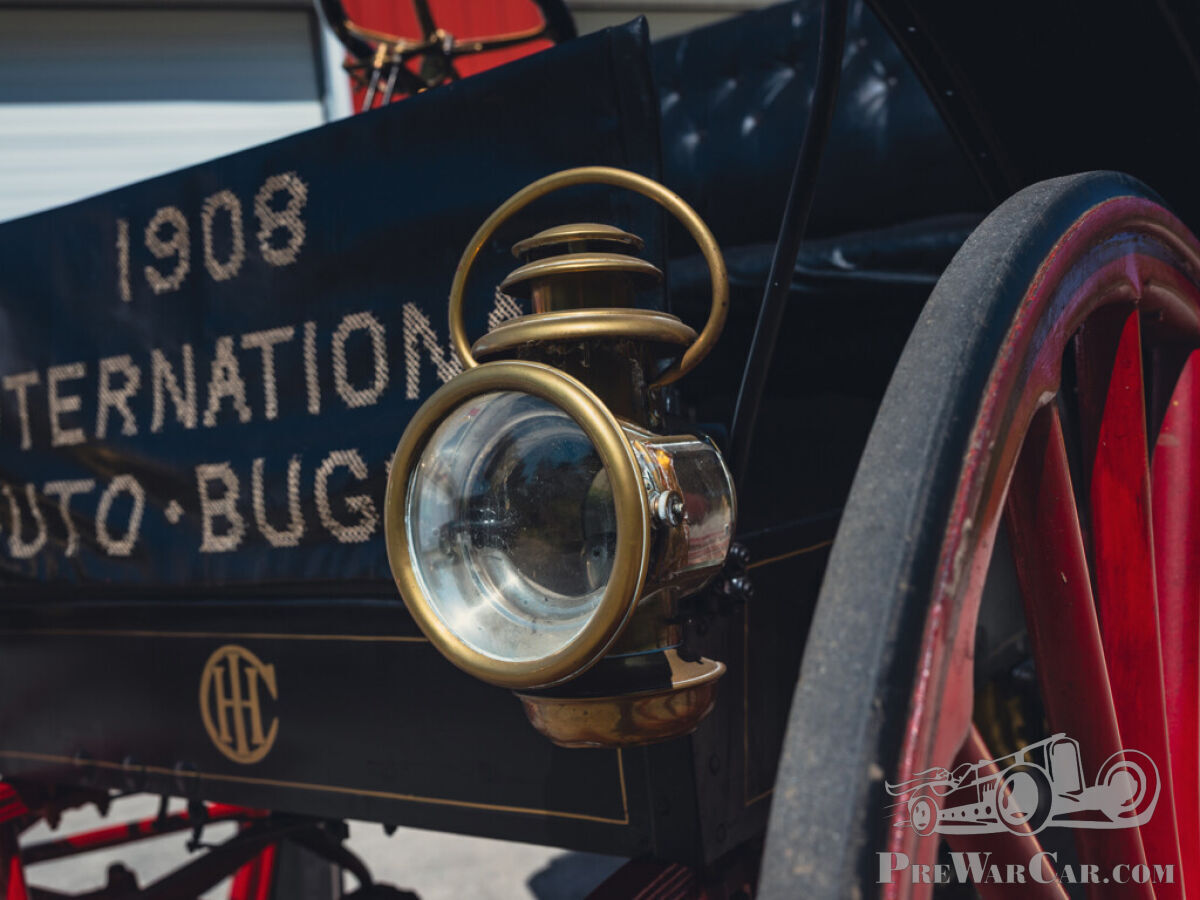
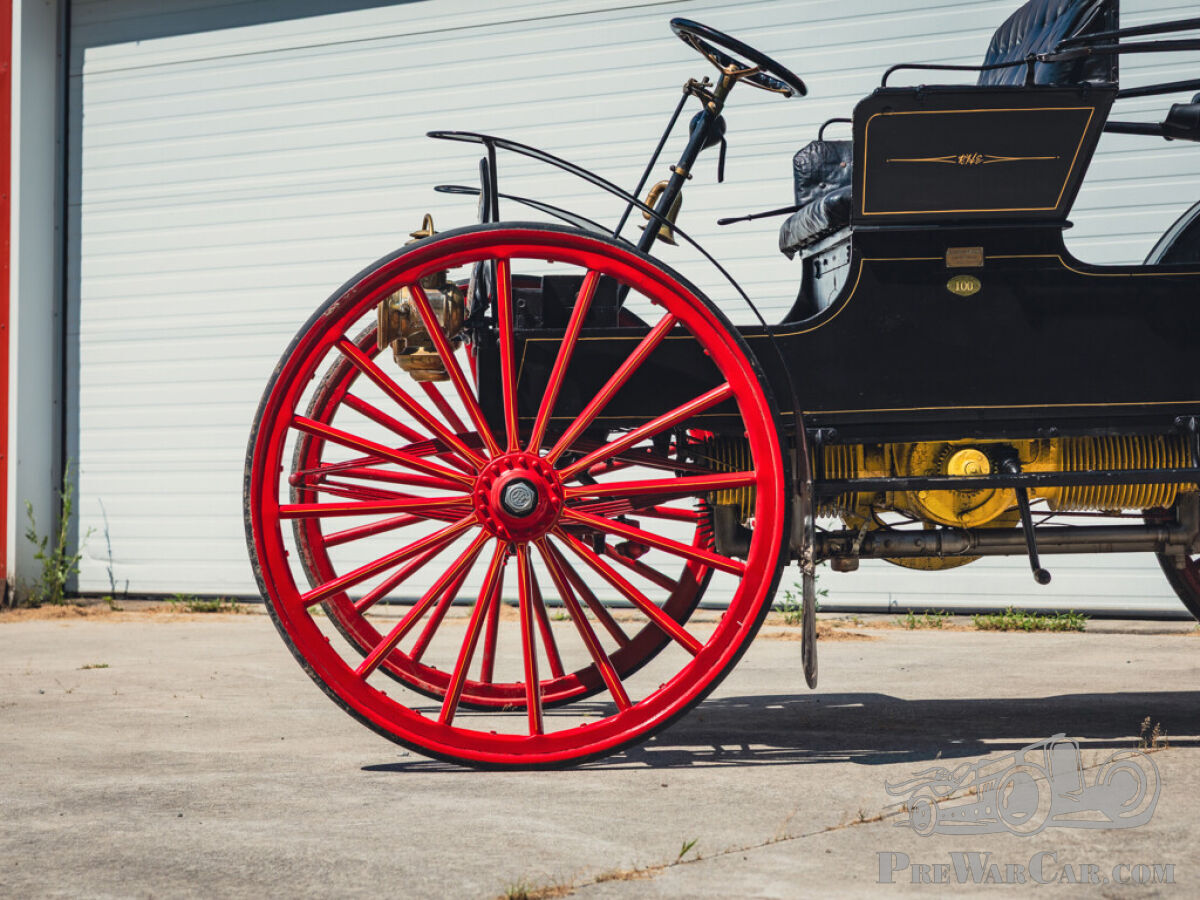
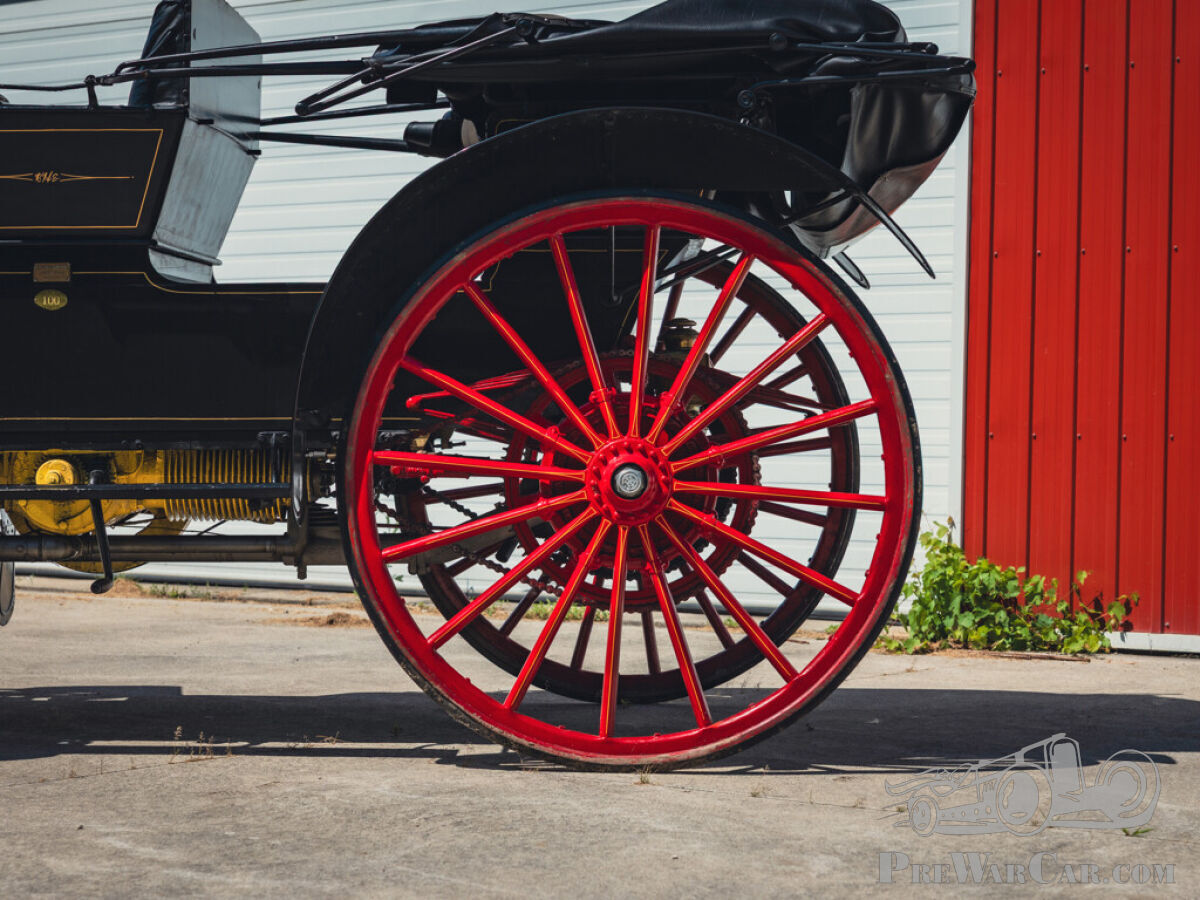
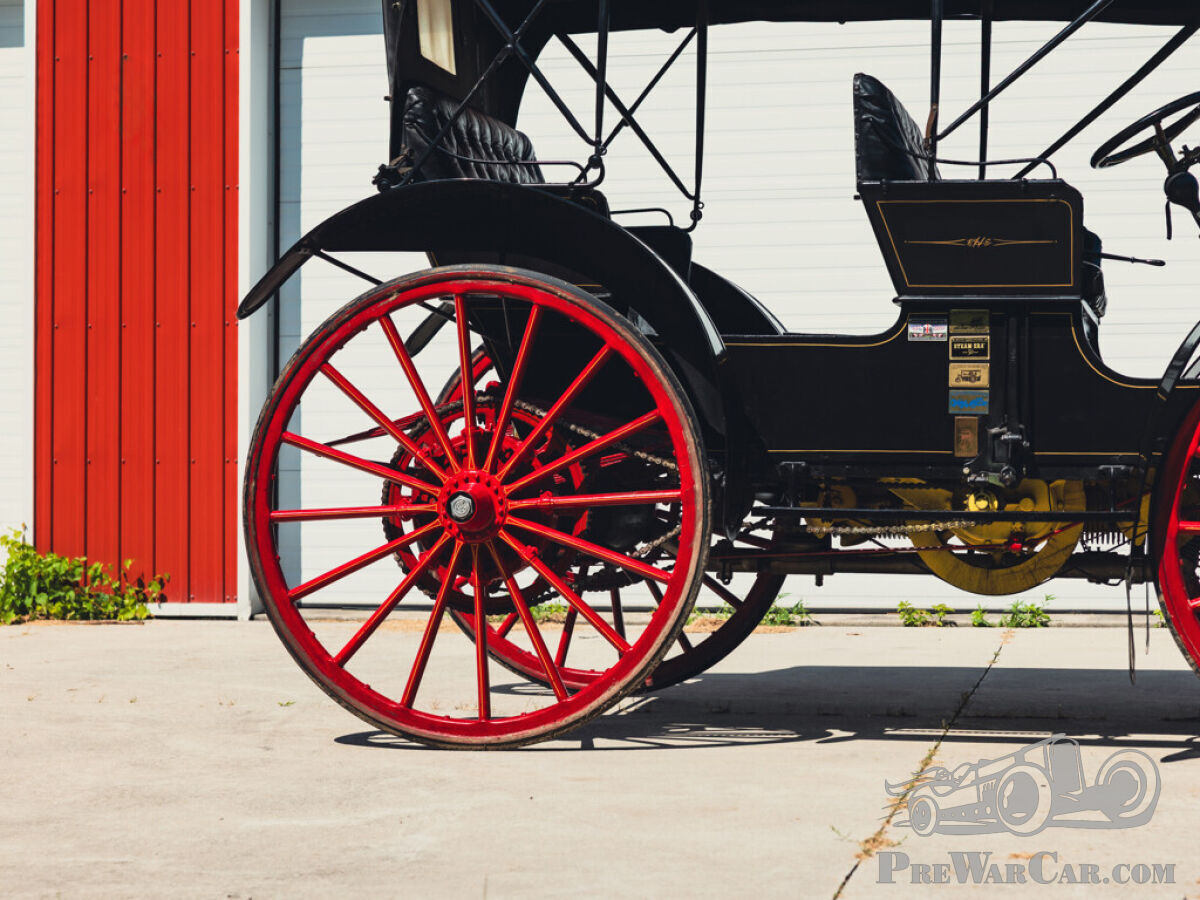
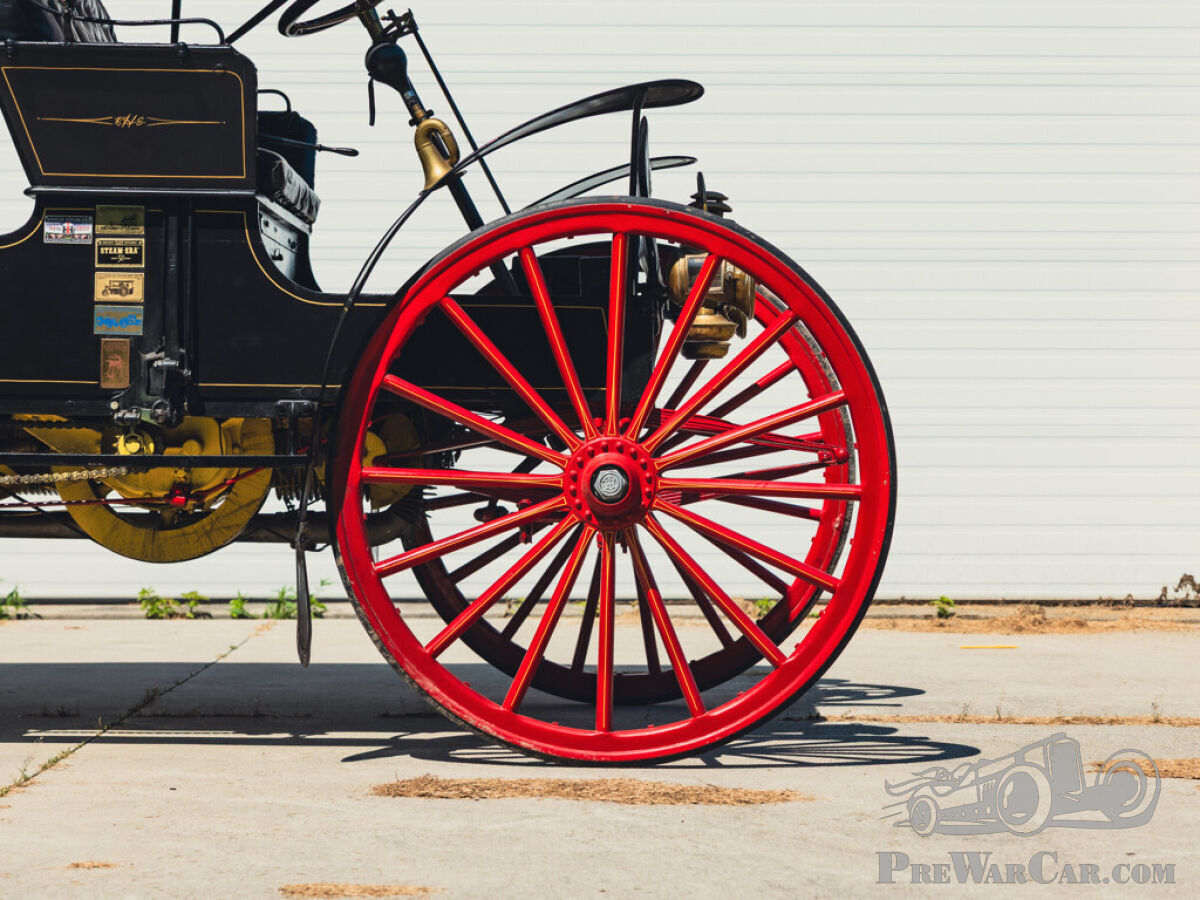
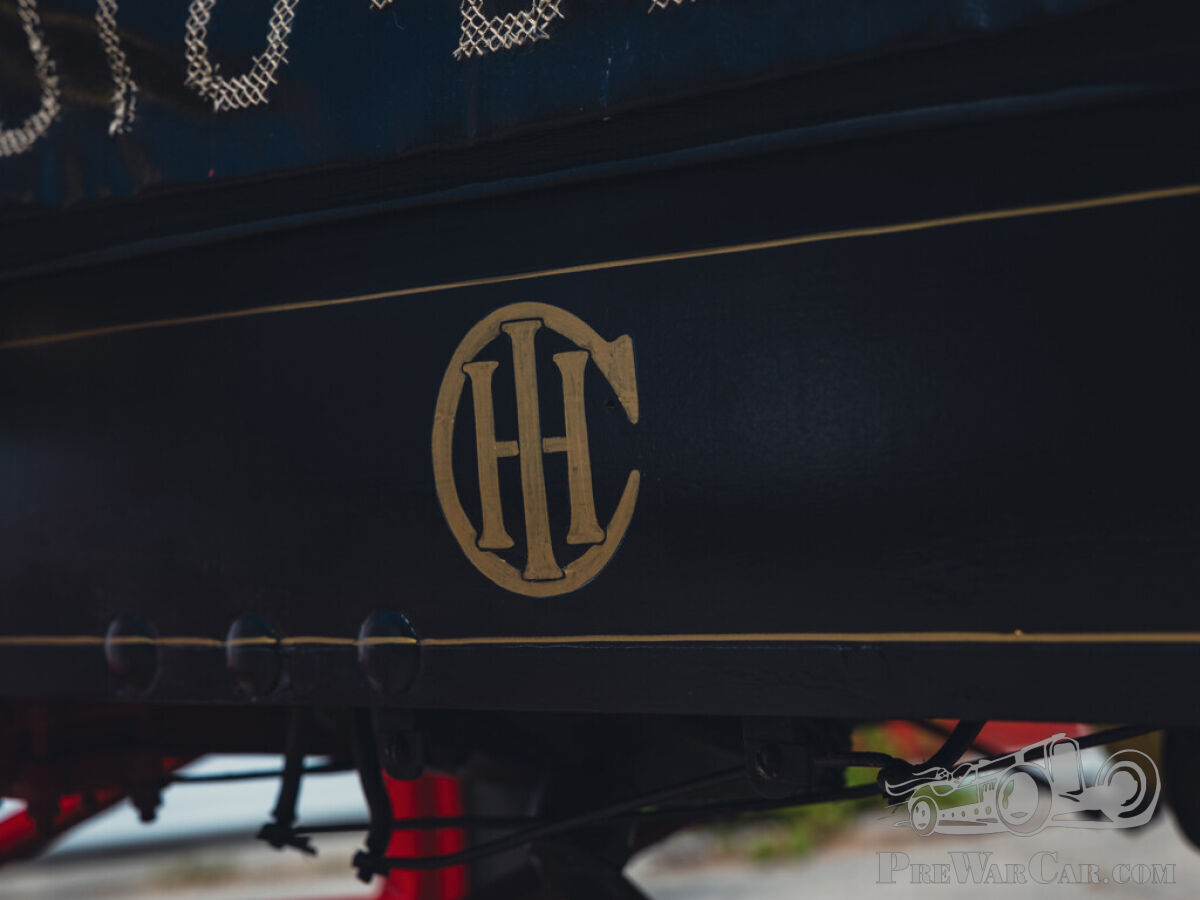
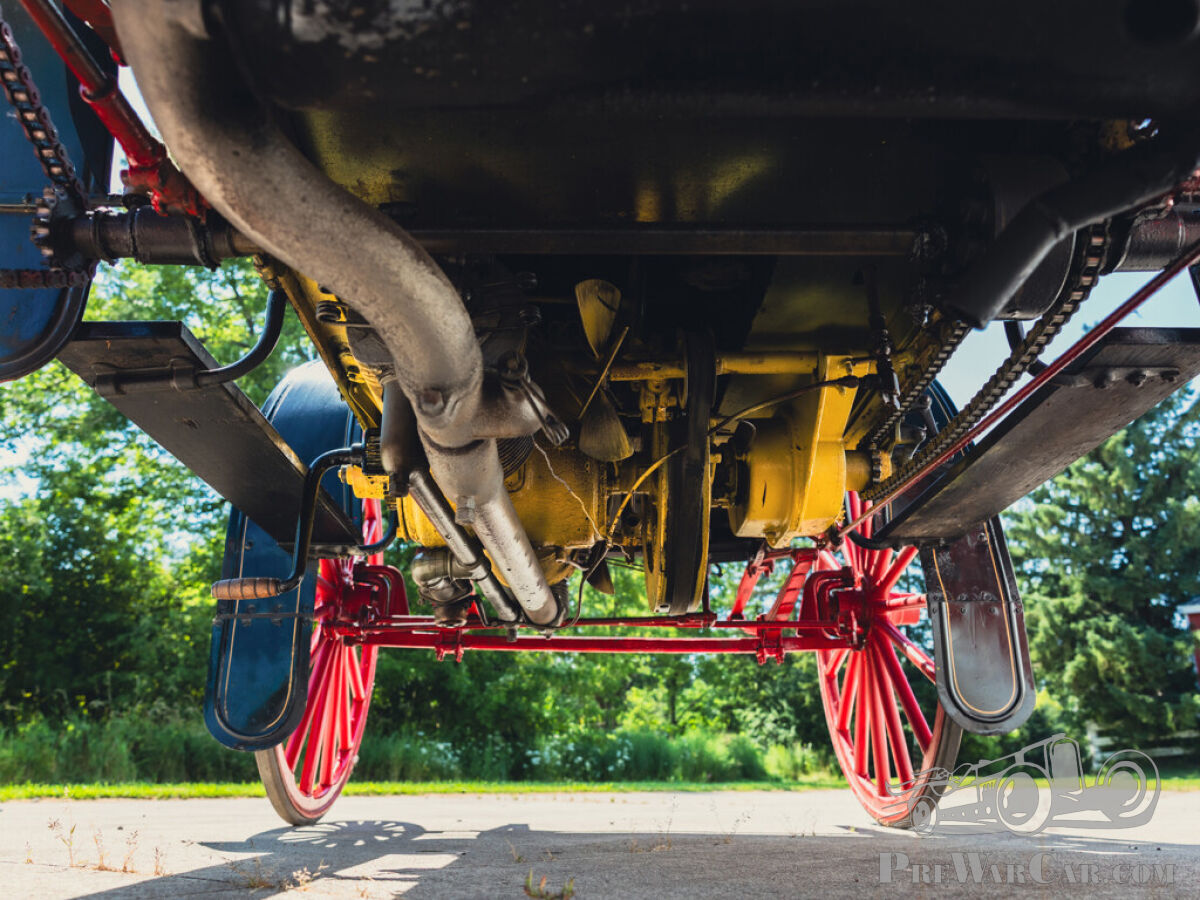
In 1902, McCormick Harvesting Machine Company merged with Deering Harvester Company and three other smaller agricultural equipment firms to form International Harvester, one of the largest conglomerates of its day, benefiting from a vast distribution network spurred by burgeoning railways and financial backing from influential banker J.P. Morgan. The company’s foray into automobile production focused on its core customer: farmers. The Auto Buggy that emerged in 1907 from International’s McCormick Works in Chicago closely resembled horse-drawn carriages, with its wood body, open seating, and large, artillery-style, spoked wheels shod in solid rubber, and a track designed to fit the well-worn ruts of America’s rural dirt roads. Unlike other early automobiles with more stylish and elaborate designs geared toward city driving, the Auto Buggy was purposefully dowdy and utilitarian—“A Thoroughly Reliable Common-Sense Machine,” as period sales brochures proclaimed. Forty-inch front and 44-inch rear wheels kept it moving through mud deep enough to bury the axles of smaller-wheeled vehicles and gave rise to the moniker “high-wheeler.”
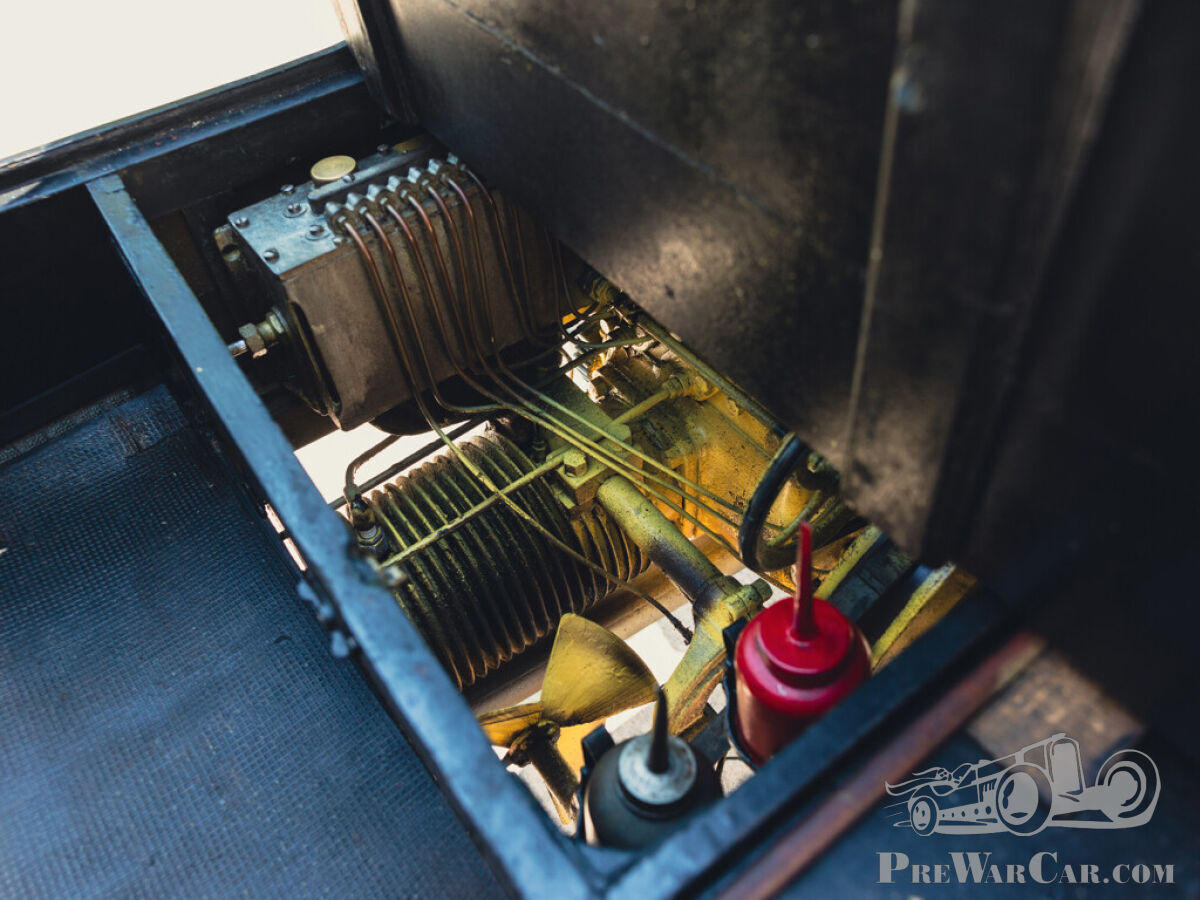
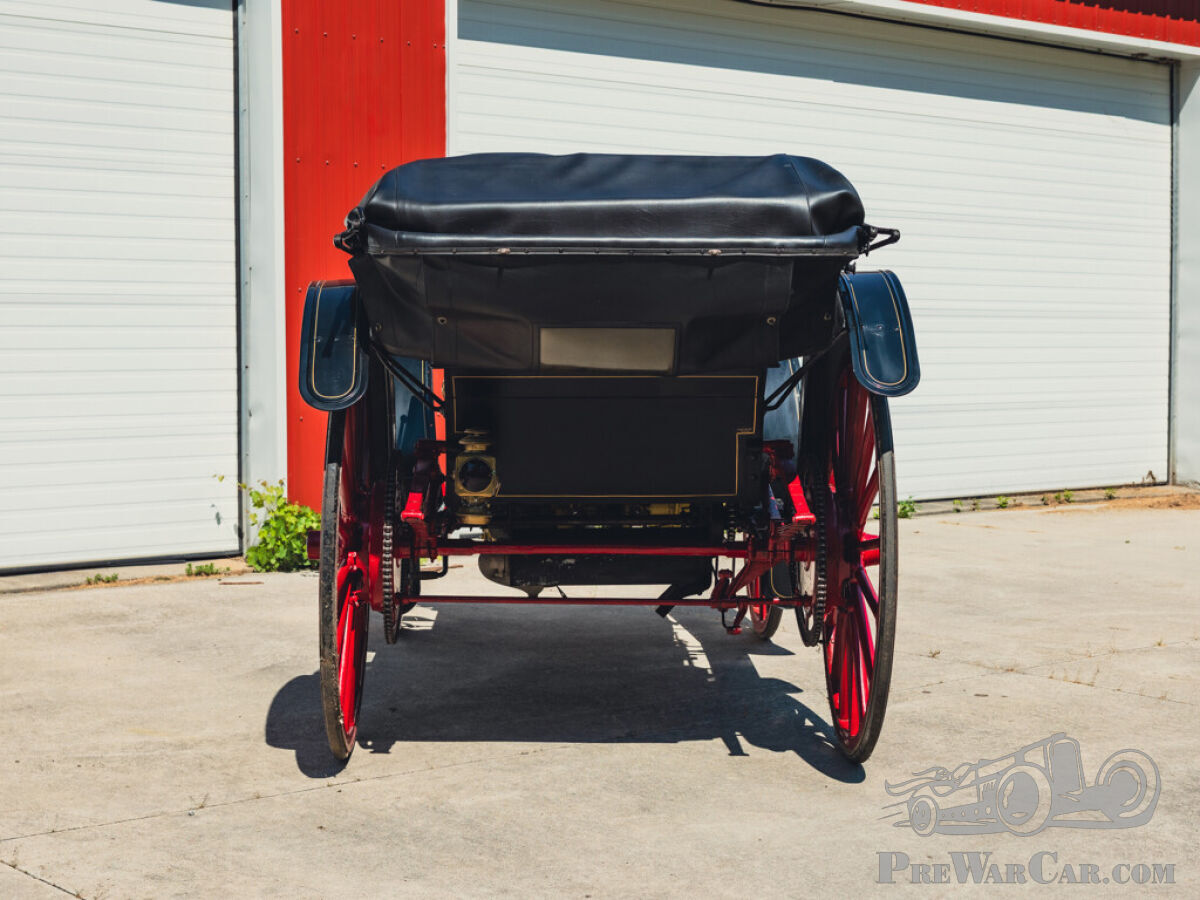
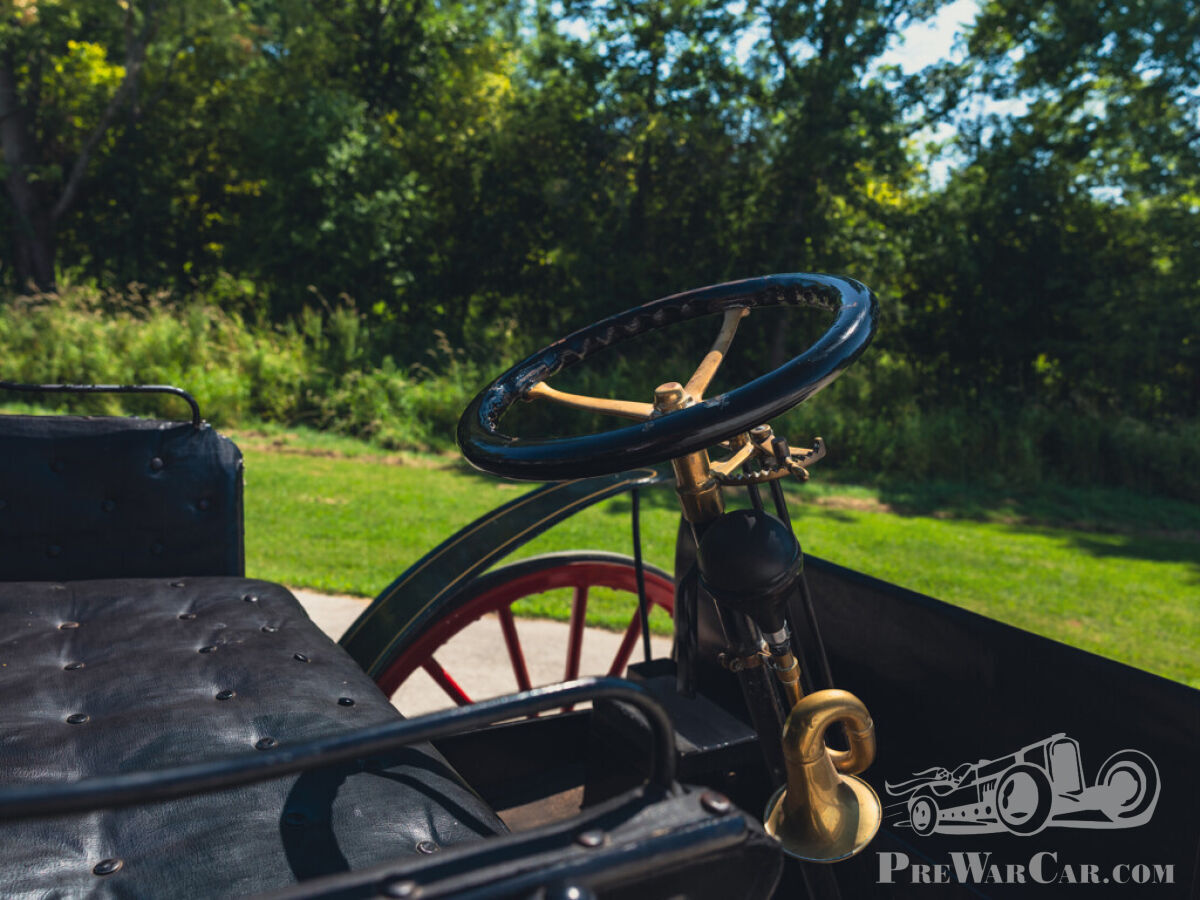
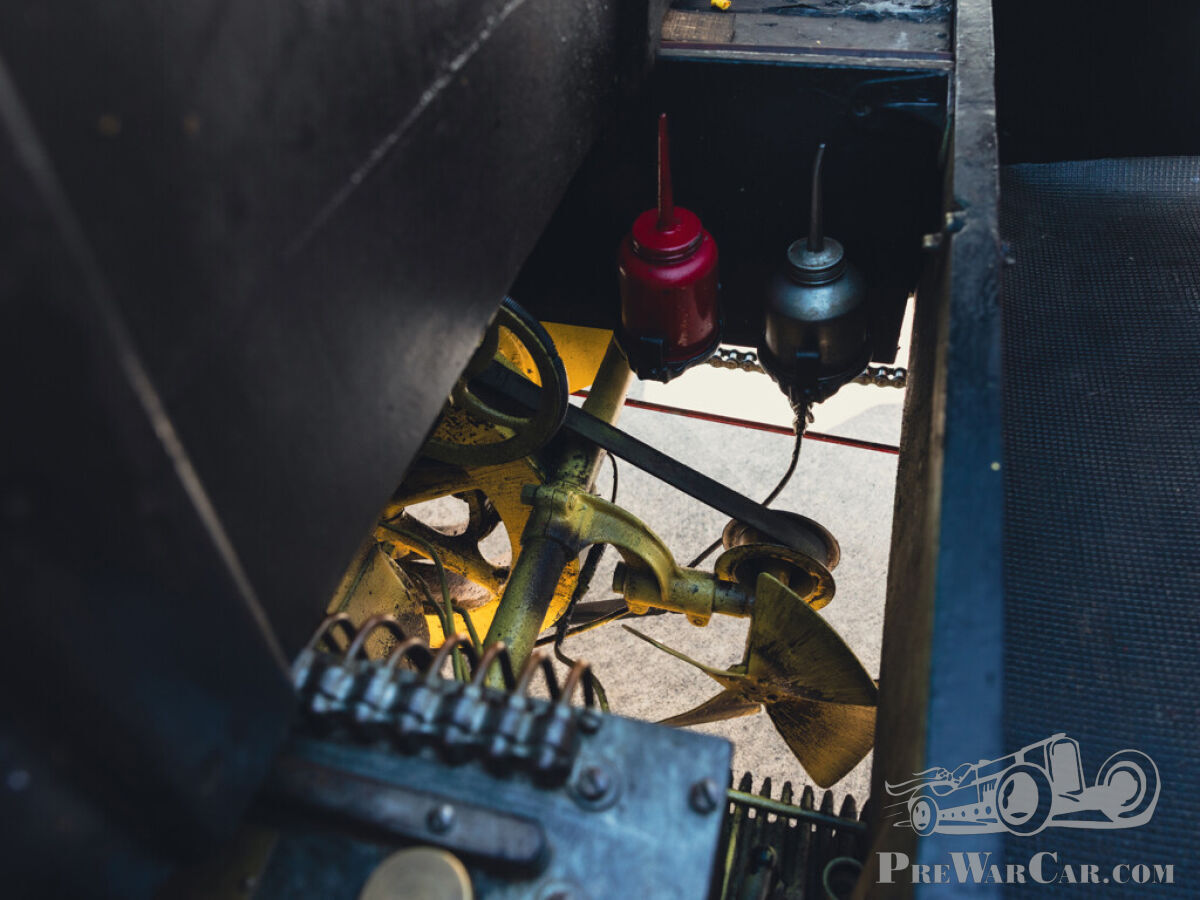
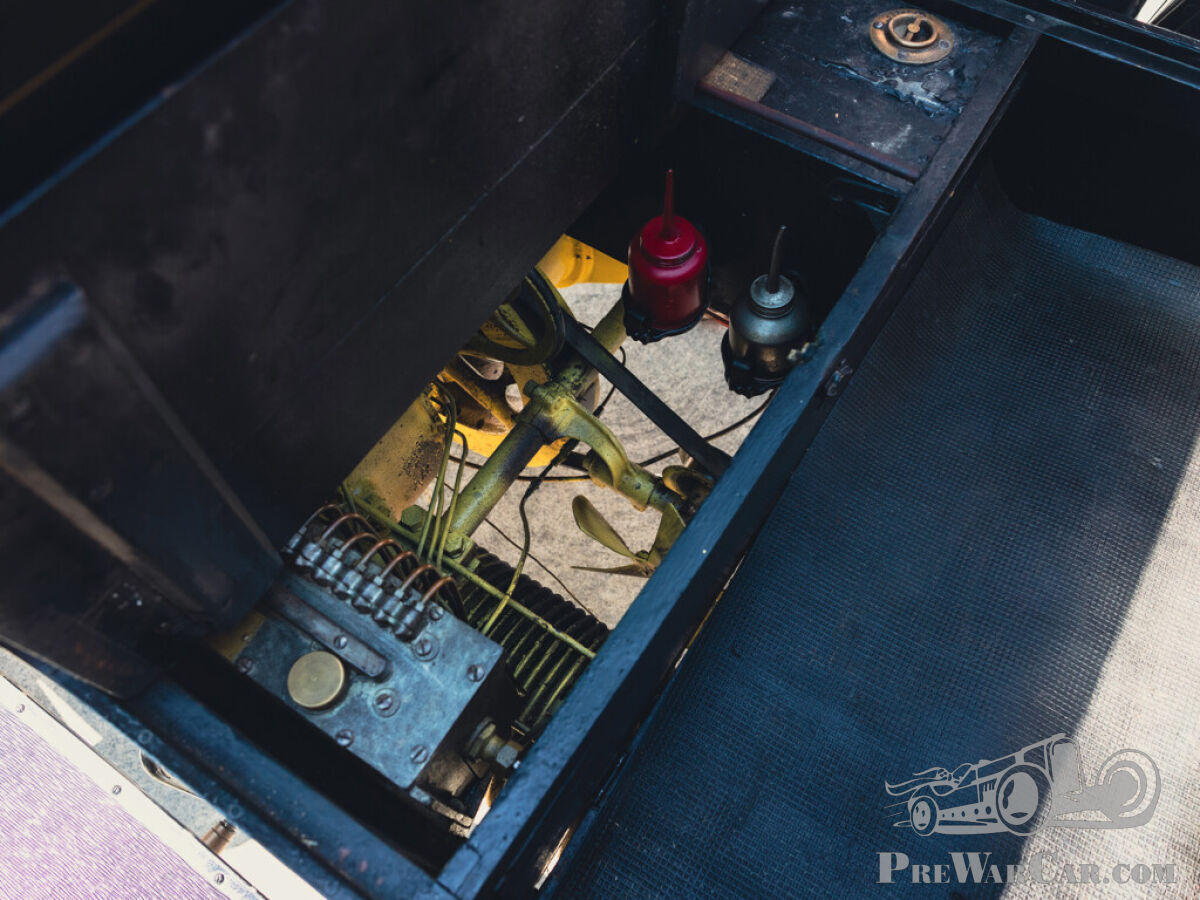
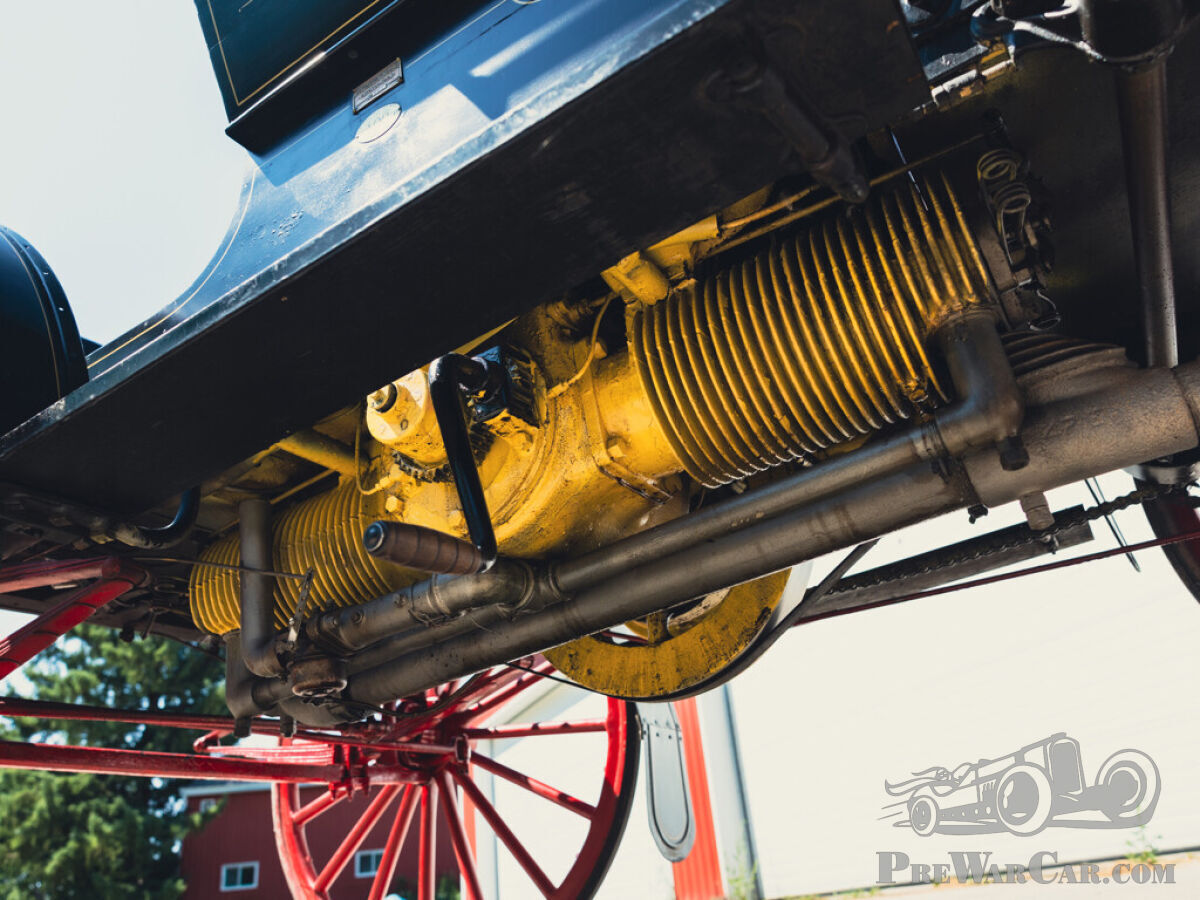
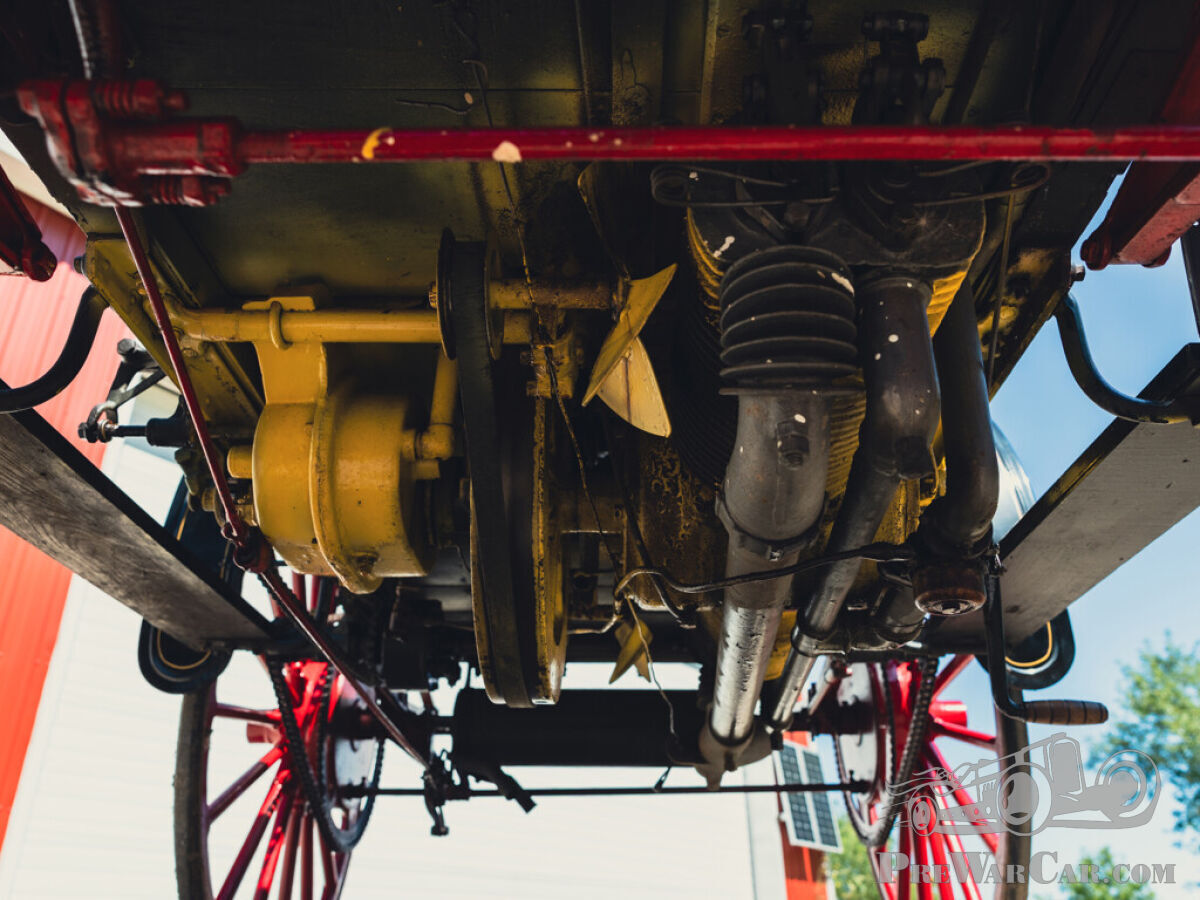
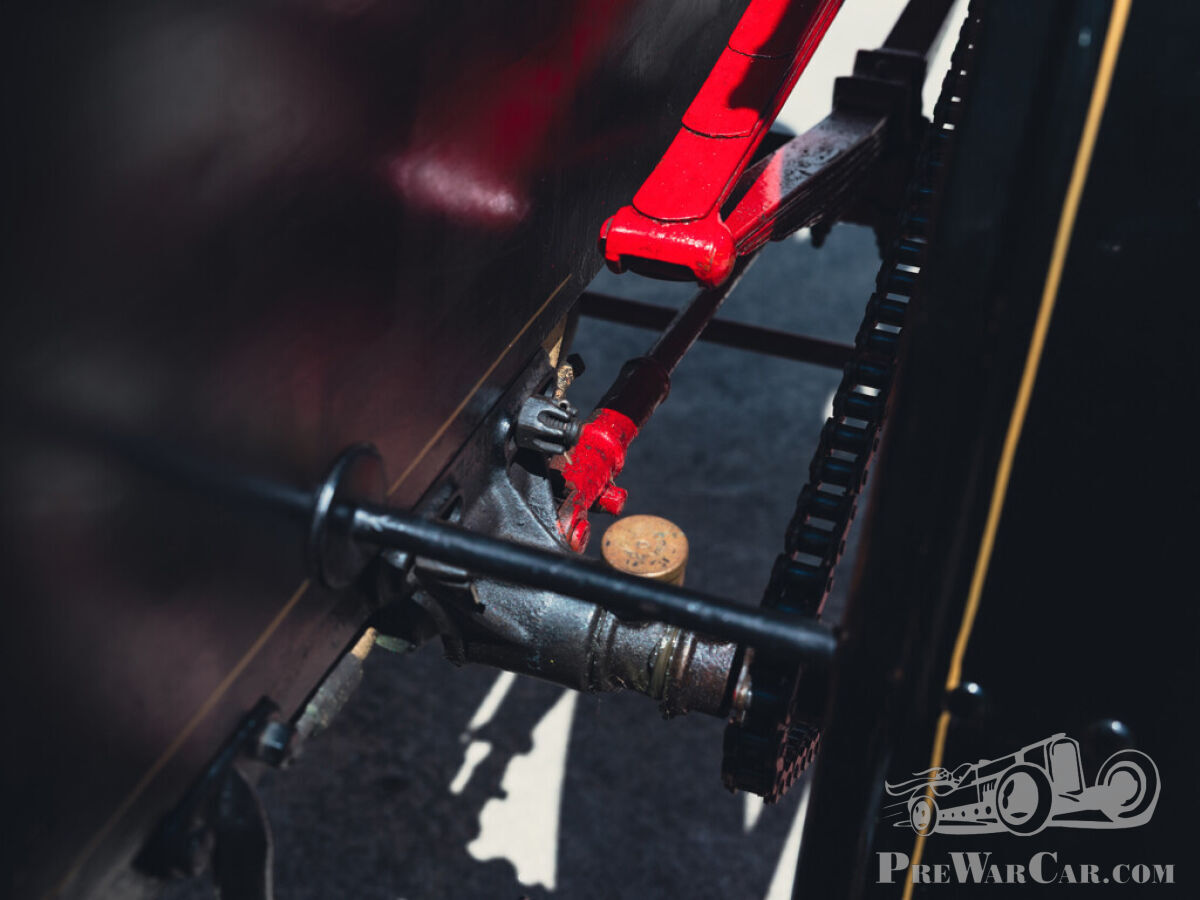
A 14-horsepower, two-cylinder horizontally opposed air-cooled four-stroke engine drove the rear wheels through a two-speed planetary transmission and dual chain drive. Top speed was around 20 mph. Initially available in two- and four-seat configurations, the Auto Buggy was incredibly robust, reliable, and easy to repair—exactly what farmers needed. With the first 100 completed in Chicago by October 1907, production shifted to a newly converted factory in Akron, Ohio, that introduced standardized components and manufacturing processes to keep pace with brisk demand. The Auto Buggy would cease production in 1911, supplanted by the far more popular Auto Wagon, first introduced in 1908 and the precursor to the commercial trucks that International would later produce in droves.
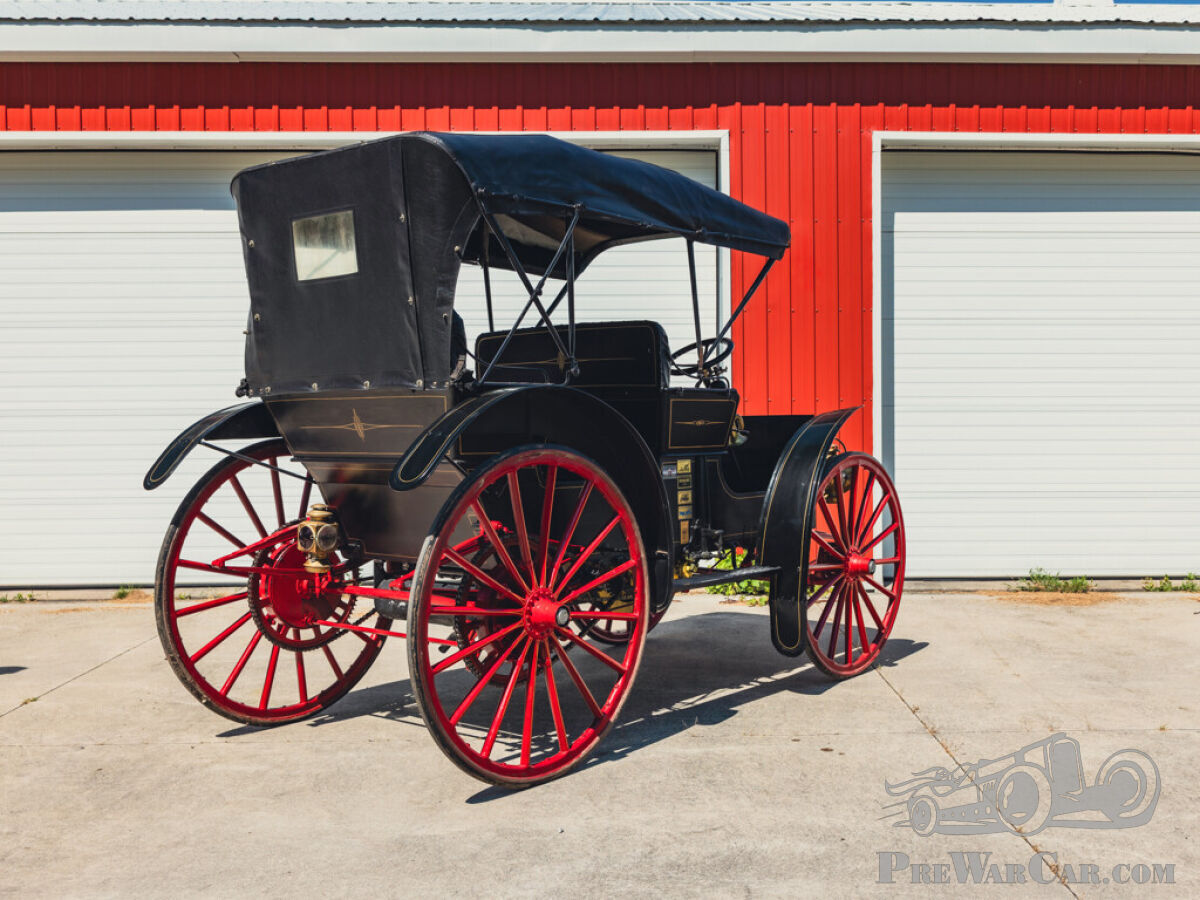
This 1908 Auto Buggy’s documented history dates to the late 1950s, when Einar T. Hansen relocated from Milwaukee, Wisconsin, to Lamar, Missouri, and helped his coworker, Jerry Shaw, then owner of the Auto Buggy, get it up and running in time for the Barton County Fair parade in September 1959. “The first time it was out, it had no fenders, no lights, no top, and it ran poorly. But we used it anyway and had a lot of fun with it,” Hansen wrote in a 25-page essay chronicling the car’s history, maintenance, and operating procedures in intimate and exhaustive detail. By the time he acquired the high-wheeler from Shaw, circa 1961, it had gained lights and fenders. Hansen would install a top himself, rebuild the engine, and systematically refurbish other components while thoroughly enjoying the Auto Buggy at numerous local parades and Horseless Carriage Club of America events over the years, “always dressed in costume,” as shown in historical photos and news clippings on file.
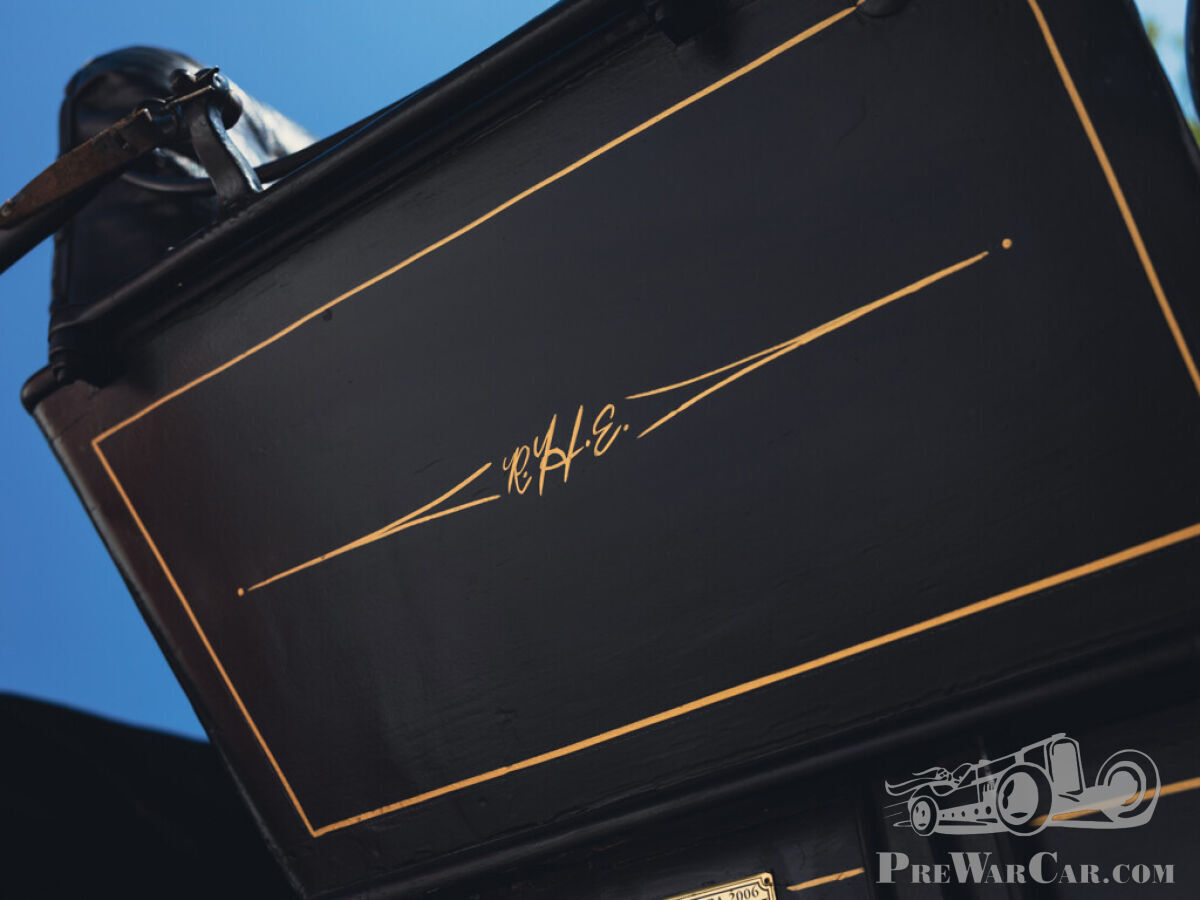
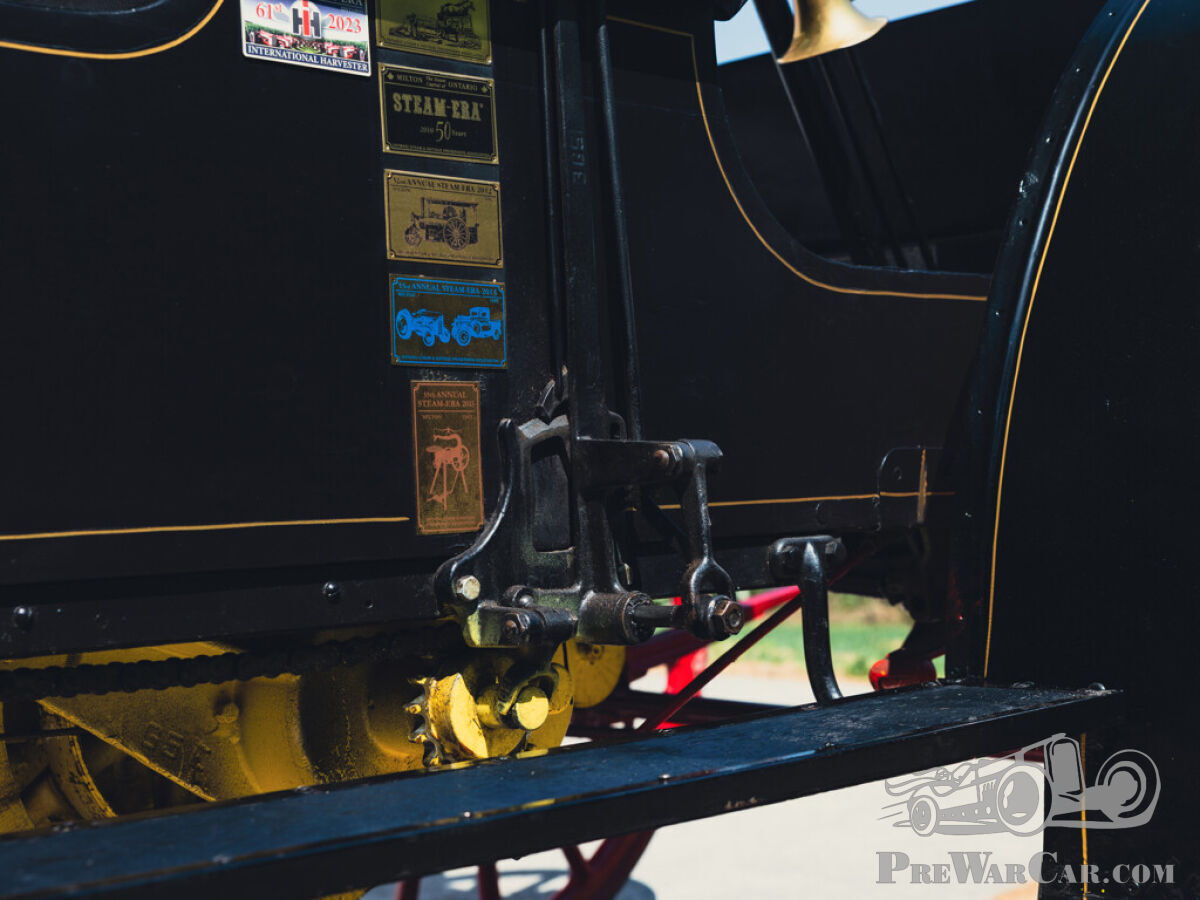
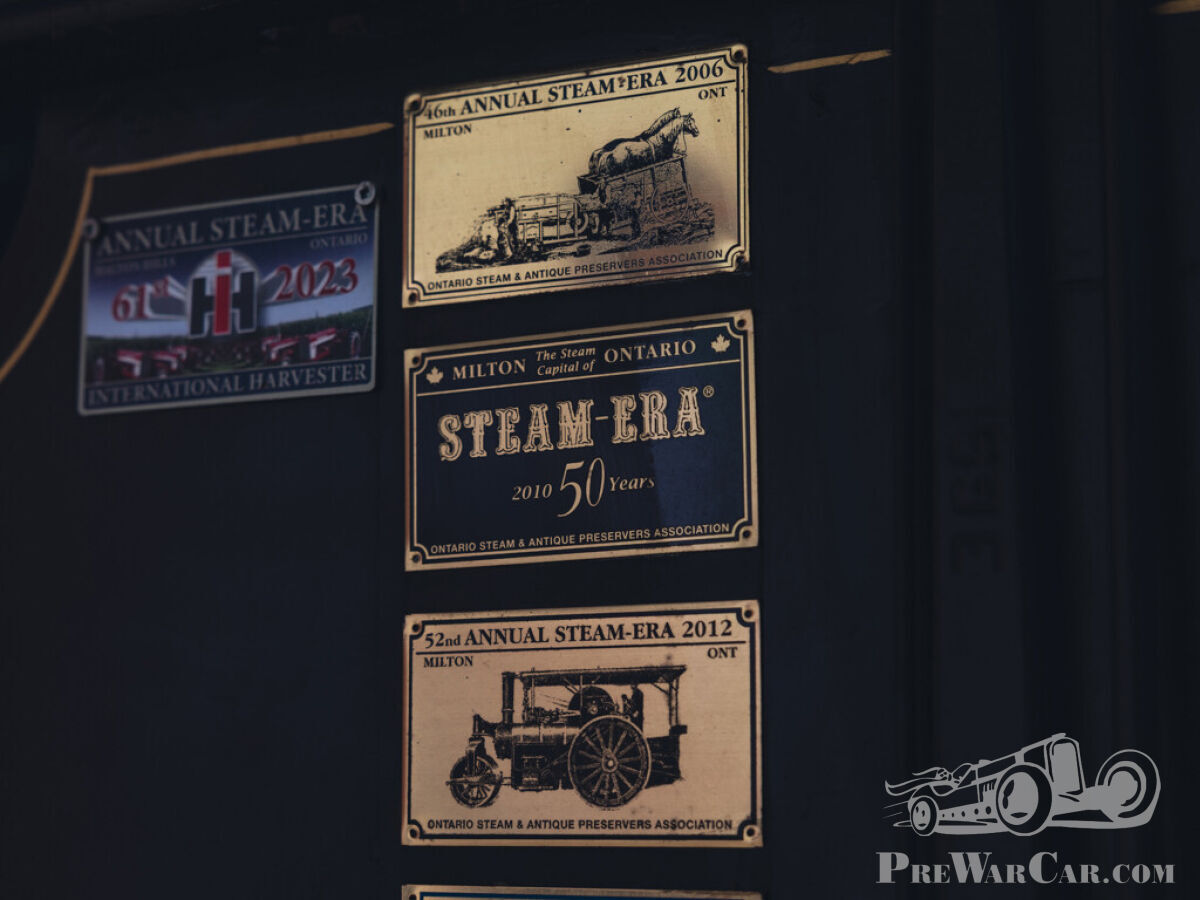
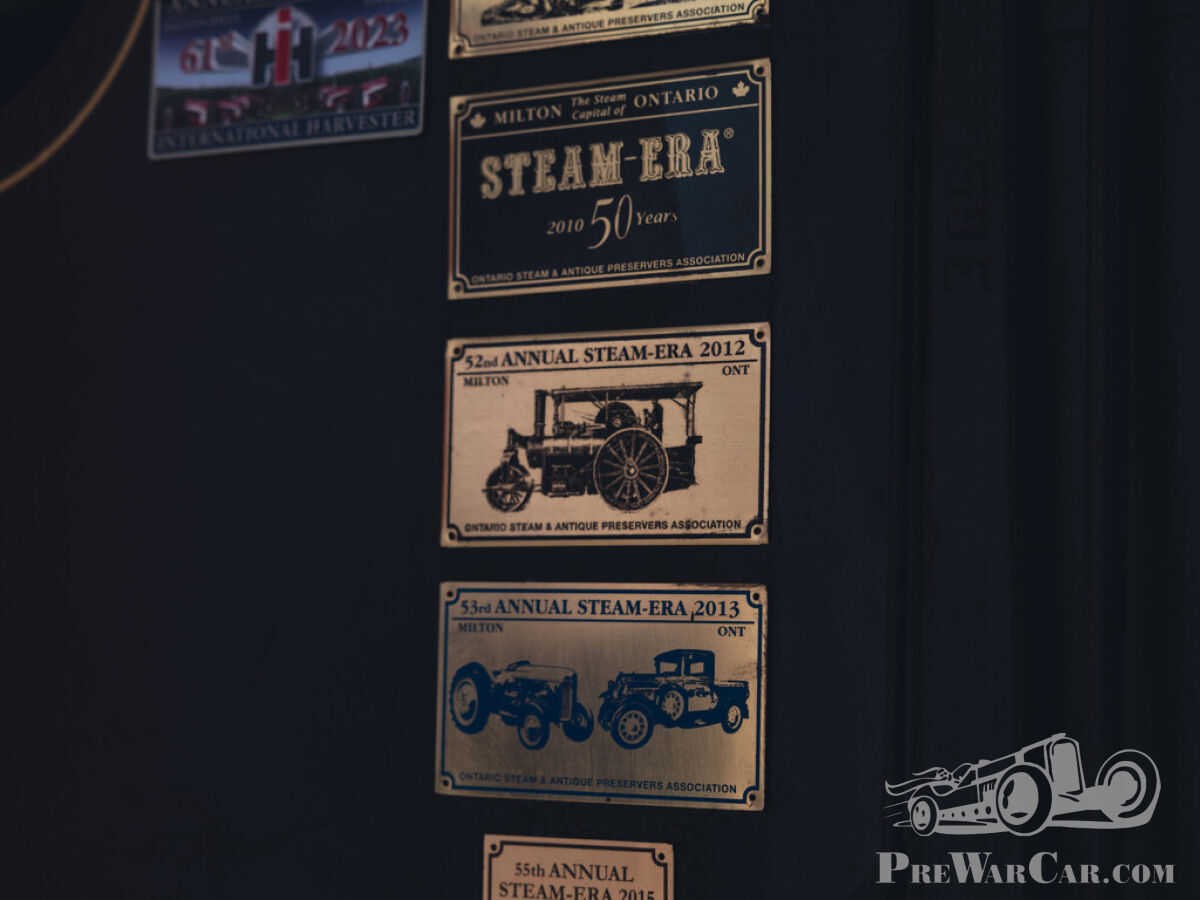
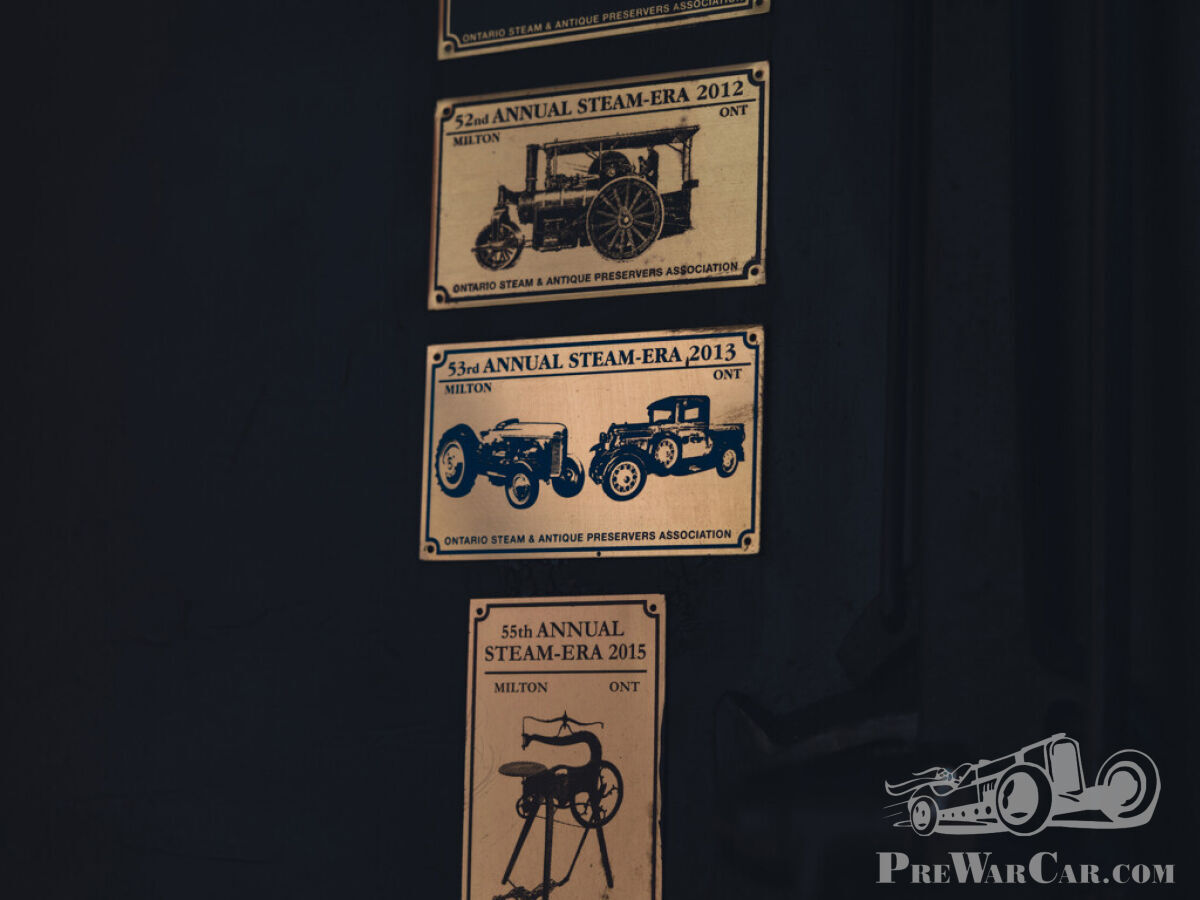
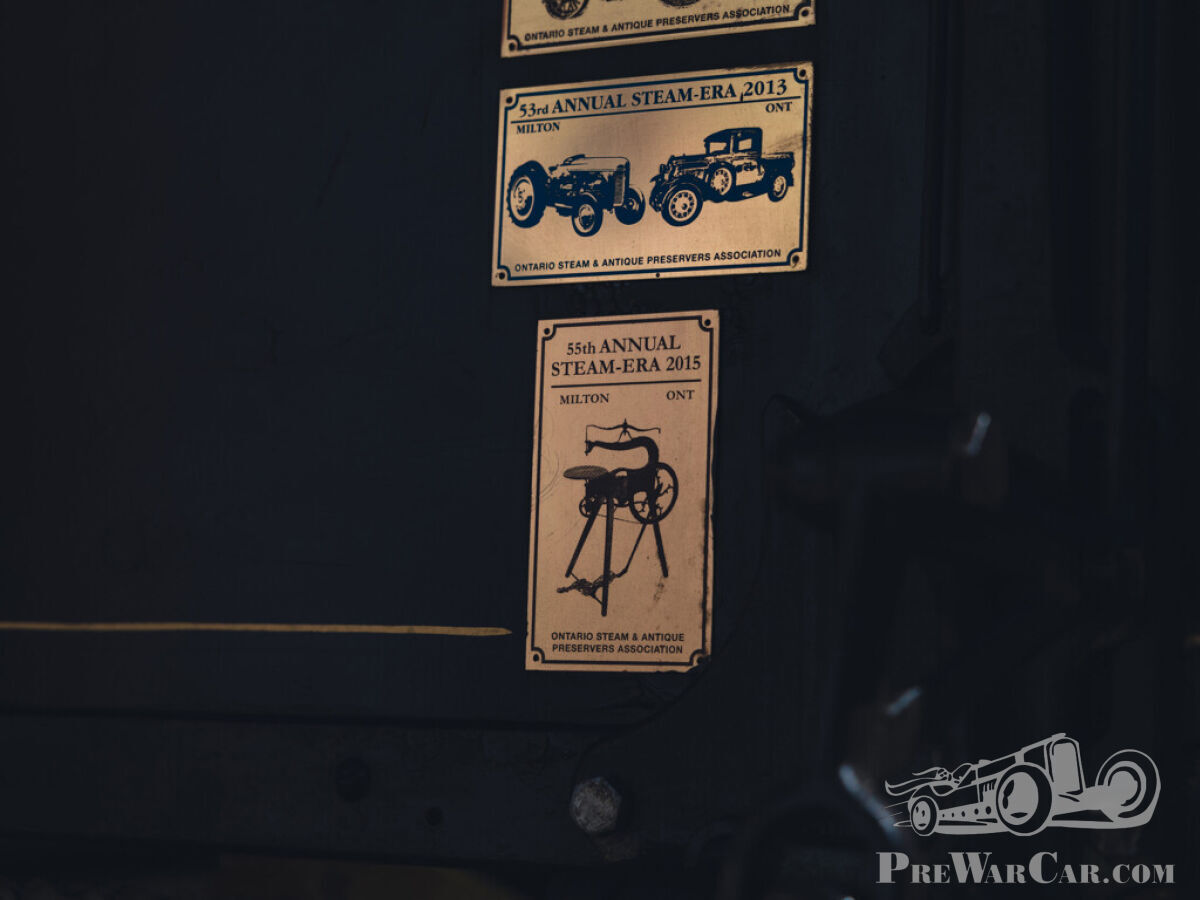
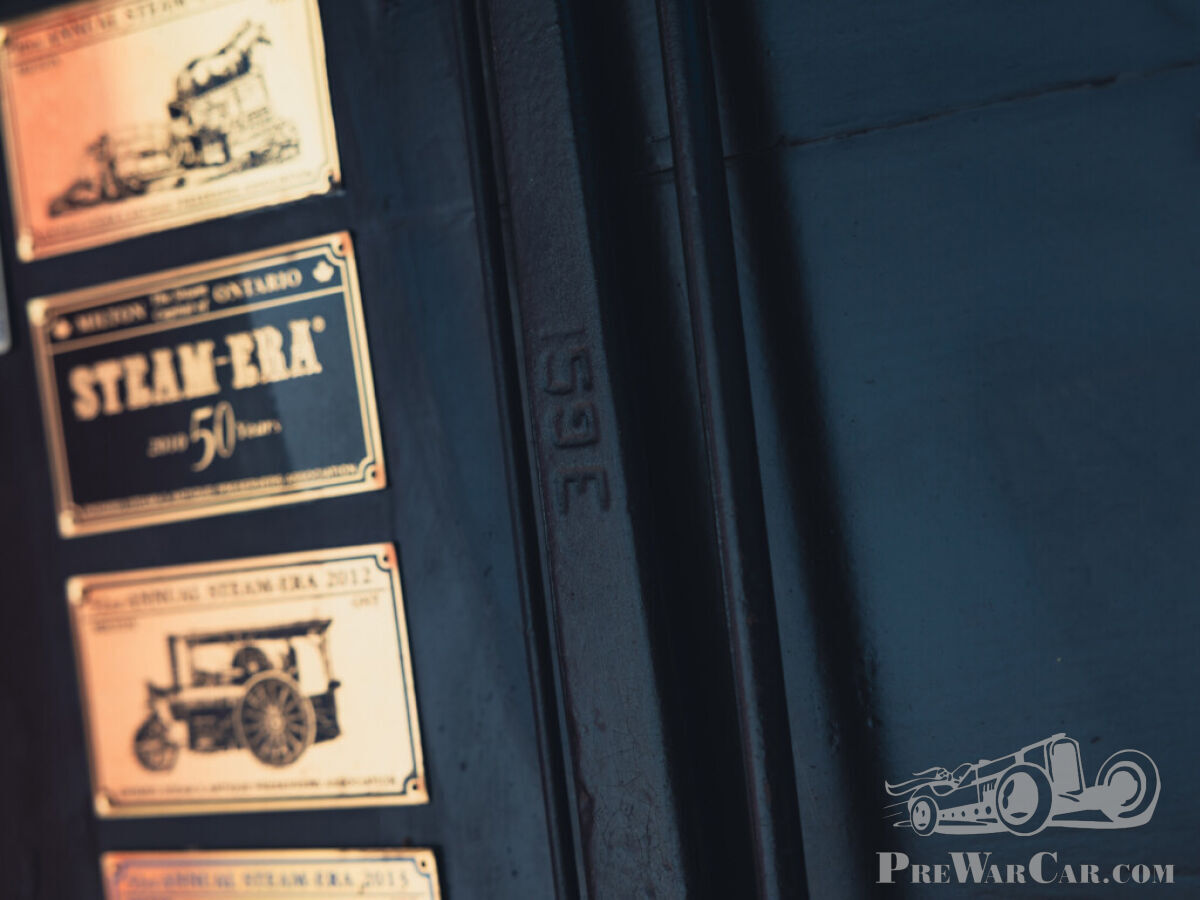
Hansen parted with his beloved Auto Buggy in the early eighties, after which it entered The Hadfield Family Collection in 1991, acquired from James Armstrong of Pittsburg, Kansas. Much as Hansen did, Roger Hadfield enjoyed putting the high-wheeler through its paces at parades and events, including Ontario Steam & Antique Preservers shows, as documented in clippings from Old Autos and various plaques affixed to the car’s bodywork, dating from 2006 to 2023.
Thoroughly enjoyed throughout its life and of great historical importance as a fascinating bridge between horse-drawn and automotive transport, this rare, well-loved Auto Buggy from the very earliest days of International Harvester automobile production beckons for its next proud caretaker to continue its legacy as a welcome fixture at local events.
To view this car and others currently consigned to this auction, please visit the RM website at rmsothebys.com/auctions/hf26/.
- Rare, historically significant “high-wheeler” from the second year of production
- International’s first automobile, precursor to its renowned commercial trucks
- Powered by an air-cooled two-cylinder engine with two-speed planetary transmission
- Documented history since 1959; joined The Hadfield Family Collection in 1991
- Thoroughly enjoyed at HCCA and other events for decades
- Accompanied by historic photos, correspondence, and other documents
In 1902, McCormick Harvesting Machine Company merged with Deering Harvester Company and three other smaller agricultural equipment firms to form International Harvester, one of the largest conglomerates of its day, benefiting from a vast distribution network spurred by burgeoning railways and financial backing from influential banker J.P. Morgan. The company’s foray into automobile production focused on its core customer: farmers. The Auto Buggy that emerged in 1907 from International’s McCormick Works in Chicago closely resembled horse-drawn carriages, with its wood body, open seating, and large, artillery-style, spoked wheels shod in solid rubber, and a track designed to fit the well-worn ruts of America’s rural dirt roads. Unlike other early automobiles with more stylish and elaborate designs geared toward city driving, the Auto Buggy was purposefully dowdy and utilitarian—“A Thoroughly Reliable Common-Sense Machine,” as period sales brochures proclaimed. Forty-inch front and 44-inch rear wheels kept it moving through mud deep enough to bury the axles of smaller-wheeled vehicles and gave rise to the moniker “high-wheeler.”
A 14-horsepower, two-cylinder horizontally opposed air-cooled four-stroke engine drove the rear wheels through a two-speed planetary transmission and dual chain drive. Top speed was around 20 mph. Initially available in two- and four-seat configurations, the Auto Buggy was incredibly robust, reliable, and easy to repair—exactly what farmers needed. With the first 100 completed in Chicago by October 1907, production shifted to a newly converted factory in Akron, Ohio, that introduced standardized components and manufacturing processes to keep pace with brisk demand. The Auto Buggy would cease production in 1911, supplanted by the far more popular Auto Wagon, first introduced in 1908 and the precursor to the commercial trucks that International would later produce in droves.
This 1908 Auto Buggy’s documented history dates to the late 1950s, when Einar T. Hansen relocated from Milwaukee, Wisconsin, to Lamar, Missouri, and helped his coworker, Jerry Shaw, then owner of the Auto Buggy, get it up and running in time for the Barton County Fair parade in September 1959. “The first time it was out, it had no fenders, no lights, no top, and it ran poorly. But we used it anyway and had a lot of fun with it,” Hansen wrote in a 25-page essay chronicling the car’s history, maintenance, and operating procedures in intimate and exhaustive detail. By the time he acquired the high-wheeler from Shaw, circa 1961, it had gained lights and fenders. Hansen would install a top himself, rebuild the engine, and systematically refurbish other components while thoroughly enjoying the Auto Buggy at numerous local parades and Horseless Carriage Club of America events over the years, “always dressed in costume,” as shown in historical photos and news clippings on file.
Hansen parted with his beloved Auto Buggy in the early eighties, after which it entered The Hadfield Family Collection in 1991, acquired from James Armstrong of Pittsburg, Kansas. Much as Hansen did, Roger Hadfield enjoyed putting the high-wheeler through its paces at parades and events, including Ontario Steam & Antique Preservers shows, as documented in clippings from Old Autos and various plaques affixed to the car’s bodywork, dating from 2006 to 2023.
Thoroughly enjoyed throughout its life and of great historical importance as a fascinating bridge between horse-drawn and automotive transport, this rare, well-loved Auto Buggy from the very earliest days of International Harvester automobile production beckons for its next proud caretaker to continue its legacy as a welcome fixture at local events.
To view this car and others currently consigned to this auction, please visit the RM website at rmsothebys.com/auctions/hf26/.
Plus d'annonces dans cette vente
-
 1894 Silsby/American LaFrance Fourth-Size Steam Pumper | RM Sotheby's | The Hershey Auction
-
 1930 Ahrens-Fox Model M-X-2 Pump and Hose Car | RM Sotheby's | The Hershey Auction
-
 1936 Cadillac Series 60 Convertible Coupe | RM Sotheby's | The Hershey Auction
-
 1940 Buick Super Convertible Coupe | RM Sotheby's | The Hershey Auction
Plus d’annonces de ce revendeur professionnel
-
 1939 Mercury Eight Convertible Hot Rod | RM Sotheby's | The Hershey Auction
-
 1936 Cord 810 Supercharged Phaeton | RM Sotheby's | The Hershey Auction
-
 1935 Auburn 851 Supercharged Speedster | RM Sotheby's | The Hershey Auction
-
 1934 LaSalle Series 50 Convertible Coupe | RM Sotheby's | The Hershey Auction
Annonces similaires International Auto Buggy 1908 a vendre
 1906 Renault AH 4 cylinder
 Pur Sang Grandprix Mercedes
 1910 Stevens-Duryea Model XXX Runabout Roadster | RM Sotheby's | The Hershey Auction
 Albions car/ truck. two cylinder 16hp

Utilisateur:
Enchères:
Date:
07-10-2026
Location:
Partager:
Facebook
LinkedIn
Twitter
WhatsApp
Email
Copy
Détails International Auto Buggy 1908 a vendre
Année:
Marque:
Type:
Auto Buggy
Prix:
Estimation $ 26.880,- - $ 26.880,-
Identifiant de l’annonce:
911372
Lien Web:





- A.C.
- Albert
- Albion
- Allard
- Alldays
- Alta
- Alvis
- Arab
- Ariel
- Armstrong Siddeley
- Arrol-Johnston
- Aston Martin
- Atalanta
- Austin
- Autovia
- BSA
- Bat
- Bean
- Beardmore
- Bedford
- Beeston
- Belsize
- Bentley
- Beverley Barnes
- British Salmson
- Briton
- Brough Superior
- Calcott
- Calthorpe
- Century
- Chater Lea
- Clyno
- Coventry-Premier
- Crossley
- Cubitt
- Dennis
- E.R.A.
- English Mechanic
- Frazer Nash
- G.N.
- G.W.K.
- Gwynne
- H.E.
- H.R.G.
- Hillman
- Humber
- Imperial
- International
- Invicta
- Jackson
- Jaguar SS
- Jensen
- Jowett
- Lagonda
- Lanchester
- Lea Francis
- Leyland
- MG
- Marendaz
- Maudslay
- Maxim
- Morgan
- Morris
- Napier
- New Carden
- Phoenix
- Premier
- Railton
- Raleigh
- Raymond Mays
- Riley
- Rolls-Royce
- Rover
- Santler
- Siddeley
- Singer
- Standard
- Star
- Straker-Squire
- Sunbeam
- Surrey
- Swift
- Talbot
- Thornycroft
- Triumph
- Trojan
- Vauxhall
- Victor
- Vulcan
- Waverley
- Wolseley (-Siddeley)
Autre(s) Britanique Voitures à vendre
Voiture International Auto Buggy 1908 a vendre

Contacter Utilisateur