Brooklands, 1930. A muddy circuit somewhere in the English shires, or perhaps a dusty oval in Indiana. Men in tweed jackets and leather helmets, goggles over their eyes, a cigarette dangling from the corner of the mouth as they crank the starting handle to wake a stubborn straight-six into life. No roll cages, no belts, no aerodynamics that make any sense. Just a long bonnet, two narrow tyres up front and a straight exhaust that, with every blip of the throttle, produced a noise loud enough to wake the neighbours three villages away. That was racing in the prewar era. Raw, romantic and downright deadly.
Back then a car was not yet a sealed cocoon with heated seats and a screen telling you when to go to bed. A racing car was a frame, an engine, a steering wheel and a great deal of nerve. The driver sat on top of the whole thing, not inside it. And when it went wrong, it went thoroughly wrong. We are talking about the generation for whom the word 'safety margin' had yet to be invented. My grandfather, who later ran the Alfa dealership on Heilooërdijk, used to tell stories about machines like these with a glint in his eye that I only understood much later.
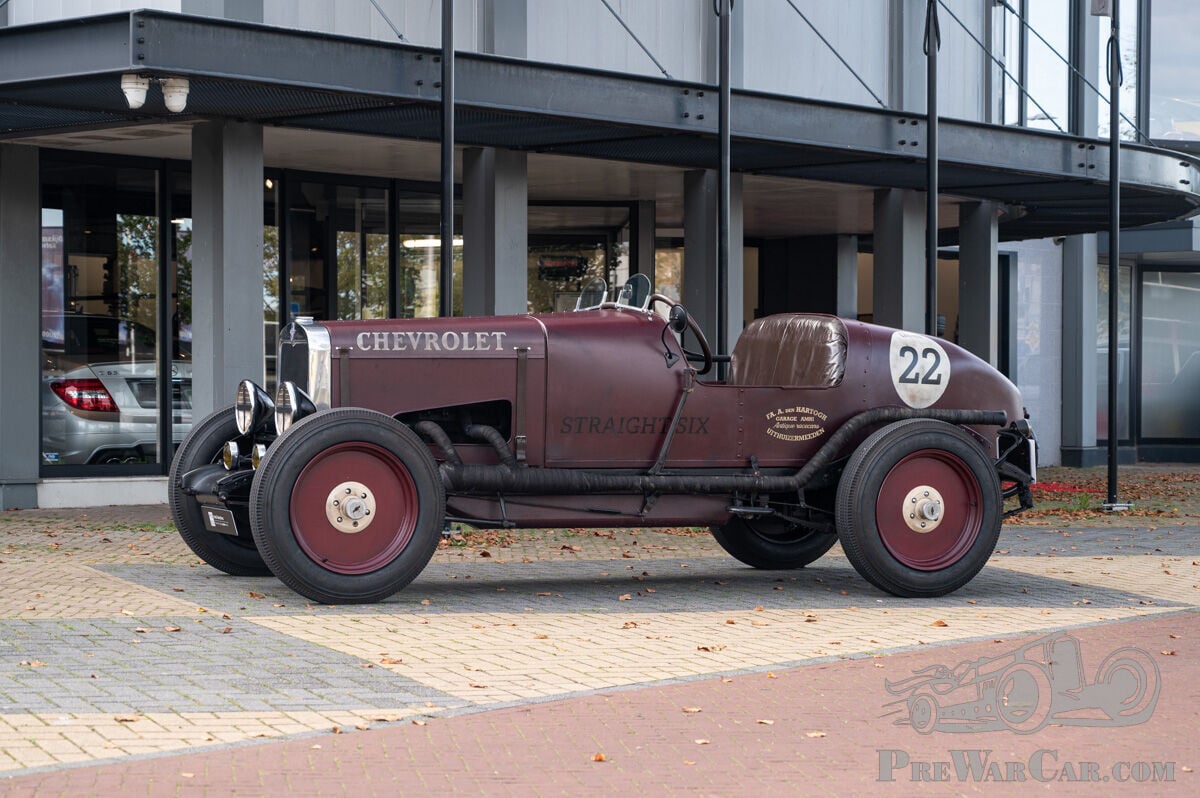
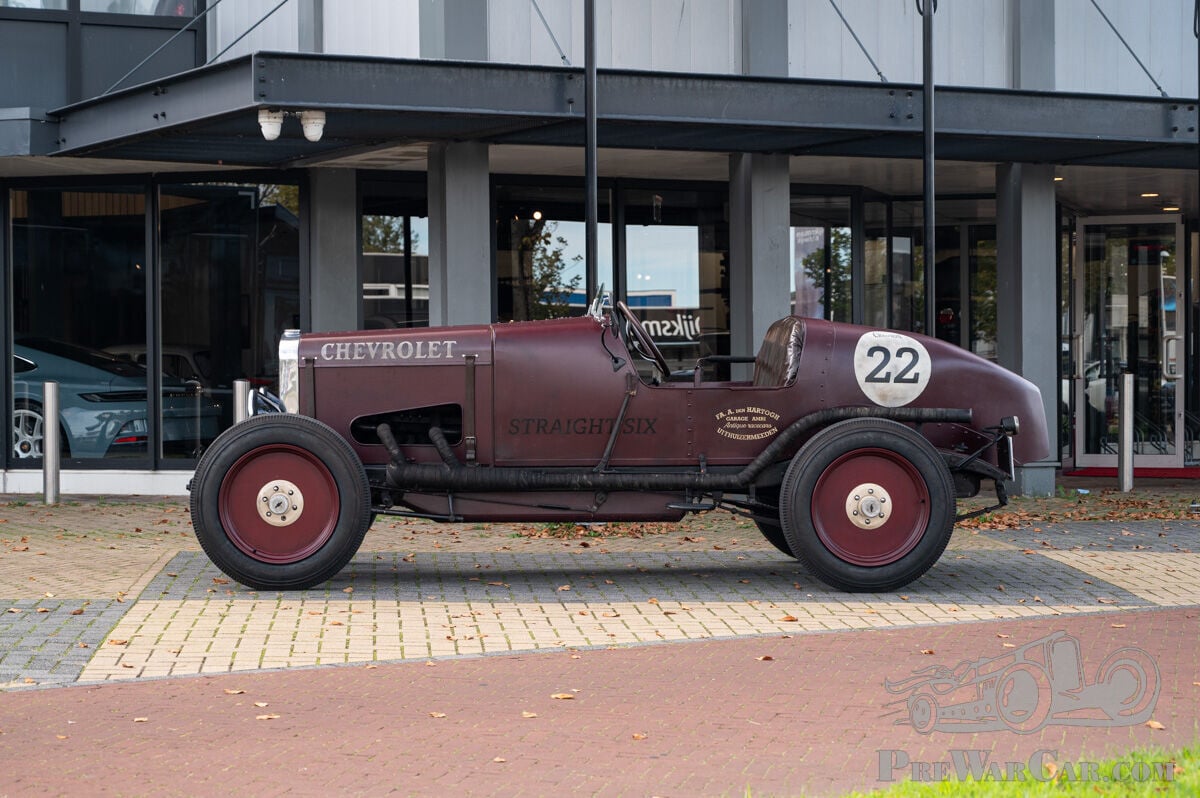
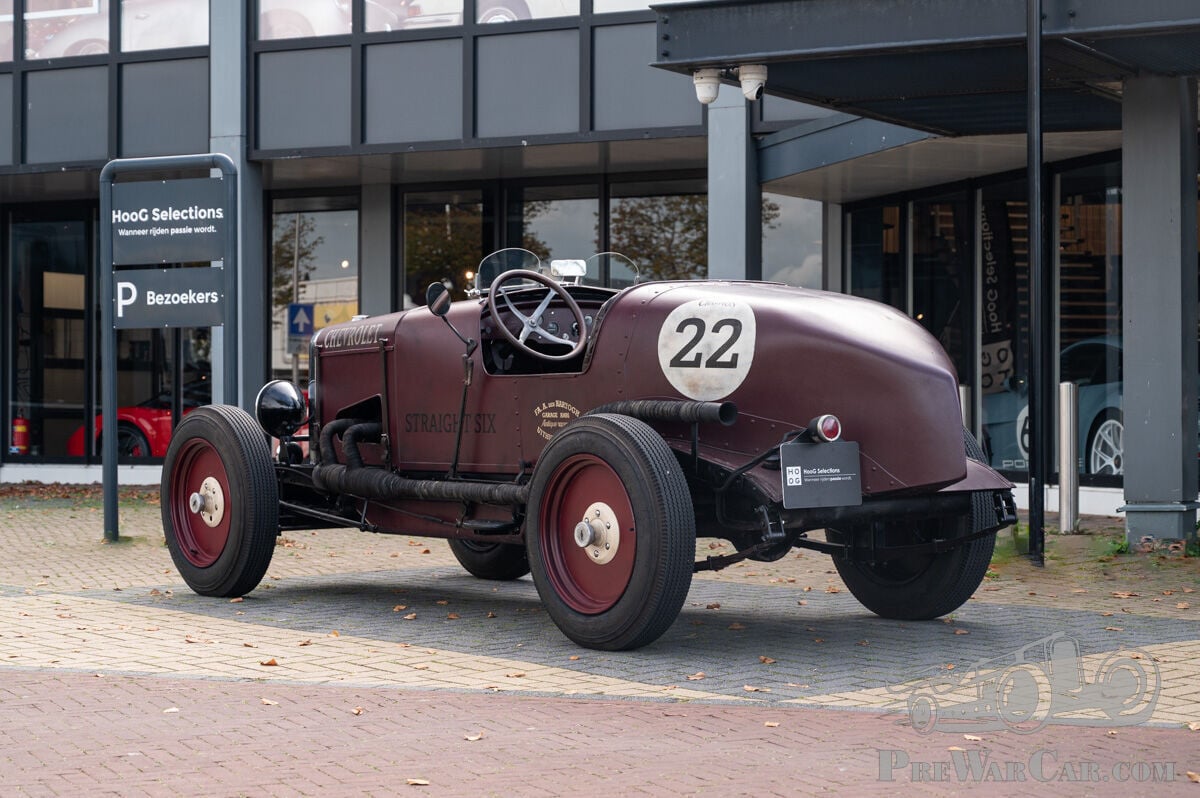
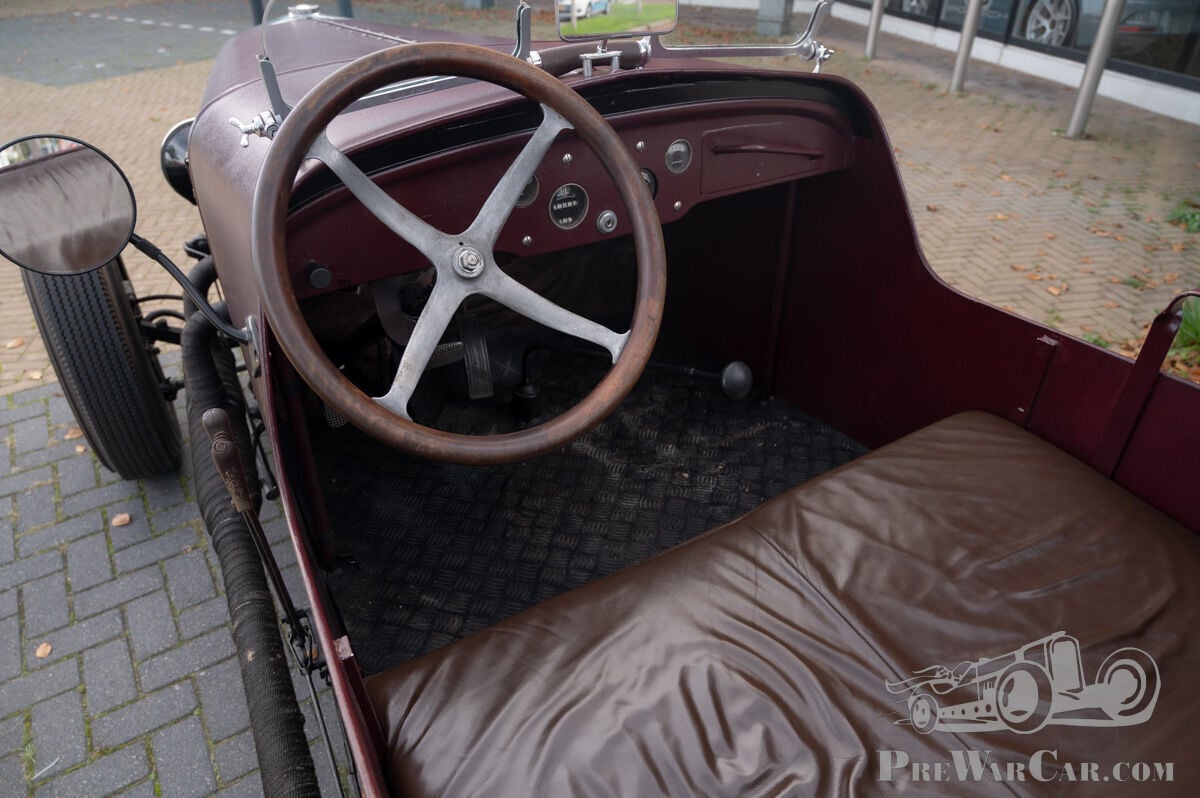
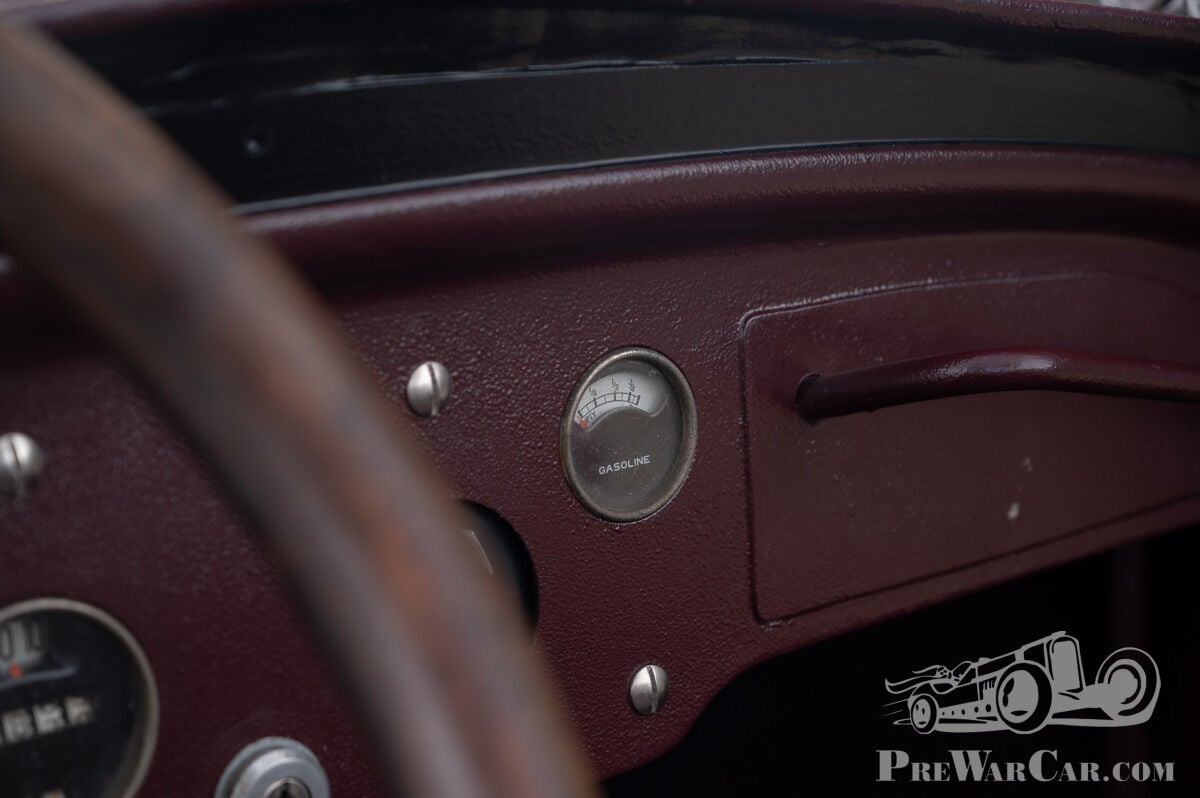
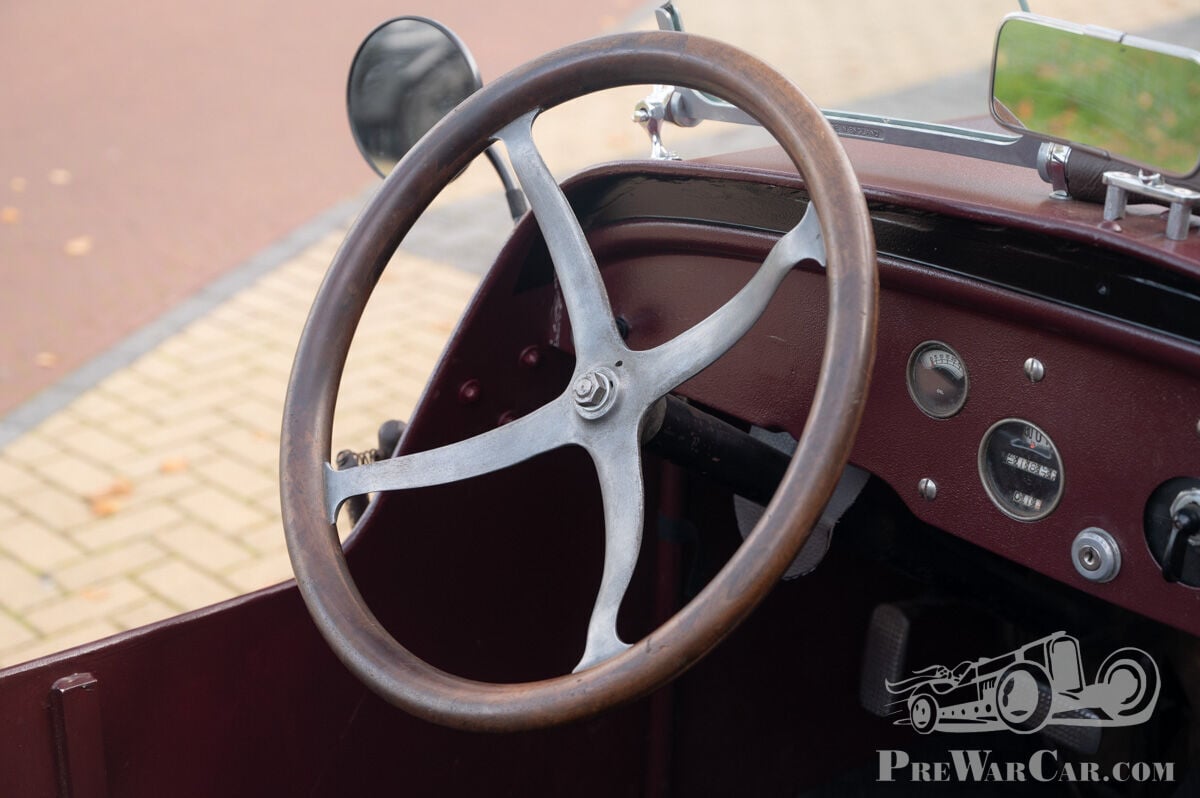
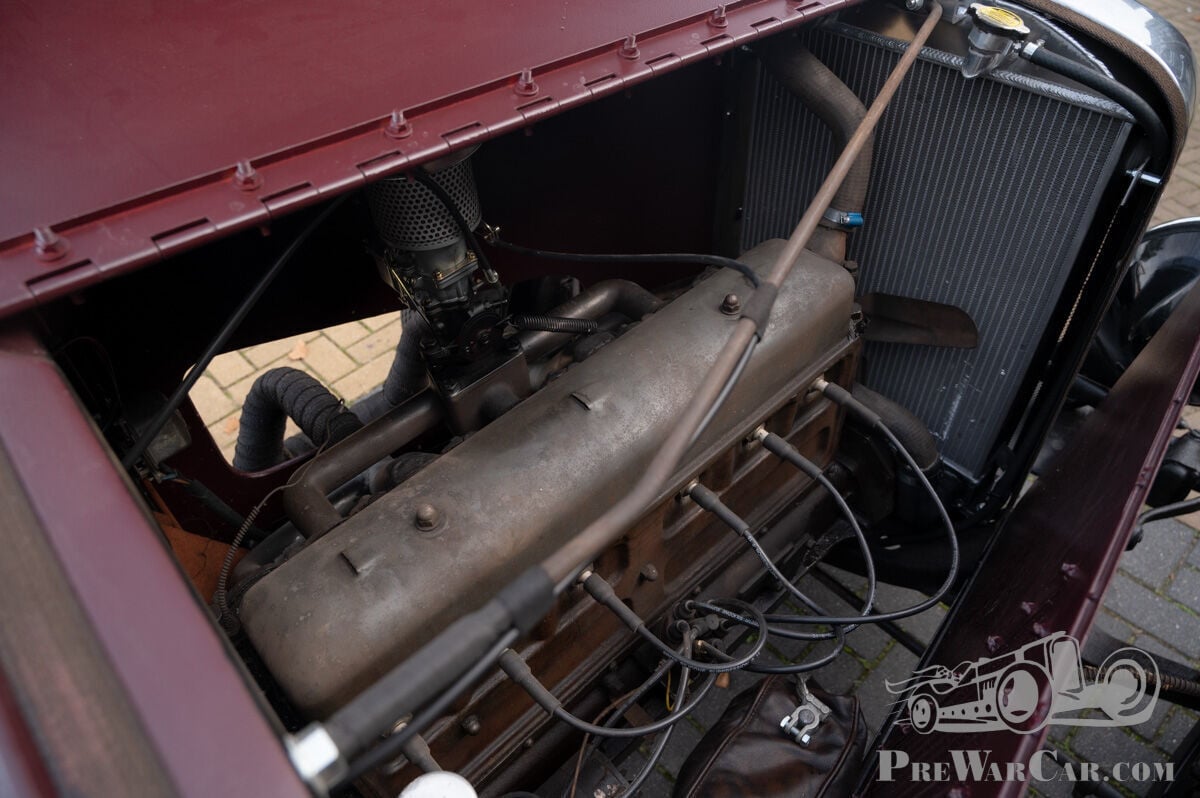
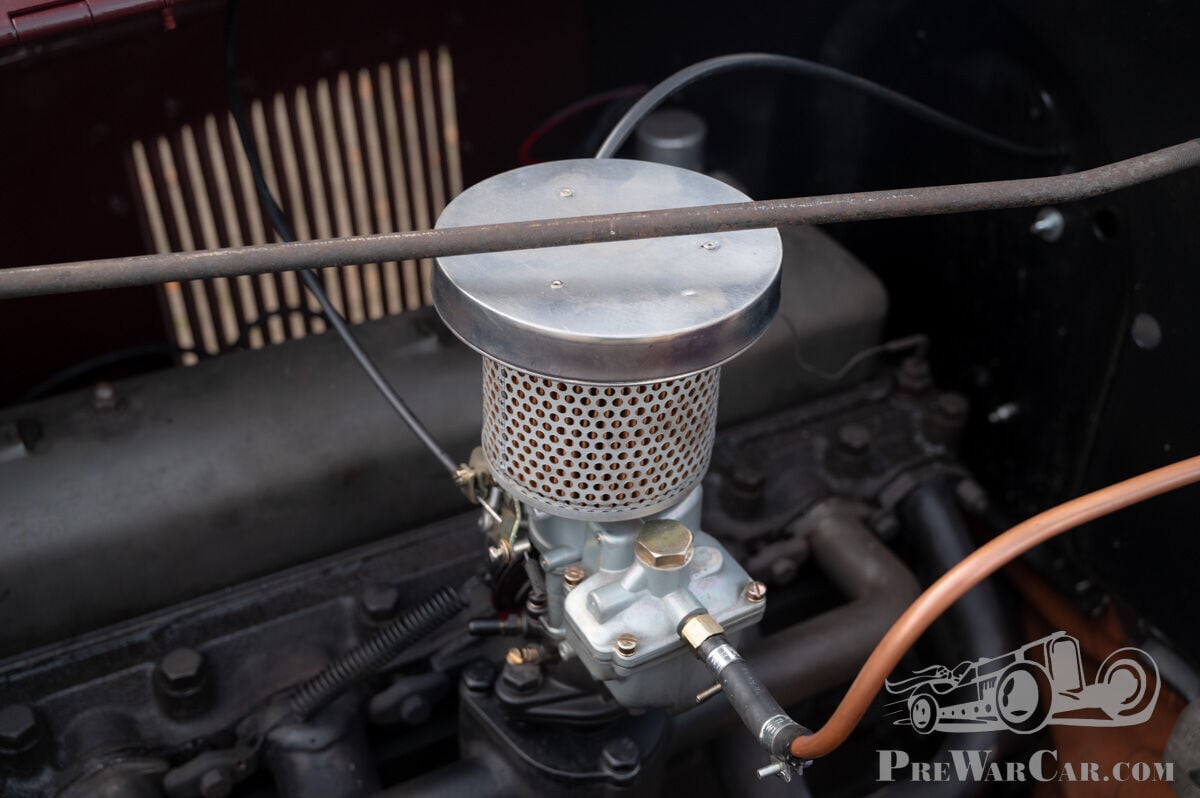
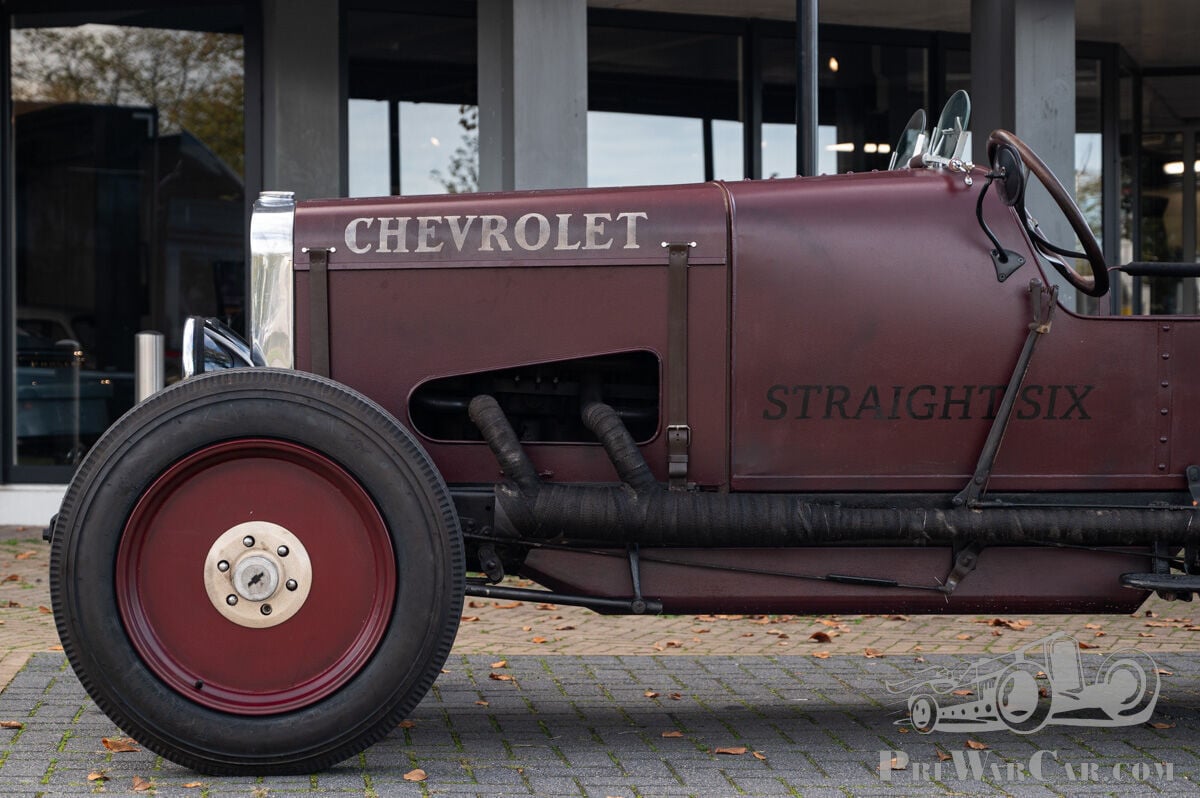
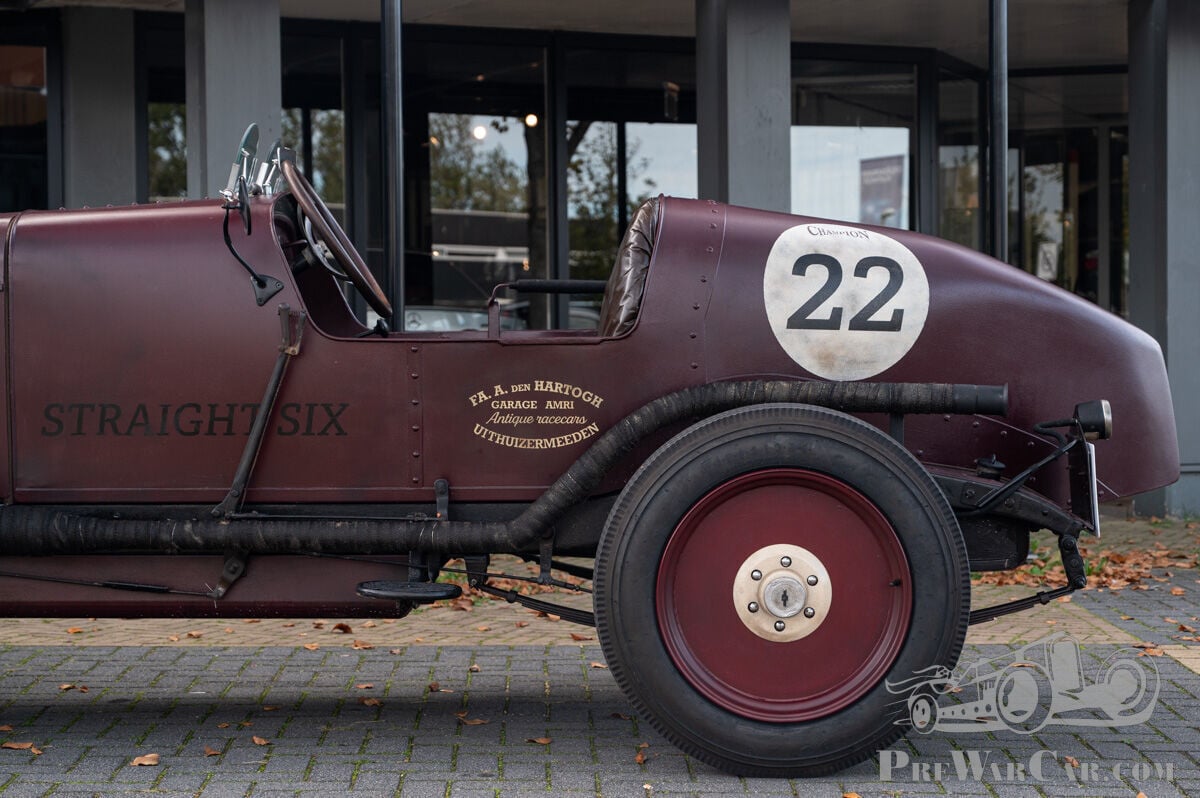
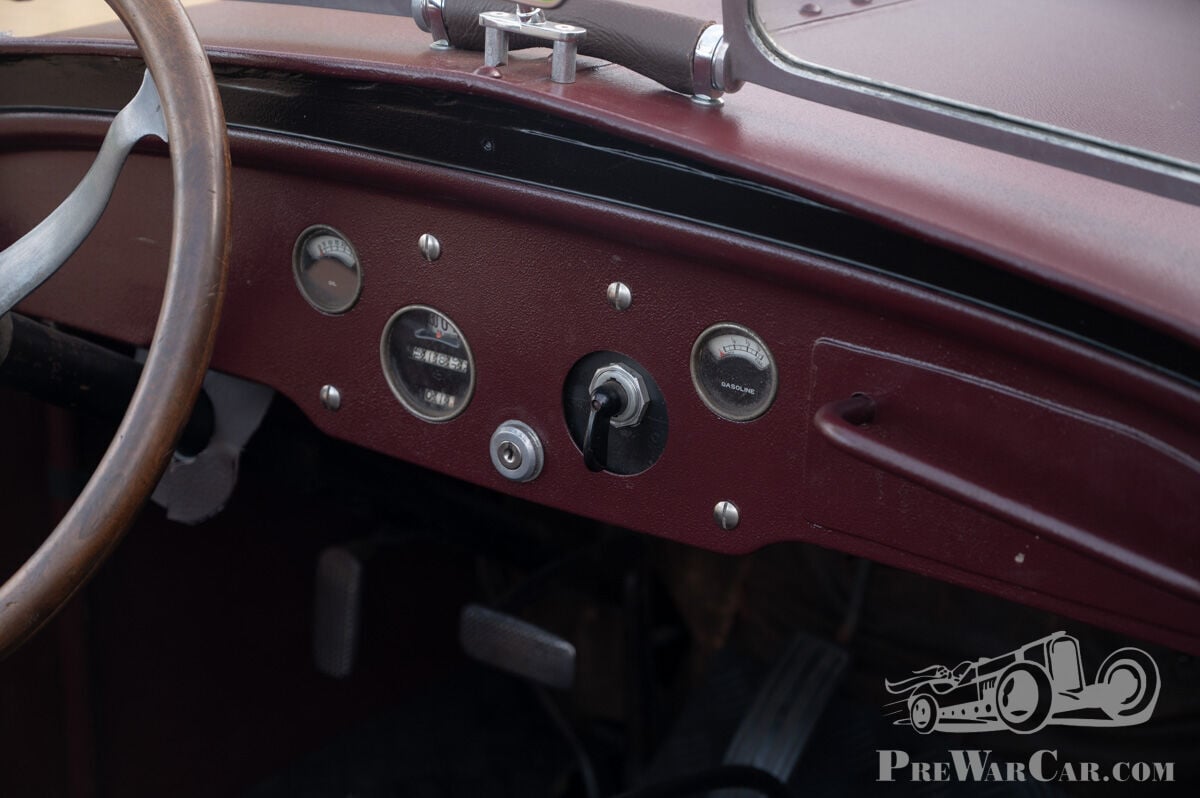
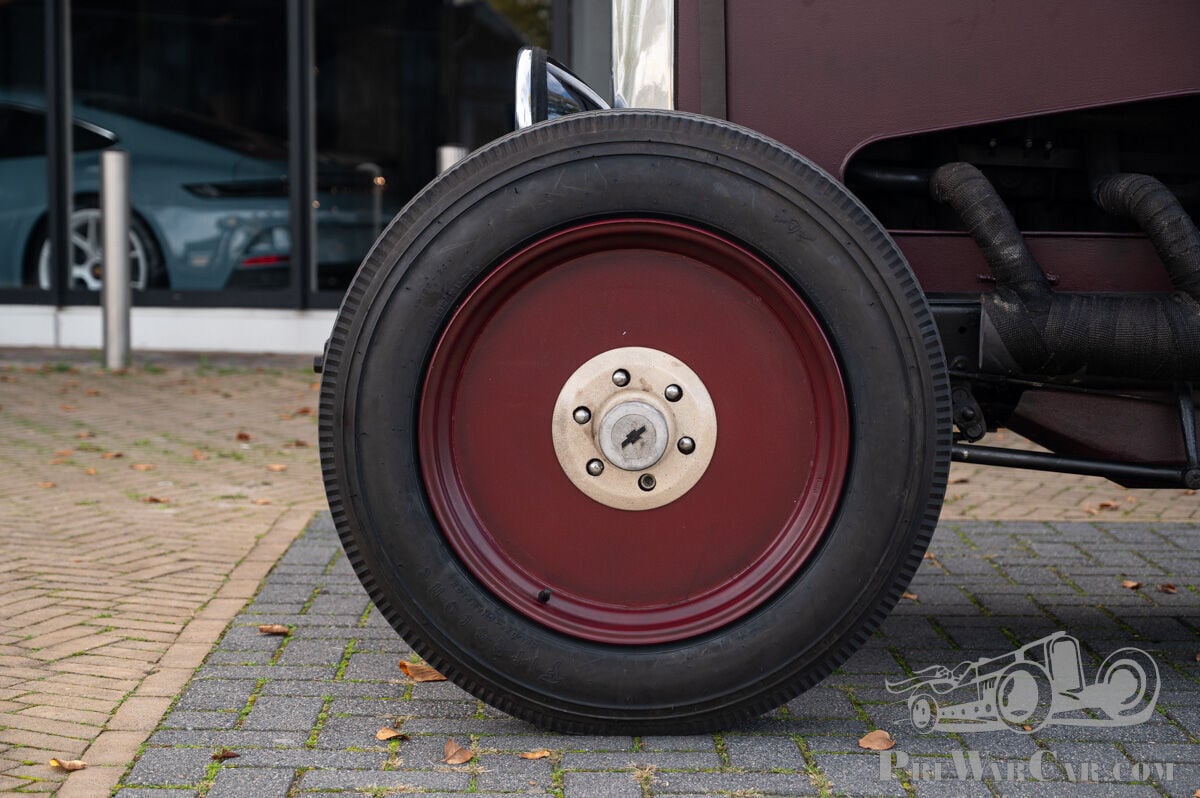
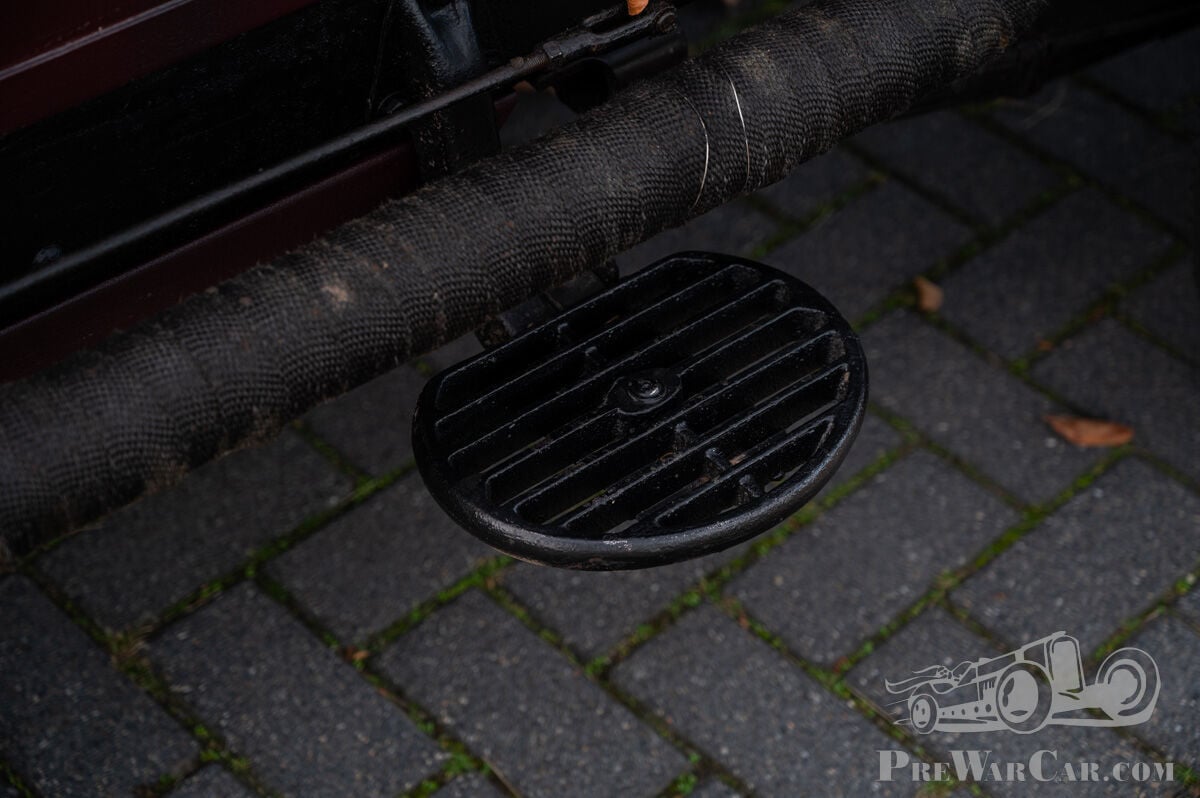
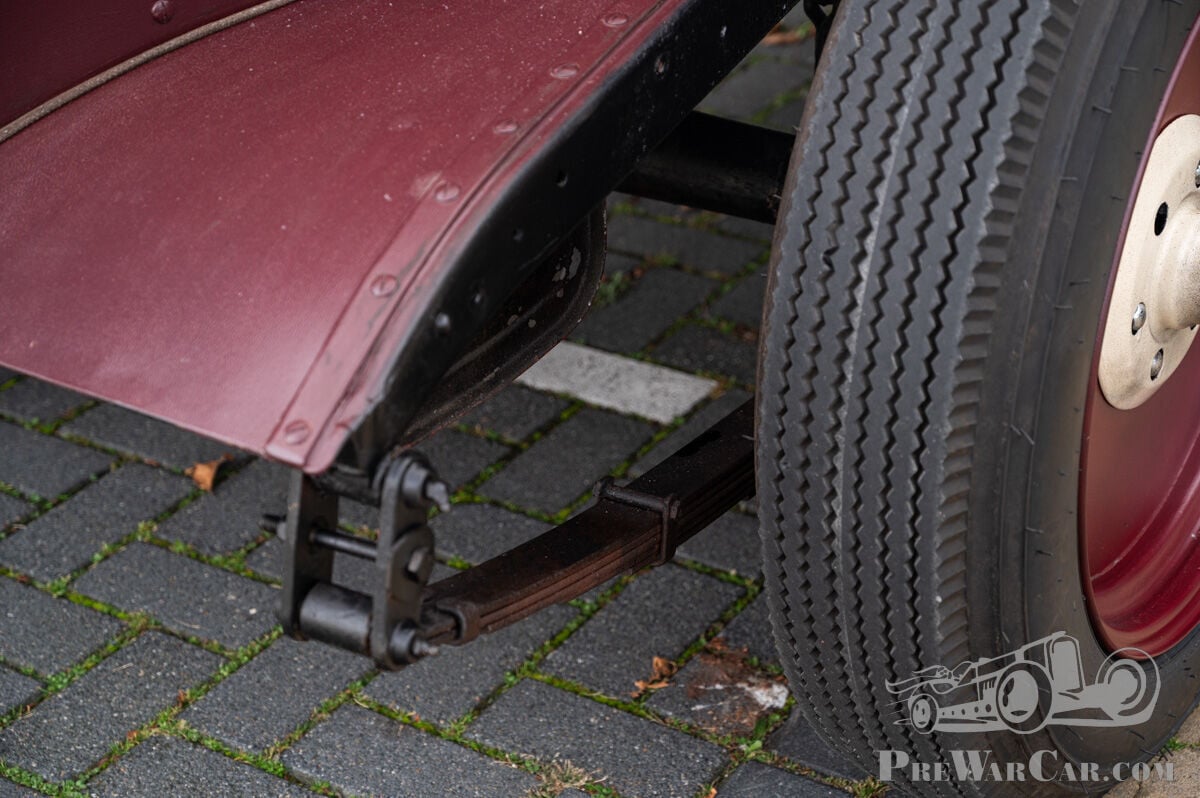
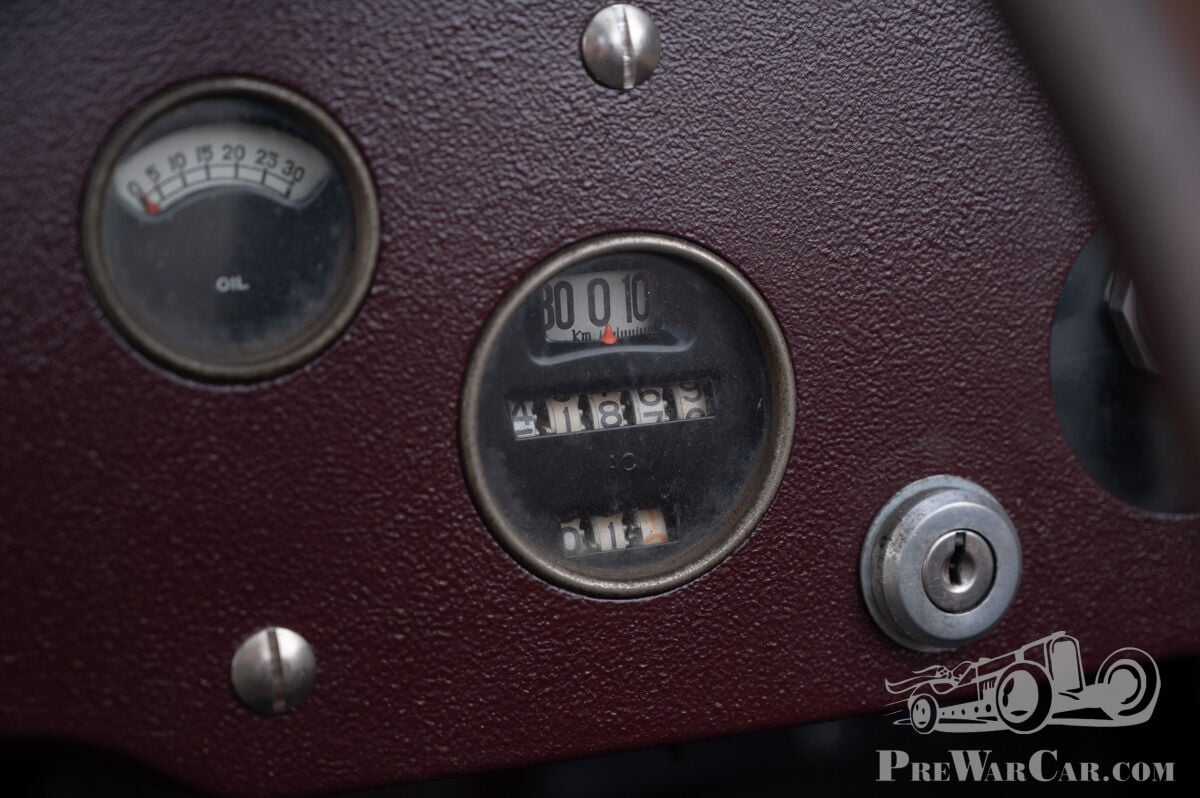
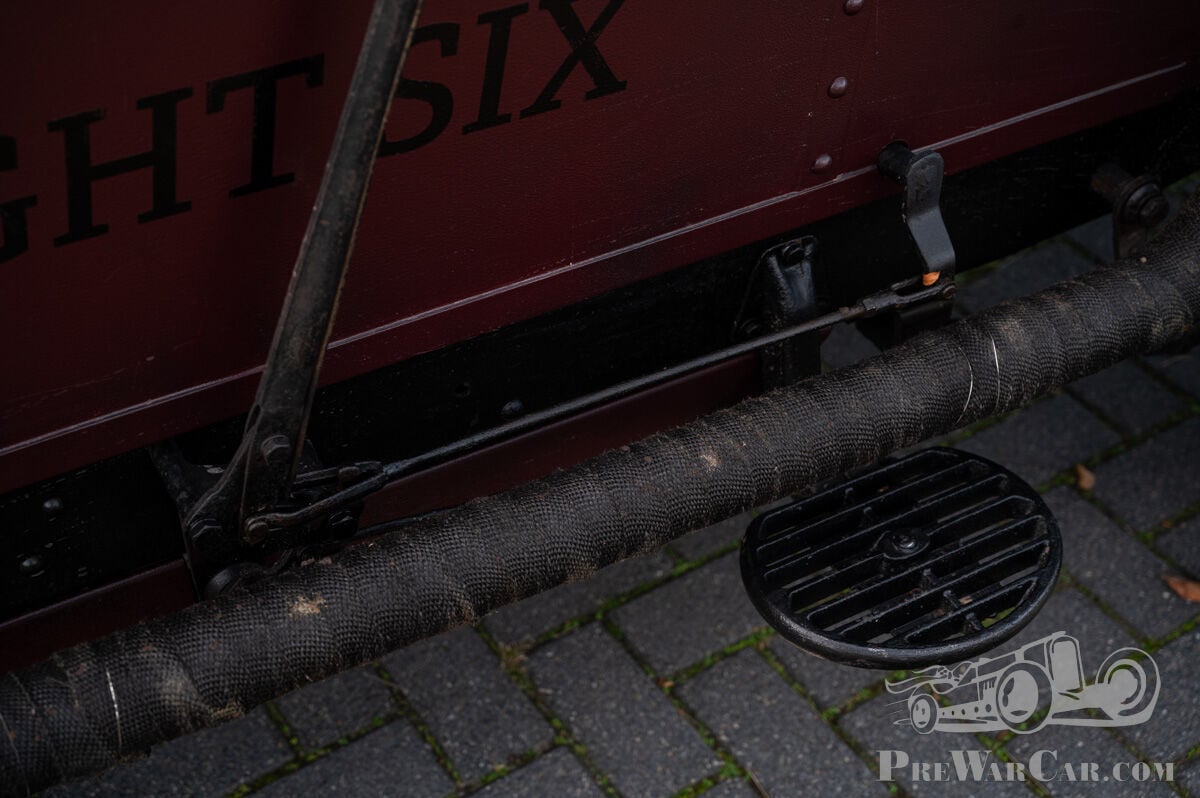
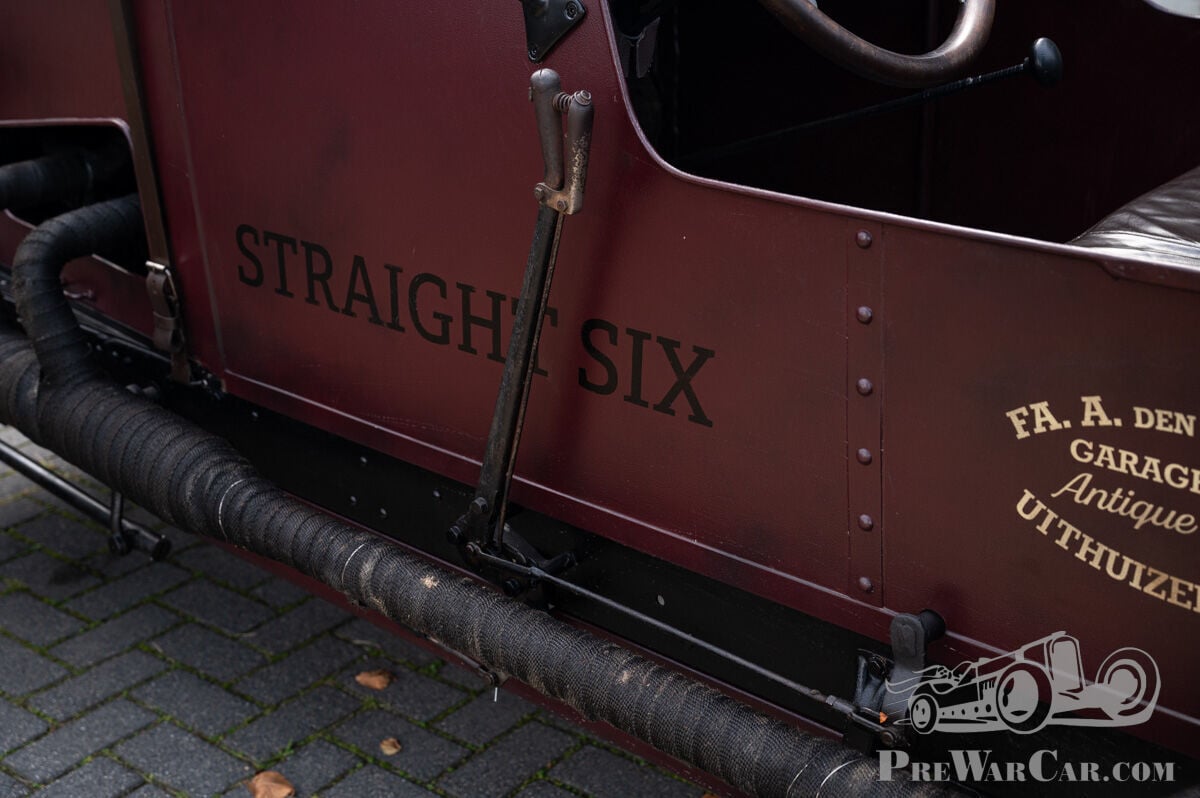
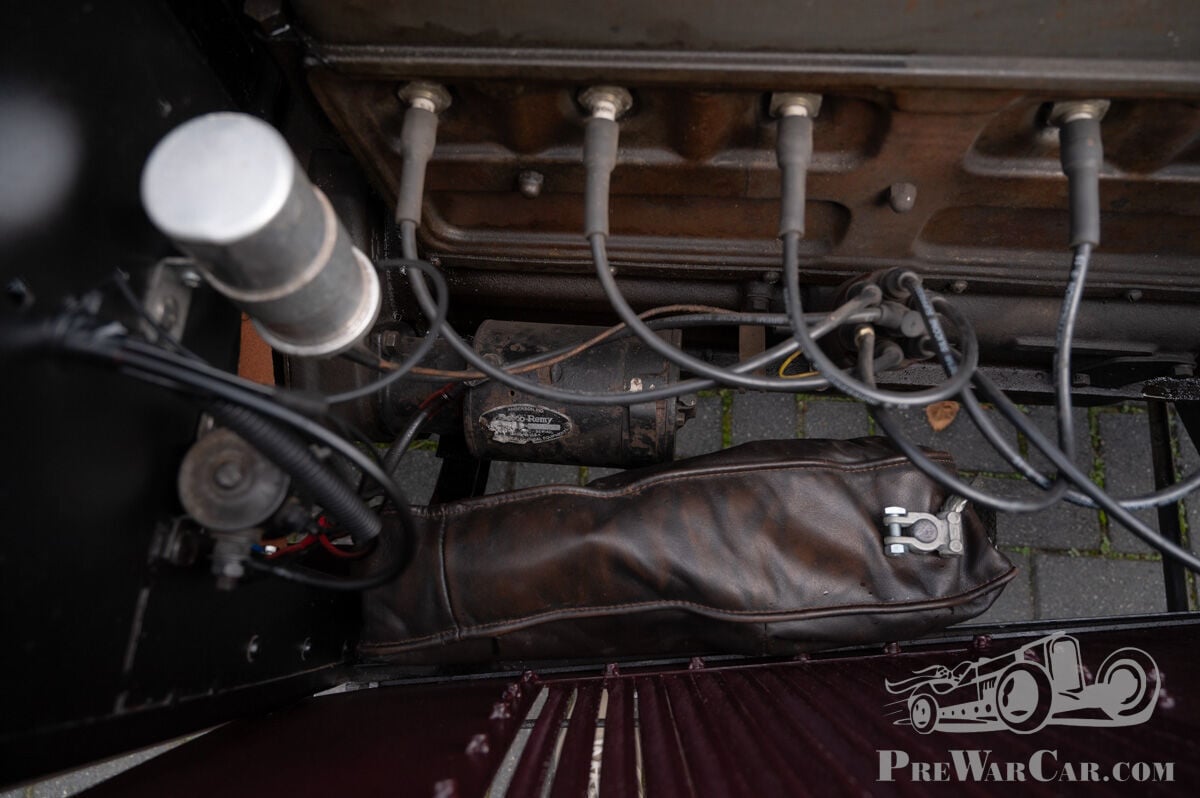
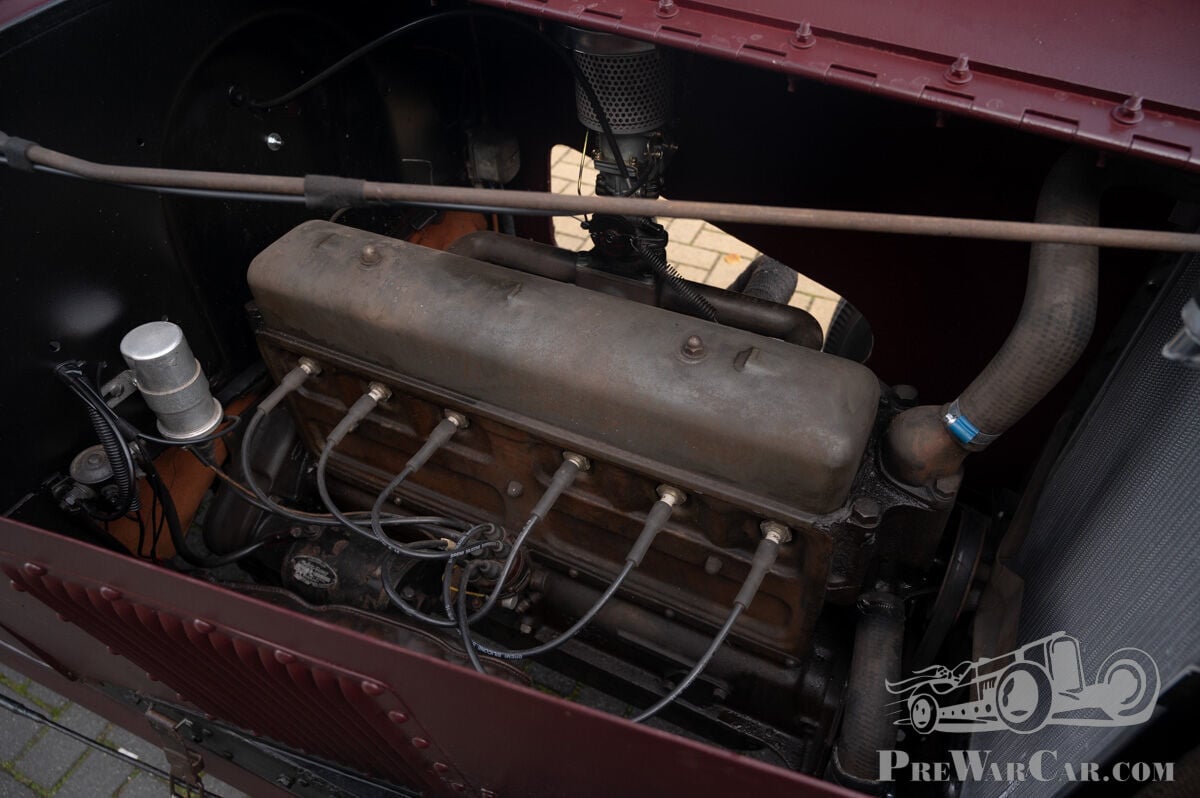
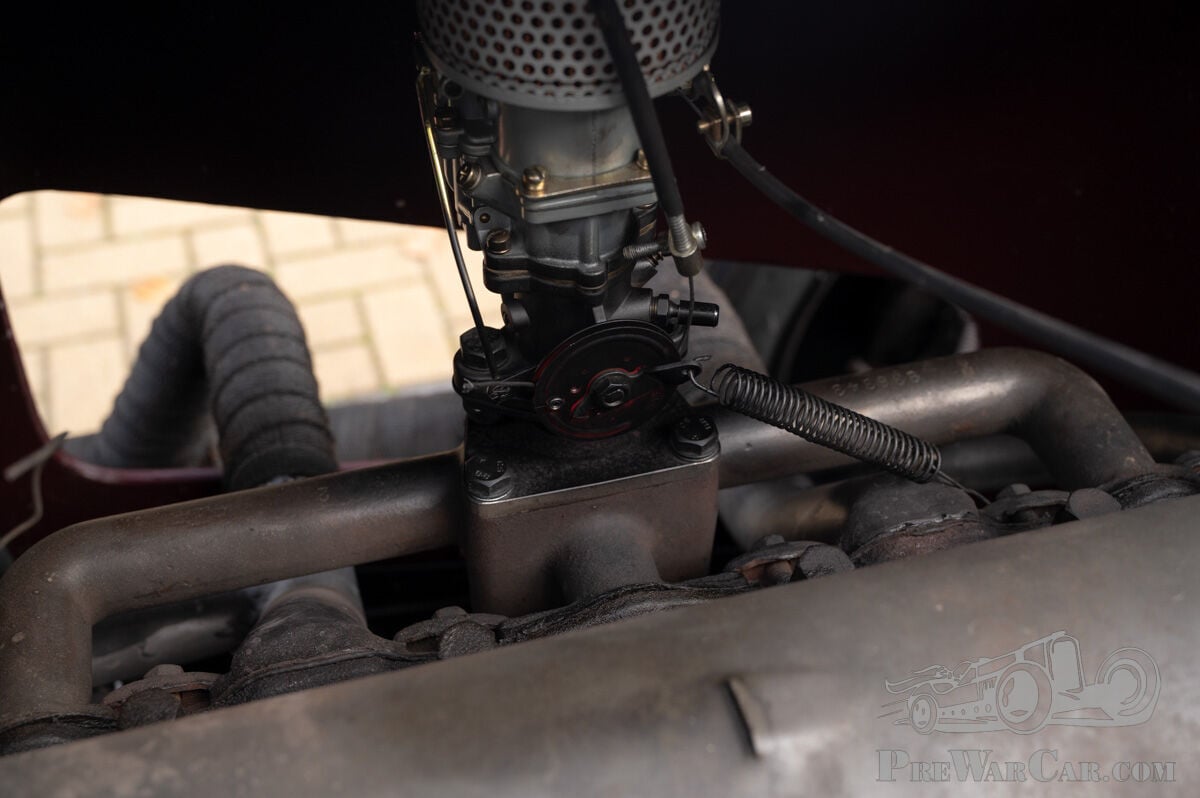
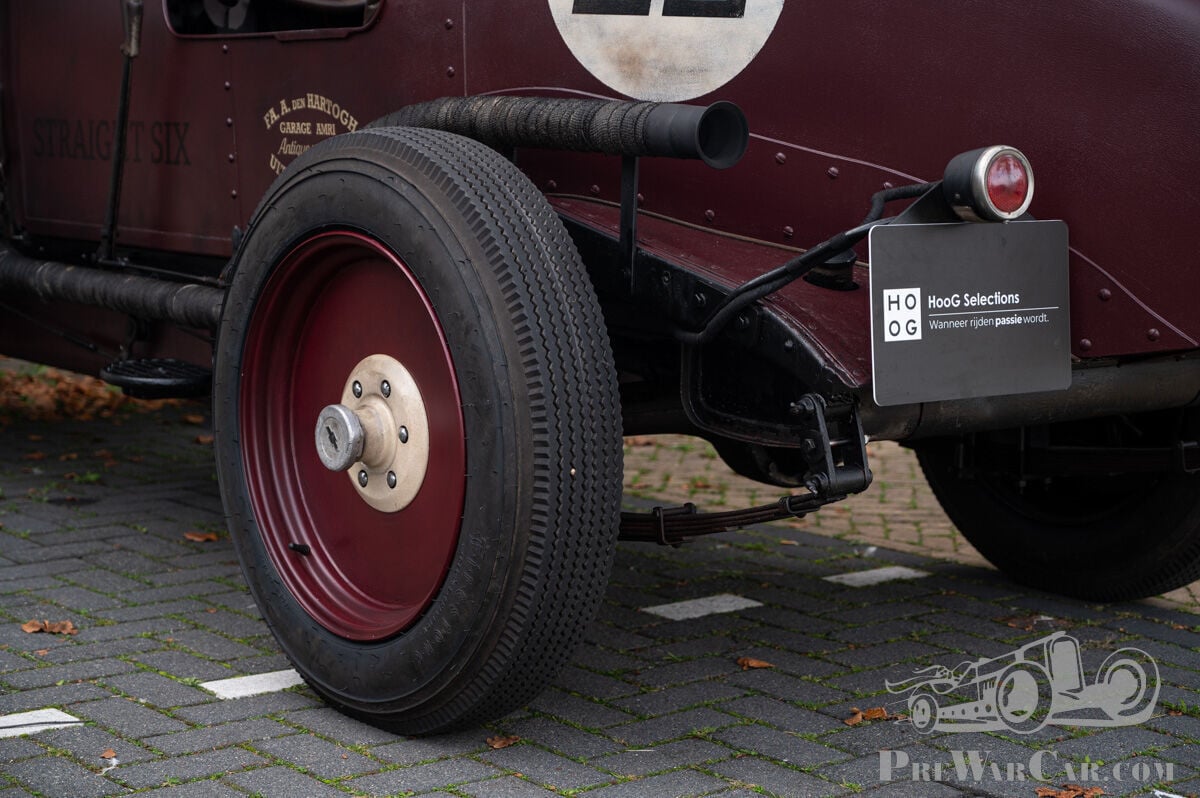
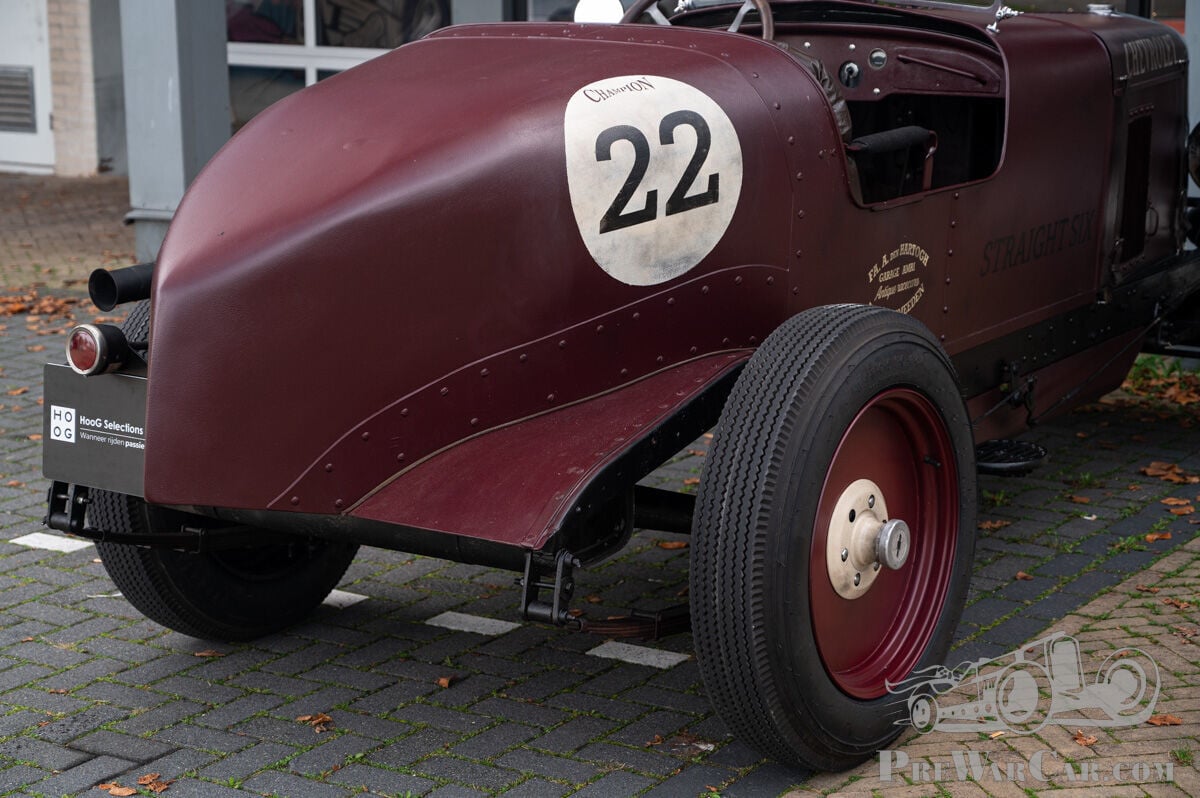
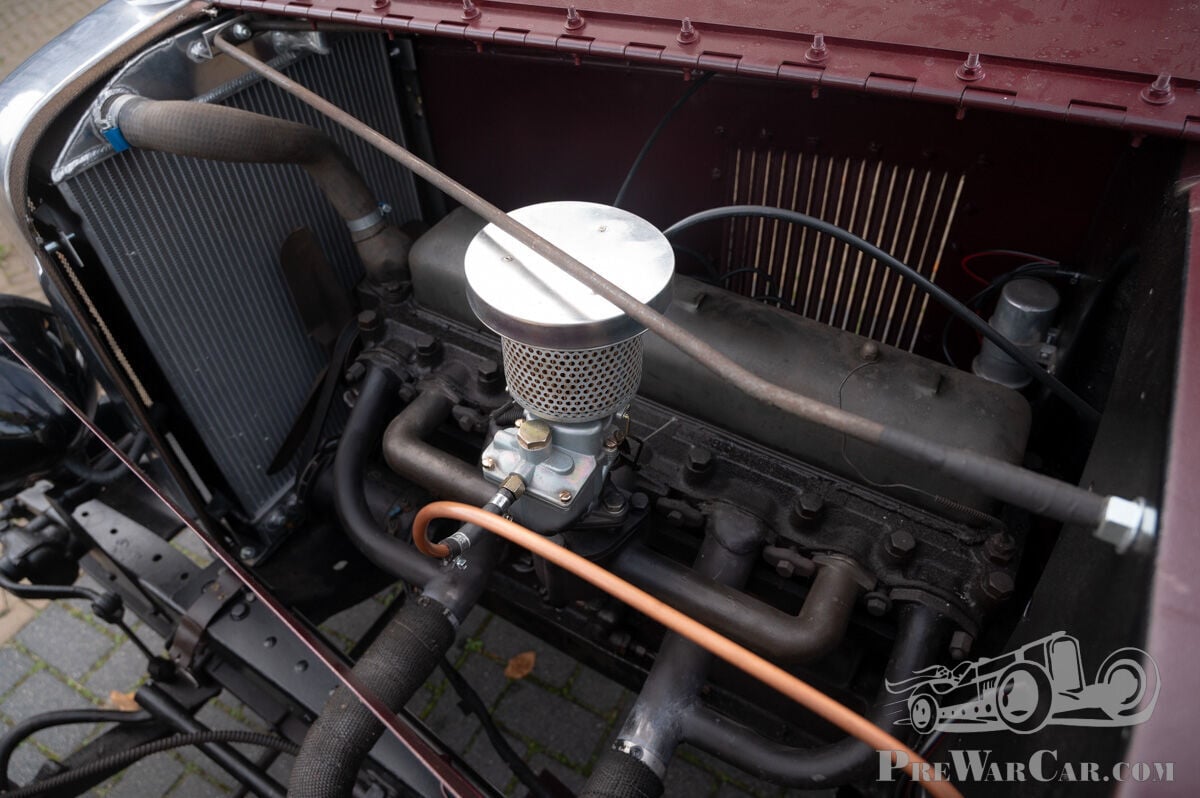
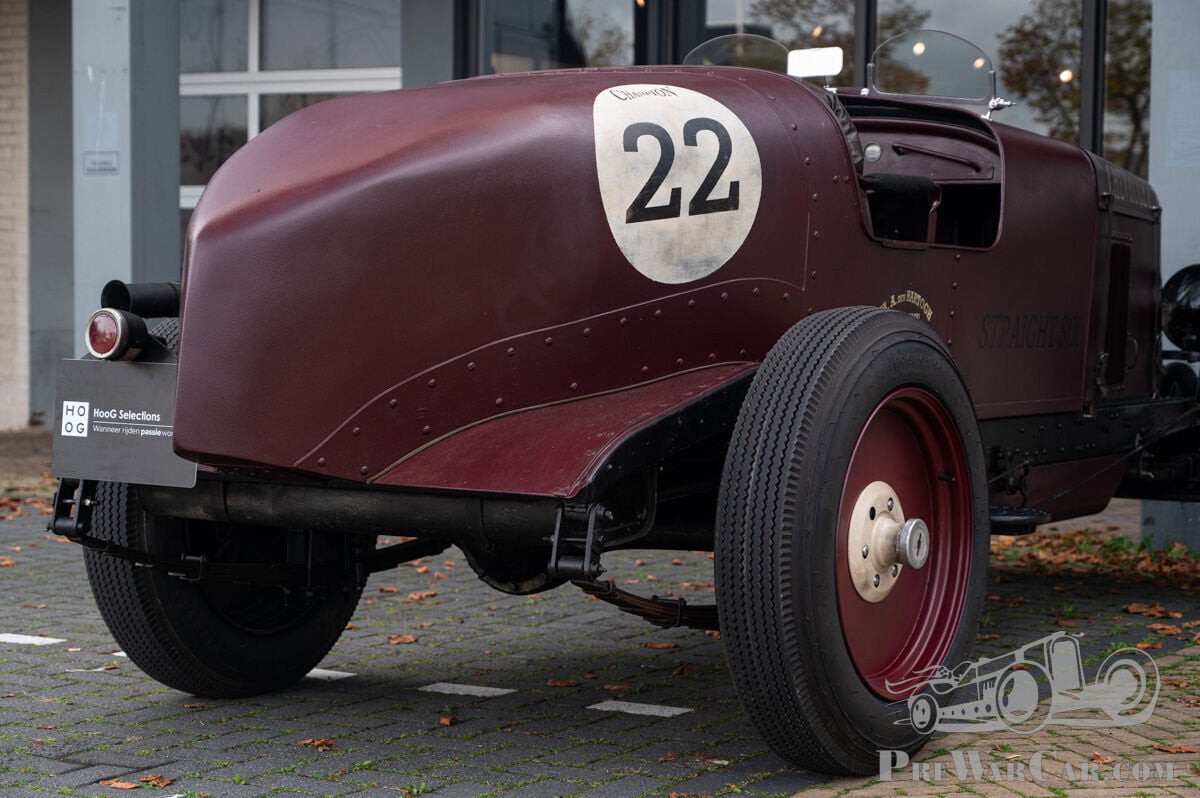
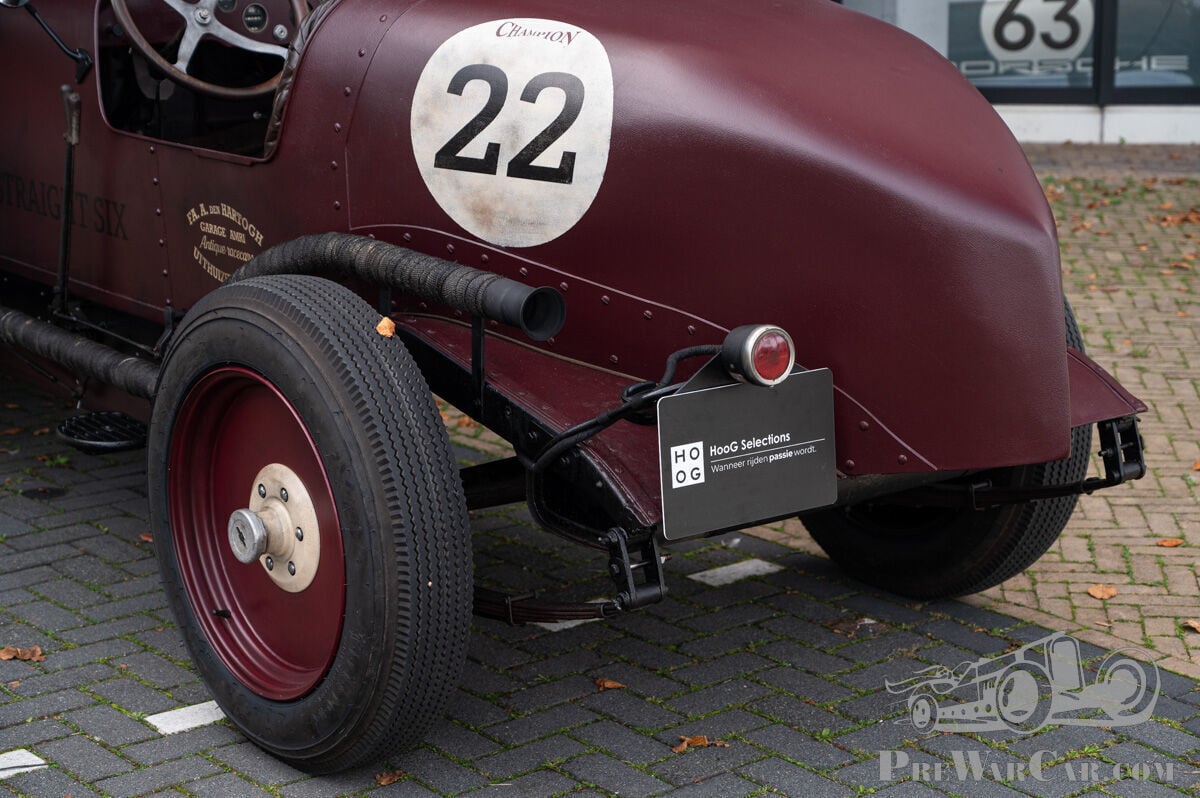
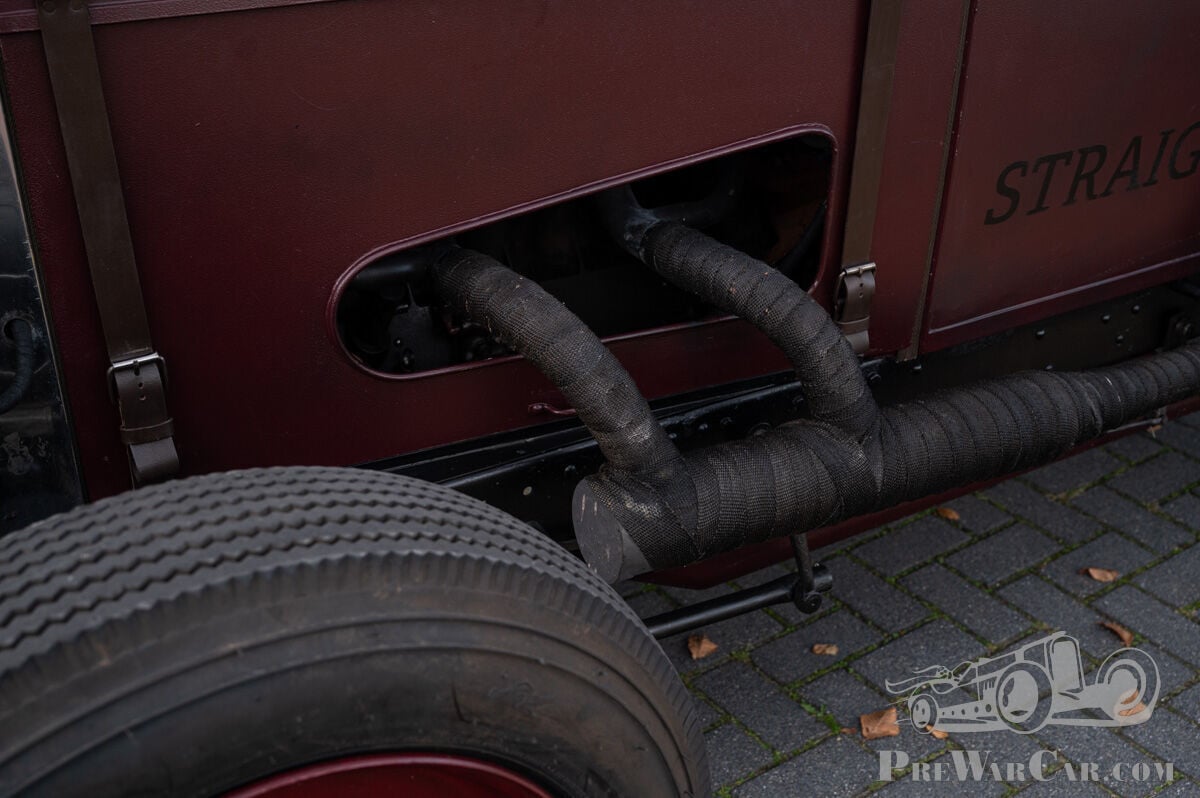
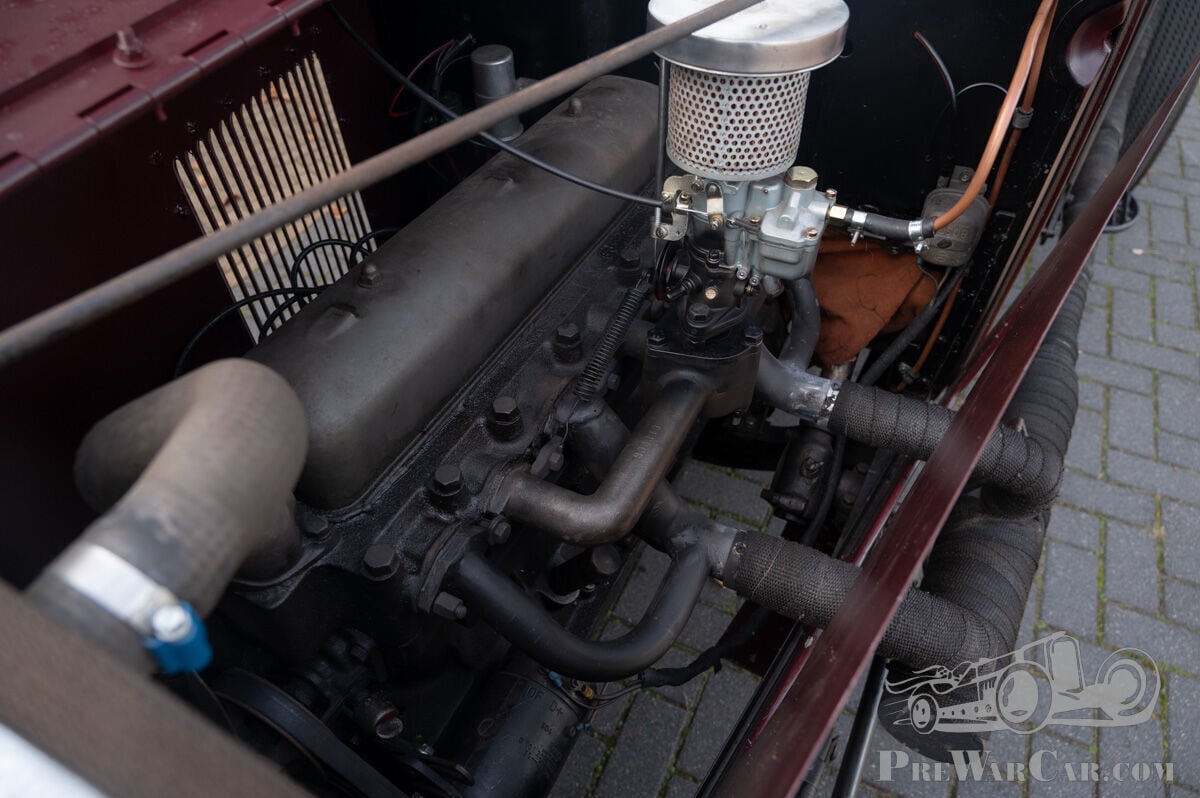
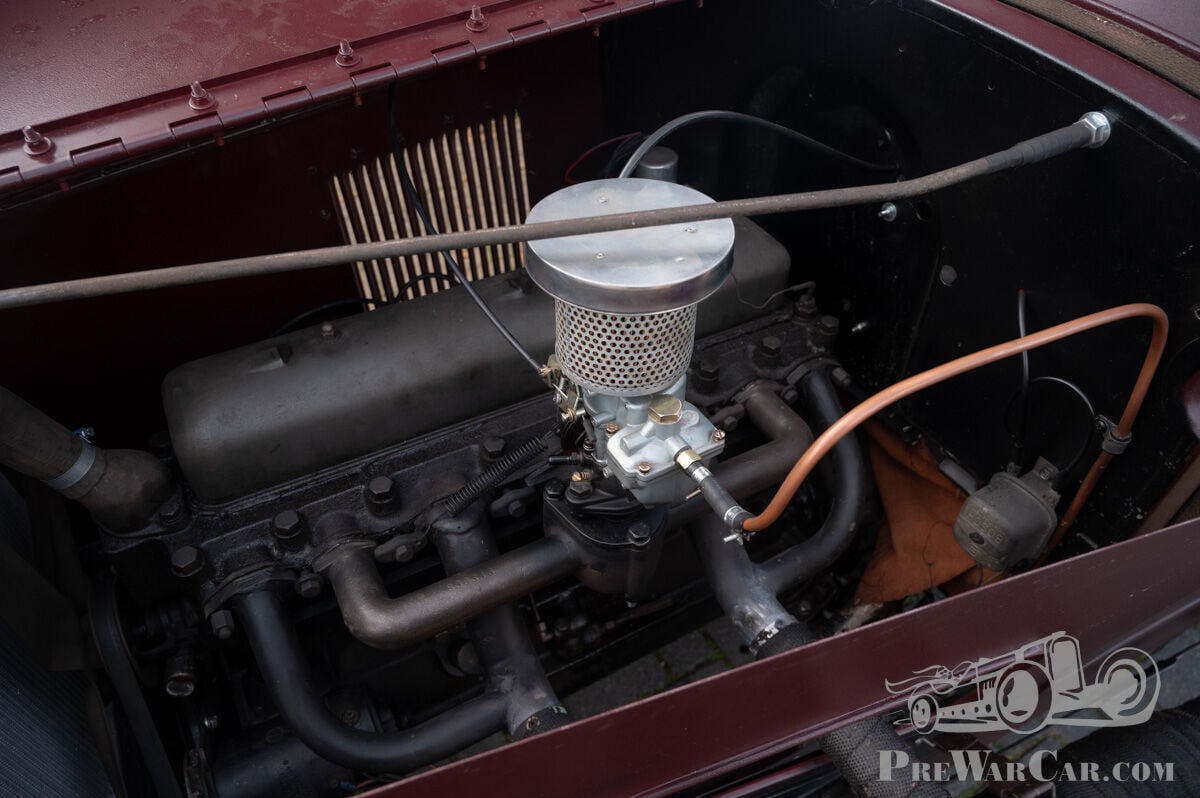
Right, back to the car standing here showing off. What we are offering is not an original 1930 museum piece that you have to handle with velvet gloves. This is a tribute, a homage to those glorious 1930s racing cars, built around a Chevrolet Straight Six of 3.2 litres. A straight-six, exactly as it should be for this era. No plastic, no computers, no lane-assist correcting you when you colour outside the lines. Just you, a red frame, an open cockpit and 46 horsepower that make themselves out to be far bigger than they are on paper.
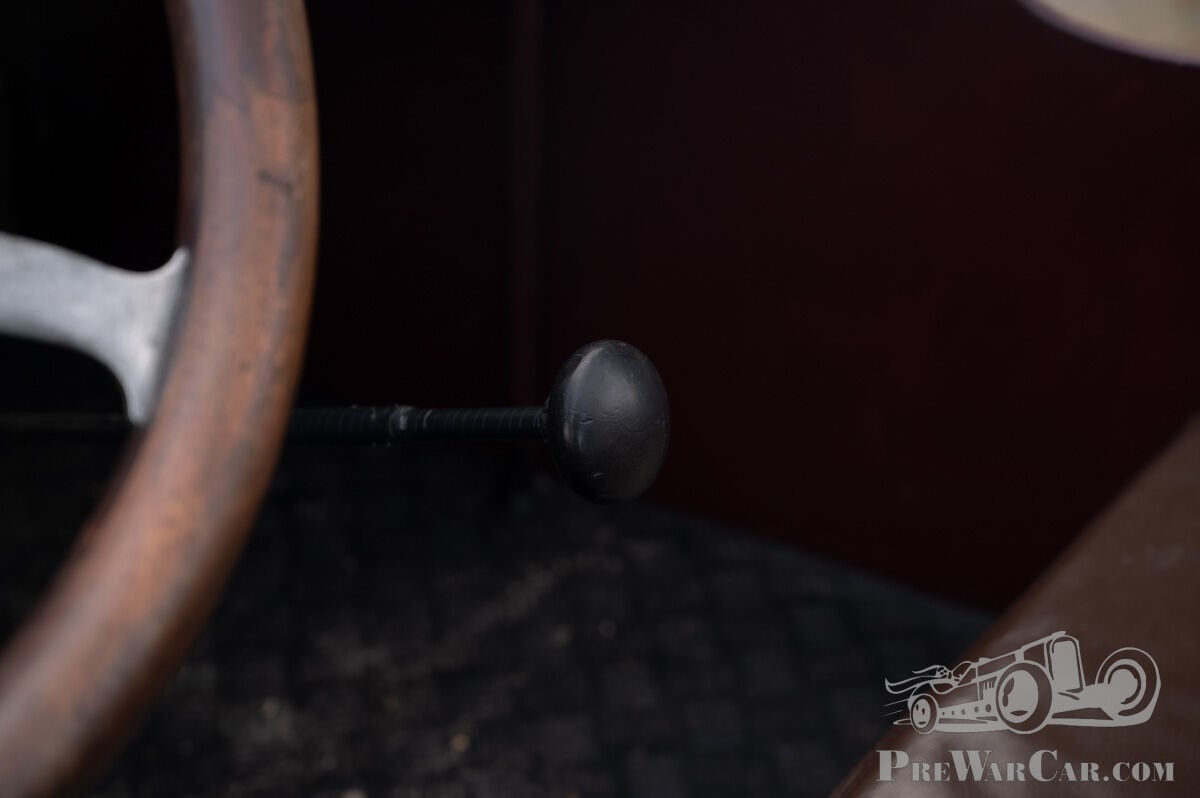
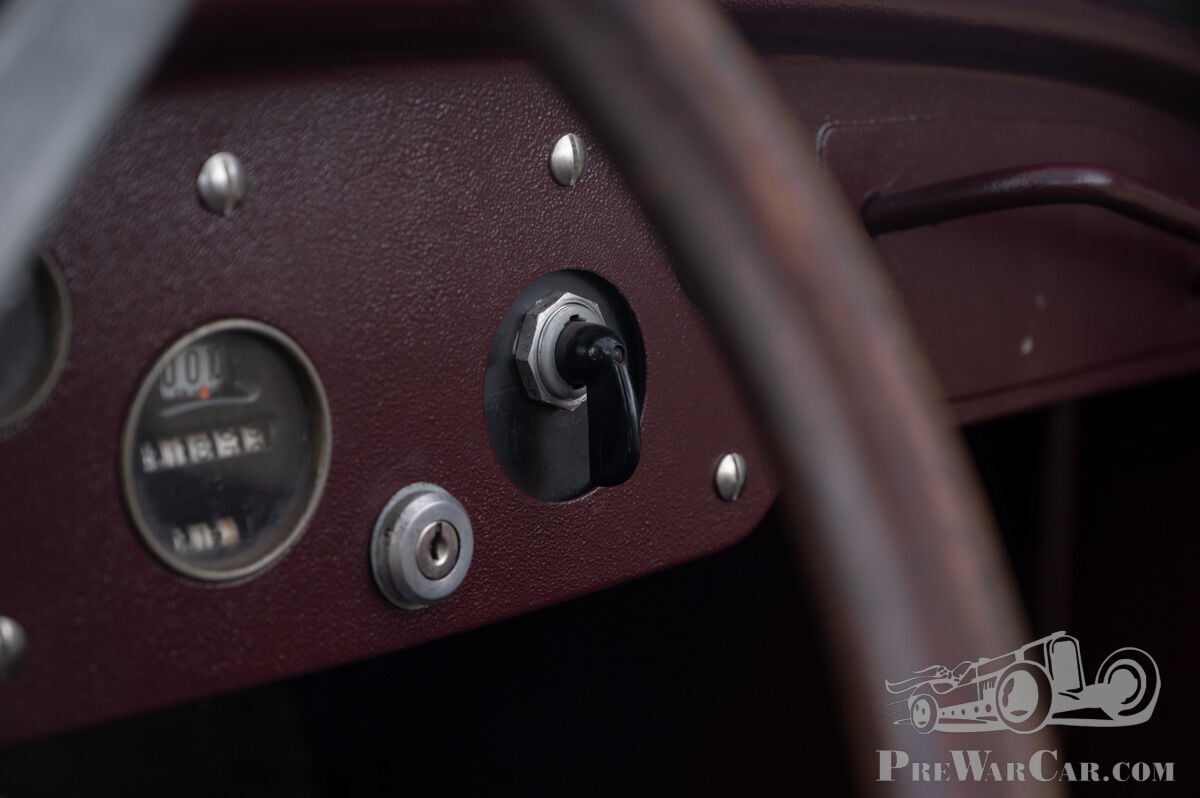
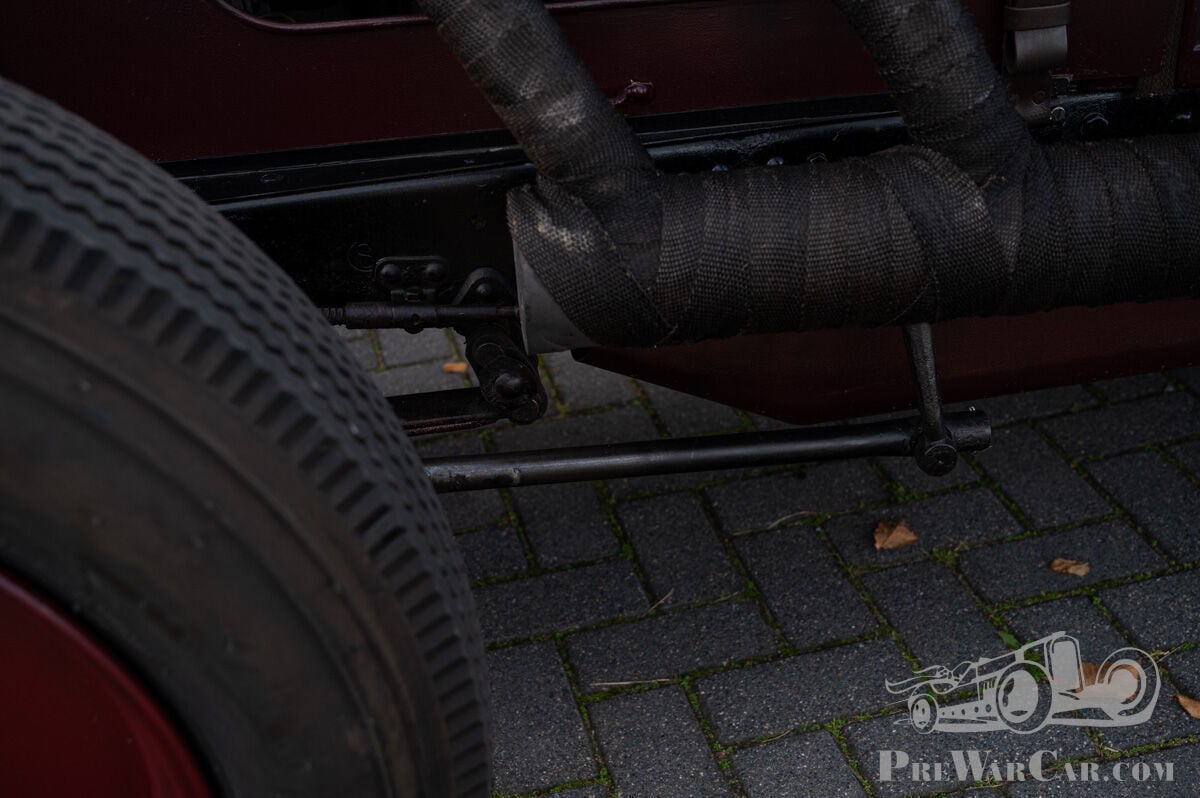
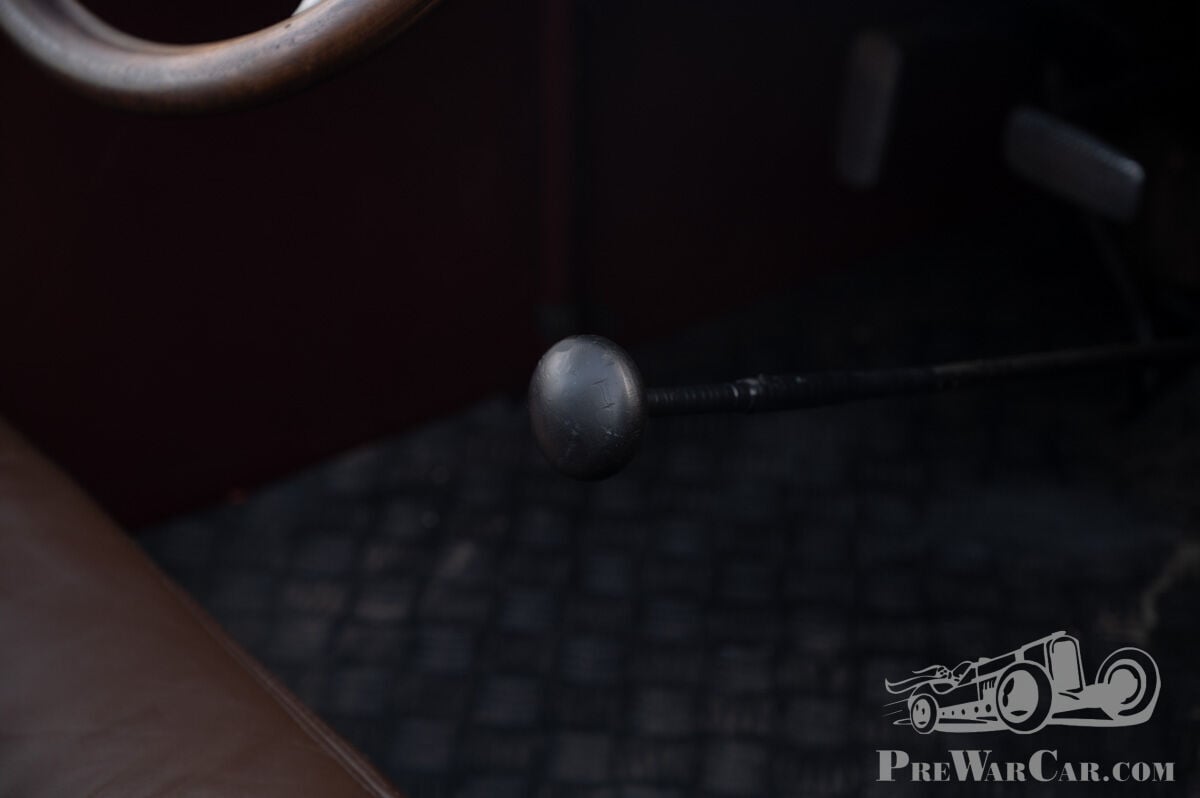
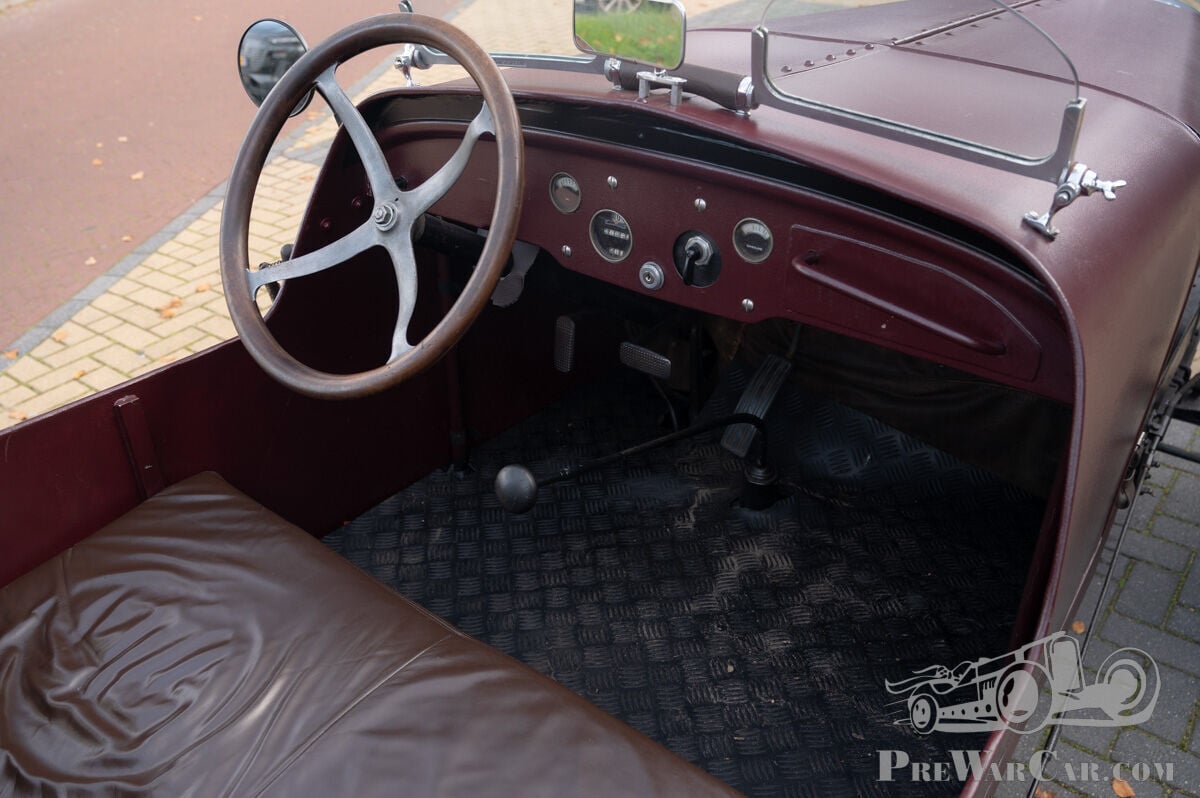
And that is precisely the point. Those 46 hp sound on paper like an electric scooter with pretensions, but you should not read this as a number. You have to feel it. A prewar racer is not something you drive, it is something you operate. Every gearchange with that manual box is a negotiation, every corner a conversation between you and the front wheels. There is no power steering between you and the road, no filter. You feel every pebble, hear every explosion in the cylinders, and you smell the petrol the way it was meant to be. This is driving stripped back to its absolute essence.
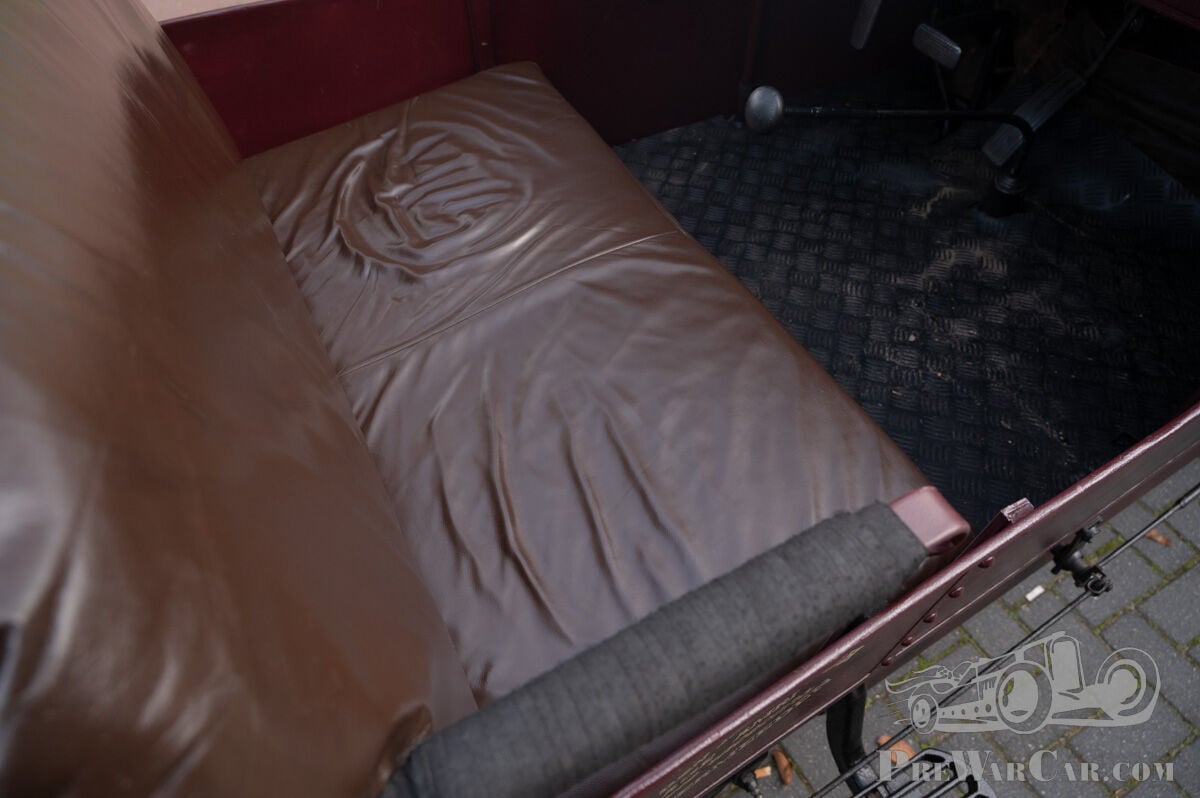
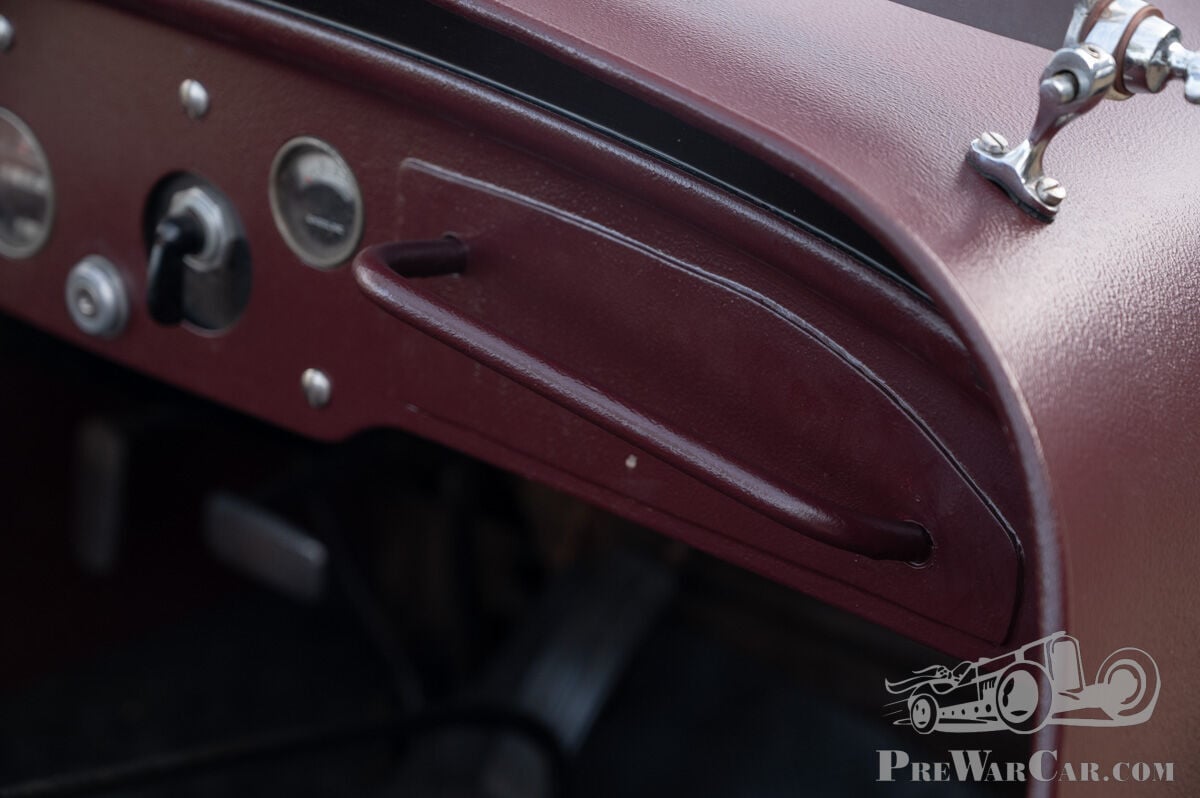
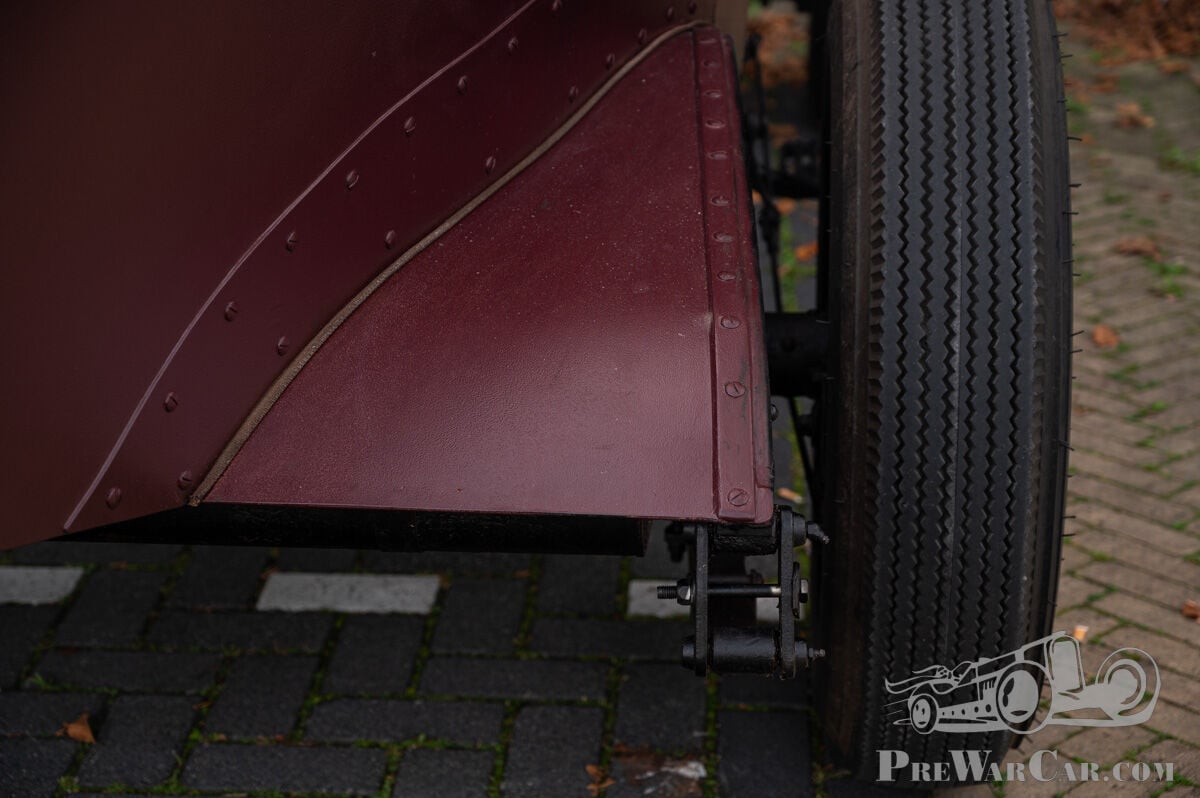
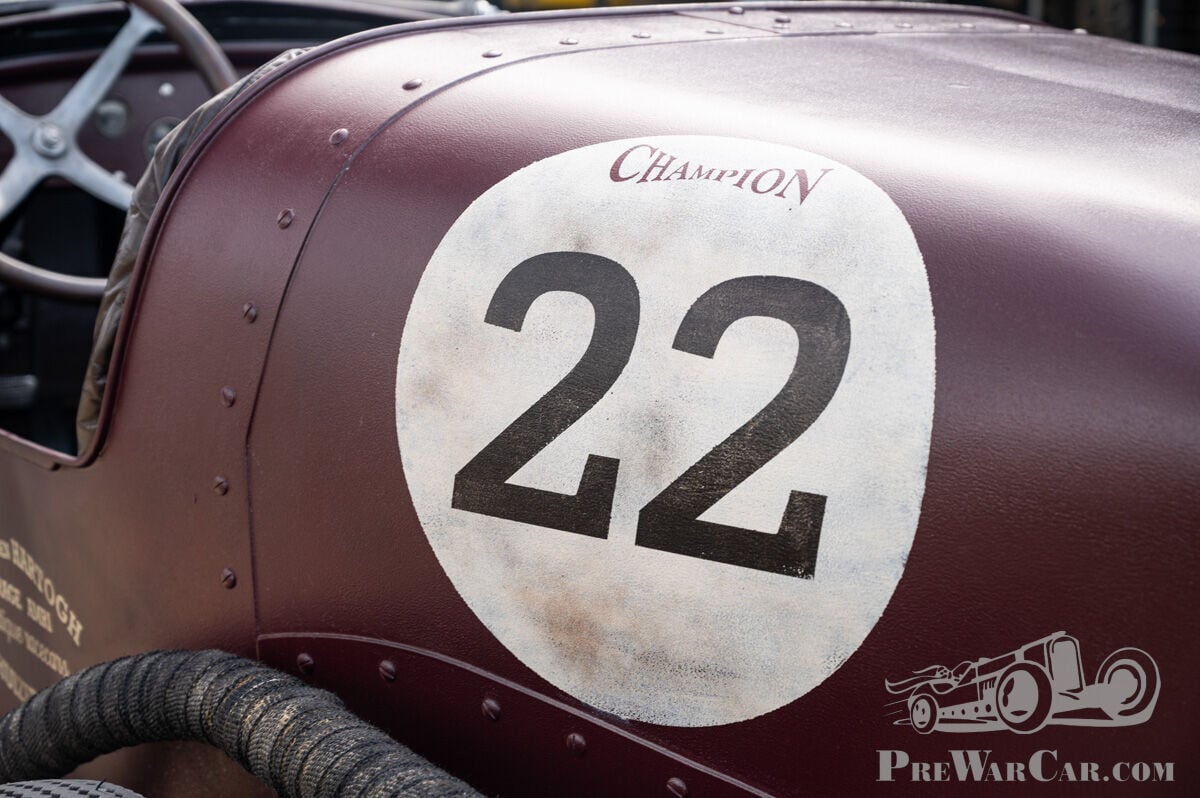
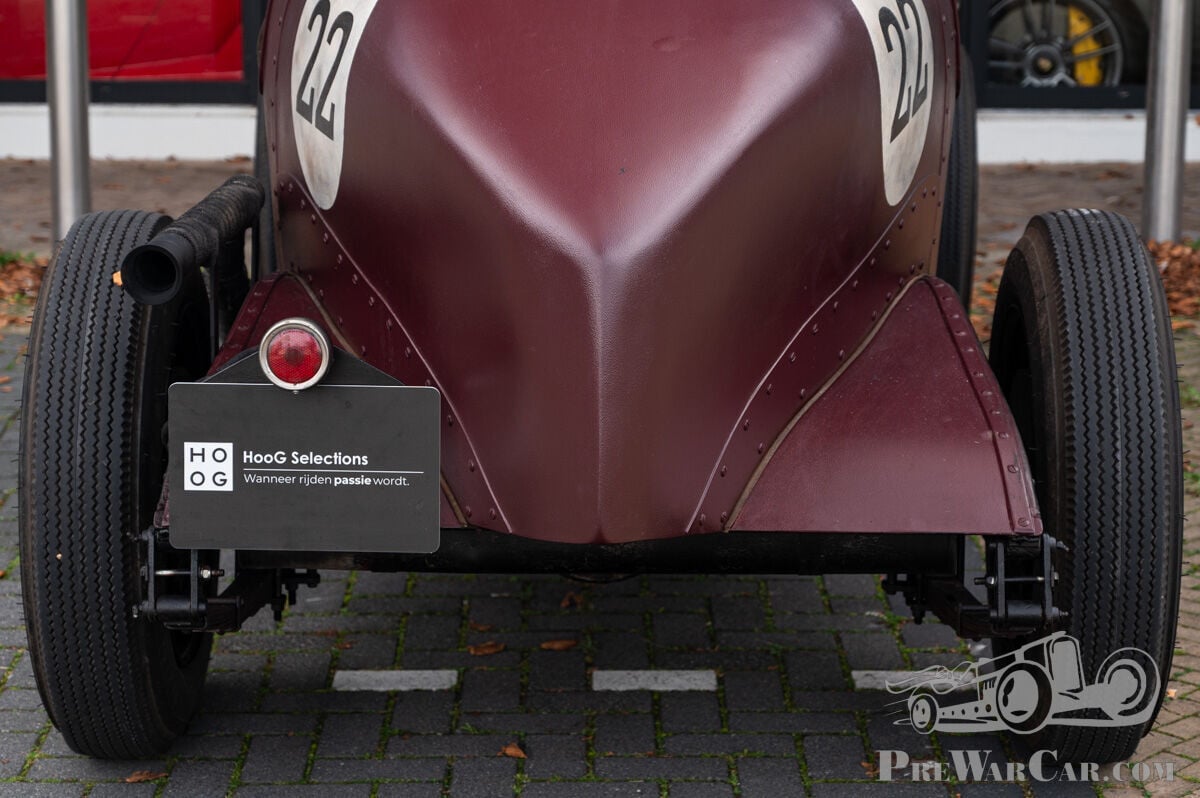
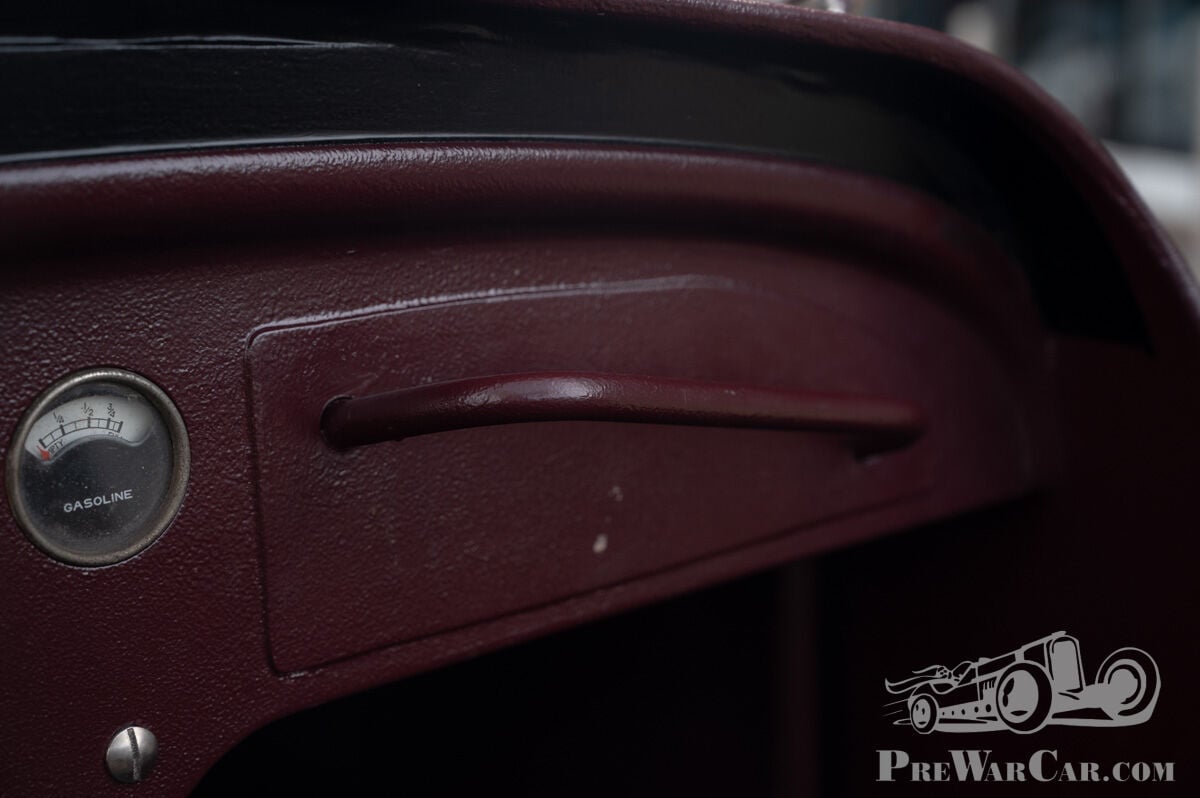
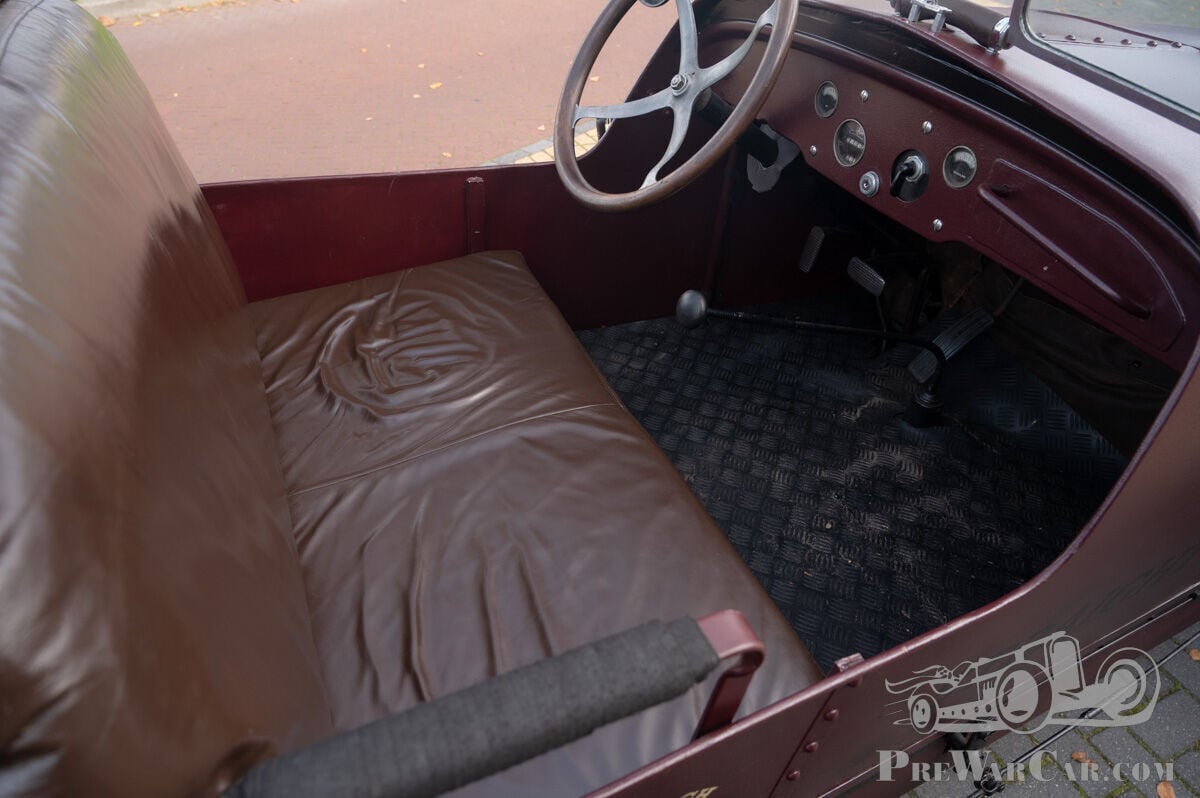
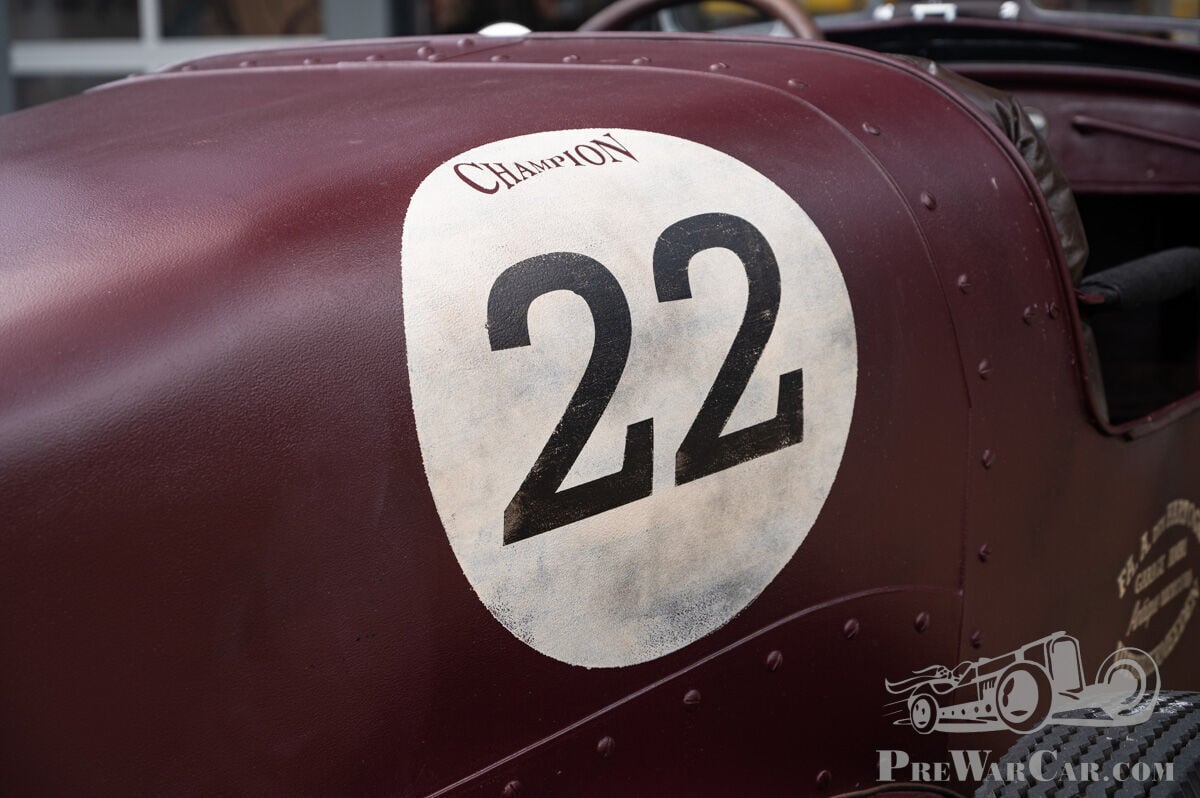
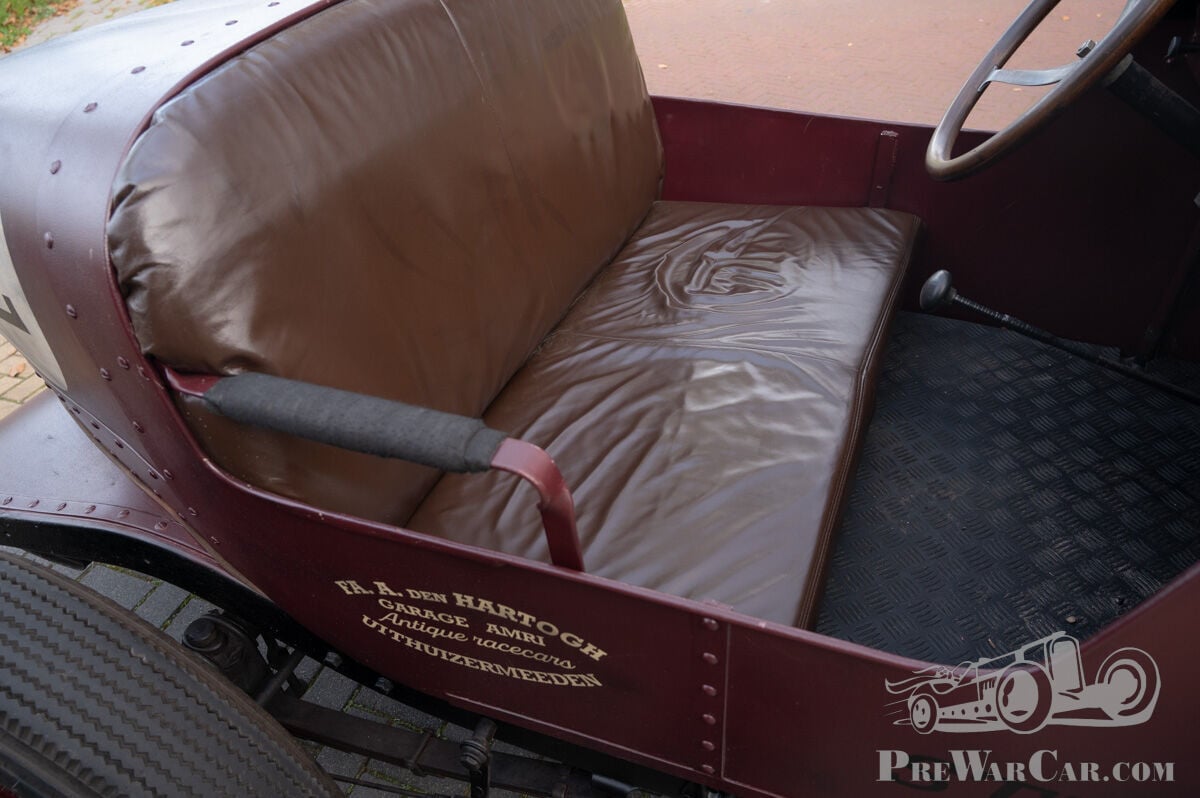
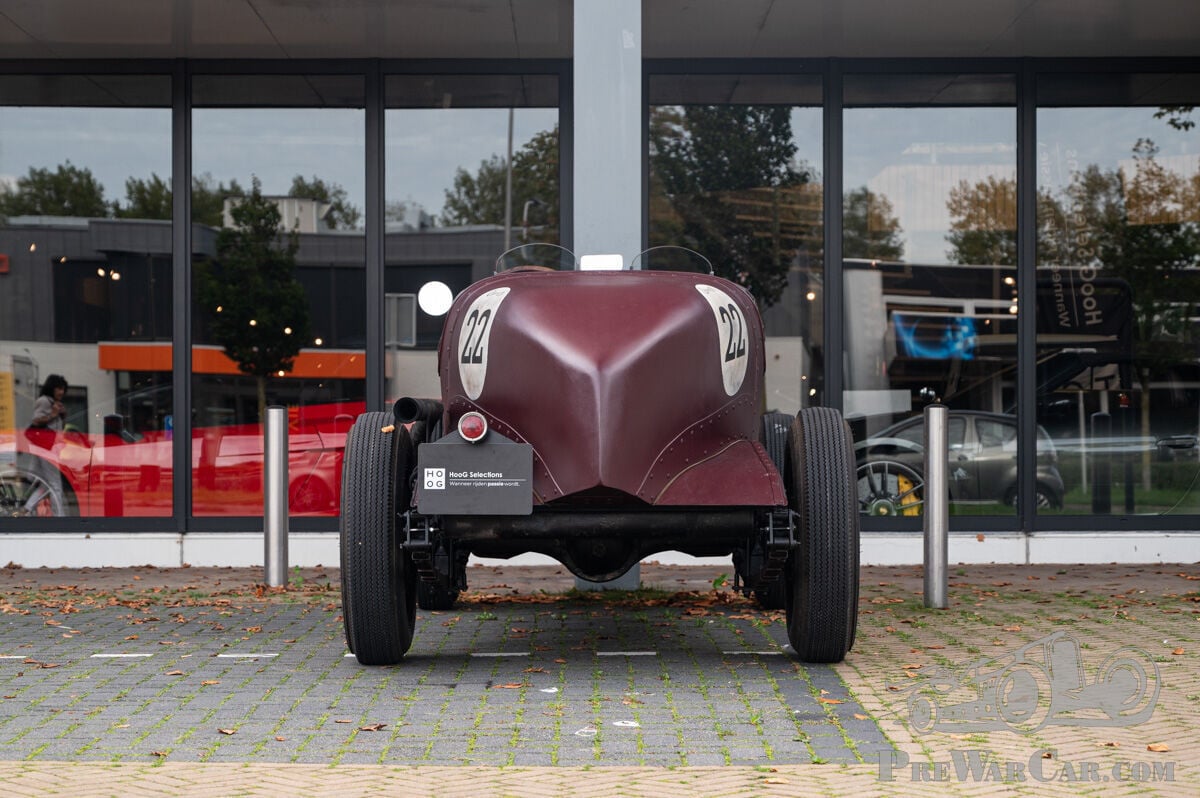
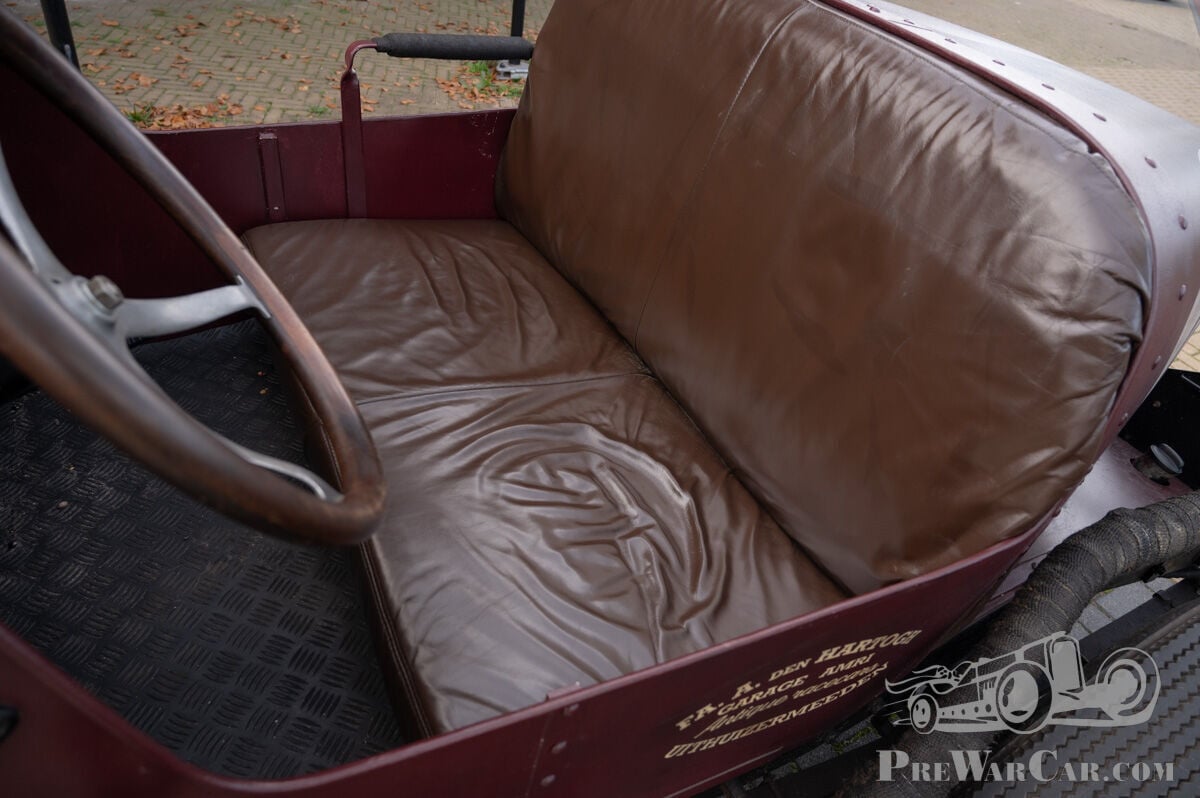
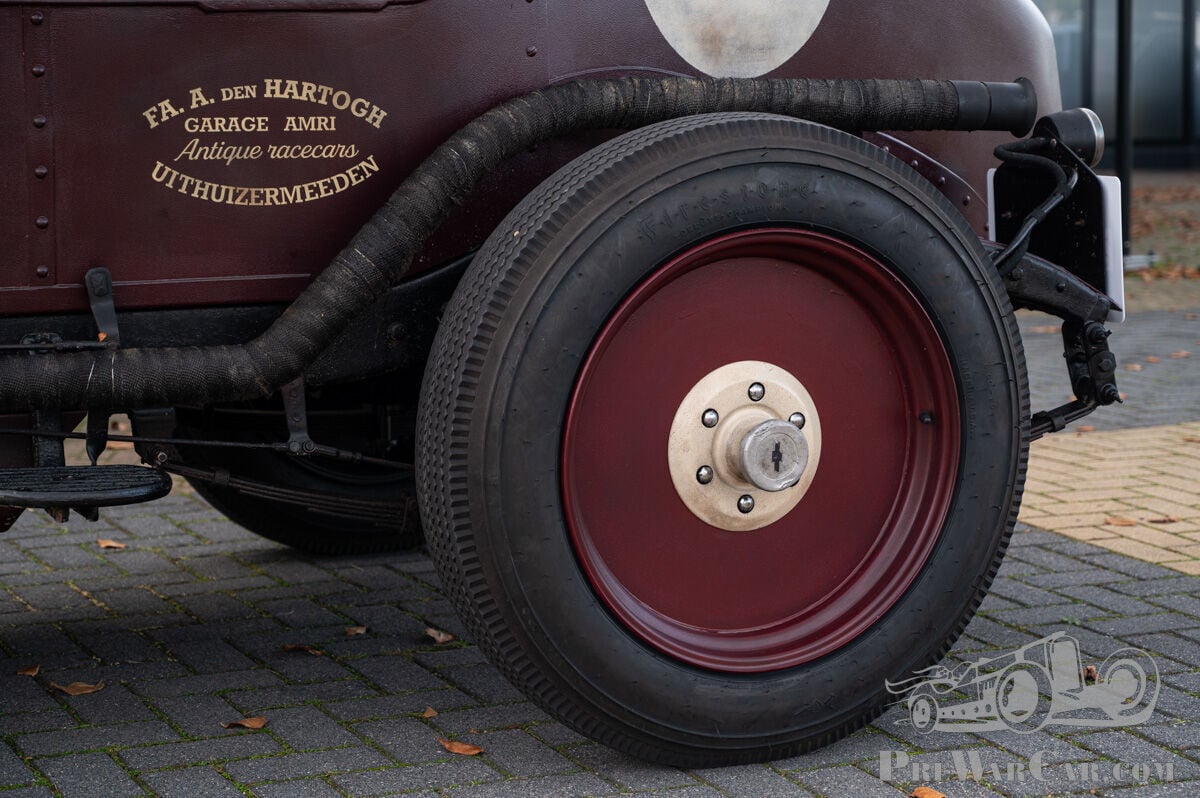
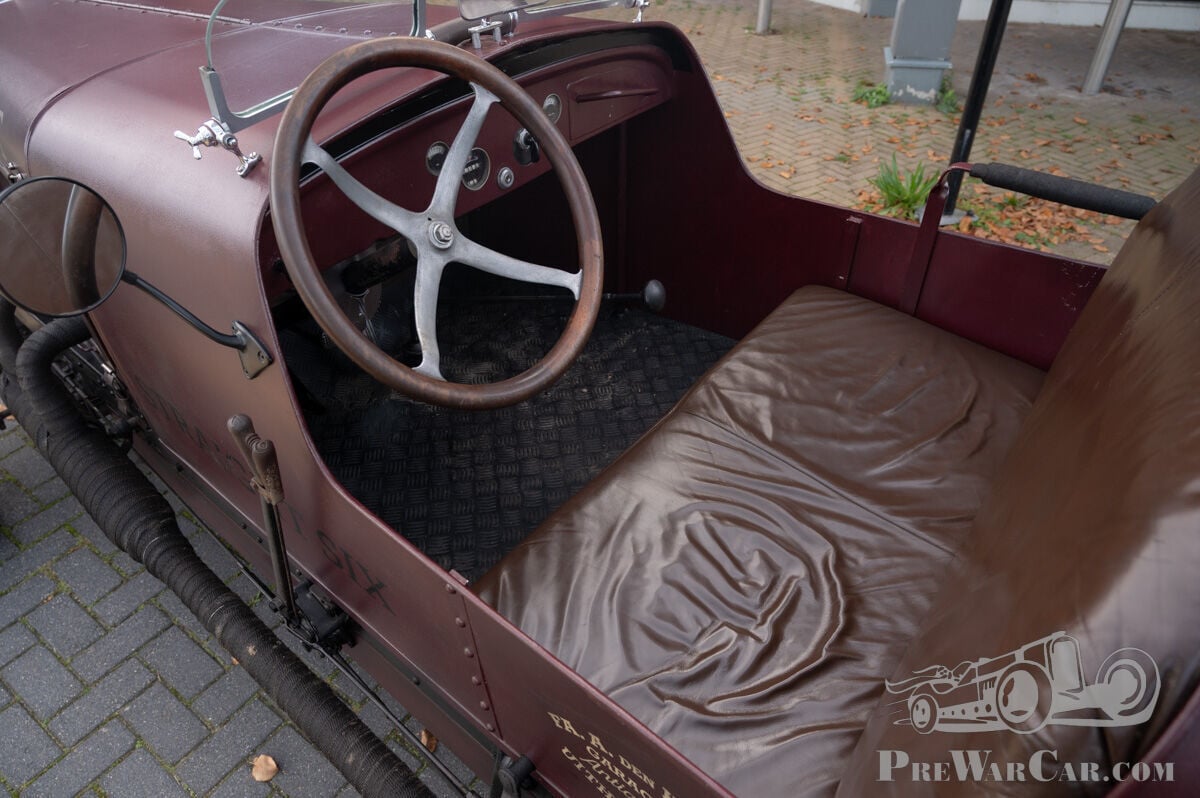
The red paintwork, finished in solid as befits a machine from this era, gives it exactly the presence you expect. No metallic glitter, no pearlescent fuss, just deep and resolute red. Two seats, trimmed in leather, because even in a racing car you want to sit on something with a bit of style. It is a two-seater without a scrap of frippery, and that is precisely where its charm lies. Everything that does not contribute to the driving has been left out.
I have to admit honestly: the moment I saw this thing I immediately wanted to pull on a leather helmet and blast across the fens as though I were Tazio Nuvolari. It is the sort of car that takes you back to a time when men were still men and cars were still simply cars. You do not climb into something like this to get from A to B. You climb into it because you want to feel something that most modern cars simply can no longer give you. That connection, that directness, that unfiltered contact with the machine.
Admittedly, by today's standards it is not exactly practical. You cannot park the weekly shop in it, you cannot take the children to school in it, and in the rain it becomes a water ballet. But that is not what you buy one of these for. This is a toy for the enthusiast who understands that a car can also be an experience, a piece of moving heritage, a time capsule on four narrow tyres. A car with an enormous feel-good factor, drawing a circle of admirers around you at every classic car event.
For nearly sixty-five grand you have something nobody else has on the drive. Not a Porsche 911, of which there are thirteen to the dozen, not yet another W124. But a tribute to the era when driving was still an adventure and racing drivers were still heroes playing with life and death.
Pull on your leather helmet and let the rest of the world sit in the traffic jams.
**Special features:**
- Tribute to the 1930s prewar racing cars
- Chevrolet Straight Six, 3.2 litre straight-six
- 46 hp, manual gearbox
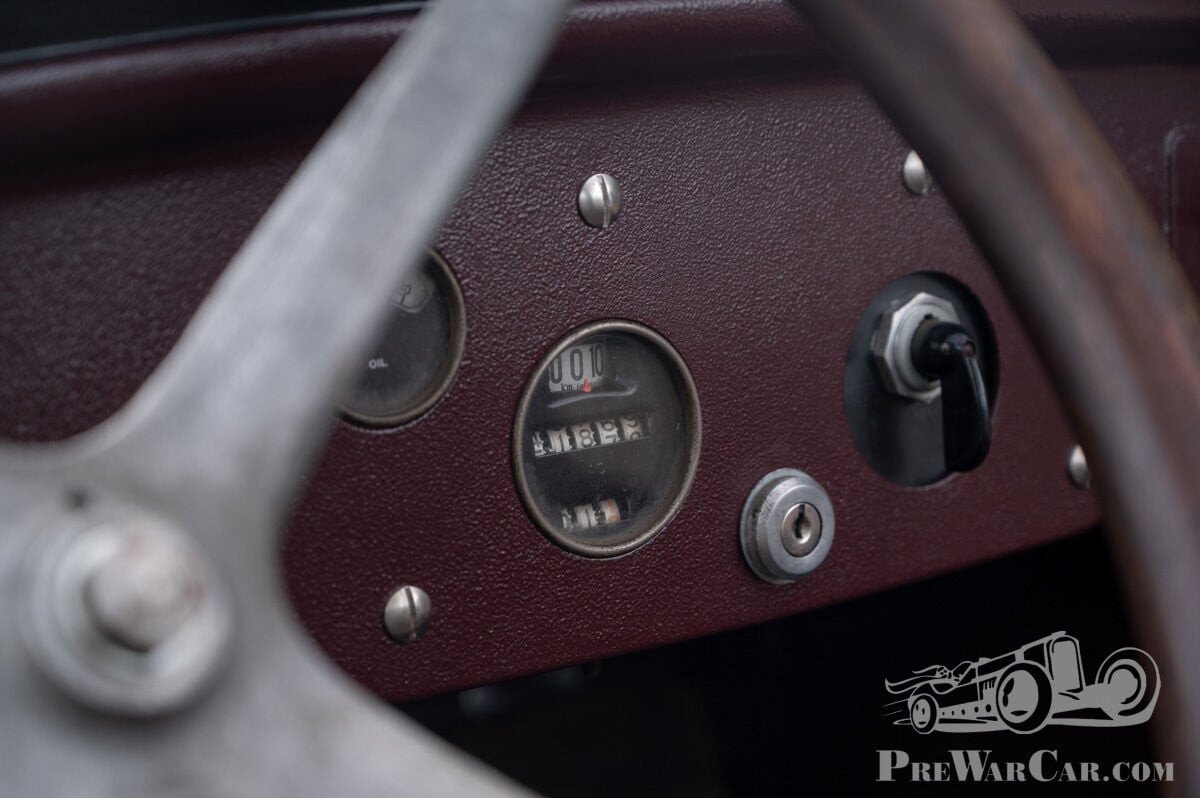
- Open two-seater cockpit without frills
- Solid red paintwork, period correct presence
- Leather upholstery
- Unfiltered, direct driving experience
- Enormous feel-good factor at every classic car event
- VAT-margin car
Leather helmet on and goggles at the ready,
Nick Slinger






 1928 ROLLS ROYCE 20HP WEYMANN SALOON.
 Cadillac 1930 La Salle 340 Coupe
 Chevrolet Superior B Roadster 1923
 1926 Stutz AA Brewster Brougham