Le magazine et marché mondial pour les passionnés de voitures classiques, par des passionnés.
Le magazine et marché mondial pour les passionnés de voitures classiques, par des passionnés.


Filter
Faites votre choix:
- Voir les voitures
-
Marque >>
-
Année >>
-
-
Catégorie >>
- Voir les motos
- Voir les pièces et plus
-
Marque de la voiture >>
-
Constructeur >>
-
Catégorie >>
- Vélos
-
Année >>
-
Pays



About what is it? Quiz #483: Wanderer Type 10/II by Espenlaub
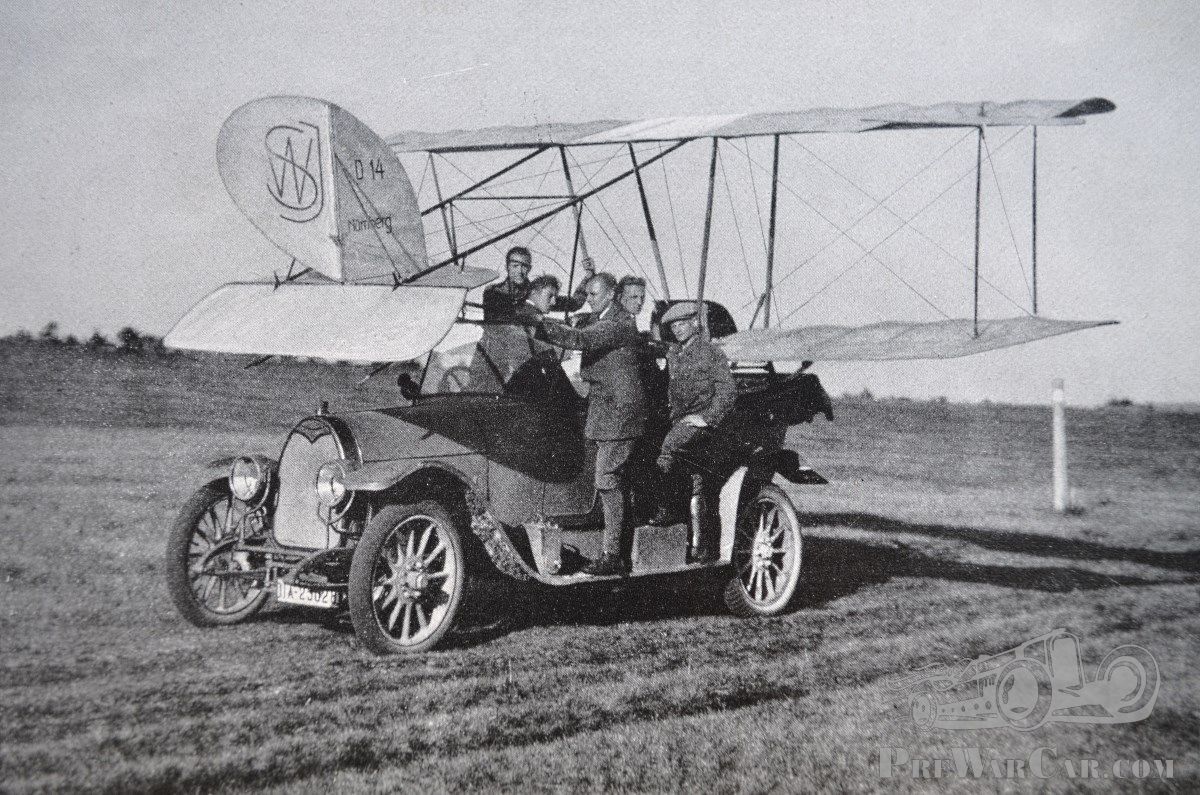
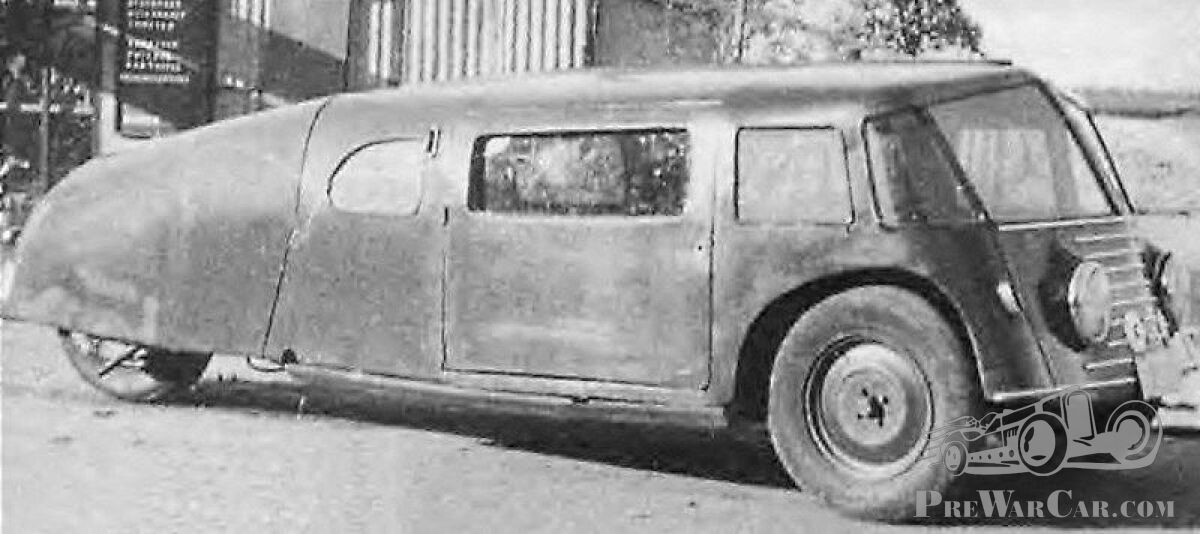
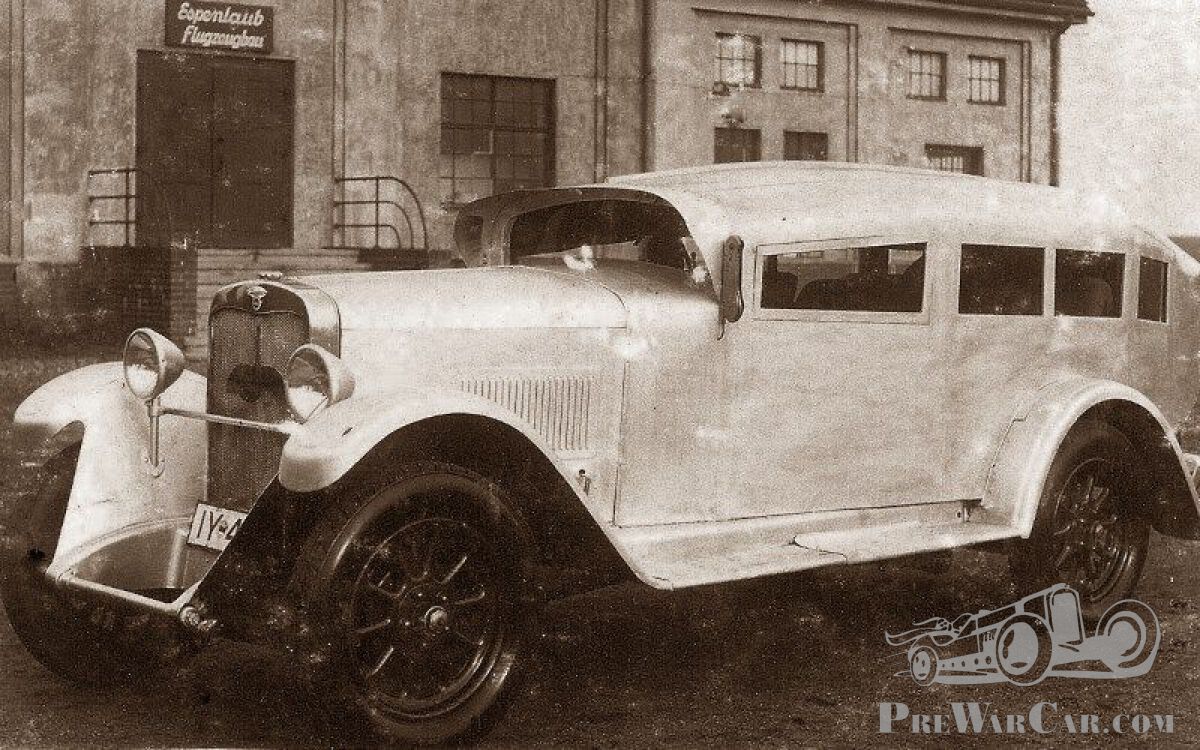
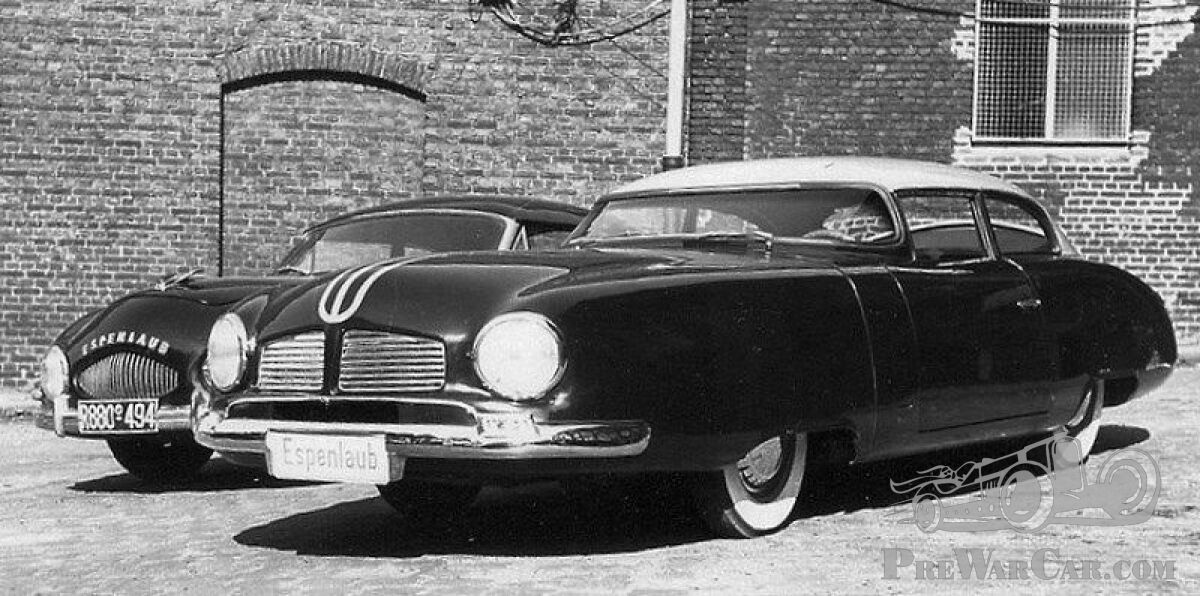
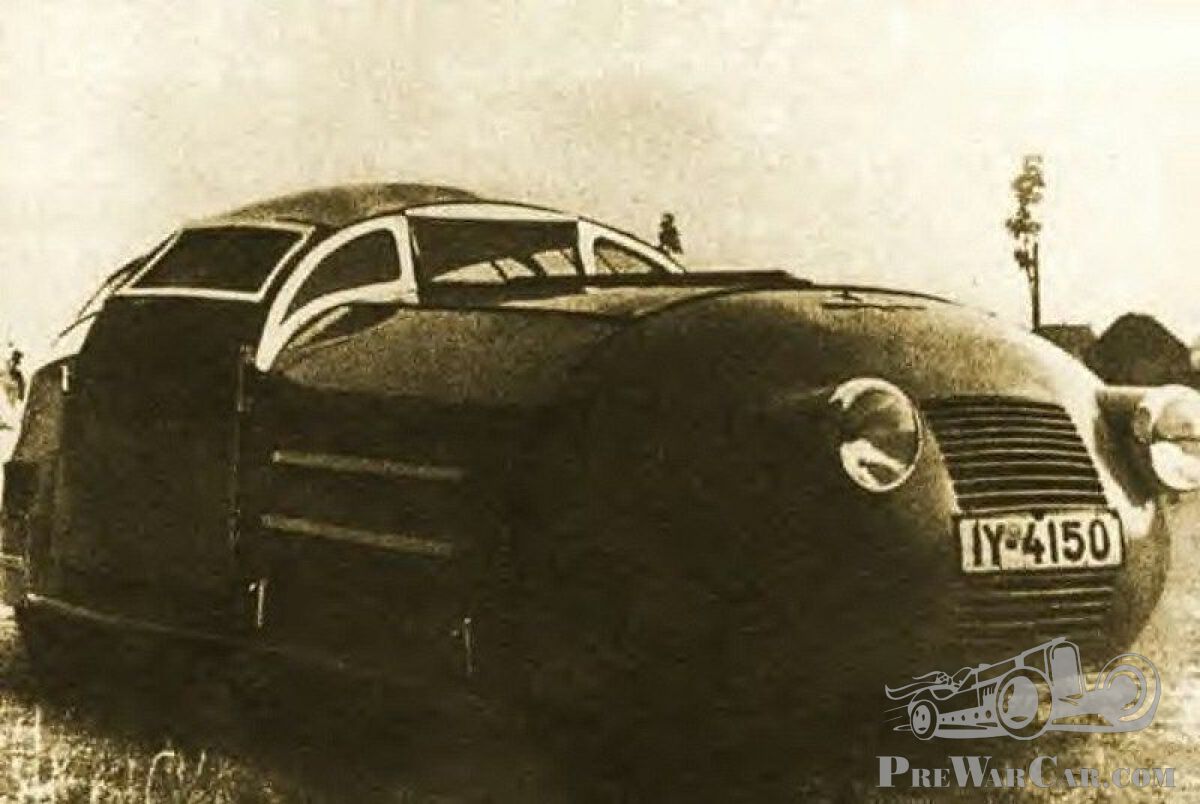





It was a very tricky quiz last Saturday, but even though, we received five correct answers. The obscure streamlined car is the first of a bunch of more or less bizarre creations, built by German aviator Gottlob Espenlaub. Easy to identify is the basis of the car, a Wanderer Type 10/II.
The first answer came from Robbie Marenzi and he told us some more about the car: "the body was made of light sheet metal with only one door on the passenger side. He used it to transport his gliders by trailer and to launch them by towing, the good vehicle aerodynamics reduced turbulence behind the car helping the glider to take off." Well done! Neil Beadle adds "...unhappy with the dynamics of the upright style of the standard car he used his knowledge of streamlining to modify the body. The roof was lowered and extended into a tapering tail...". Michael Schlenger knew more about the technical data of the Wanderer: "2-litre four-cylinder ohv-engine producing 40 PS". The other correct answers came from Fritz Hegemann and Gerd Klioba.
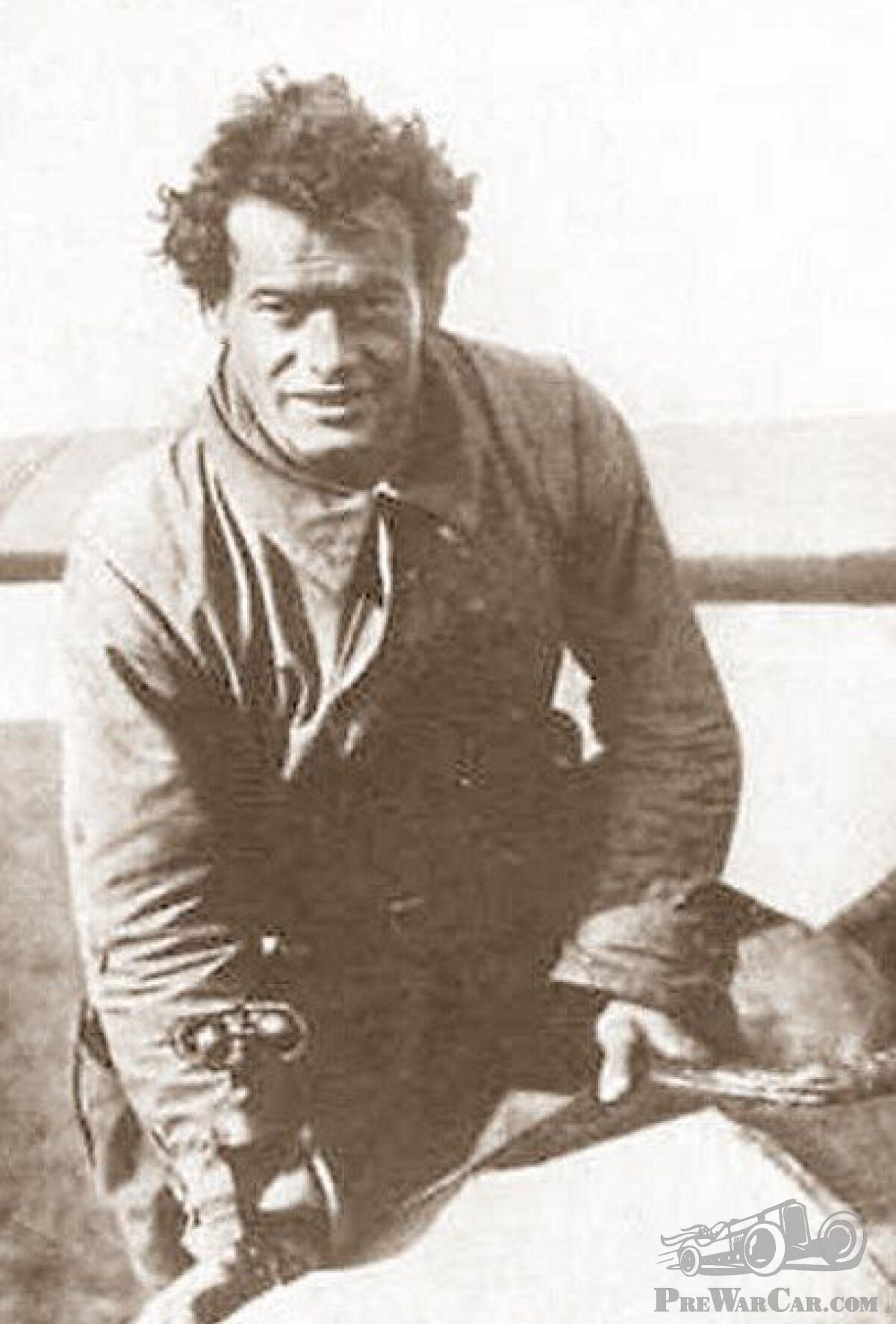
Espenlaub... I, of course, knew the name and the most bizarre "Flunder"-mobiles, but till this summer, I didn´t know, that my grandpa knew Gottlob Espenlaub in person. Friedrich Wilhelm Radenbach, author of the book "Gottlob Espenlaub - Ein Fliegerleben" and Espenlaub´s brother-in-law was a good friend of my grandfather and during a visit at my parents this summer, my dad told me about them. Espenlaub was born as the eldest of 15 children of a village shepherd in the year 1900. He did a carpenter apprenticeship and as a young man, he served in World-War-I. At the annual gliding competitions on the Wasserkuppe in the Rhön, his passion for flying began in 1920. He built gliders, planes with sterling-engines, experimented with rocket propulsion and all-wing type aeroplanes over the next years. During the summer of 1929, after a crash at the first attempt, Espenlaub was the first man to successfully fly a rocket-propulsion powered aeroplane. But during the following flight, a 600 kg rocket exploded. Espenlaub managed to climb out of the burning plane, jumped of and luckily hit a marsh field. Unfortunately, a part of the plane hit his head, causing more injuries, than the fall itself. Due to this fortunately survived accident and shortly after, the fatal crash of his beloved brother Hans, he changed his lifestyle and turned to charitable purposes in the early 1930s. He gave up flying, set up an aircraft repair business and held religious events in his workshops. The homeless and alcoholics were provided with food, accommodation and sometimes even a job in his company. But back to his strange automobiles: Car no. 1 was the streamlined 1928 Wanderer of our Quiz. The next car was also built on a Wanderer-chassis (maybe it still was the chassis of the first car).
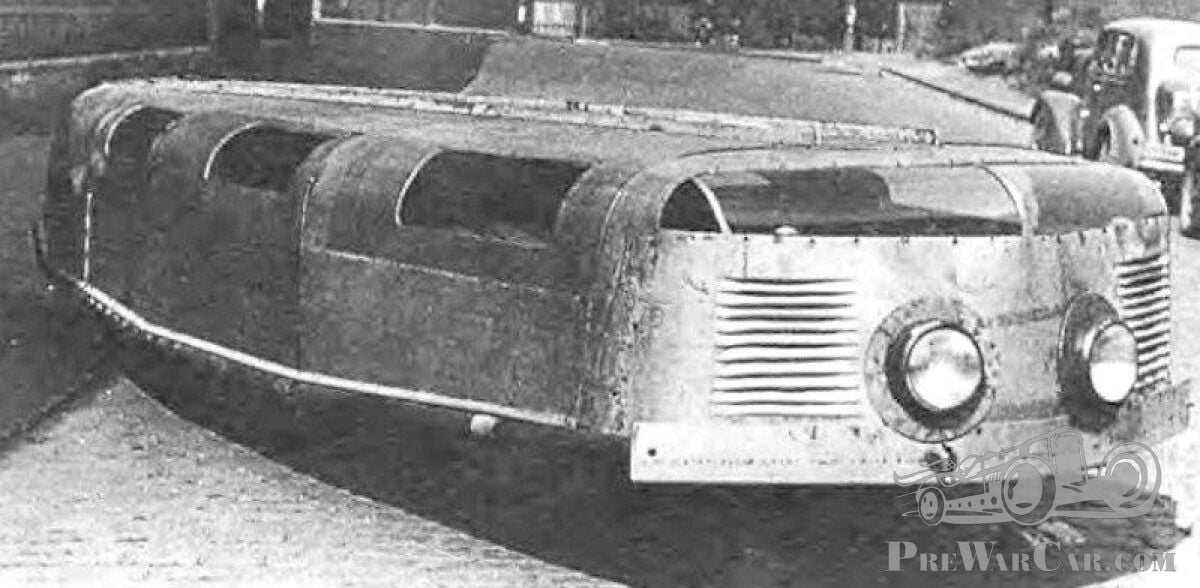
The vehicle shows an extreme, bulbous, streamlined shape, which is most reminiscent of squat airships or submarines. Like at car no.1, for weight and stability reasons, the access to the bulbous passenger compartment was made exclusively on a single door on the passenger side. This car was also built in 1928. Six years later, the very similar looking "Stromlinie" was built. The bizarre body, again with only a single side door and full fairing of the wheels rested on a structure of wood ribs, which was boarded with aluminium sheets only at the front and at the engine cover. Otherwise, it had a fabric upholstery, which was - as usual in gliding - stiffened with dope. In 1935...37, Espenlaub is also involved in the development of the fabulous Adler-Rennlimousine. In 1944 (or 1948, as some sources tell), the first "Flunder" appeared. It had a strict pontoon shape in an "one-box design", the wheels were - as at his streamlined vehicles from 1928 and 1934/35 - completely hidden under the body. With a width of about 2.50 meters and a height of only about 1.20 meters, it was unusually wide and extremely flat (hence the name "flounder"). The vehicle was designed as a nine-seater and all windows were arched into the roof. The front axle featured a normal gauge with non-steerable wheels, but the rear axle consisted of closely juxtaposed steerable twin wheels. For motorization, no information has been handed down.
Unusual was also the origin of significant technical components: Much, especially chassis parts came from Junkers Ju 87 "Stuka". The background was that Espenlaub had many spare parts for this type in his aircraft repair shop in Wuppertal in stock. Significantly smaller than the four-wheeled nine-seater was the three-wheeled "flounder" of 1947. This model also had a strict pontoon shape in the "one-box design" with extremely low body overhangs front and rear, but here - in contrast to the four-wheeled model - with conventional wheel cutouts on the two front wheels. Here, too, nothing is handed down about the engine and the origin of the suspension components. In 1952 and 1953 Espenlaub released three more prototypes of now very conventional looking passenger cars. Those were the model "Espenlaub 400" with pontoon body and 400 cc ILO two-stroke engine, the four-seater coupe "Espenlaub 1000" with a shell-made aluminum body, front-wheel drive and a 1000 cc / 40 hp engine and finally the "Espenlaub 1000 - Modell 1953", which was an evolution of the previous year's model. Technology as well as the design as a four-seater coupe were still the same. Significantly changed was the body, which showed a strong American influence, featuring a panoramic windshield, large body overhangs at front and rear, chrome trim or largely covered wheels. A couple of prototypes were built, but still, in 1953, Espenlaub stopped his efforts to build up a series production. Espenlaub - at the time 53 years old and still prosperous due to his prewar activities - from then on devoted himself again to his company "Gottlob Espenlaub Flugzeugbau GmbH" and his family.
But back to our quiz: all answers were correct and it is very hard to find a winner, as all answers were excellent. But there is one thing about the car, that was mentioned only in the first answer: "...the good vehicle aerodynamics reduced turbulence behind the car helping the glider to take off." Robbie Marenzi was the only one, who told us, that the Wanderer was not only used for pulling the trailers, but also about the effects of the body while towing his gliders in the air. Congratulations Robbie you receive the full 5 points in the six-month competition, sponsored by Hans Compter Rare Cars.
Words and photographs by Hubertus Hansmann.
Publié:
samedi novembre 24th, 2018
Facebook
LinkedIn
Twitter
WhatsApp
Email
Copy
Commentaires
Robbie Marenzi
28 Novembre 2018, 15:40
Michael Schlenger
29 Novembre 2018, 01:18
Dear Robbie,
Many thanks for revealing the source of your statement. That's all I wanted to know. While I still doubt that the aerodynamics of an automobile used for launching a glider into the air (you will need a rope of considerable lenght for that job) are relevant, your points in the quiz are well-deserved, anyway, no doubt about that.
Kind regards,
Michael
Lire la suite
Many thanks for revealing the source of your statement. That's all I wanted to know. While I still doubt that the aerodynamics of an automobile used for launching a glider into the air (you will need a rope of considerable lenght for that job) are relevant, your points in the quiz are well-deserved, anyway, no doubt about that.
Kind regards,
Michael
Hubertus Hansmann
26 Novembre 2018, 10:11
Hello Michael,
I don´t know Robbie Marenzie´s source, but here is, what the book and additional my father told me: Espenlaub was the first aviator, who wanted to try to launch a glider by towing it with a plane, but there was a problem with it (I don´t remember what it was at the moment, as I don´t have the book in the office). He had some trouble with voticities behind the Wanderer and hoped to eliminate them with the modified body. What I´d like to know is, if he also towed his gliders with the submarine-like "Stromlinie" cars. Eventually, he built this bodies for the same reason!? ...who knows!?
Best, Hubertus
Lire la suite
I don´t know Robbie Marenzie´s source, but here is, what the book and additional my father told me: Espenlaub was the first aviator, who wanted to try to launch a glider by towing it with a plane, but there was a problem with it (I don´t remember what it was at the moment, as I don´t have the book in the office). He had some trouble with voticities behind the Wanderer and hoped to eliminate them with the modified body. What I´d like to know is, if he also towed his gliders with the submarine-like "Stromlinie" cars. Eventually, he built this bodies for the same reason!? ...who knows!?
Best, Hubertus
Michael Schlenger
27 Novembre 2018, 01:37
Well, Hubertus, that's exactly my point: Currently, there is no reliable (and publicly available) source for Robbie's statement, while www.prewarcar.com is asking for related sources, explicitly.
Robby and you may be right, of course, but considering the length of a rope that is required to actually launch a glider into the air, I assume the potential turbulences created by the car are pretty irrelevant...
Lire la suite
Robby and you may be right, of course, but considering the length of a rope that is required to actually launch a glider into the air, I assume the potential turbulences created by the car are pretty irrelevant...
Hubertus Hansmann
28 Novembre 2018, 10:18
I agree, Michael, but you can´t know a source for everything. Example: I remember, that I read, that an omnibus nearly won the Rallye Monte Carlo in the early days. I remember some details about it, but if I had to tell a source, it would be "a book, a website or a magazine", read many years ago. And in this case, it could also be "someone told me...". Regarding the probably inefficient effects while towing the glider, just have a look at the market: The Beamish-families 1927 Rolls-Royce also had a one-off body, built for the transport of their Glider to competitions and to tow it into the air. Perhaps the effect was near zero, but at least, there was the try!
Enjoy the day! Hubertus
Lire la suite
Enjoy the day! Hubertus
Michael Schlenger
29 Novembre 2018, 01:24
Hubertus,
One should be able to provide evidence for a point that is decisive, it is as simple as that. Meanwhile, Robbie has revealed the source of his statement and that's all I wanted to know. He absolutely derserves to be the winner of this quiz, even if I don't agree with his point.
Best regards,
Michael
Lire la suite
One should be able to provide evidence for a point that is decisive, it is as simple as that. Meanwhile, Robbie has revealed the source of his statement and that's all I wanted to know. He absolutely derserves to be the winner of this quiz, even if I don't agree with his point.
Best regards,
Michael
Michael Schlenger
24 Novembre 2018, 00:50
Congratulations to Robbie Marenzie! Just one question: What is the source of his statement that the Espenlaub-Wanderer with its streamlined body was actually used for launching gliders into the air?
Lire la suite
Because of my lack of knowledge of German I relied on the Google translation below:
“First, he used a passenger car (initially a Wanderer , later a Mercedes-Benz SS type ) to transport his gliders by trailer to gliding events, possibly also to start his gliders by car towing [1] ; good vehicle aerodynamics reduced wake turbulence behind the coaches and thus the dangers to the glider, low vehicle weight and good vehicle aerodynamics enabled the coaches to have higher speeds and faster acceleration.”
Now after reading Michael Schlenger’s post, it is clear that in my answer, I missed “possibly” to start his gliders. I apologize and even though this is only a game we play for fun, we must get our facts straight. I do not want points I don’t deserve, so PreWarCar if you consider this omission invalidates my answer to Quiz #483 please remove the points I was awarded.