Le magazine et marché mondial pour les passionnés de voitures classiques, par des passionnés.





Les annonces; à vendre toutes voitures pre-war
Aperçu d’annonces associées à cette annonce 1935 Ford Pickup
-

Ford Model A Roadster Deluxe 1930
Good running Model A Roadster deluxeOlder restoration , Nice interior Older soft-top With a truck rack , dual spare wheels. Dutch NL Road registration -
1932 Bentley 4/8-Litre Supercharged Two-Seater Sports
Proposée aux enchères lors de la vente RM Sotheby’s The Woodcote Park Auction, le 8 juillet 2026. 450 000 £ – 650 000 £ GBP Équipée d’un impressionnant moteur Bentley 8 Litre doté d’un compresseur Amherst VilliersRestaurée dans les années 1990 ; habillée d’une carrosserie inspirée de la légendaire Bentley « Old No.1 » -
1933 Lagonda 16/80 Sports Special
Exemplaire primé, en état exceptionnelL’un des quelque 260 exemplaires produitsPlus de 78 000 £ investis depuis 2019Compartiment moteur particulièrement remarquable, reconstruit par Len CozzolinoCarte d’Identité FIVA Rare et superbement restaurée, cette très recherchée Lagonda 16/80 Sp.. -
1933 Rolls-Royce 20/25 Rippon Sports Saloon GWX10
A substantially built car in wonderfully solid condition, constructed in typical Rippon fashion, and with some lovely touches. The doors close beautifully, as though created yesterday, not ninety-odd years ago! The car is particularly handsome, with various appealing features, such as glass draft deflectors to the top of the doors, beautiful win.. -
1931 ALFA ROMEO 6C 1750 - TRIBUTO SPORT
COD ALF00235The Alfa Romeo 6C 1750 was one of Alfa's most popular models and enjoyed great racing success throughout the 1930s.Originally launched in 1929 as an evolution of the 6C 1500, winner of the 1928 Mille Miglia, the 6C 1750 enjoyed a highly successful racing career, including a 1-2-3 finish at the Mille Miglia, with Tazio N.. -
1938 Aston Martin 15/98 project
This 15/98 Short Chassis offers a rare opportunity to acquire one of only 74 such examples produced, with this example poised at a pivotal point in its restoration. Currently configured with significant performance upgrades, executed here at Ecurie Bertelli, it offers its next custodian the choice between a refined, high-specification road car .. -
1928 Ford Model A | Classic Promenade
The 1928 Ford Model A Roadster represents an authentically presented late-1920s roadster that emphasizes period correctness and enjoyable usability. Powered by a 40-horsepower four-cylinder engine and equipped with a three-speed manual transmission, the Model A shows 3,739 miles on the odometer and presents in well-maintained driver condition follo.. -
1933 Packard Eight | Classic Promenade
This 1933 Packard Eight Series 1002 Phaeton is a well-preserved example powered by the 320ci L-head straight-eight paired with a 3-speed synchromesh transmission. With the original Light Yellow paint and original black leather interior, this Packard is a beautiful representation that would be a great weekend driver, tourer and welcome at local show.. -
Willie's Jeep
Willys MB Jeep, built in 1944. Color: army green combined with light green/beige canvas seats and loose black carpet. This Willys MB Jeep is an original 1944 example in very good and complete condition! The car has fantastic details (including a rifle in the correct place) and drives excellently! This Willys Jeep was import.. -
1932 Packard 902 | Classic Promenade
The 1932 Packard Model 902 Phaeton represents one of the finest expressions of prewar American luxury, craftsmanship, and engineering excellence. This four-passenger open touring car was part of Packards celebrated Standard Eight line, powered by a robust 320 cubic inch inline eight-cylinder engine delivering 110 horsepower through a four-speed man..





En promo
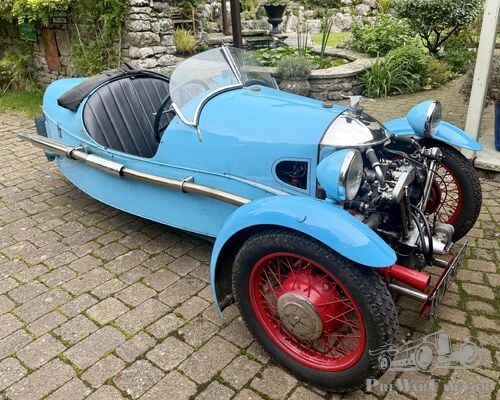
1933 Morgan Three-Wheeler Super Sports, Beetle Back • Show-Specification Car
First registered24 March 1933RegistrationXJ 6336 - original and transferableChassis numberD174Engine numberDTZE 94 H 31..
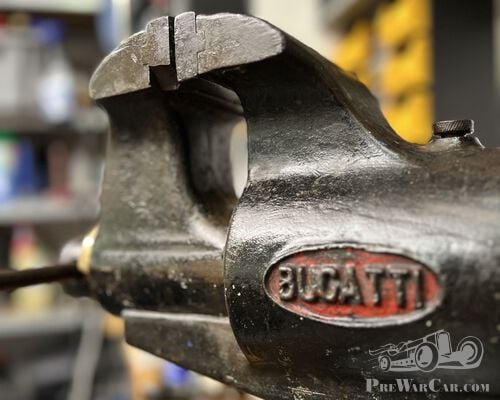
Original Molsheim Bugatti Schraubstock Nr. 52 (Matching Numbers!)
**Historisches Meisterwerk der Automobilgeschichte: Originaler Ettore Bugatti Werkstatt-Schraubstock („Bugatti Vise“) aus den 1920er Jahren – Matching..
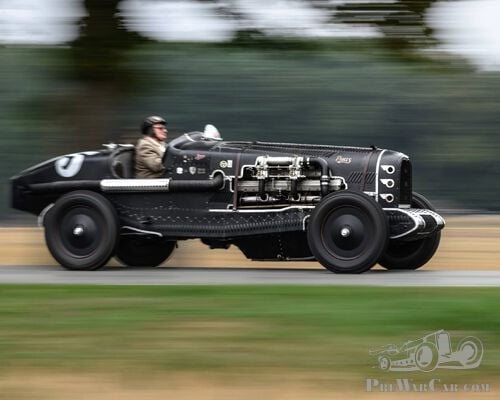
Delage DI, 1924, IL DRAGO RUGGENTE, one of few cars with an Aircraft engine and with war history.
A COLLECTOR'S OPPORTUNITY ONE-OFF. HAND-BUILT. UNREPEATABLE.A MACHINE WITH NO COMPARISONThere are special cars, there are racing cars..