Le magazine et marché mondial pour les passionnés de voitures classiques, par des passionnés.
Le magazine et marché mondial pour les passionnés de voitures classiques, par des passionnés.


Filter
Faites votre choix:
- Voir les voitures
-
Marque >>
-
Année >>
-
-
Catégorie >>
- Voir les motos
- Voir les pièces et plus
-
Marque de la voiture >>
-
Constructeur >>
-
Catégorie >>
- Vélos
-
Année >>
-
Pays



Un rêve d'Adelphia
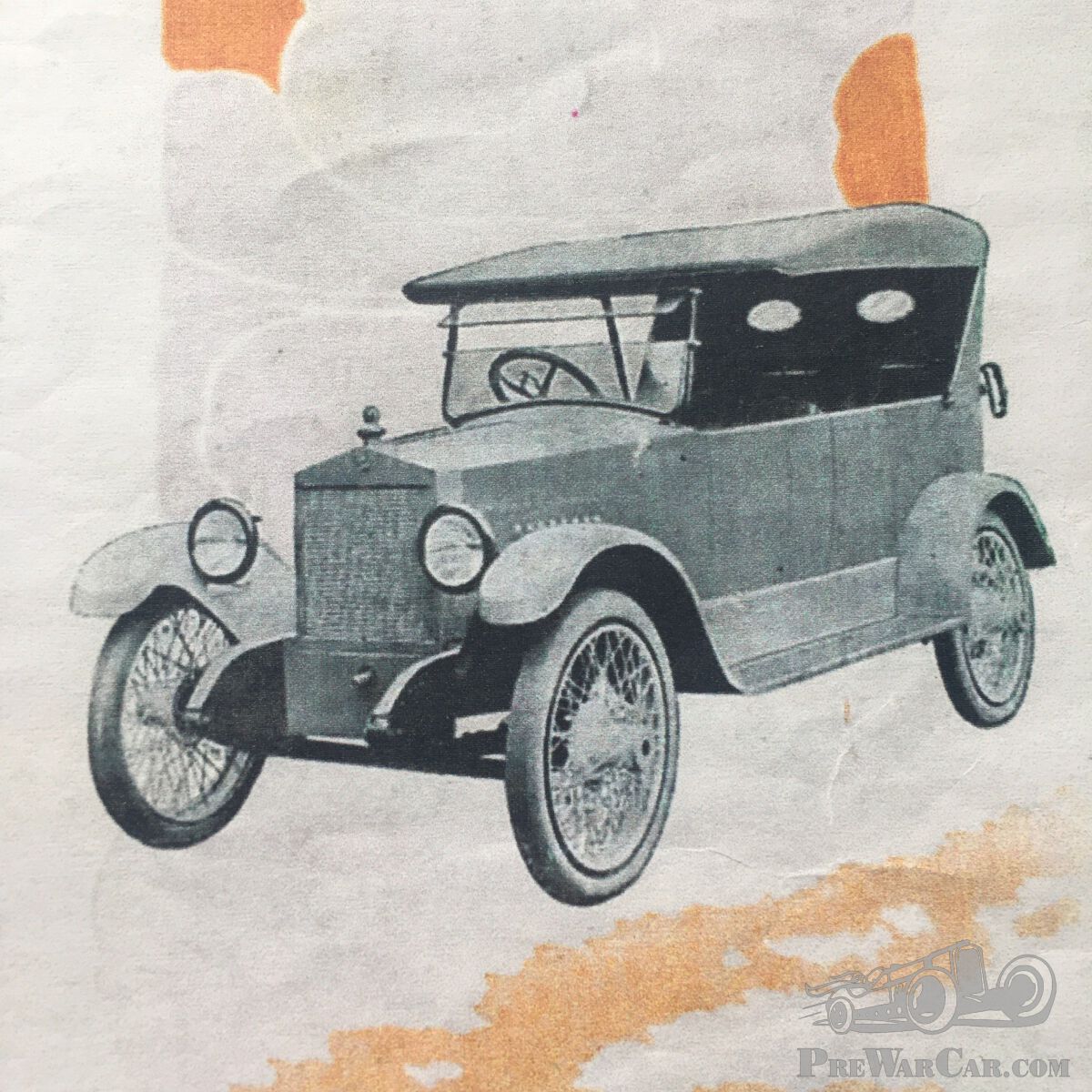
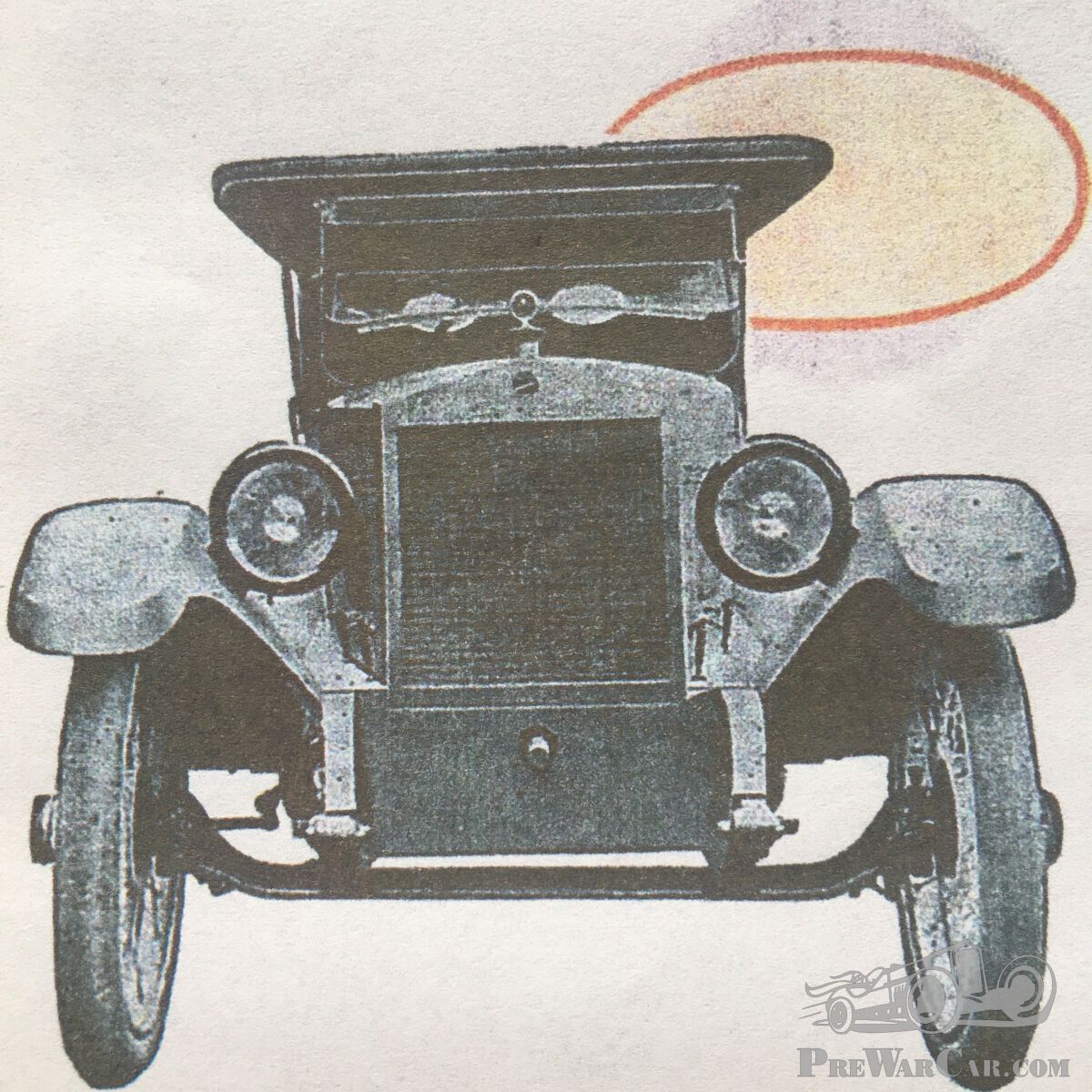
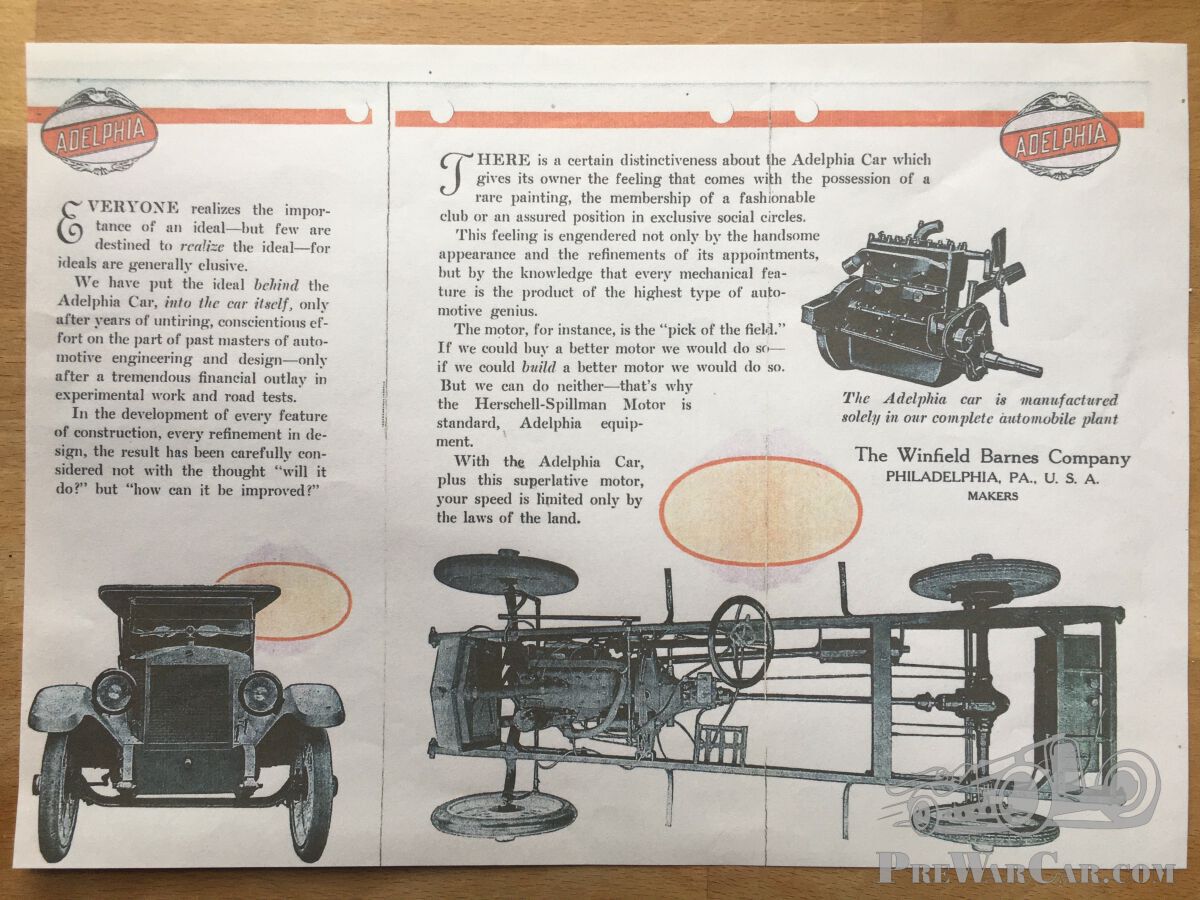
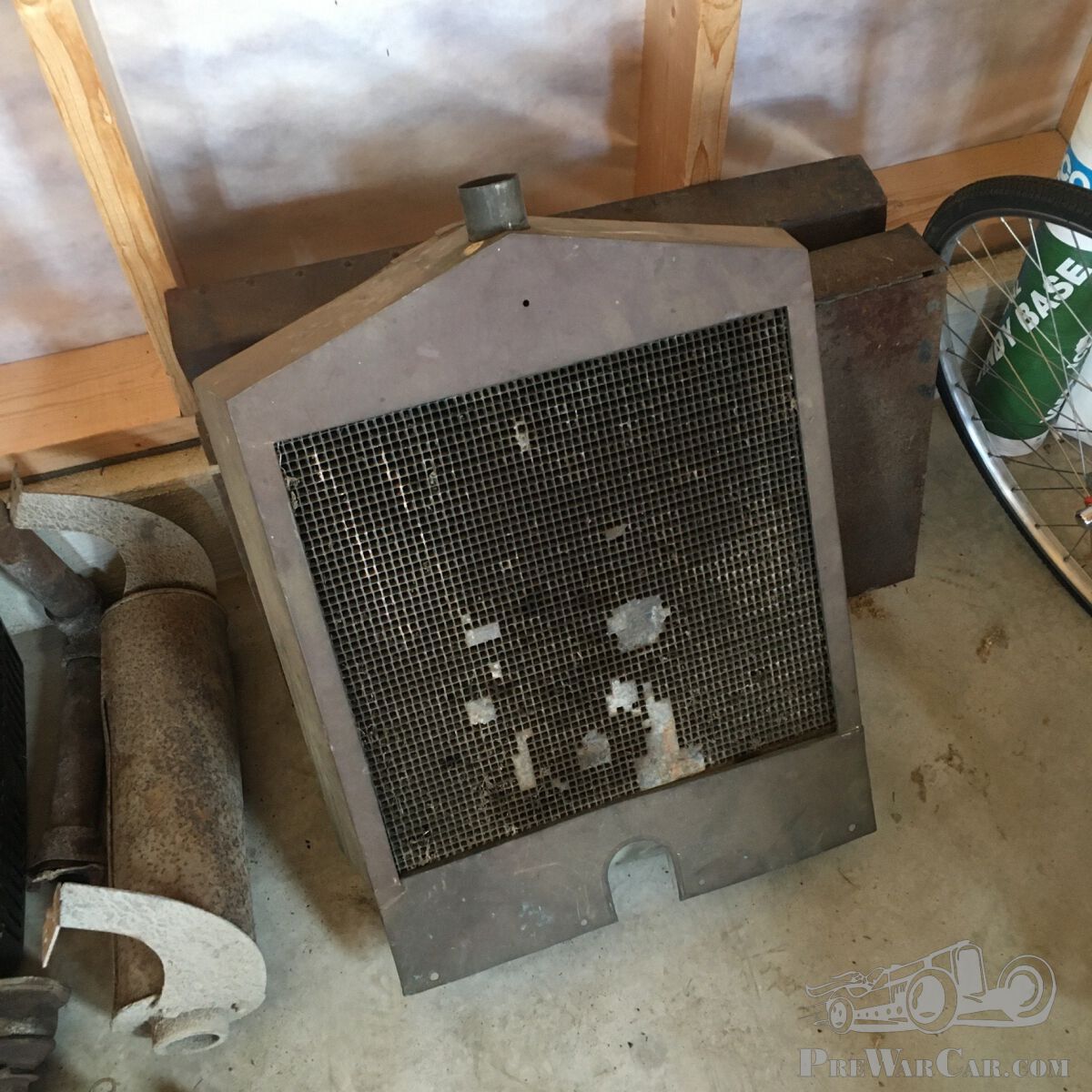
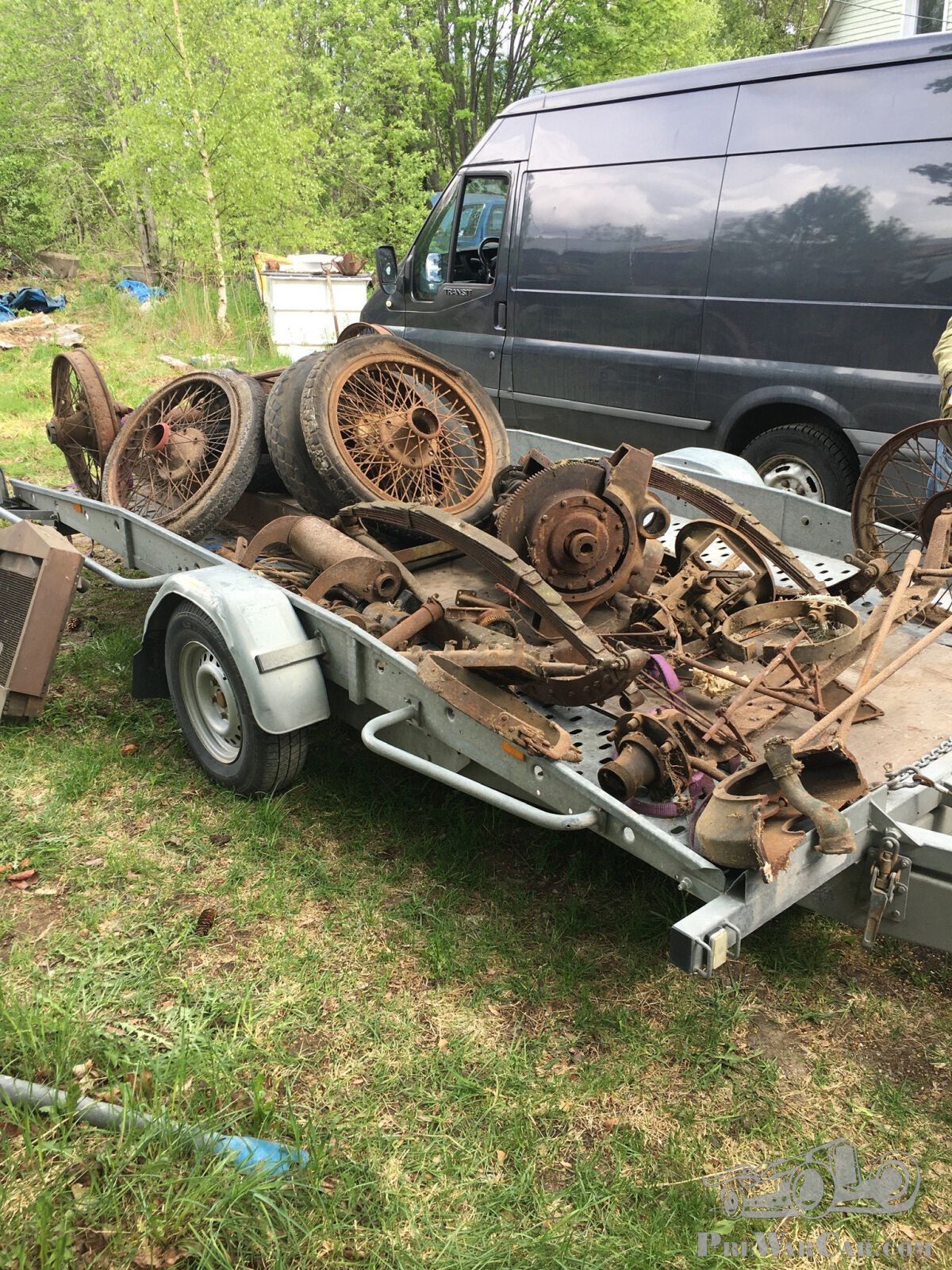
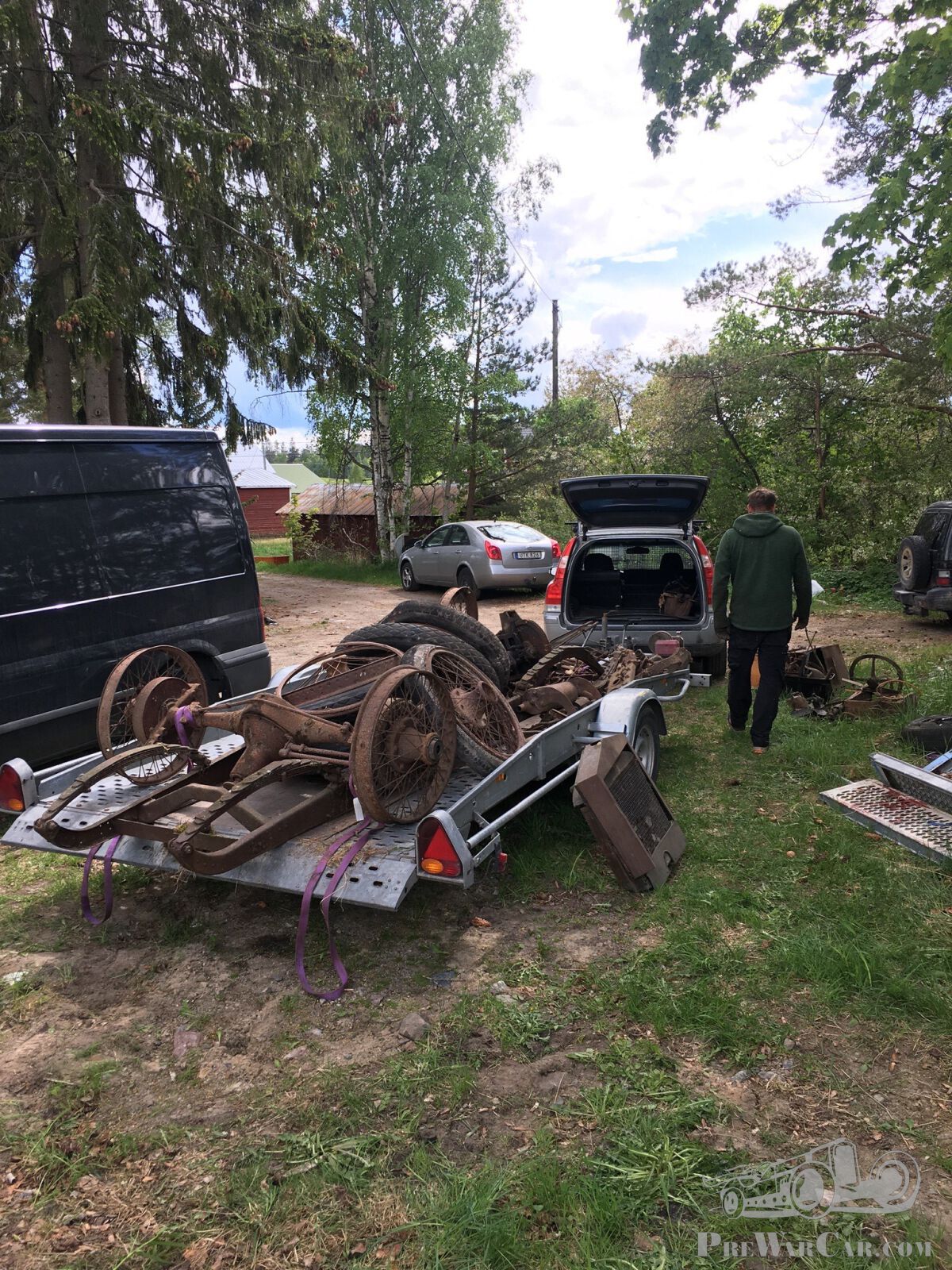
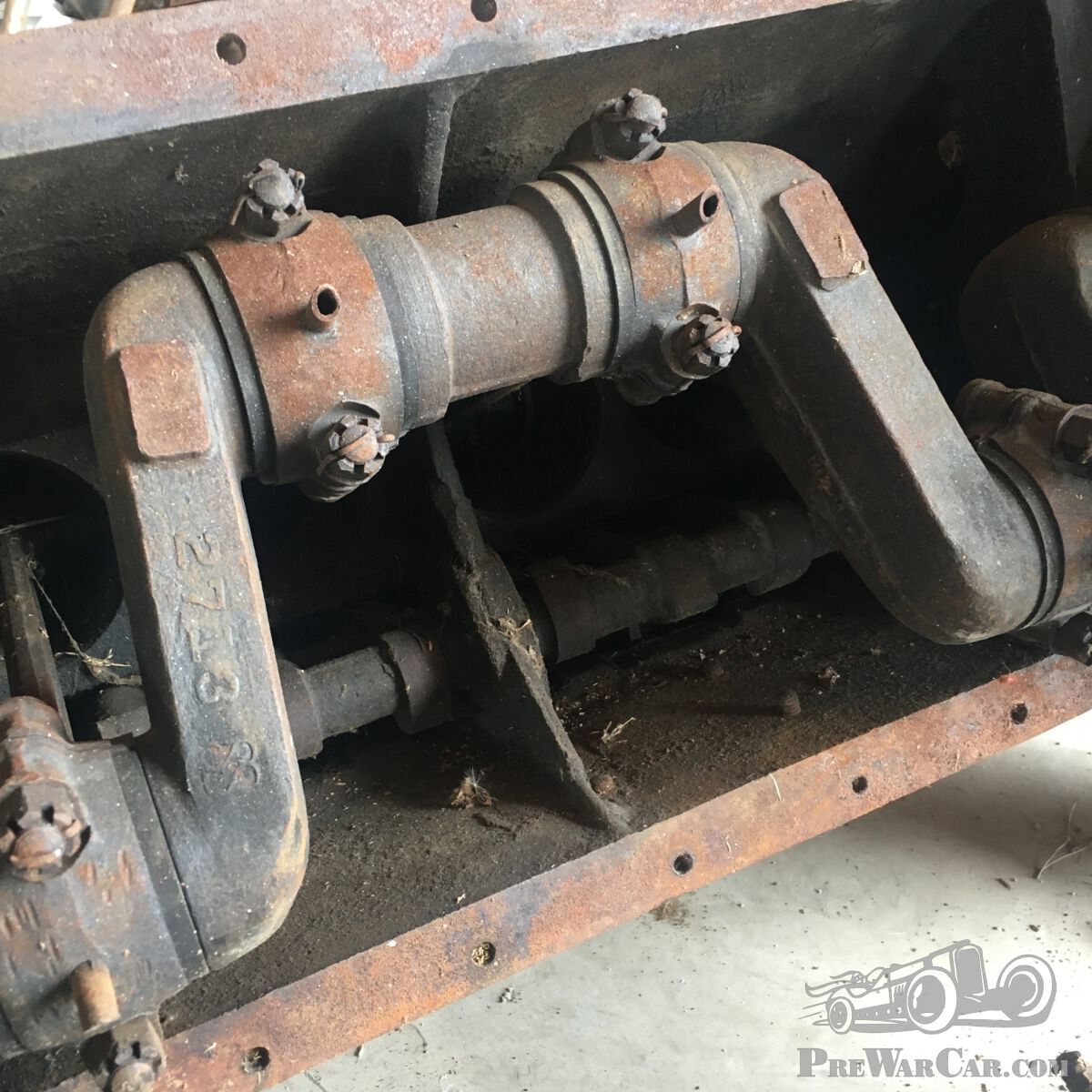


Trouver une voiture unique est une chose dont nous rêvons tous, mais ensuite c'est la réalité qui s'installe et vous voulez restaurer la voiture de la meilleure façon possible. Cependant les informations sont rares et d’autres voitures pareilles ne sont pas faciles à trouver. C'est plus ou moins la situation de Jonny Eriksson de Suède qui possède une voiture inhabituelle appelée Adelphia. La voiture ? Eh bien, c'est un châssis rouillé avec un radiateur, un capot et un volant. Jonny cherche à obtenir plus d'informations et espère qu'un survivant, quelque part dans le monde, pourra l'aider à recréer la carrosserie, ainsi que d'autres éléments, de manière plus précise.
Adelphia
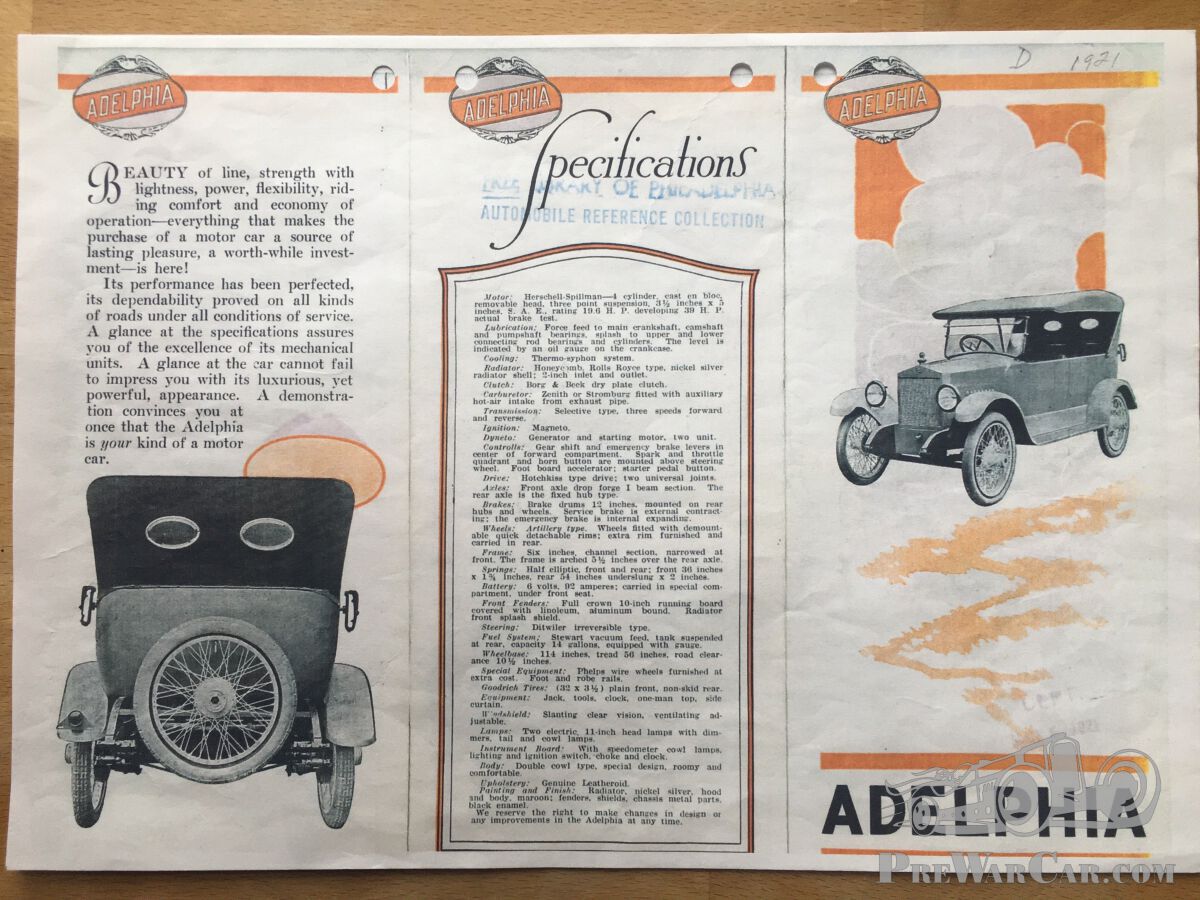
Au cours de l'été 1920, la Winfield Barnes Company de Philadelphie a présenté son automobile Adephia comme une voiture qui ne manquerait pas d'impressionner par son aspect à la fois luxueux et puissant. Selon leur brochure de vente, ils ont investi une grande partie de leur fortune dans des expérimentations et des essais sur route avant d'être suffisamment satisfaits pour produire la voiture parfaite. Il en a résulté un manque d'argent, et la production et la livraison effectives ont pris quelques mois de plus que prévu. Une livraison rapide n'est pas la seule promesse qu'ils ont faite et qu'ils n'ont pas tenue. "Une démonstration vous convaincra immédiatement que l'Adephia est votre type de voiture à moteur", écrivaient-ils, mais elle n'a manifestement pas apporté le succès qu'ils espéraient.
Le moteur Herschell-Spillman
La voiture s'appelait le Modèle 48 (ce fut également le seul modèle produit) avec le style de radiateur d'une Rolls-Royce. Elle était propulsée par un moteur Herschell-Spillman de 39 ch à quatre cylindres (3 ½ " par 5 " cylindres). Herschell-Spillman était surtout connu pour ses carrousels mais produisait également des moteurs pour diverses automobiles comme Dixie-Flyer et Abbott-Detroit. Elle disposait d'une boîte de vitesses à trois rapports de sa propre conception et ne freinait qu'avec les freins des roues arrière pour arrêter les pneus Goodrich 32" des roues d'artillerie. Quelques Adelphias seulement ont été produites avant que la production ne cesse un an plus tard, en 1921, et que l'usine ne soit vendue aux enchères en juillet de la même année.
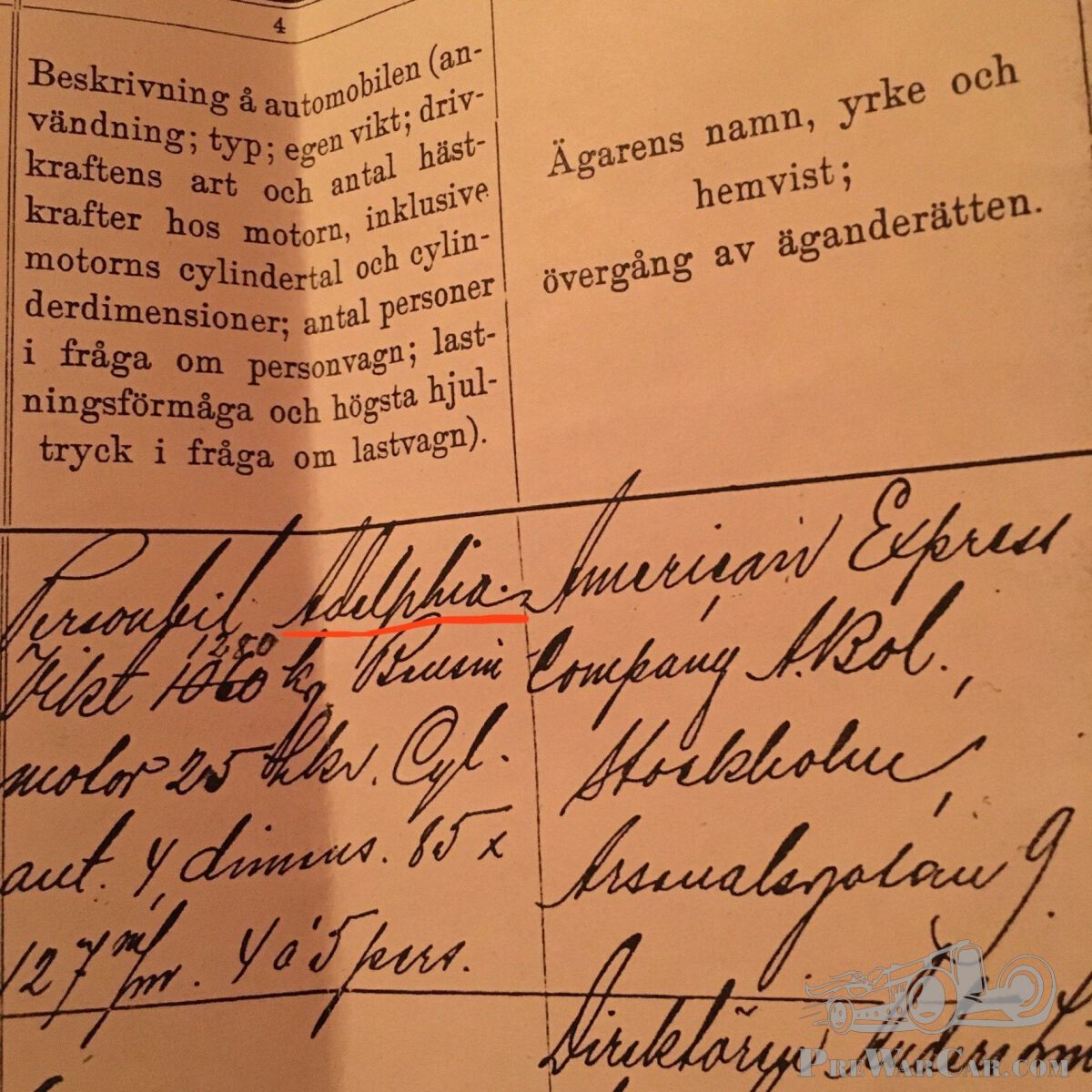
L'Adelphia de Jonny a été importée à Stockholm par American Express en 1921 et trois ans plus tard, en 1924, elle a déménagé à 100 km au nord, dans la ville de Gävle. En 1928, la voiture a été retirée du registre et on en sait moins sur elle. Elle est restée dans une grange à la campagne et n'a pas résisté à l'épreuve du temps totalement intacte. Quatre-vingts ans se sont écoulés avant que l'on entende à nouveau parler de l'Adelphia. Et maintenant, 15 ans plus tard, elle a déménagé de la grange aux soins attentifs d'un nouveau gardien. Complètement rouillée et en pièces détachées, la plupart des pièces ont été trouvées dans la grange, mais le châssis se trouvait dans une forêt tout près et il a fallu abattre un arbre pour le libérer. Le point positif est que tout semble complet. Et nous devons rester positifs pour mener à bien un tel projet.
Le mot grec "Adelphia" signifie "fraternité". Nous espérons donc que les "frères PreWarCar" pourront aider Jonny et faire de cette voiture la voiture parfaite.
Publié:
mardi juin 7th, 2022
Facebook
LinkedIn
Twitter
WhatsApp
Email
Copy
Commentaires
Jonny Eriksson
12 Juin 2022, 11:48
David Grimstead
13 Juin 2022, 21:06
Jonny, well done. You having confirmed that, it is now worth saying that although the Adelphia does not seem to have come to the UK at all, quite a few Alsace-4 were imported and sold here by the VIGO Trading Company, Vigo St., Regents St., London W1 between at least 1920 and 1923. They had a “Service Depot and Repair works at Belsize Place, Hampstead, London NW. There is a big colour advert (a drawn red car!) for them in the Motor Owner magazine June 1920. Georgano says the Alsace was at the 1920 London Motor Show and, in British papers, garages were advertising them being readily available for sale in spring 1920. Several UK garages had them in stock for sale that year priced at £595 but “shop-soiled” cars were down to £275 in late 1923. Some chassis probably got British-made 2-seater bodies. Alsace-4s turned up second hand for some time after that. Unfortunately, unlikely much left of them here now.
I would think that both cars were versions of the Piedmont 4-30, the Adelphia with a slightly shorter chassis perhaps to reduce cost, so they probably used some common components, although when sold as Piedmonts, some if not all were said to have had, I think, a Continental engine of similar spec to the Herschell-Spillman. You can search the Hathitrust website for “Piedmont 4-30” to find a full side view and specification; I copied it but not the page address.
By the way, I think I read that there are only three or four of that Piedmont model still in existence. Rare indeed, so once again best of luck with restoration. DG.
Lire la suite
I would think that both cars were versions of the Piedmont 4-30, the Adelphia with a slightly shorter chassis perhaps to reduce cost, so they probably used some common components, although when sold as Piedmonts, some if not all were said to have had, I think, a Continental engine of similar spec to the Herschell-Spillman. You can search the Hathitrust website for “Piedmont 4-30” to find a full side view and specification; I copied it but not the page address.
By the way, I think I read that there are only three or four of that Piedmont model still in existence. Rare indeed, so once again best of luck with restoration. DG.
Jonny Eriksson
14 Juin 2022, 11:03
David,
is it possible that you send all the information you found to my email?
[email protected]
Thanks,
Jonny
Lire la suite
is it possible that you send all the information you found to my email?
[email protected]
Thanks,
Jonny
Jonny Eriksson
08 Juin 2022, 09:41
Hi David!
Thank you for your knowledge but I'm very sure it's an Adelphia. I have registration paper that says adelphia. I also have old newspaper ads where they sell an Adelphia in Stockholm in May 1921. I think that if the production ended in October 1920 and an Adelphia would be sold in Stockholm, it would probably take 3 months just to get it to Stockholm. and with some delays maybe...
By the way, my top bow holders do not match Alsace, but they do match the Adelphia picture, etc. the radiator does not feel the same either.
Could you send all the info you have about Winfield and Barnes co and the Adelphia project? Either here on comments so we can all take part of the information or on my email [email protected]
All the Best,
Jonny
Lire la suite
Thank you for your knowledge but I'm very sure it's an Adelphia. I have registration paper that says adelphia. I also have old newspaper ads where they sell an Adelphia in Stockholm in May 1921. I think that if the production ended in October 1920 and an Adelphia would be sold in Stockholm, it would probably take 3 months just to get it to Stockholm. and with some delays maybe...
By the way, my top bow holders do not match Alsace, but they do match the Adelphia picture, etc. the radiator does not feel the same either.
Could you send all the info you have about Winfield and Barnes co and the Adelphia project? Either here on comments so we can all take part of the information or on my email [email protected]
All the Best,
Jonny
David Grimstead
08 Juin 2022, 19:42
Jonny,
Thank you. Never any question that what you have is an Adelphia not an Alsace. But it is striking, the almost matching specification and common supplier names for both cars and the fact that both were evidently made in Philadelphia, the home of Winfield Barnes.
Confirmation that they came from the same manufacturer, at least indirectly, can be found in Marián Šumen-Hreblay’s Automobile Manufacturers Worldwide Registry, where the entry for the Adelphia brand says: “USA 1920. Winfield-Barnes Co., Philadelphia. Built for export only. Plant sold by receivers June 1922. Built by Piedmont.”
And for the Alsace brand: “USA 1919-1921. Automotive Products Corp. New York, N.Y.; Philadelphia Pennsylvania. Built by Piedmont Motor Company, Lynchburg, Virginia and Simms Motor Car Company, Atlanta Georgia. For export only. Passenger cars.”
That seems to confirm the connection from Piedmont Motor Company through the Alsace and its link to Adelphia, but not how much of the manufacture and assembly of either car Winfield Barnes did. Piedmont “supplied” a lot of cars which all looked the same bodily from the radiator back and had similar chassis. Mostly what changed were external features and detail changes to batches of chassis components during production of each model – like your radiator.
Not much more useful information I can add to the Adelphia story but let’s hope it means there are lots of suitable spares for you to find!
Good luck!
David G.
Lire la suite
Thank you. Never any question that what you have is an Adelphia not an Alsace. But it is striking, the almost matching specification and common supplier names for both cars and the fact that both were evidently made in Philadelphia, the home of Winfield Barnes.
Confirmation that they came from the same manufacturer, at least indirectly, can be found in Marián Šumen-Hreblay’s Automobile Manufacturers Worldwide Registry, where the entry for the Adelphia brand says: “USA 1920. Winfield-Barnes Co., Philadelphia. Built for export only. Plant sold by receivers June 1922. Built by Piedmont.”
And for the Alsace brand: “USA 1919-1921. Automotive Products Corp. New York, N.Y.; Philadelphia Pennsylvania. Built by Piedmont Motor Company, Lynchburg, Virginia and Simms Motor Car Company, Atlanta Georgia. For export only. Passenger cars.”
That seems to confirm the connection from Piedmont Motor Company through the Alsace and its link to Adelphia, but not how much of the manufacture and assembly of either car Winfield Barnes did. Piedmont “supplied” a lot of cars which all looked the same bodily from the radiator back and had similar chassis. Mostly what changed were external features and detail changes to batches of chassis components during production of each model – like your radiator.
Not much more useful information I can add to the Adelphia story but let’s hope it means there are lots of suitable spares for you to find!
Good luck!
David G.
Jonny Eriksson
09 Juin 2022, 12:58
HI David!
Yes and thanks for your valuable information. I think Piedmont co. was the assembly factory. I wonder how many Adelphias they managed to assembly under such a short time. They started in summer (July?) 1920 and ended in october 1920. Thats only like 4 months.
All the best,
Jonny
Lire la suite
Yes and thanks for your valuable information. I think Piedmont co. was the assembly factory. I wonder how many Adelphias they managed to assembly under such a short time. They started in summer (July?) 1920 and ended in october 1920. Thats only like 4 months.
All the best,
Jonny
David Grimstead
10 Juin 2022, 13:47
Jonny, a Winfield Barnes full page advert, with a perfect side view of an Adelphia, appeared on page 74 of the July 1920 Commercial American Magazine and was probably the only version W-B had time to print, although it was also published in Spanish (“El Automovil Americano”) and French magazines. It can be accessed at: h**ps://babel.hathitrust.org/cgi/pt?id=uc1.c2554676&view=1up&seq=312&skin=2021&q1=barnes
Note it says the Adelphia “is constructed” at their plant and a classified entry gave the address: “The Winfield Barnes Company 20th and Erie Avenue, Philadelphia, Pennsylvania, Exporters of automobiles, trucks and accessories.”
A Federal bankruptcy receiver was appointed in October 1920 when the company had $609,960 assets and $208,808 liabilities but the slump in money markets had left them only $757 cash. Its equipment was auctioned June 1921 “for very small sums” but bids for their two sites were not accepted. When finally sold in January 1922 they made $116,000, which was £31,000 over their valuation.
If you Google “20th and Erie”, Streetview shows one corner is occupied by a large two storey old brick-built factory, now a storage facility. Sales data says it was built in 1921 but was this where the Adelphia was built or was it at their second smaller premises on Cherry Street?
Lire la suite
Note it says the Adelphia “is constructed” at their plant and a classified entry gave the address: “The Winfield Barnes Company 20th and Erie Avenue, Philadelphia, Pennsylvania, Exporters of automobiles, trucks and accessories.”
A Federal bankruptcy receiver was appointed in October 1920 when the company had $609,960 assets and $208,808 liabilities but the slump in money markets had left them only $757 cash. Its equipment was auctioned June 1921 “for very small sums” but bids for their two sites were not accepted. When finally sold in January 1922 they made $116,000, which was £31,000 over their valuation.
If you Google “20th and Erie”, Streetview shows one corner is occupied by a large two storey old brick-built factory, now a storage facility. Sales data says it was built in 1921 but was this where the Adelphia was built or was it at their second smaller premises on Cherry Street?
Jonny Eriksson
12 Juin 2022, 11:35
David!
Wow! thats wonderful information! Thanks alot!
-Jonny
Lire la suite
Wow! thats wonderful information! Thanks alot!
-Jonny
David Grimstead
07 Juin 2022, 19:57
It may prove fortunate but as confusing for Jonny Eriksson as for me that his car was probably not sold uniquely as an Adelphia...
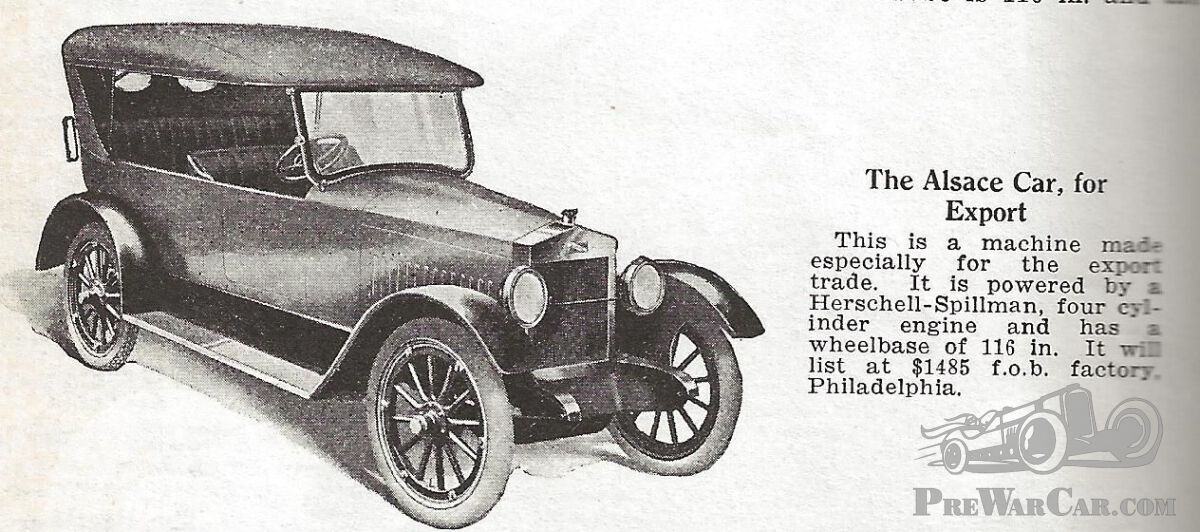
According to Georgano’s Encyclopaedia, Winfield Barnes $1695 export Adelphia only existed between summer and autumn 1920, but a car with a near identical specification and appearance, including a Rolls-Royce style radiator, was described in detail in the 1919 Chilton Automobile Directory as “The Alsace; a New Car for the Export Trade, being turned out by the Automotive Products Corporation of Woolworth Building, New York City” but “manufactured in Philadelphia” – suggesting they had it made by Winfield Barnes.
Automotive Products Corp. was allied with the American Steel Export Company and planned to sell the Alsace “through well established foreign distributors at certain trade centers.” It was right hand drive only, “parts utilized in its make-up are those which will give service in the hands of the average foreign user and upon which the replacement for renewals will not be difficult.” (NB: Alsace was a politically sensitive name in post-WWI Europe; Adelphia was a better export name.)
Just like the Adelphia, the Alsace engine was the 4-cylinder, 3.5 x 5 inch Herschell-Spillman, with honeycomb Rolls-Royce type radiator and thermo-syphon cooling, a Zenith carburettor, Bosch magneto and fuel-feed by Stewart vacuum. It was fitted with a Dyneto two-unit electric starter and dynamo, which charged a Philadelphia Diamond Grid 6-volt, 120-amp battery.
Its frame was 5-inch section with semi-elliptic springs front and rear; wheelbase was 116 inches and tread 56 inches. A Grant-Lees selective-type three-speed transmission drove via a fully–floating Hotchkiss-type axle, which was made by Stan Par as was the I-beam front axle. Rear wheel only brakes were 14 x 2 inch drums in wooden artillery wheels, these having demountable rims with a spare rim mounted on the rear body. Tires were 32 x 4 inch all round; non-skid at the rear and plain in front, either Fiske or Goodrich.
It had full crowned fenders fitted to a body that was “5-passenger, straight line, and has a one man top.” It was available painted deep red, Rolls Royce Blue or Cobalt Blue, with black enamelled fenders, splash-pans and shields. The windshield was slanted but fully adjustable and the upholstery was “leatheroid.” The Alsace weighed 2600lb and the ex-Philadelphia factory price in 1919 was $1485.
Subject to Winfield Barnes “changes in design or any improvements” caveat, all very similar but Georgano describes the Alsace and its 1921 photo as “in fact a Piedmont built for the export market” by the Piedmont Motor Company of Lynchburg, Virginia, which was supplying many badge-engineered cars at the time but failed during 1922. Although Georgano makes no connection between Alsace and Adelphia and gives no indication the Piedmont/Alsace was made in Philadelphia, the Chilton Directory and Winfield Barnes brochure seem to identify Alsace and Adelphia as essentially the same 19.6-h.p. car, both made some time between 1919 and 1922 in Philadelphia. Was Winfield Barnes assembling these export cars for Piedmont or just using their parts and assembling them for others?
Lire la suite
According to Georgano’s Encyclopaedia, Winfield Barnes $1695 export Adelphia only existed between summer and autumn 1920, but a car with a near identical specification and appearance, including a Rolls-Royce style radiator, was described in detail in the 1919 Chilton Automobile Directory as “The Alsace; a New Car for the Export Trade, being turned out by the Automotive Products Corporation of Woolworth Building, New York City” but “manufactured in Philadelphia” – suggesting they had it made by Winfield Barnes.
Automotive Products Corp. was allied with the American Steel Export Company and planned to sell the Alsace “through well established foreign distributors at certain trade centers.” It was right hand drive only, “parts utilized in its make-up are those which will give service in the hands of the average foreign user and upon which the replacement for renewals will not be difficult.” (NB: Alsace was a politically sensitive name in post-WWI Europe; Adelphia was a better export name.)
Just like the Adelphia, the Alsace engine was the 4-cylinder, 3.5 x 5 inch Herschell-Spillman, with honeycomb Rolls-Royce type radiator and thermo-syphon cooling, a Zenith carburettor, Bosch magneto and fuel-feed by Stewart vacuum. It was fitted with a Dyneto two-unit electric starter and dynamo, which charged a Philadelphia Diamond Grid 6-volt, 120-amp battery.
Its frame was 5-inch section with semi-elliptic springs front and rear; wheelbase was 116 inches and tread 56 inches. A Grant-Lees selective-type three-speed transmission drove via a fully–floating Hotchkiss-type axle, which was made by Stan Par as was the I-beam front axle. Rear wheel only brakes were 14 x 2 inch drums in wooden artillery wheels, these having demountable rims with a spare rim mounted on the rear body. Tires were 32 x 4 inch all round; non-skid at the rear and plain in front, either Fiske or Goodrich.
It had full crowned fenders fitted to a body that was “5-passenger, straight line, and has a one man top.” It was available painted deep red, Rolls Royce Blue or Cobalt Blue, with black enamelled fenders, splash-pans and shields. The windshield was slanted but fully adjustable and the upholstery was “leatheroid.” The Alsace weighed 2600lb and the ex-Philadelphia factory price in 1919 was $1485.
Subject to Winfield Barnes “changes in design or any improvements” caveat, all very similar but Georgano describes the Alsace and its 1921 photo as “in fact a Piedmont built for the export market” by the Piedmont Motor Company of Lynchburg, Virginia, which was supplying many badge-engineered cars at the time but failed during 1922. Although Georgano makes no connection between Alsace and Adelphia and gives no indication the Piedmont/Alsace was made in Philadelphia, the Chilton Directory and Winfield Barnes brochure seem to identify Alsace and Adelphia as essentially the same 19.6-h.p. car, both made some time between 1919 and 1922 in Philadelphia. Was Winfield Barnes assembling these export cars for Piedmont or just using their parts and assembling them for others?
I found this. just as you thought it seems like the Alsace were the precursor of the Adelphia car.
Best wishes,
Jonny