Le magazine et marché mondial pour les passionnés de voitures classiques, par des passionnés.
Le magazine et marché mondial pour les passionnés de voitures classiques, par des passionnés.


Filter
Faites votre choix:
- Voir les voitures
-
Marque >>
-
Année >>
-
-
Catégorie >>
- Voir les motos
- Voir les pièces et plus
-
Marque de la voiture >>
-
Constructeur >>
-
Catégorie >>
- Vélos
-
Année >>
-
Pays



An amazing piece of Art Deco History

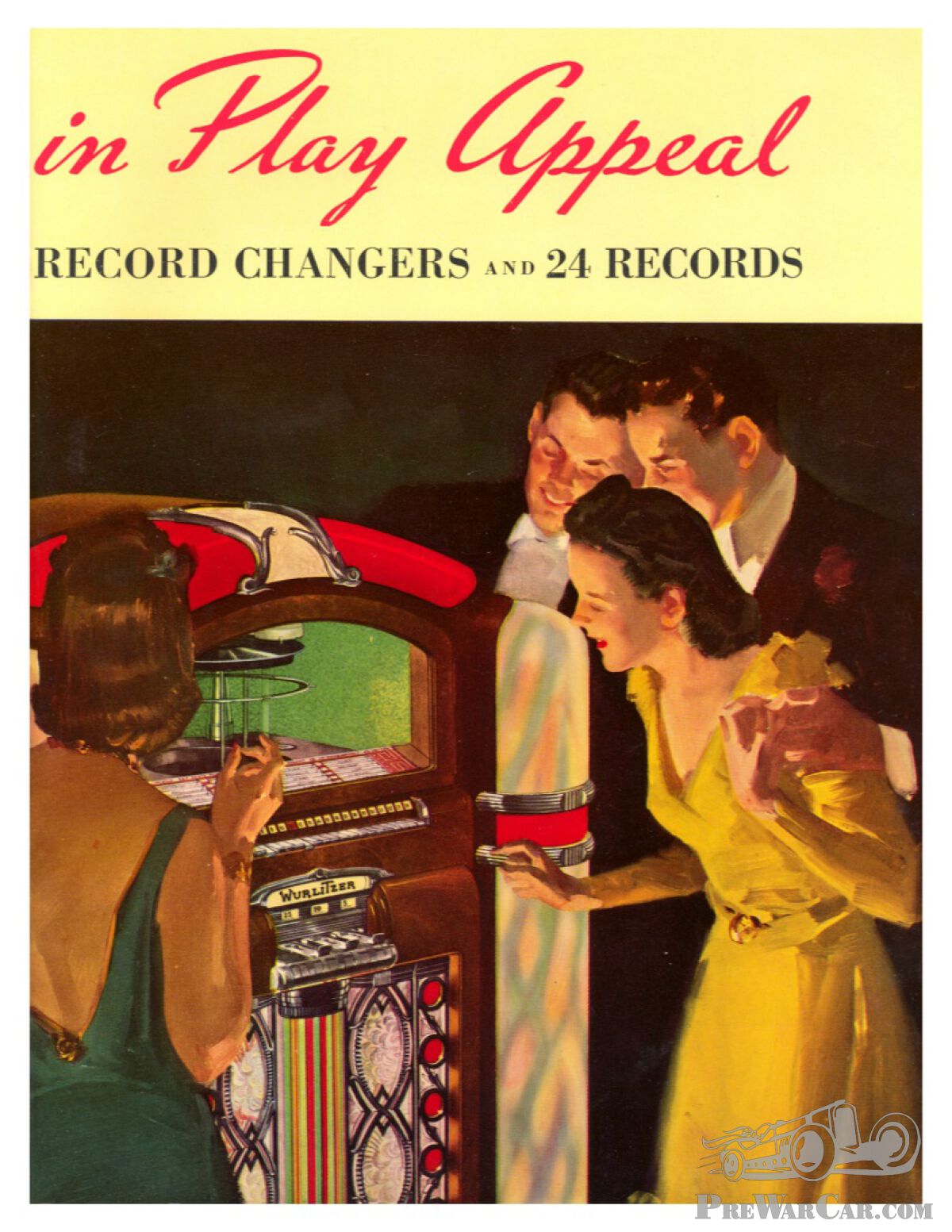


When we were actually looking for something else in our online marketplace, our eye caught this very colourful jukebox! Wouldn`t it be fun to have - as a classic car owner - something that plays music from the era your car is from? This can, for instance, be a gramophone. Another example is this ultimate showpiece. An original Wurlitzer jukebox model 800 from 1940 that plays 78 rpm records. This particular jukebox is the 897th built of approximately 10K. There are very few examples that have survived. A wonderful accessory to decorate your house, garage or man/woman cave with!
Illuminated flowing bubbles
The Model 800 is the first ever jukebox to have tubes with illuminated flowing bubbles. The cabinet of the Model 800 is handmade of myrtle burl and selected figured matched walnut veneers with a carved hardwood scuff-proof base. This model has a steel reinforced structure with illuminated plastics and motor driven colour cylinders in the pilasters. It has a beautifully ornate chrome grille and trim. It is an absolutely amazing piece of art deco history!
It wasn't until 1940, the year that the Wurlitzer Model 800 appeared, the word “jukebox” came into use. The name “jukebox” was derived from the familiar usage “juke joint” which in turn came from the Gullah (a southern US creole language) word “juke” or “jooq”. The word “juke”/ “jooq” meant: to be disorderly, rowdy, or wicked! And so listening or dancing to a jukebox was known as juking. Click here to watch a video of the jukebox playing.
The Wurlitzer family
The musical tradition of the Wurlitzer family can be traced back as far as the 17th century. The forefathers of Rudolph Wurlitzer had already made a name for themselves in Saxony as manufacturers and dealers of musical instruments prior to emigrating to the US. Rudolph Wurlitzer arrived in America in 1853 at the age of 24 and founded The Wurlitzer Company in 1856. At first, he imported musical instruments and opened sales outlets in all the big US cities. He started production of pianos in America in 1880.
In 1896, Wurlitzer introduced the first coin-operated piano. It was named the “tonophone”. It set the scene for the famous Wurlitzer cinema and theatre organs. These “mighty Wurlitzers” provided a huge turnover for the company, especially in the silent film era of the early 20th century. These machines were produced in the famous manufacturing plant at North Tonawanda, near Buffalo, New York State, which had been acquired in 1908. With the advent of the “talkies”, around 1928, Wurlitzer found themselves with a shrinking market and few liquid assets. Then came the stock market crash on Wall Street in 1929. But things were about to change. Farny Wurlitzer, the youngest son of the firm’s founder, bought a patented music box mechanism in 1930 and took on its inventor, Homer Capehart. Farny then hired a brilliant designer by the name of Paul Fuller. This was the beginning of the “golden” era for Wurlitzer with their first jukeboxes which played 78 rpm records. Wurlitzer quickly took over 60% of the booming jukebox market. During the 1930s, the name Wurlitzer became synonymous with the jukebox, with the company's “music for millions” trademark.
Up to this time the elite circles in America had been well served with pianos and theatre organs. Now the Wurlitzer jukebox became a familiar sight to every restaurant or bar customer with the first “P10” model in 1933. After inserting a coin, one could select a song from a choice of record titles. During the 1930s, the jukebox became the “small man’s concert hall”. By the early 1940s, Wurlitzer produced some of the most handsome jukeboxes the world had ever seen, all starting with the Model 800 in 1940.
Would you like to own a very special piece of history? This Wurlitzer Model 800 is for sale. Interested or you like to know more about this absolutely amazing piece of Art Deco history? Click here!
Publié:
mardi juillet 9th, 2019
Facebook
LinkedIn
Twitter
WhatsApp
Email
Copy
Commentaires
Larry A. Lewis
09 Juillet 2019, 16:16
There is a pub here in Toronto called Allen's that has a Wurlitzer bubbling jukebox- it's not quite the same as this but still. Also, Ernest Hemingway had a Capehart record player at his home in Cuba with a vast collection of jazz records.
Lire la suite