Le magazine et marché mondial pour les passionnés de voitures classiques, par des passionnés.
Le magazine et marché mondial pour les passionnés de voitures classiques, par des passionnés.


Filter
Faites votre choix:
- Voir les voitures
-
Marque >>
-
Année >>
-
-
Catégorie >>
- Voir les motos
- Voir les pièces et plus
-
Marque de la voiture >>
-
Constructeur >>
-
Catégorie >>
- Vélos
-
Année >>
-
Pays



Les autos à l’Astor: le salon automobile pour l’élite américaine
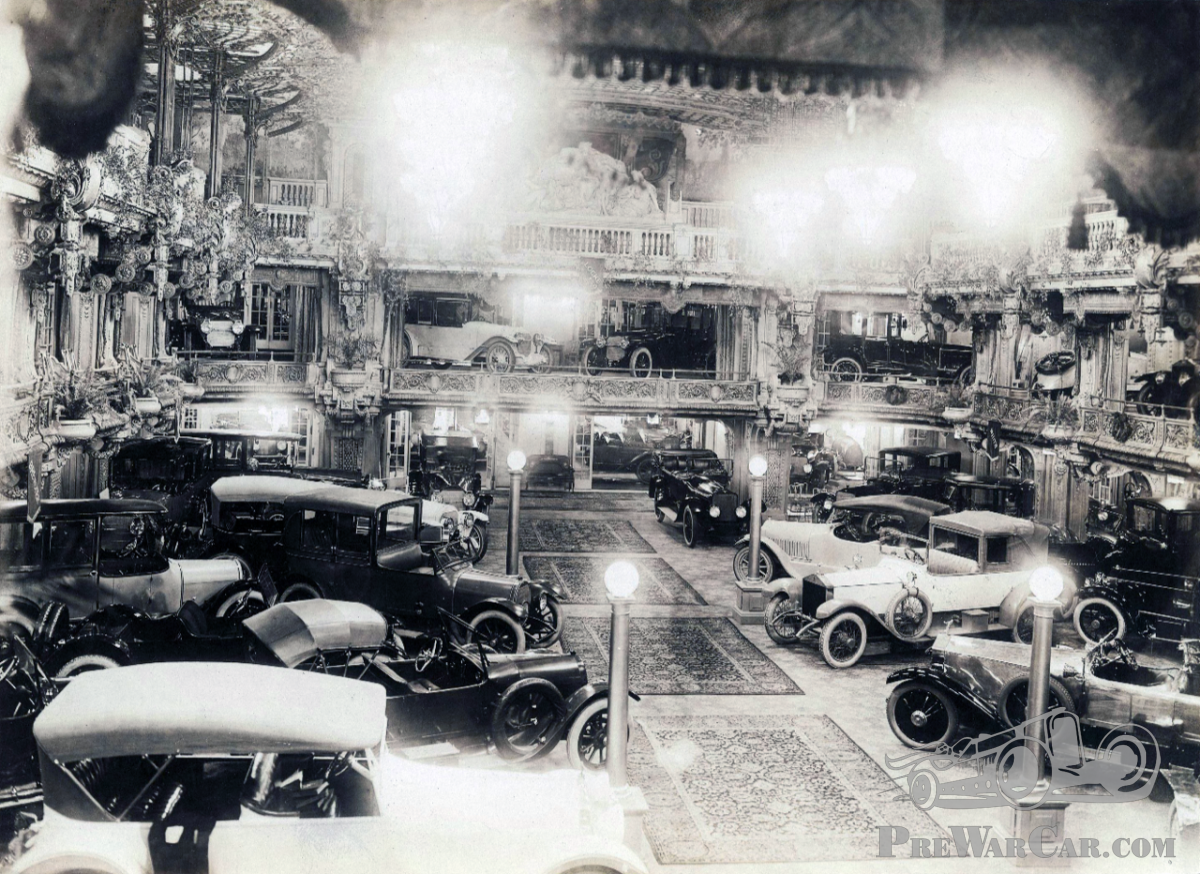
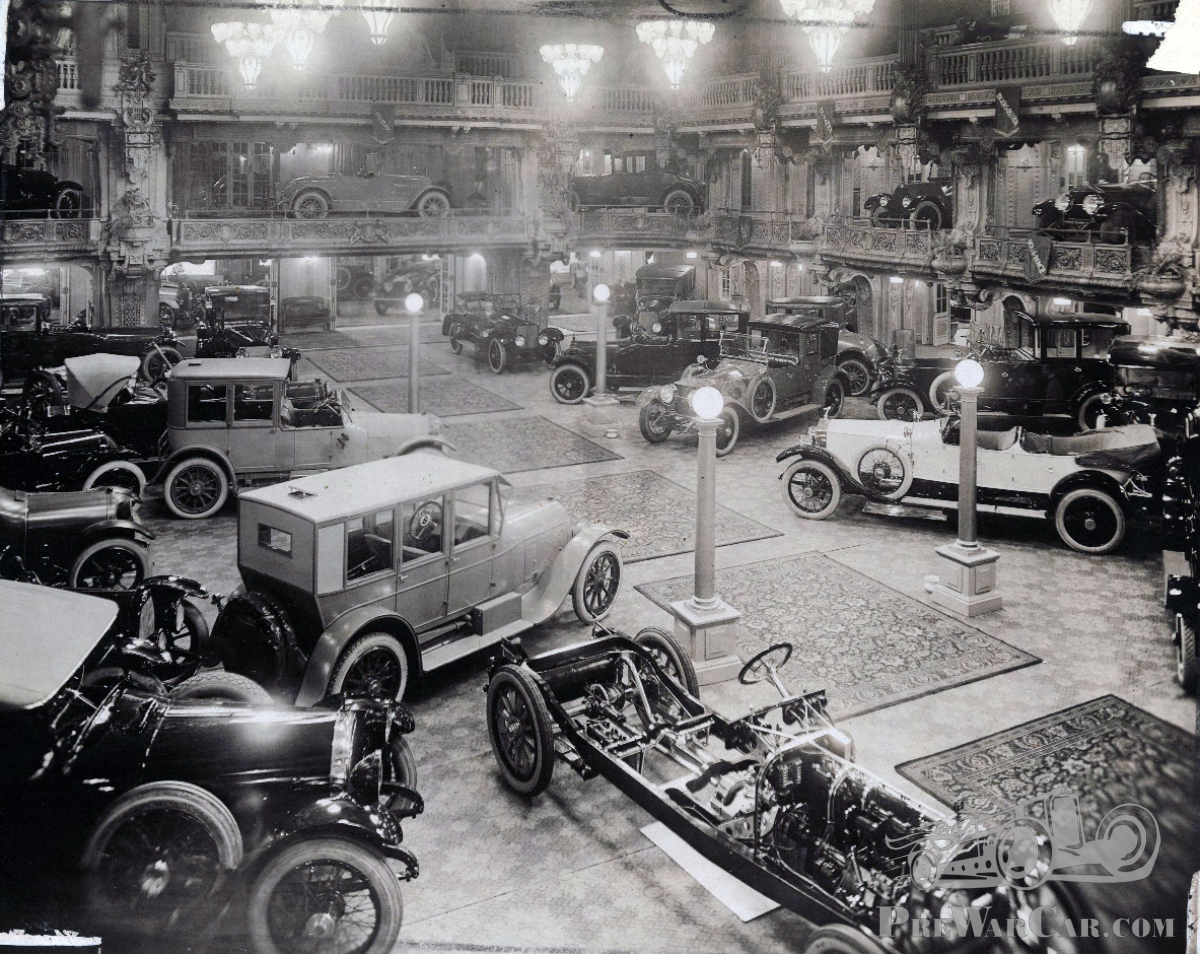
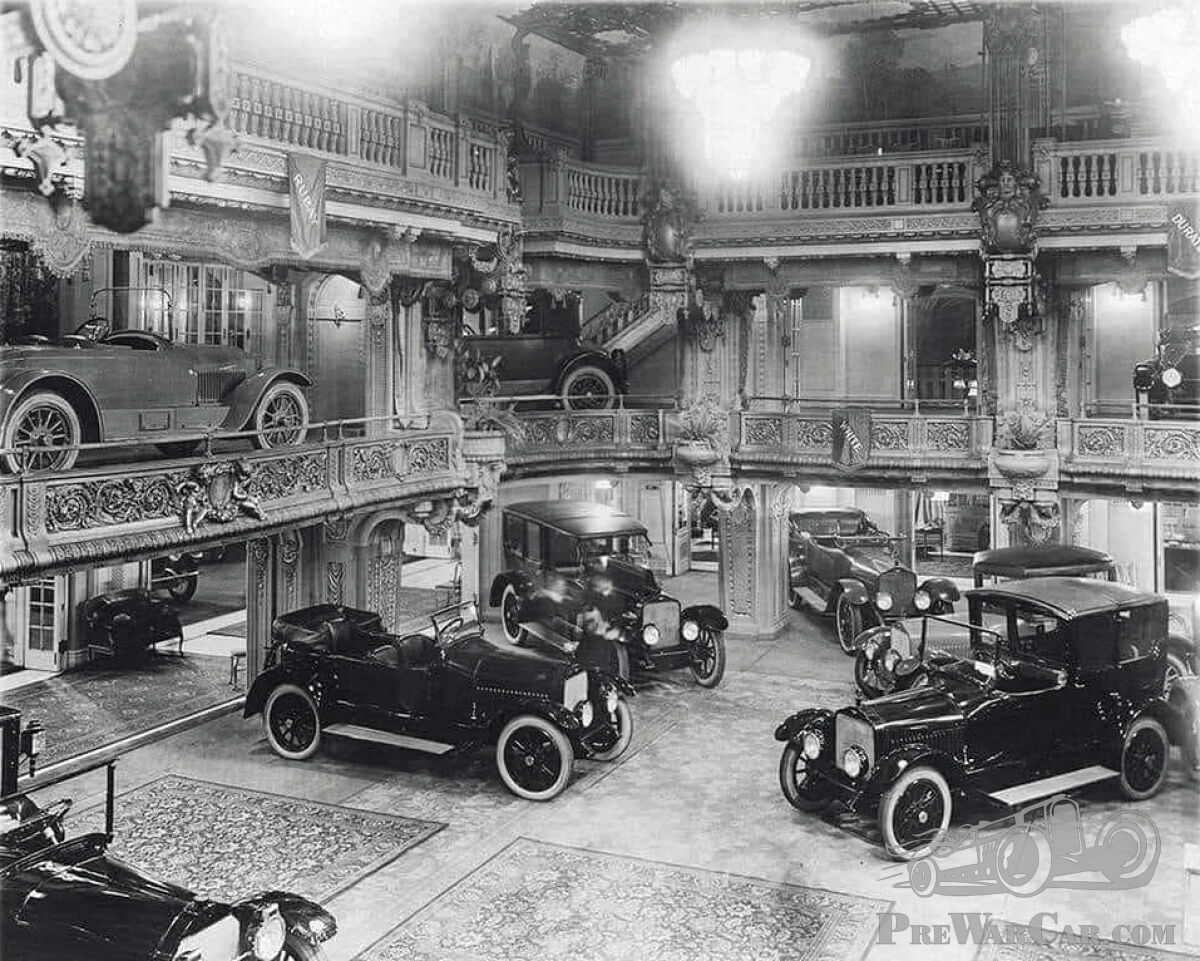
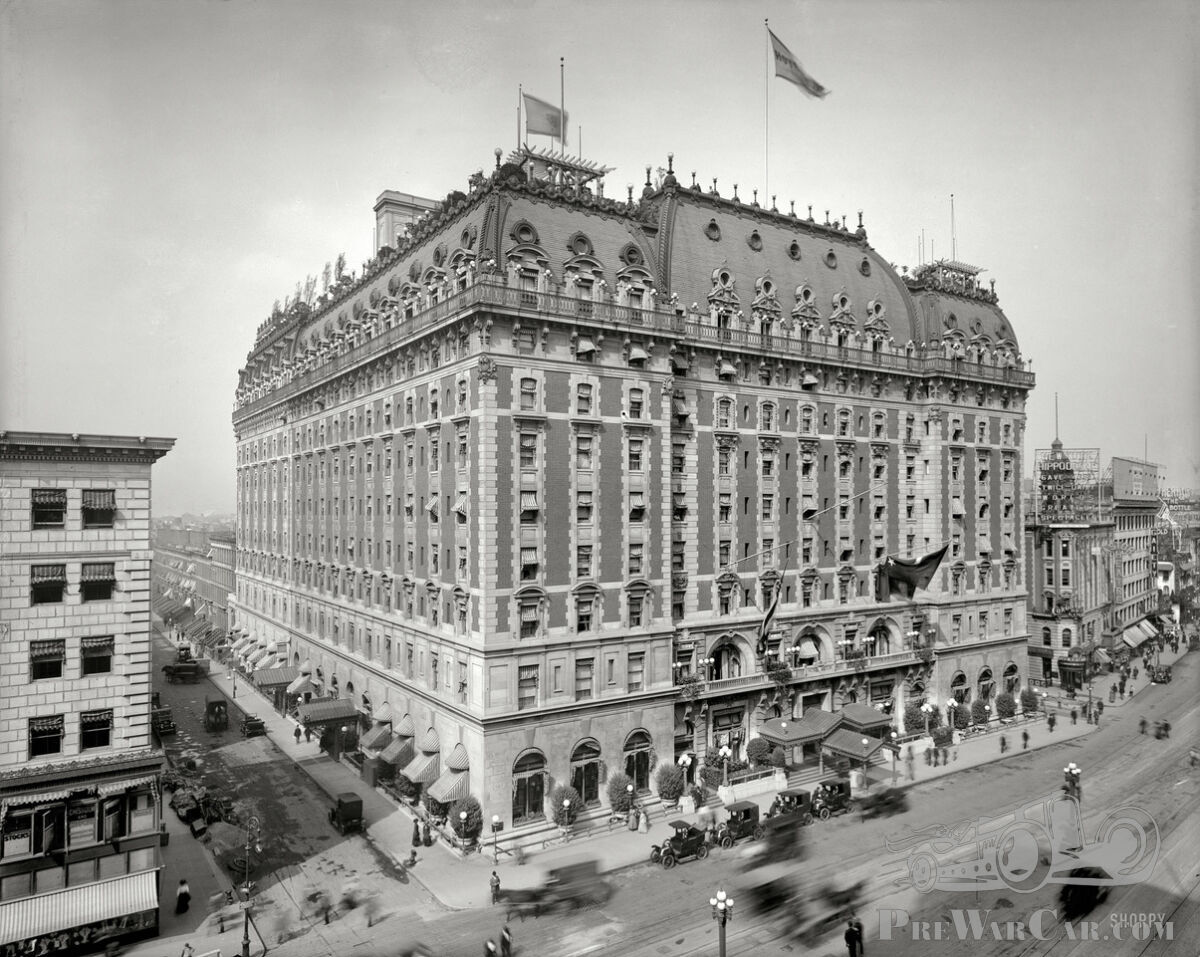


Il y a le luxe, et il y a le luxe du début du XXe siècle—imaginez savourer du champagne sec tout en parcourant l’Orient Express, ou dormir sur des draps de soie à bord du Titanic. Les avions à réaction traversant les continents n’étaient pas encore inventés, mais les hôtels de luxe étaient à la mode, et ce que la White Star Line était pour l’océan Atlantique, l’Hôtel Astor était pour la ville de New York.
Situé sur Broadway, au cœur de Manhattan, l’hôtel de onze étages a été construit en 1905 et comprenait un jardin sur le toit ressemblant à un mini Central Park. À l’intérieur, il y avait des salles de bal et des restaurants richement décorés, dont l’American Indian Grill Room, décoré d’artefacts collectés avec l’aide de l’American Museum of Natural History. L’hôtel utilisait le slogan suivant pour attirer les invités : "Avoir séjourné à l’Astor, c’est avoir vécu à New York."
Tout ce qu'il vous fallait pour vivre cette vie, c’était un porte-monnaie bien rempli, car l’hôtel était réservé aux riches et célèbres de l’époque. Il est donc logique que les visiteurs de l’Astor formaient probablement la clientèle rêvée pour tout producteur de biens de luxe, et notamment pour les automobiles de luxe. Oui, quelqu’un a eu l’idée d’organiser un salon automobile à l’Hôtel Astor, et d’après ce que nous avons pu découvrir, le premier de ces salons a eu lieu en 1917. La première photo présentée ici remonte apparemment à cette année-là, les deux autres datant de 1918. Monter ces voitures au premier étage a dû être un défi, mais quel spectacle ! Que voyons-nous ? N’hésitez pas à partager vos observations dans les commentaires ci-dessous.
Nous ne savons pas combien de salons automobiles ont eu lieu à l’Astor, mais nous pensons que le dernier s’est tenu en 1939, lorsque les lustres étaient en partie cachés et les plafonds décoratifs somptueux dissimulés derrière des murs droits et des panneaux. L’Hôtel Astor a été démoli en 1967 et remplacé par une structure imposante en verre et acier.
Mots: Jeroen Booij
Photo: Bibliothèque de Philadelphie
Publié:
mardi janvier 7th, 2025
Facebook
LinkedIn
Twitter
WhatsApp
Email
Copy
Commentaires
Geoff Newland
13 Janvier 2025, 11:41
I think the two cars in the bottom right of the photo are Rolls-Royce Silver Ghosts. Both are right-hand drive and appear to have the Spirit of Ecstasy mascots, but the photos are not clear enough to be certain.
Lire la suite
Terry Spilsbury
17 Janvier 2025, 17:05
In both 1917 and 1918 photos, four Rolls-Royce Silver Ghosts are discernible closely assembled to the near right. Same spot, same space allocation, it seems. All are, of course, British-built, pre-dating the American Springfield works. They're most likely by British coachbuilders and pre-Great War production, offered for re-sale to the American market, as new car production had not yet been resumed in Derby, England.
Lire la suite
David Grimstead
12 Janvier 2025, 19:14
These 1917-18 photos come from the New York Automobile Salon show, originally the Importers' Salon, organised by the American Importers Alliance (A.I.A.).
The A.I.A. hosted exhibitions at the Hotel Astor from 1911 but held their first as the Annual Automobile Importers' Salon at Herald Square Hall in 1905 when twenty-two makes of imported car, engines, components, tyres and accessories were shown. It moved to Madison Square Gardens for 1908 when a “$1 entry day” was introduced to give New York’s richer patrons some exclusivity.
The first A.I.A. Hotel Astor show was held on January 2-11th, 1911, when seventy-five cars of twenty makes from six countries were exhibited. It was dedicated to promoting the best European coachwork designs imported immediately after the Paris and London shows but two American coachbuilders were also invited to exhibit. These early Astor salons were described as drawing-room exhibitions, not in any sense an industrial show and more a social function than a trade show. They became an exclusive opportunity for the well-heeled of New York to see and buy the most expensively bodied car chassis in the world.
Progressively, up to the start of World War One, this annual show, which ran at the same time as the main New York fall/winter Motor Shows at the Gand Central Palace and Madison Square Garden, incorporated more luxurious American chassis, coachwork and accessories. Some years, distinctly non-luxury and sporting models, like Bugatti, featured but bespoke, novel and upmarket coachwork became its core attraction.
For the 1917 Astor Salon pictured here, its first year run by the Automobile Salon Inc. for the A.I.A., the headline ran: “Importers Salon becomes American.” Hence, there were nearly one hundred cars from fifteen makers with Americans Brewster, Daniels, Locomobile, Murray, Navarra, Phianna, Simplex, Singer, S-S-E. and White, with only Isotta-Fraschini, Lancia and Rolls-Royce from war-torn Europe. There were five American coachbuilders, Holbrook, Locke, Fleetwood, Healey and Rubay, and ten accessory houses. The increase in American cars and up-market accessories required the first use of the gallery boxes above the ballroom.
In January, 1918, eleven American car-makers (Biddle, Brewster-Knight, Cunningham, Daniels, Fageol, Fergus, Locomobile, Mercury, Murray, Simplex and White), two Europeans (Lancia and Rolls-Royce), two American coach-builders and seven accessory suppliers were displayed by their agents. Bodies by at least Brewster, Rubay, Healey and Brooks-Ostruk were on various chassis. Three $14,000 Rolls-Royce, five $10,000 Simplexes, eight large Locomobiles and many others found buyers, prompting this observation: “Therefore, the Salon at the Astor fully bore out the conclusion expressed by those who visited it soon after it opened. There is a market for the high-priced car; those who have such machines to sell are going after that market, and they are finding it. When in the course of a week $50,000 worth of one make of car and $42,600 of another can be sold, and uncounted thousands of dollars paid for still others, New York and the East must still have much money to spend for automobiles, conclude the Salon visitors.”
With post-war American industry in the ascendant and Europe’s only in recovery, A.I.A. involvement diminished but renamed the Annual Automobile Salon, the show continued at four regional locations per year. For November, 1919’s, show, the New York Automobile Salon was held at the Hotel Commodore, there until 1929 when for the first time at the National Automobile show a section on the third floor of the Grand Central Palace was set aside for imported cars.
Lire la suite
The A.I.A. hosted exhibitions at the Hotel Astor from 1911 but held their first as the Annual Automobile Importers' Salon at Herald Square Hall in 1905 when twenty-two makes of imported car, engines, components, tyres and accessories were shown. It moved to Madison Square Gardens for 1908 when a “$1 entry day” was introduced to give New York’s richer patrons some exclusivity.
The first A.I.A. Hotel Astor show was held on January 2-11th, 1911, when seventy-five cars of twenty makes from six countries were exhibited. It was dedicated to promoting the best European coachwork designs imported immediately after the Paris and London shows but two American coachbuilders were also invited to exhibit. These early Astor salons were described as drawing-room exhibitions, not in any sense an industrial show and more a social function than a trade show. They became an exclusive opportunity for the well-heeled of New York to see and buy the most expensively bodied car chassis in the world.
Progressively, up to the start of World War One, this annual show, which ran at the same time as the main New York fall/winter Motor Shows at the Gand Central Palace and Madison Square Garden, incorporated more luxurious American chassis, coachwork and accessories. Some years, distinctly non-luxury and sporting models, like Bugatti, featured but bespoke, novel and upmarket coachwork became its core attraction.
For the 1917 Astor Salon pictured here, its first year run by the Automobile Salon Inc. for the A.I.A., the headline ran: “Importers Salon becomes American.” Hence, there were nearly one hundred cars from fifteen makers with Americans Brewster, Daniels, Locomobile, Murray, Navarra, Phianna, Simplex, Singer, S-S-E. and White, with only Isotta-Fraschini, Lancia and Rolls-Royce from war-torn Europe. There were five American coachbuilders, Holbrook, Locke, Fleetwood, Healey and Rubay, and ten accessory houses. The increase in American cars and up-market accessories required the first use of the gallery boxes above the ballroom.
In January, 1918, eleven American car-makers (Biddle, Brewster-Knight, Cunningham, Daniels, Fageol, Fergus, Locomobile, Mercury, Murray, Simplex and White), two Europeans (Lancia and Rolls-Royce), two American coach-builders and seven accessory suppliers were displayed by their agents. Bodies by at least Brewster, Rubay, Healey and Brooks-Ostruk were on various chassis. Three $14,000 Rolls-Royce, five $10,000 Simplexes, eight large Locomobiles and many others found buyers, prompting this observation: “Therefore, the Salon at the Astor fully bore out the conclusion expressed by those who visited it soon after it opened. There is a market for the high-priced car; those who have such machines to sell are going after that market, and they are finding it. When in the course of a week $50,000 worth of one make of car and $42,600 of another can be sold, and uncounted thousands of dollars paid for still others, New York and the East must still have much money to spend for automobiles, conclude the Salon visitors.”
With post-war American industry in the ascendant and Europe’s only in recovery, A.I.A. involvement diminished but renamed the Annual Automobile Salon, the show continued at four regional locations per year. For November, 1919’s, show, the New York Automobile Salon was held at the Hotel Commodore, there until 1929 when for the first time at the National Automobile show a section on the third floor of the Grand Central Palace was set aside for imported cars.
Bob
12 Janvier 2025, 17:24
The hotel had quite a beautiful interior and it's a testament to the builders that the balcony could hold all that weight. I would like to know how they got those big cars up there. There's not a lot of room to manoeuvre them.
Lire la suite
Daniel Reuben
07 Janvier 2025, 12:14
The third interior shot shows a group of White vehicles on the ground floor. A Locomobile town car is in the front left foreground.
Lire la suite