Le magazine et marché mondial pour les passionnés de voitures classiques, par des passionnés.
Le magazine et marché mondial pour les passionnés de voitures classiques, par des passionnés.


Filter
Faites votre choix:
- Voir les voitures
-
Marque >>
-
Année >>
-
-
Catégorie >>
- Voir les motos
- Voir les pièces et plus
-
Marque de la voiture >>
-
Constructeur >>
-
Catégorie >>
- Vélos
-
Année >>
-
Pays


Birtles et la Bean: une expédition reconstituée
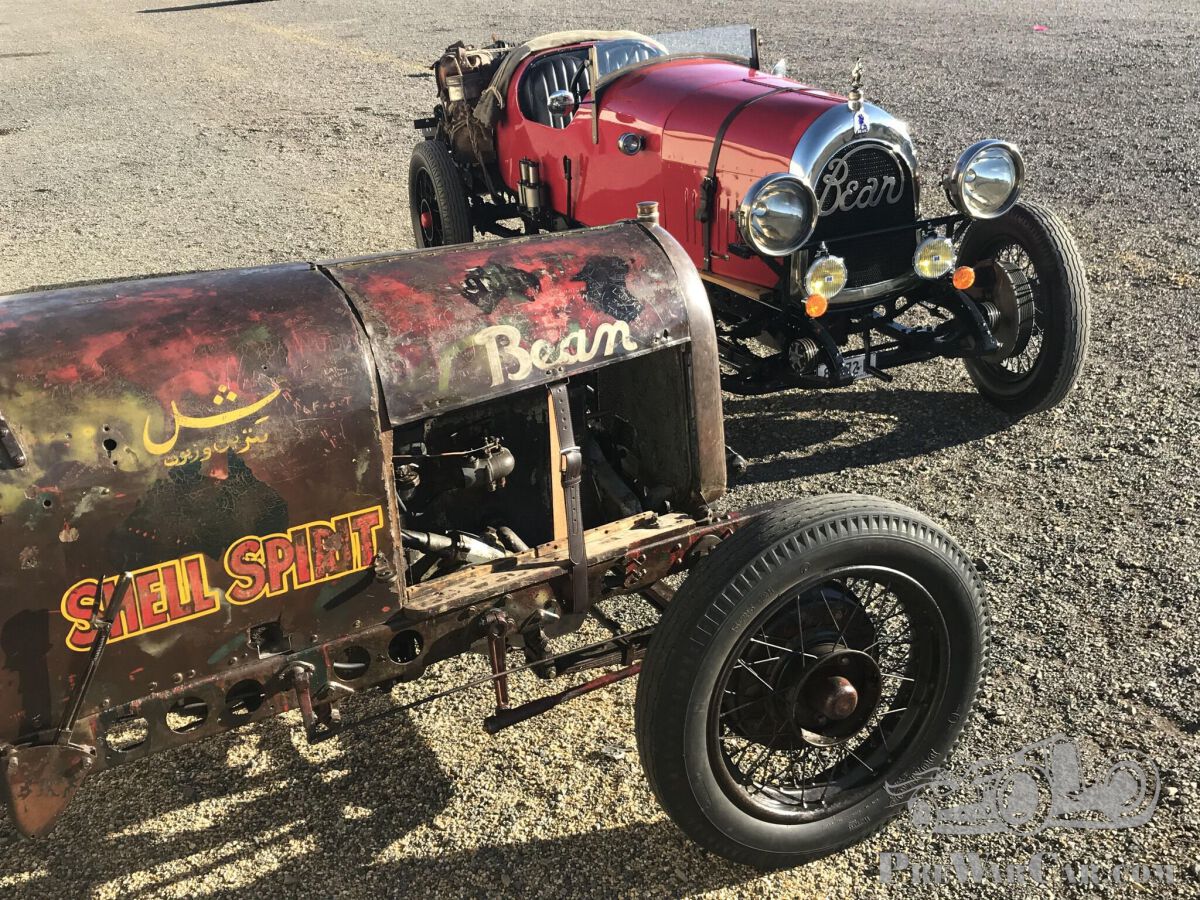
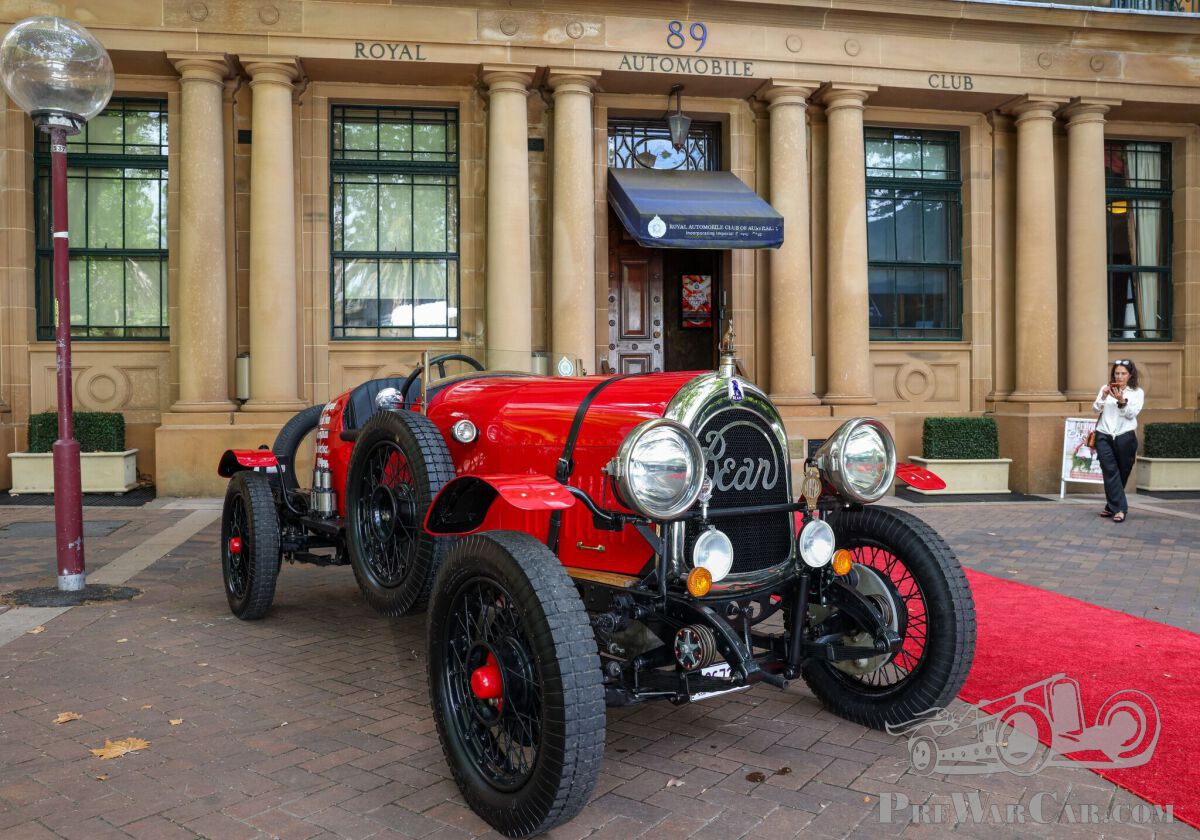
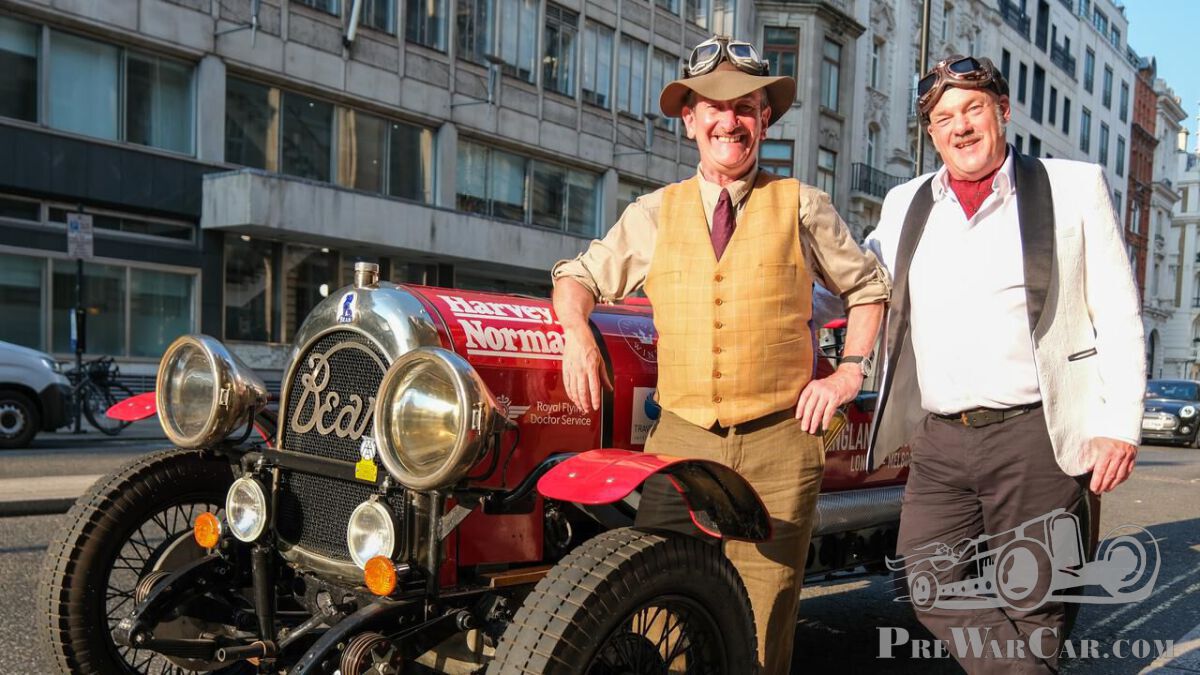


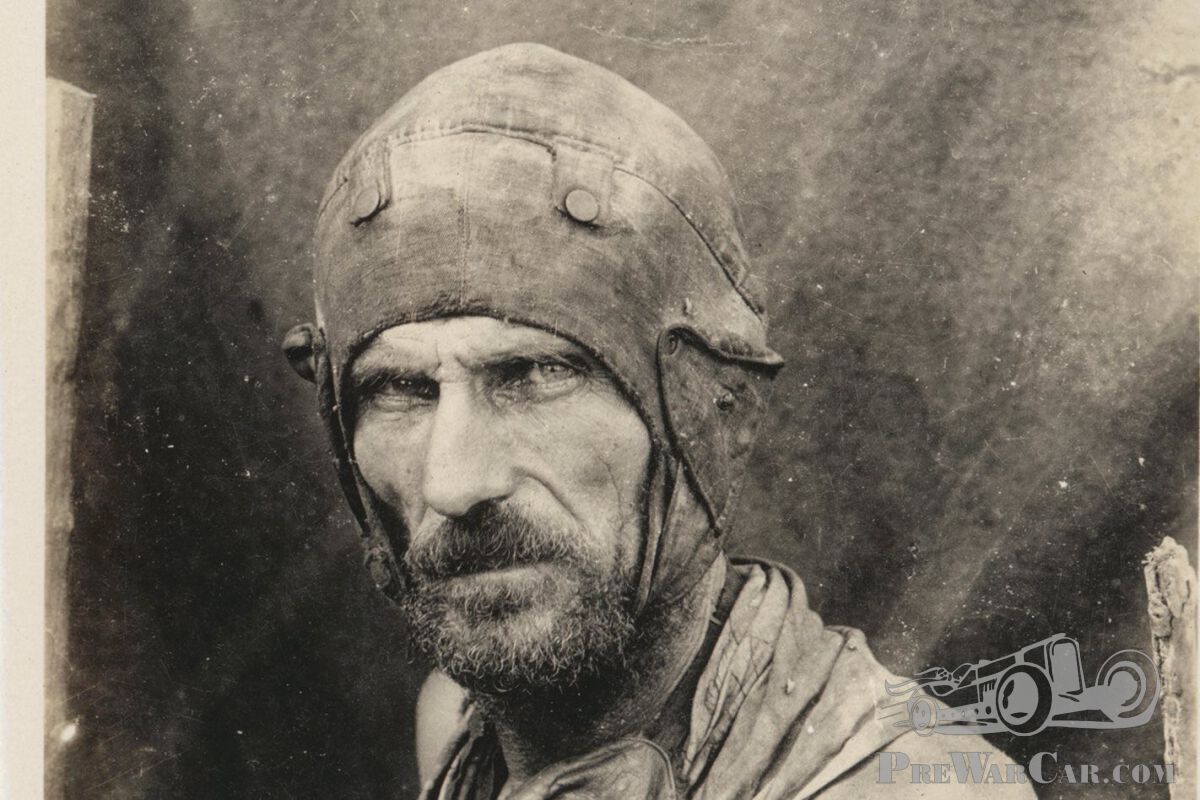
Francis Edwin Birtles (1881-1941) était l'une des personnes extraordinaires de la vie. Dans le portrait conservé par la Bibliothèque nationale d'Australie, il fixe l'appareil photo, barbu et vêtu d'une casquette couverte de poussière et de lunettes de protection, avec une férocité qui n'est pas tout à fait séduisante. Si Birtles était un homme dur, c'est qu'il devait l'être: les exploits qu'il a tentés et menés à bien exigeaient de la ténacité, de la détermination et un pragmatisme sans faille, et ils ont fait de lui un héros national australien.
Birtles est né dans l'État rural de Victoria, de parents anglais immigrés, et alors qu'il avait une vingtaine d'années, il est devenu un cycliste passionné de longues distances. Ses courses ont commencé à attirer l'attention de la presse et Birtles est rapidement devenu une sorte de célébrité mineure. N'ayant pas peur de la publicité, il commence à tenir des archives écrites et photographiques de ses voyages. Birtles passe aux voitures en 1911, lorsque l'importateur de la Brush américaine lui demande d'accompagner son chauffeur lors de la première traversée de l'Australie en voiture, de Perth à Sydney. Devenu de plus en plus célèbre, Birtles a ensuite été chargé d'entreprendre des voyages d'endurance similaires pour Ford et Oldsmobile, mais c'est en 1924 seulement que les choses ont commencé à devenir plus sérieuses.
Malcolm Henry Ellis était à l'époque correspondant politique du Daily Telegraph de Sydney et, en tant que fidèle sujet du roi George V, il était contrarié par la tendance des automobilistes australiens à opter pour des voitures américaines puissantes et robustes plutôt que pour des voitures britanniques plus délicates. Afin de promouvoir les ventes de voitures britanniques, il engagea Birtles pour l'accompagner dans un voyage aller-retour entre Sydney et Darwin à bord d'une Bean de 14 chevaux. Le voyage fut un succès, mais ne satisfit pas Ellis, et lorsqu'il fut affecté en Angleterre en tant que correspondant de son journal à Londres en 1925, il conçut un projet beaucoup plus ambitieux. Estimant que les voitures légères britanniques n'étaient pas assez robustes pour l'Australie, il rencontra un ingénieur australien du nom de Leslie Hinks, qui lui présenta ses spécifications pour la voiture australienne idéale et demanda à Bean de la construire à ses frais. L'Imperial Six qui en résulta était un monstre de deux tonnes doté d'un moteur de 3,8 litres de cylindrée conçu par Harry Ricardo.
Bean lui-même n'a aucune confiance dans la voiture ni de l'expédition, qualifiant Hinks d'homme « pas tout à fait normal mentalement », mais Birtles et Ellis se lancent malgré tout, aidés par un automobiliste expérimenté sur les longues distances, le capitaine Eric Knowles. Birtles, il faut le noter, avait une personnalité notoirement abrasive et n'était absolument pas doué pour la mécanique, d'où a) la nécessité d'un conducteur compétent pour accompagner l'expédition et b) le fait que personne ayant conduit pour Birtles une fois n'a jamais souhaité le faire à nouveau.
Le voyage échoue. Knowles tombe malade en essayant de réparer l'essieu arrière en Turquie. Birtles et Ellis traversèrent l'Afghanistan en titubant, déshydratés et en proie à la fièvre paludéenne. En Inde, un terrible cognement du moteur est imputé à deux roulements du gros bout, tandis qu'Ellis est devenu pratiquement cadavérique. Atteint de plusieurs maladies, il est hospitalisé et a la chance de se rétablir. Birtles poursuit sa route pendant encore 1 200 milles avant que la Bean n'expire.
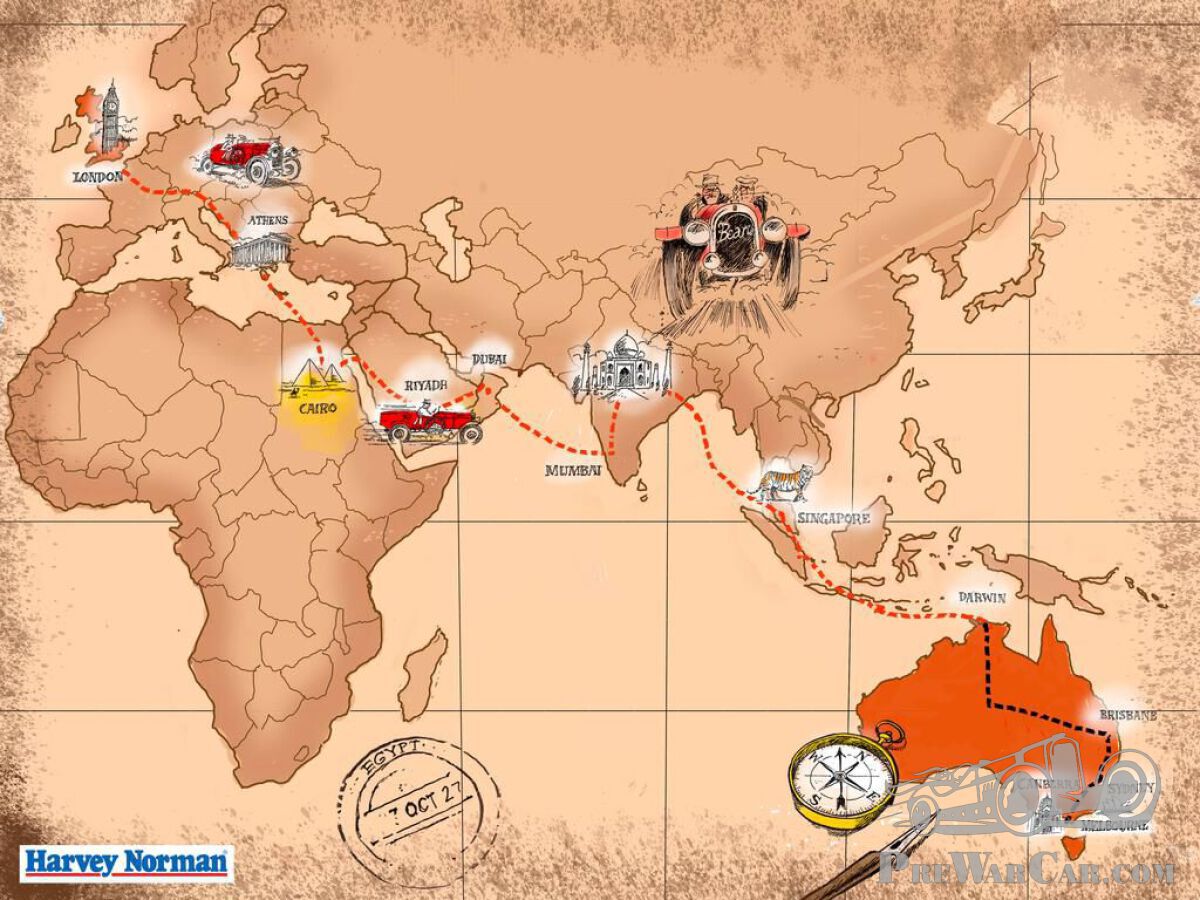
En 1927, il tente à nouveau de devenir la première personne à conduire de Londres à Sydney, se contentant cette fois d'une Bean de 14 ch spécialement préparée et baptisée Sundowner. Cette fois, après des mois sur la route, il réussit et la voiture est conservée au Musée national d'Australie.
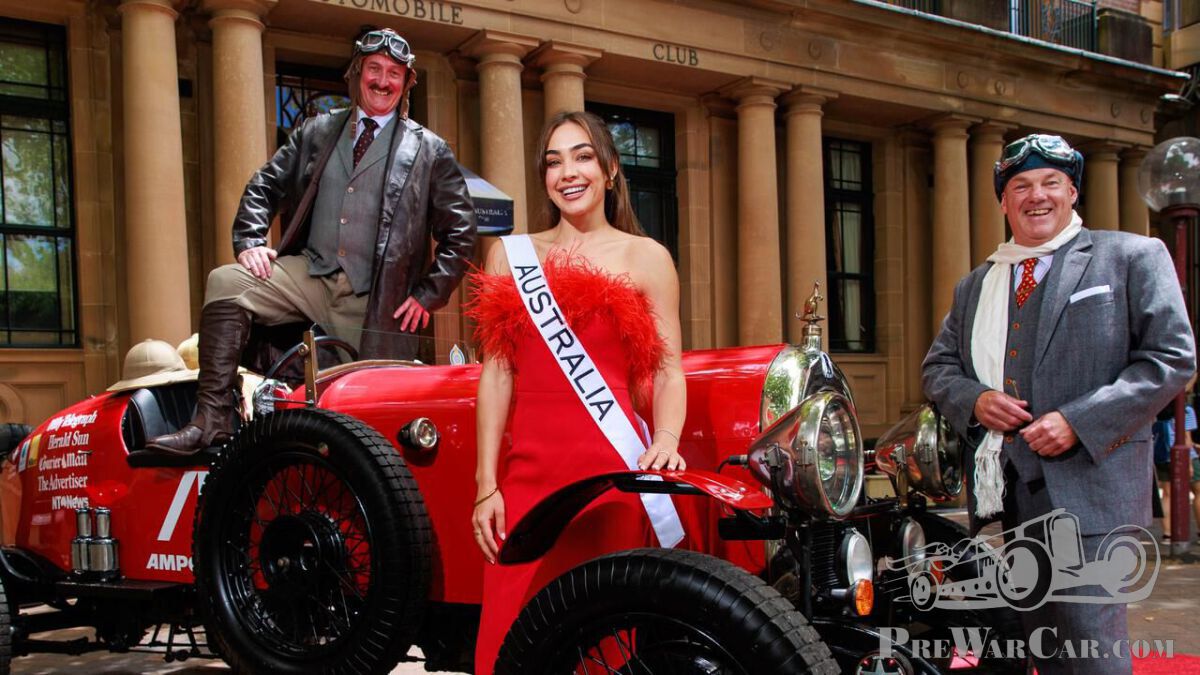
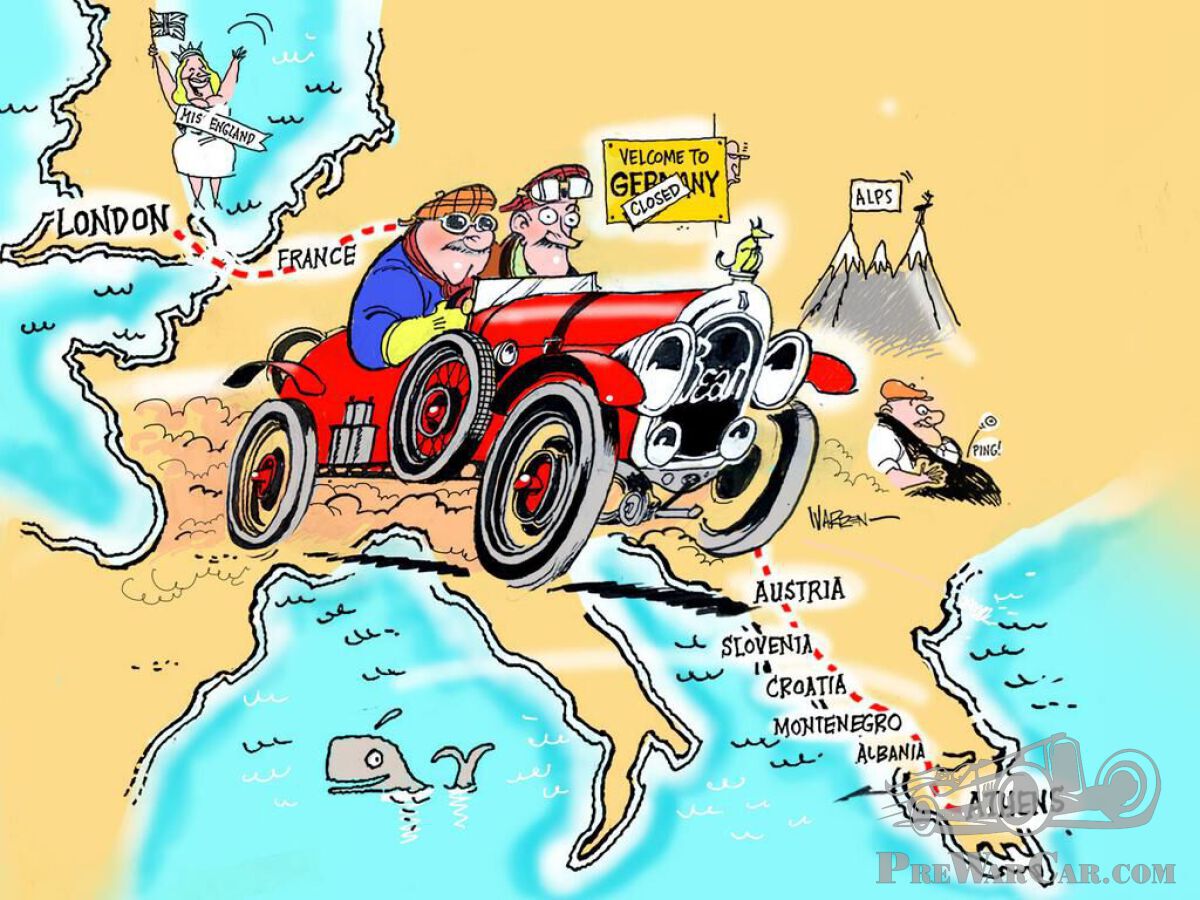
À quel point une telle conduite peut-elle être difficile ? C'est ce que le rédacteur en chef du Daily Telegraph, Matthew Benns, et le dessinateur Warren Brown ont tenté de découvrir. Ils ont pris le volant d'une 14hp de 1925 et sont partis il y a quelques semaines de Londres pour reconstituer le trajet historique de Birtles. Le 16 octobre, ils ont posté la dépêche suivante : « En peu de temps, nous sommes arrivés à la frontière entre l'Albanie et la Grèce, où les douaniers et les gardes-frontières grecs se pressent autour de la Bean pour prendre d'innombrables photos. Matthew reçoit un coup de téléphone de Marios, notre agent maritime à Athènes : il a trouvé un porte-conteneurs qui peut transporter les véhicules du Pirée à Alexandrie, mais le seul hic, c'est que c'est demain à 9 h 30. Comme le dirait Francis Birtles : « Ma devise est : “Risque-le !” ». Et c'est ce que nous ferons... »
Nous sommes convaincus que le Bean a fait tout ce qui était en son pouvoir pour amener ses occupants au Pirée à temps et qu'ils traversent maintenant l'Égypte à toute allure en direction du golfe Persique. Nous suivrons cette expédition avec intérêt et souhaitons à MM. Benns et Brown beaucoup de succès. Restez à l'affût des prochaines dépêches.
Paroles: Zack Stiling; Photographies fournies par Mahmoud Ezzeldin
Publié:
mercredi octobre 23rd, 2024
Facebook
LinkedIn
Twitter
WhatsApp
Email
Copy
Commentaires


Terry Cockerell
27 Octobre 2024, 23:46
Unfortunately, there are no statues to celebrate Francis Birtles' incredible achievements. He rode bicycles many thousands of miles across and around Australia before transferring to automobiles in 1912. In 1964, at the age of 13, I was given a 1926 12hp Bean roadster, which I began to restore and learn about Francis Birtles. I was very fortunate to meet Alec Barlow in 1965, however he was not interested in talking about the epic Darwin-Melbourne trip in which he accompanied Birtles in a Bean car.
I agree Birtles had a personality that was difficult to deal with, however the statement that "he had nothing in the way of mechanical sympathy" is a gross exaggeration. Birtles disliked timing chains and converted the Sundowner's engine to gear drive for reliability. Actually, Bean engines have two chains, one drives the valve gear and a separate one which drives the magneto and fan.
During the epic crossing of the Nagara Hills from India into Burma, Birtles, to obtain a lower first gear, flipped the rear axle and differential assembly which reversed the rotation of the wheels. Consequently, reverse could be used as a lower first gear. Nothing would stop Birtles.
Lang and Bev Kidby left Britain back on 18th April, 2024, and successfully completed the trip in another 14hp Bean Sundowner replica. Corresponding with Lang before the epic trip I wished him well. I suggest interested readers check out Lang and Bev Kidby's website; they are modern-day adventurers and have been on an epic scale.
Lire la suite
I agree Birtles had a personality that was difficult to deal with, however the statement that "he had nothing in the way of mechanical sympathy" is a gross exaggeration. Birtles disliked timing chains and converted the Sundowner's engine to gear drive for reliability. Actually, Bean engines have two chains, one drives the valve gear and a separate one which drives the magneto and fan.
During the epic crossing of the Nagara Hills from India into Burma, Birtles, to obtain a lower first gear, flipped the rear axle and differential assembly which reversed the rotation of the wheels. Consequently, reverse could be used as a lower first gear. Nothing would stop Birtles.
Lang and Bev Kidby left Britain back on 18th April, 2024, and successfully completed the trip in another 14hp Bean Sundowner replica. Corresponding with Lang before the epic trip I wished him well. I suggest interested readers check out Lang and Bev Kidby's website; they are modern-day adventurers and have been on an epic scale.
Iain
27 Octobre 2024, 22:51
I am a direct descendant of John L. Simpson, who accompanied Birtles and Ellis on the Sydney-Darwin-Sydney expedition in the 'Scarlet Runner' 14hp Bean in 1924. The book written by Ellis called "The Long Lead" confirms your comment that Birtles was a difficult man, as was Ellis, though the book is an excellent historical account of the expedition.
I have seen the 'Sundowner' Bean at the National Museum in Canberra and it is fascinating to see. Bets of luck to W.B. and co. on this trip.
Lire la suite
I have seen the 'Sundowner' Bean at the National Museum in Canberra and it is fascinating to see. Bets of luck to W.B. and co. on this trip.
John Turner
27 Octobre 2024, 11:53
A very interesting story, and I remember seeing his Bean in the museum at Birdwood in SA a few years ago. In one of my books I have a picture of Francis Birtles. Back in the '80s and '90s we lived on the Sunshine Coast in Qld, and one of the car club members there by the name of Norm(an) bore an uncanny resemblance to Francis. So one day I remarked upon his likeness to the picture of Francis. He gave me a wry smile and said "Yes, he was my uncle." It's a small world. Wonder if Norm is still around - would love to talk to him again.
Lire la suite
Ken Rogers
23 Octobre 2024, 09:58
Interesting that Birtles had the view that British light cars weren't up to coping with Australia's terrain. For those not au fait with the expedition, they should take a look at the story of two Jowetts, 'Wait' and 'See', which successfully made the journey from west to east Africa in 1926.
Lire la suite
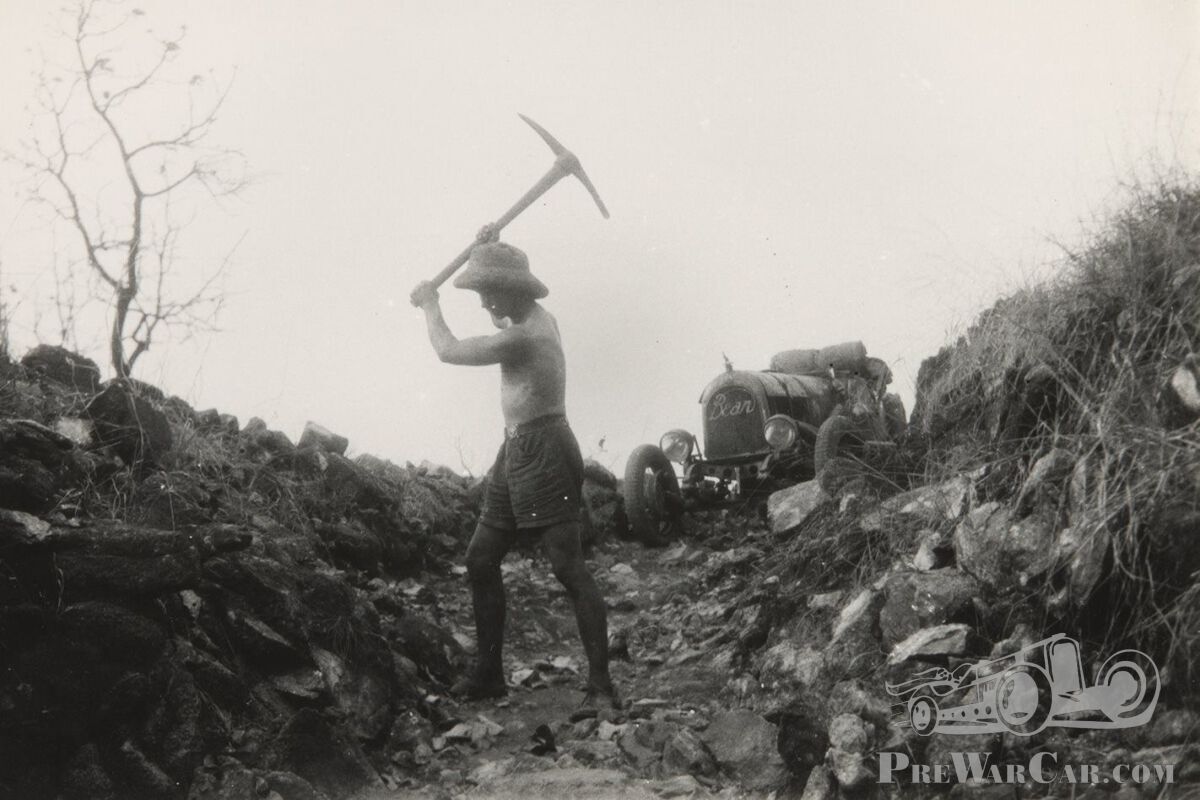
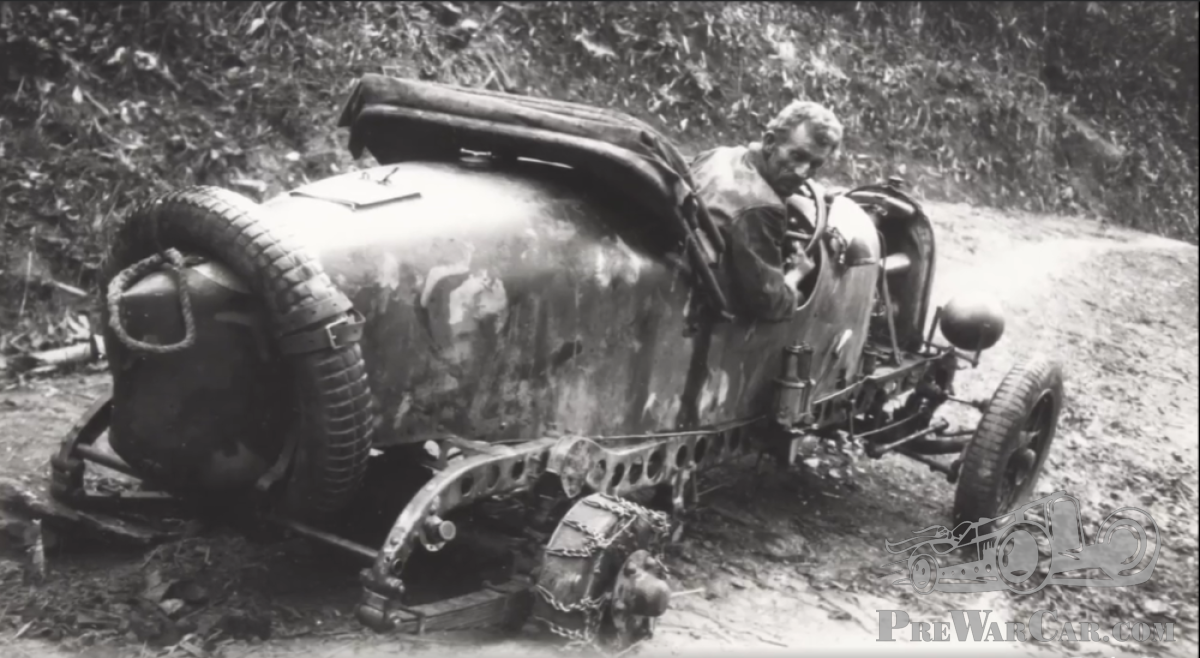
Another trick Birtles used during the crossing of the Nagara hills was to remove the rear wheels, file grooves into the outside of the brake drums then wrap chains around them for traction. As mentioned previously NOTHING would stop Birtles.
He was alone from London to Bombay then reluctantly took on a passenger by the name of Percy Stollery. Stollery, a Canadian who had been riding a bicycle round the world, became invaluable during the "drive" through the Nagara Hills. There had only been a walking track until then. They dug and hacked their way through. The Bean was anchored to trees as it was driven around dangerous steep hills. I think Birtles may have died without Stollery's help. The crossing of the Nagara hills took about three months incredibly hard work. I believe it can be driven in about two to three hours today.
The iconic Birtles picture, he didn't appear to appreciate the camera in this one.
You can get an idea of the terrane they had to work with in the second picture.
When I heard Warren Brown was contemplating recreating Birtles's epic trip I tried to contact him but unfortunately, he was not interested in discussing Bean cars, especially since I had met Alec Barlow. Regardless I wish him well on the trip.
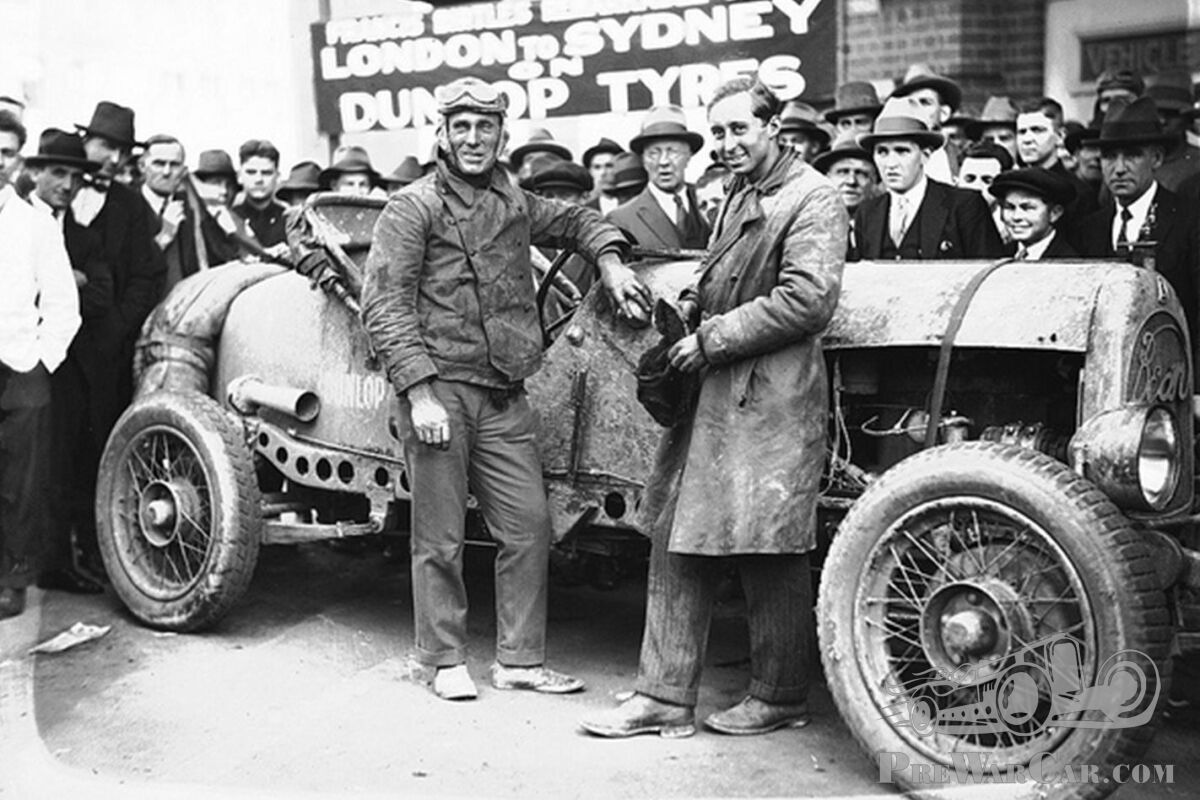
The fourth picture shows Birtles at the left with Stollery at the right.
Note the incredible number of holes in the chassis to reduce weight. It's a wonder the chassis survived the trip.
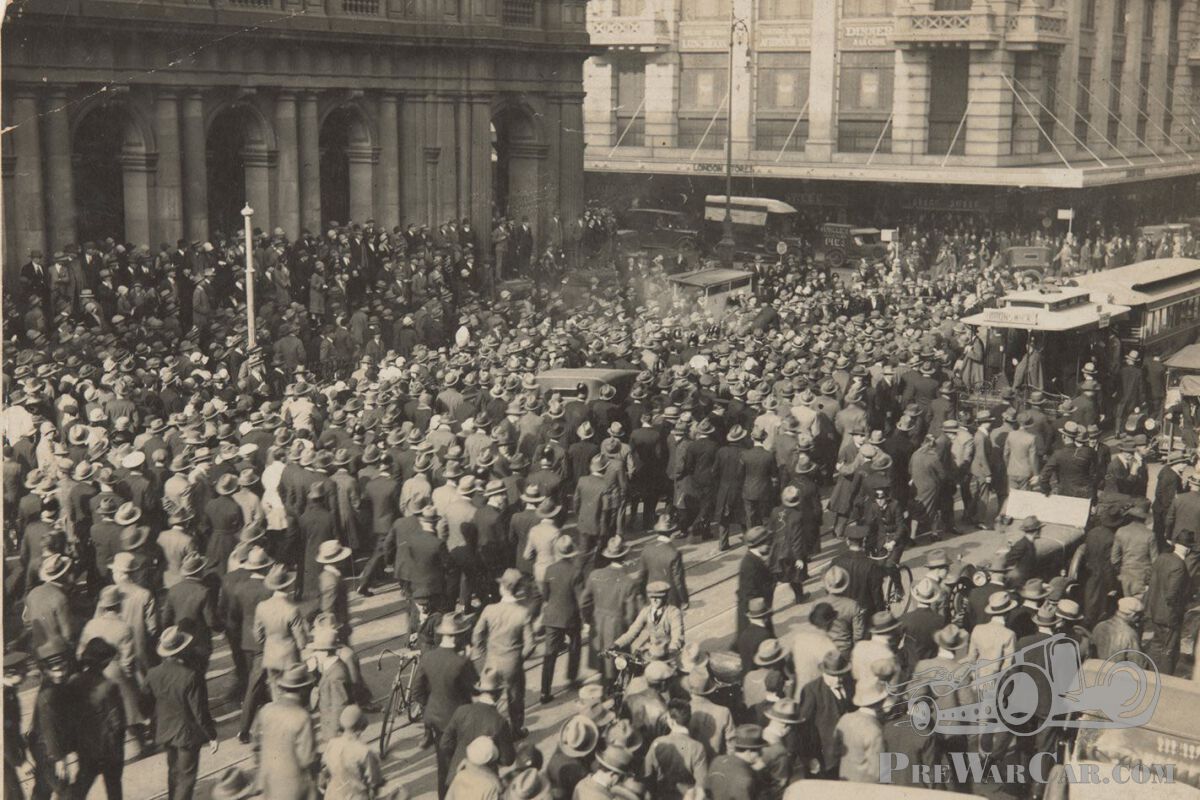
Eventually, when the Sundowner arrived in Melbourne, the police broke up the crowd and told Birtles to move along. There was no civic reception!