Le magazine et marché mondial pour les passionnés de voitures classiques, par des passionnés.
Le magazine et marché mondial pour les passionnés de voitures classiques, par des passionnés.


Filter
Faites votre choix:
- Voir les voitures
-
Marque >>
-
Année >>
-
-
Catégorie >>
- Voir les motos
- Voir les pièces et plus
-
Marque de la voiture >>
-
Constructeur >>
-
Catégorie >>
- Vélos
-
Année >>
-
Pays


BSA's front-drive trailblazer
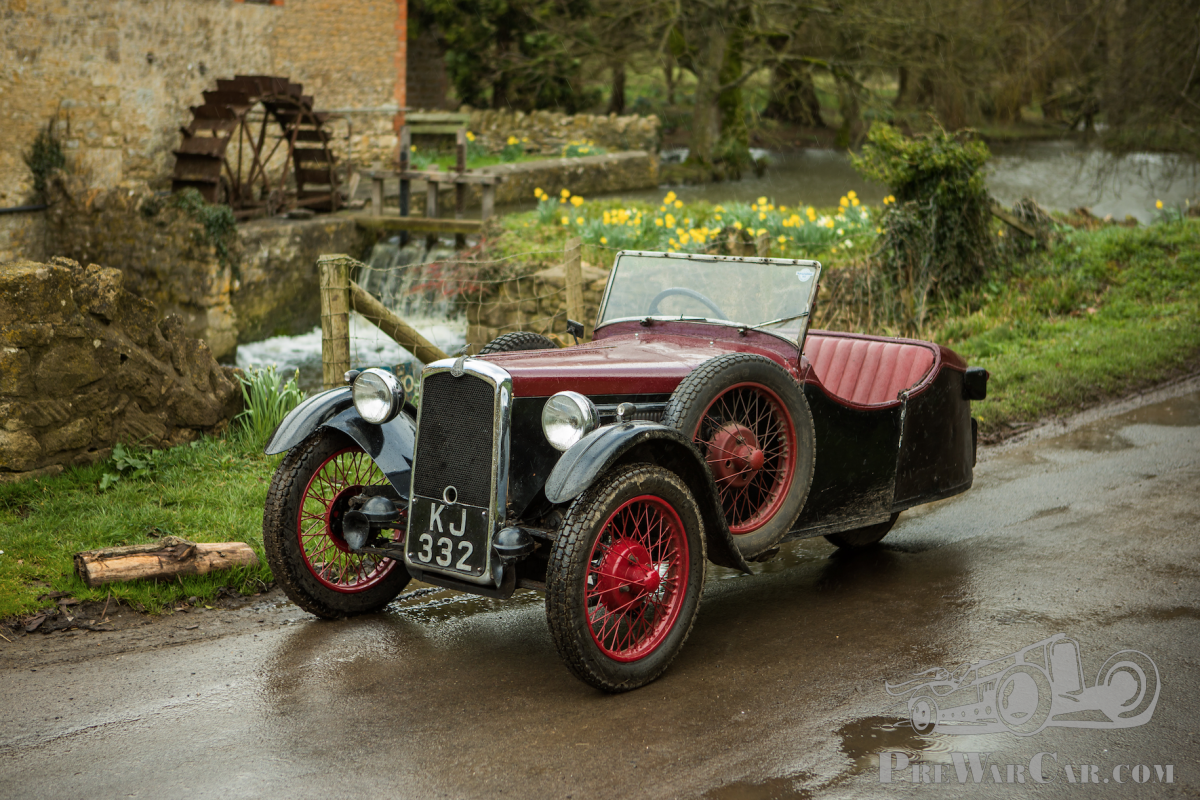
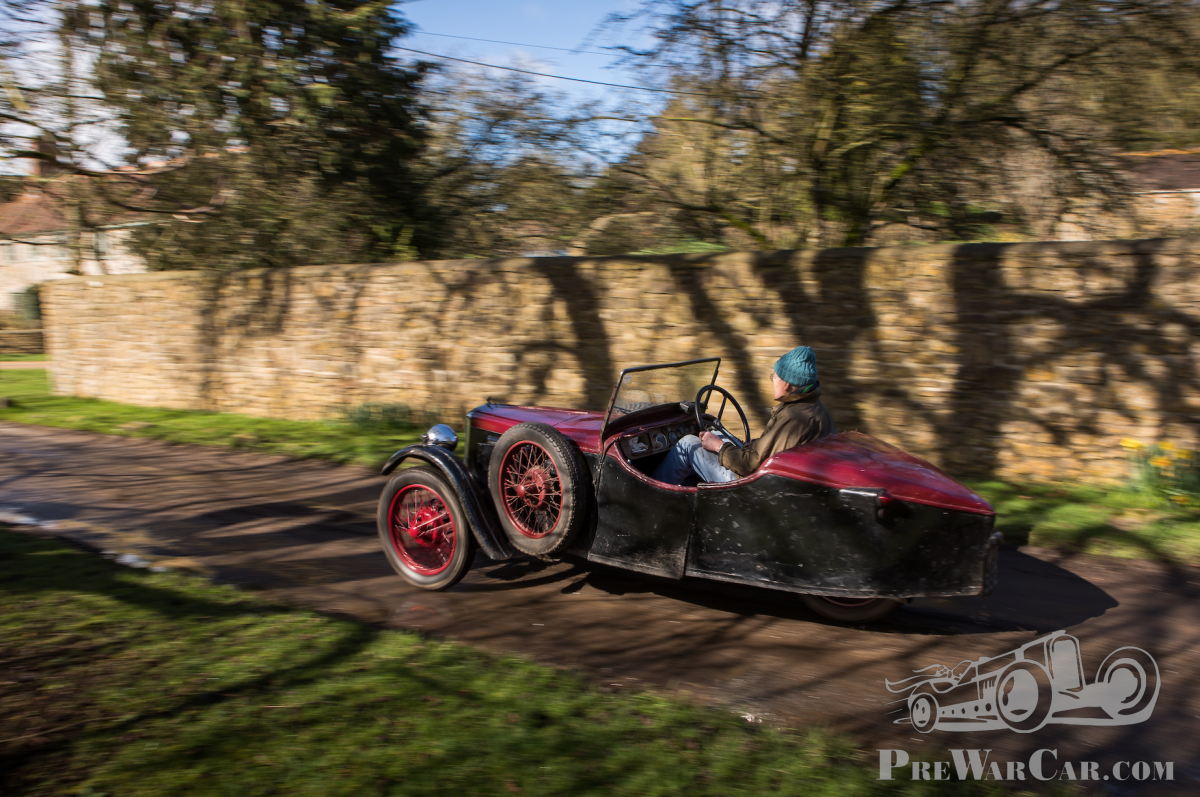


Now that the Mini has entered its 60th year, the motoring press is awash with praise for how it innovated front-wheel drive in mass-production. Perhaps the Mini was responsible for front-wheel drive becoming the norm, but it’s worth remembering the real innovator of mass-produced British front-wheel drive, the BSA three-wheeler, is now celebrating its 90th anniversary.
Even in 1929, of course, fwd was not a new idea and BSA’s Frederick Hulse had probably been thinking about it since former colleague George Iden built a fwd, vee-twin motor-cab in 1904. Hulse joined BSA in 1910, and two years later an amateur engineer submitted his designs for a fwd cyclecar, which just might have struck a chord with Hulse.
Of course, the Austin Seven would eventually render cyclecars obsolete, but one small gap in the market remained between motor car and motorcycle – the three-wheeler. Cheaper and more accessible than a car but safer and more convenient than a motorcycle, no large manufacturer besides Morgan was building them in Britain at that time.
Having gained experience of car manufacture with a 10hp light car in the early 1920s, powered by a 1080cc Hotchkiss vee-twin, and having a friendly relationship with Alvis designer W M Dunn, who co-designed the Red Triangle’s famous fwd racing car of 1925, BSA had all the ingredients for a pioneering take on mass motoring.
Graham Skillen tells the story of BSA’s forward-thinking in the June issue of The Automobile, on sale now.
Photographs by Stefan Marjoram.
Publié:
mardi juin 25th, 2019
Facebook
LinkedIn
Twitter
WhatsApp
Email
Copy