Le magazine et marché mondial pour les passionnés de voitures classiques, par des passionnés.
Le magazine et marché mondial pour les passionnés de voitures classiques, par des passionnés.


Filter
Faites votre choix:
- Voir les voitures
-
Marque >>
-
Année >>
-
-
Catégorie >>
- Voir les motos
- Voir les pièces et plus
-
Marque de la voiture >>
-
Constructeur >>
-
Catégorie >>
- Vélos
-
Année >>
-
Pays



Deux 540K pour la Roumanie : le Special Roadster oublié du boulevard Brătianu
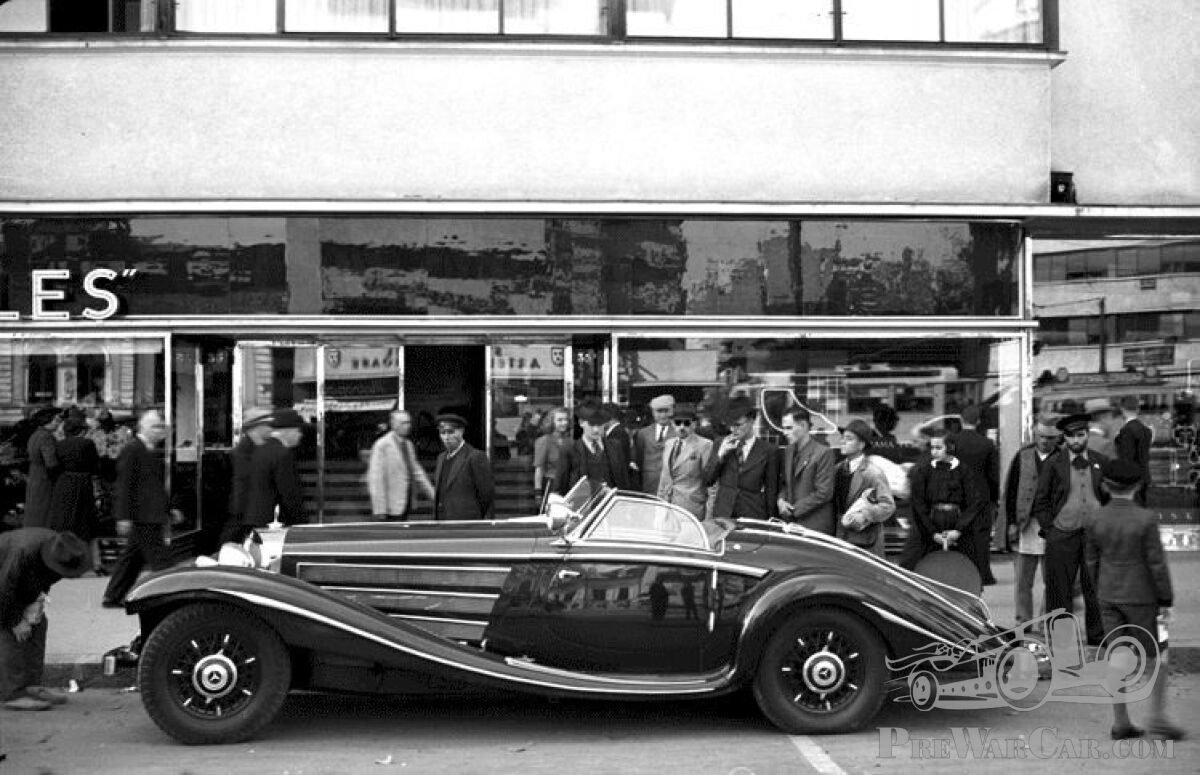
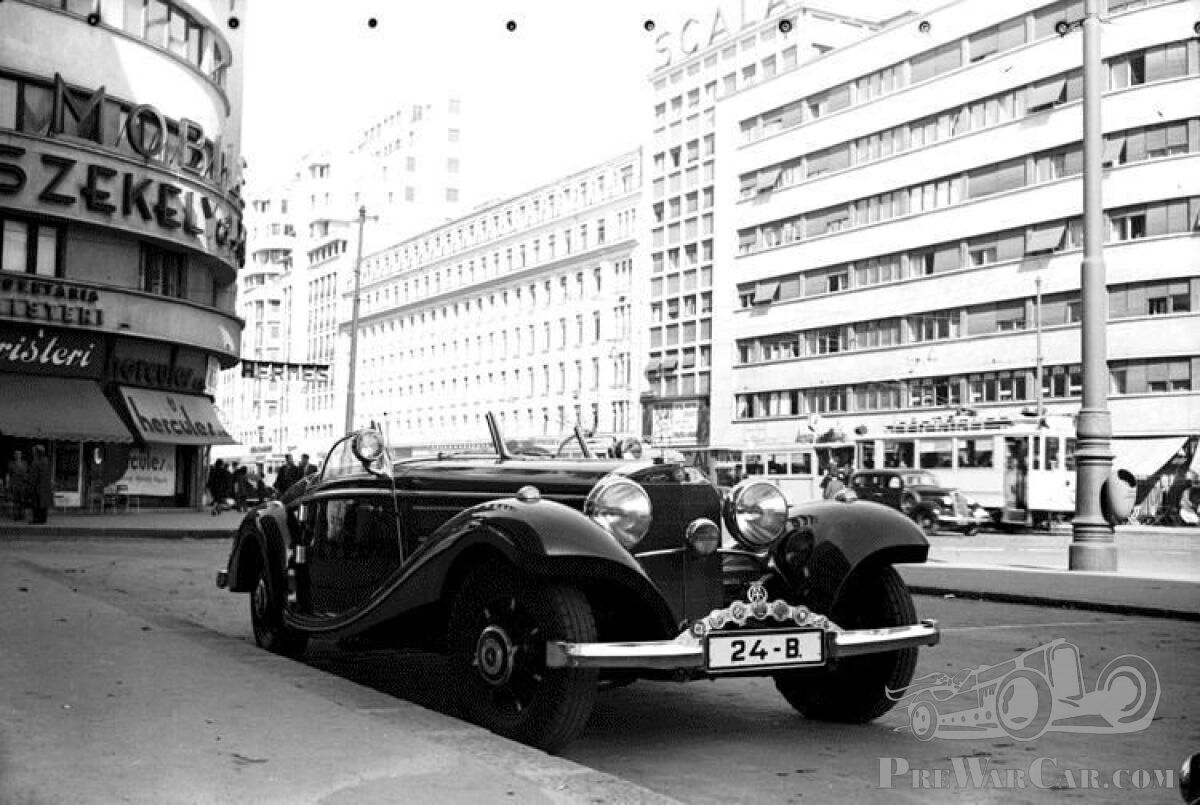
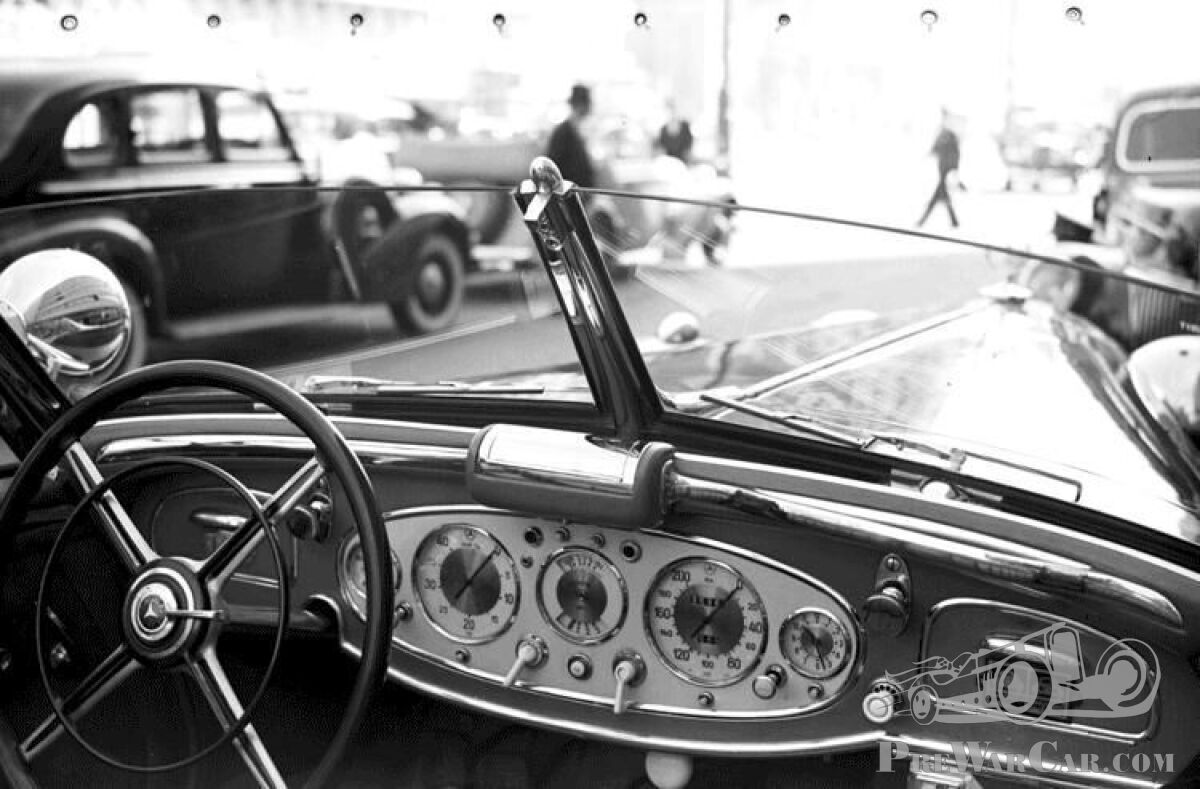
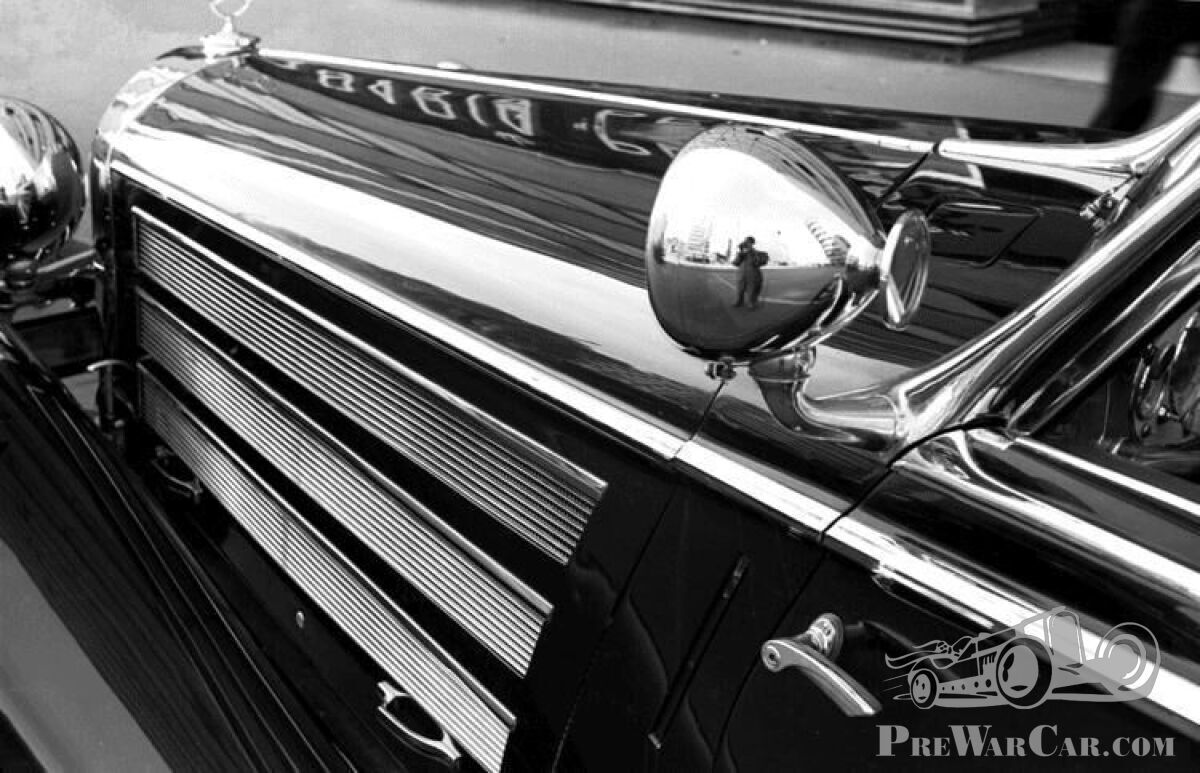


La Roumanie d’avant-guerre avait un goût étonnamment raffiné pour les automobiles exotiques, mais peu de voitures égalèrent le prestige – ou le mystère – de la Mercedes-Benz 540K Special Roadster. Plus rare qu’une Duesenberg et plus théâtrale que presque tout ce qui roulait alors en Europe, seulement six exemplaires furent construits avec la roue de secours intégrée dans la carrosserie. Fait remarquable : deux de ces six voitures se retrouvèrent en Roumanie.
L’une d’elles est bien connue : celle livrée au roi Michel Ier, un Special Roadster doté d’une carrosserie unique, d’une boîte à cinq vitesses, d’une radio et de plaques royales. Son périple d’après-guerre est relativement bien documenté. Après 1948, la voiture glissa vers l’Est, réapparut en vente à Kiev au printemps 1960, puis séjourna longuement à Astrakhan et à Moscou, avant de revenir finalement en Occident. Un parcours tortueux, certes, mais établi.
L’autre 540K Special Roadster roumain est en revanche la voiture que le temps semble avoir oubliée.
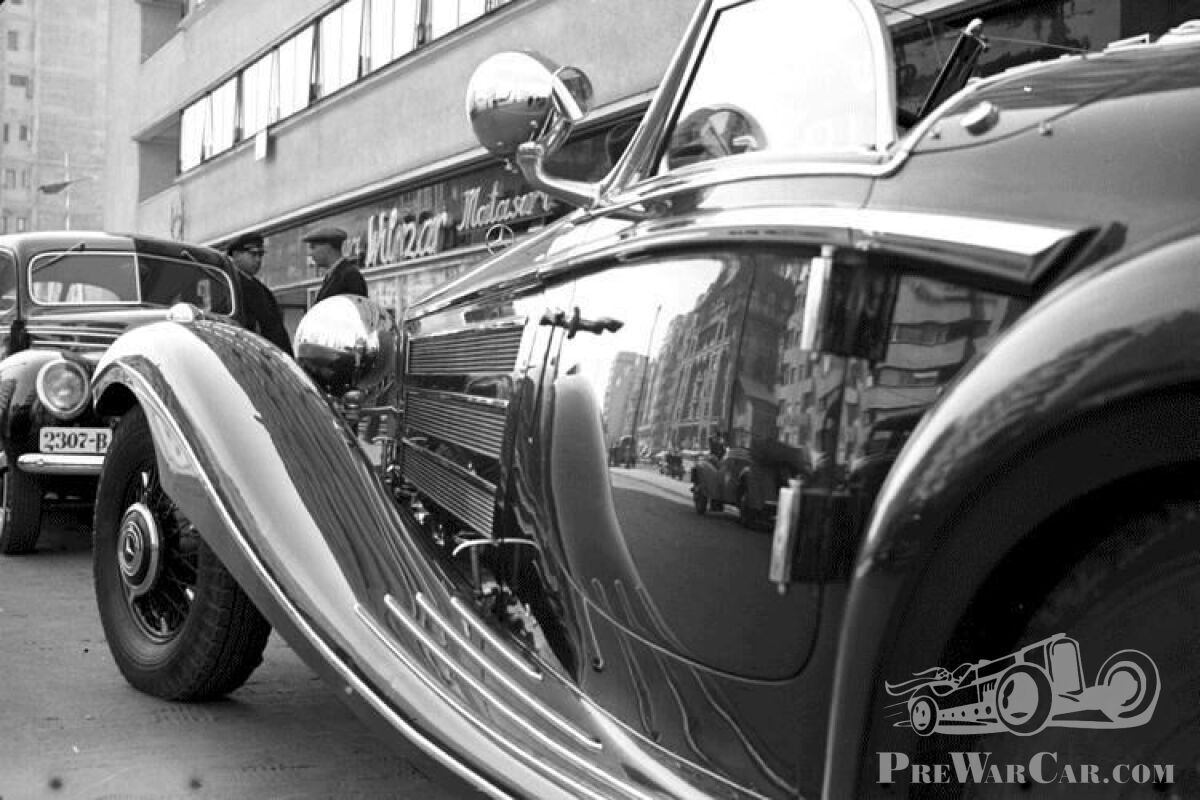
En octobre 1939, le photographe allemand Willy Pragher saisit un spectaculaire Special Roadster noir sur le boulevard Brătianu à Bucarest — l’une des images les plus nettes subsistant d’un second 540K en Roumanie. La voiture portait l’immatriculation 24-B et, contrairement à celle du roi, arborait les lignes classiques du Special Roadster de Sindelfingen telles qu’on les voit dans les catalogues d’usine.
L’identité du propriétaire demeure incertaine. Un nom plausible est celui du philosophe et éditeur de presse Nae Ionescu, réputé posséder « une Mercedes noire, sportive, deux places, à intérieur en cuir rouge ». Cette description correspond presque trop bien à la voiture photographiée par Pragher, même si aucun lien formel n’a encore été établi.
Quel qu’en fût le propriétaire, le Special Roadster de Bucarest devait être une apparition extraordinaire dans une ville où les charrettes côtoyaient encore les Hispano-Suiza. Le long capot, les ailes fluides et le huit-cylindres compresseur du 540K devaient imposer une présence saisissante dans le trafic de 1939.
Puis — plus rien. Le sort de 24-B demeure inconnu.
Un fil étrange réapparaît vers 1962–63. À Râșnov, petite ville de Transylvanie, des habitants se souviennent d’une Mercedes décapotable noire dotée « d’un compresseur » et d’un intérieur en cuir rouge. Ils pensaient qu’il s’agissait de l’ancienne voiture du roi. C’était impossible : la 540K du roi Michel, avec sa carrosserie unique et immédiatement identifiable, se trouvait alors déjà au cœur de l’URSS. Mais se pourrait-il que la voiture de Râșnov ait été 24-B ?
La description correspond. L’écart temporel — près de vingt-cinq ans après la photo de Bucarest — reste plausible pour une automobile de grande valeur ayant survécu à la guerre en possession privée ou cachée. Et dans les années 1960, les petites villes provinciales devenaient parfois des refuges inattendus pour les voitures de luxe de l’entre-deux-guerres.
Aucune photographie n’a refait surface, et la piste disparaît aussi brusquement qu’elle était apparue. Si l’observation de Râșnov concernait réellement le Special Roadster disparu, il pourrait s’agir de l’une des dernières fois où 24-B fut vu vivant.
Sur les six Special Roadsters à roue de secours intégrée, seulement trois sont connus comme survivants aujourd’hui. Que deux d’entre eux aient été livrés neufs en Roumanie — pays qui ne comptait qu’un très petit nombre d’acheteurs fortunés à la fin des années 1930 — est l’une de ces histoires improbables qui rendent l’histoire automobile d’avant-guerre aussi captivante.
L’une des voitures, celle du roi, suivit une trajectoire spectaculaire mais traçable derrière le Rideau de fer. L’autre, 24-B, apparaît brièvement en 1939, peut-être à nouveau au début des années 1960 — puis s’efface complètement des archives.
En attendant que de nouvelles preuves émergent, elle reste l’un des grands mystères de la lignée des Mercedes-Benz 540K. Mais grâce à une seule photo prise sur le boulevard Brătianu, nous savons au moins que la Roumanie a compté non pas une, mais deux des roadsters les plus spectaculaires jamais construits.
Texte et photos de Sebastian Rafiroiu
Publié:
lundi décembre 1st, 2025
Facebook
LinkedIn
Twitter
WhatsApp
Email
Copy
Commentaires
Hans Veenenbos
06 Décembre 2025, 17:25
I may have been wrong with my latest message - perhaps this is a Spezial Roadster.
Lire la suite
Hans Veenenbos
06 Décembre 2025, 16:40
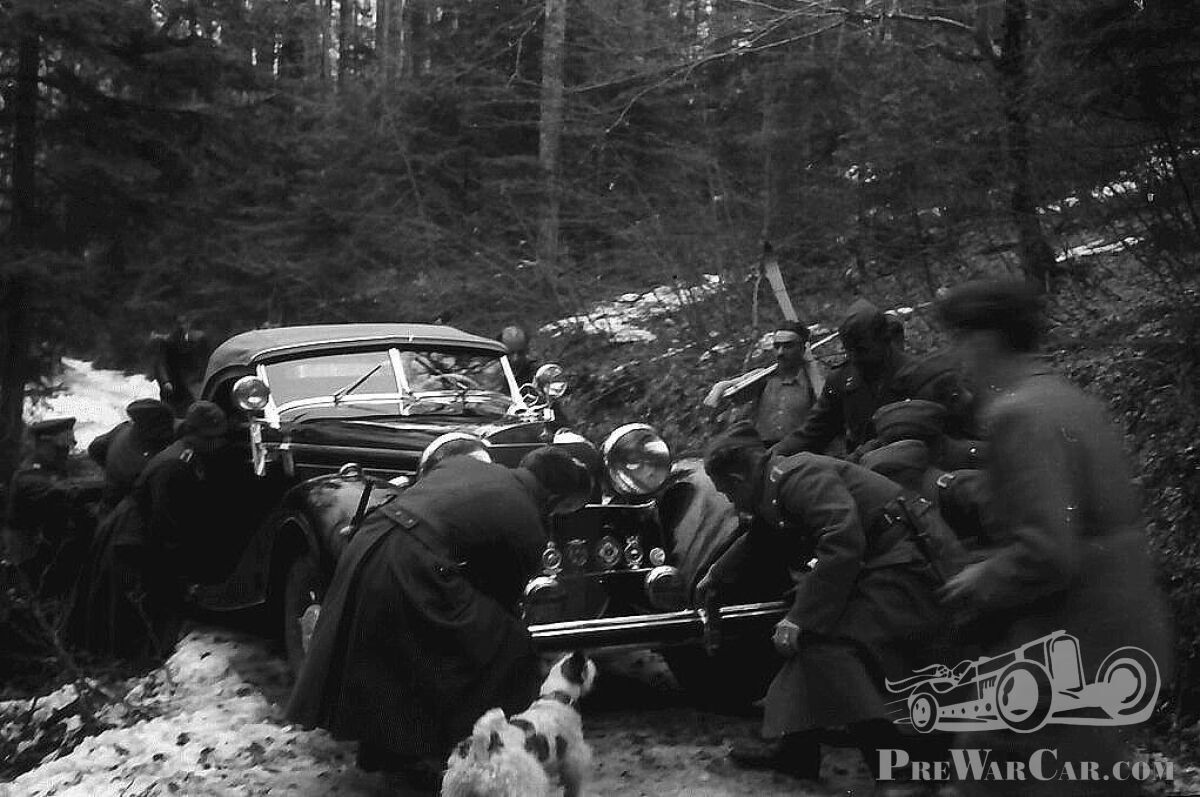
For the record, here is a photo of the 540K of King Mihai I - clearly not a Spezial Roadster.
Lire la suite
Brian R. Peterson
06 Décembre 2025, 04:54
According to the records I have, SWB No. 2393 with J-373 was originally ordered new in 1929 by William Durant Campbell, with Dual Cowl Sport Phaeton coachwork by LeBaron. This was one of the total four if not five, new, Duesenberg cars Campbell would commission 1929-1937 - coming in a close second for most number of new cars purchased to Captain George Whittell, who bought six.
However, Campbell later had the car sent to Fernandez & Darrin for "restyling" into the two seat Disappearing Top Speedster in 1933, before parting with the car a short time, selling it back to Sadovich, who in turn sold it to the now King Carol II of Romania.
This is the second "Eleanor" that King Carol II had the good fortune to be able to purchase - the second being his commissioned, completed but never taken delivery of - 1939 Bugatti Type 41 Royale Coupé de ville Binder - Chassis No. 41141 - the second Type 41 rolling chassis assembled, originally sold new to French Clothier Armand Esders in 1932, but later sold back to Molsheim ~1935, where the coachwork was removed, the mechanicals of Chassis No. 41111 rebuilt and overhauled, and then re-entered factory inventory.
The King Carol II's Binder Coupe took nearly two years to build, but was finally completed in Fall 1939, and delivery arrangements were being made with Romania, but then the Germans invaded Poland, followed by France several weeks later, and that was that.
Ettore Bugatti rescued the car from Paris just before the Germans invaded, whisking it back to the relative safety of Chateau Ermenonville, where it, along with Chassis No. 41150, the Berliner d'Voyage, were lowered into a section of dissued sewer tunnel outside of the estate and bricked up so as to not to be discovered and stolen by the Nazis - which succeeded, as both cars were never found during the war, and survived.
Lire la suite
However, Campbell later had the car sent to Fernandez & Darrin for "restyling" into the two seat Disappearing Top Speedster in 1933, before parting with the car a short time, selling it back to Sadovich, who in turn sold it to the now King Carol II of Romania.
This is the second "Eleanor" that King Carol II had the good fortune to be able to purchase - the second being his commissioned, completed but never taken delivery of - 1939 Bugatti Type 41 Royale Coupé de ville Binder - Chassis No. 41141 - the second Type 41 rolling chassis assembled, originally sold new to French Clothier Armand Esders in 1932, but later sold back to Molsheim ~1935, where the coachwork was removed, the mechanicals of Chassis No. 41111 rebuilt and overhauled, and then re-entered factory inventory.
The King Carol II's Binder Coupe took nearly two years to build, but was finally completed in Fall 1939, and delivery arrangements were being made with Romania, but then the Germans invaded Poland, followed by France several weeks later, and that was that.
Ettore Bugatti rescued the car from Paris just before the Germans invaded, whisking it back to the relative safety of Chateau Ermenonville, where it, along with Chassis No. 41150, the Berliner d'Voyage, were lowered into a section of dissued sewer tunnel outside of the estate and bricked up so as to not to be discovered and stolen by the Nazis - which succeeded, as both cars were never found during the war, and survived.
Adrian P-T
03 Décembre 2025, 20:45
Having done most of the research on this some years ago, and published it on a blog called volganeagra, I suppose it's a backhanded complement to see it lifted almsot word for word by Mr Rafiroiu.
That aside, ten years on I think the Rasnov car is a red herring: there were plenty of other 540Ks in wartime Romania, and mentions of some under Communism, including a wreck photographed at Buftea in around 1961 (alongside the Duesenberg), one seen in 1963 Bucharest, and one - possibly the same - sold in Bucharest in around 1970. The Buftea one is a late side mount Cabriolet A, so definitely not 24-B.
In truth I suspect 24-B ended up either destroyed in the war, or shipped to the Soviet Union, where plenty of 540Ks met their end.
Lire la suite
That aside, ten years on I think the Rasnov car is a red herring: there were plenty of other 540Ks in wartime Romania, and mentions of some under Communism, including a wreck photographed at Buftea in around 1961 (alongside the Duesenberg), one seen in 1963 Bucharest, and one - possibly the same - sold in Bucharest in around 1970. The Buftea one is a late side mount Cabriolet A, so definitely not 24-B.
In truth I suspect 24-B ended up either destroyed in the war, or shipped to the Soviet Union, where plenty of 540Ks met their end.
Sebastian Rafiroiu
03 Décembre 2025, 11:54
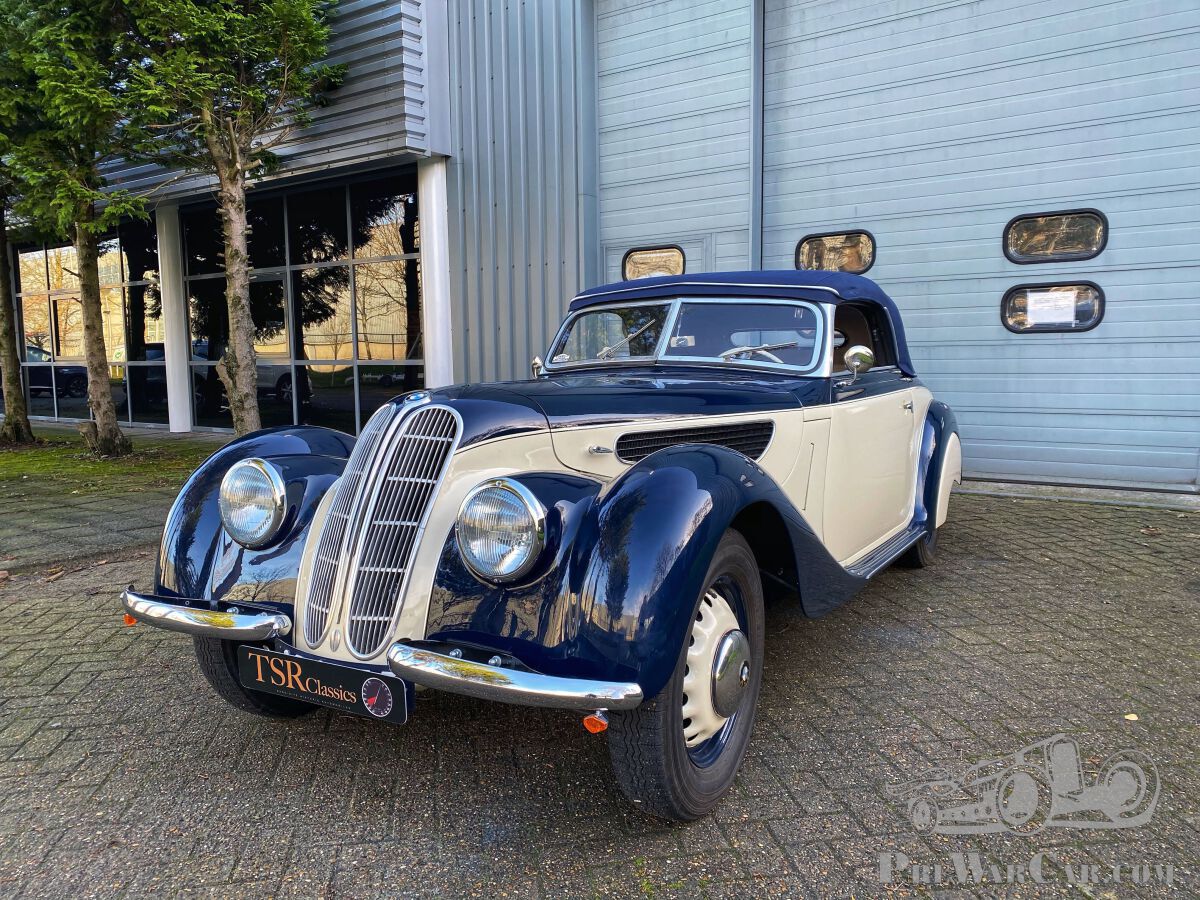
Absolutely true what Hans Veenenbos very precisely pointed out. Still something that I may never find out is whether the BMW 327 featured in the picture is the one that is literally next door to me just outside of Amsterdam (for sale, by the way, for the ones interested). Truth be told, there must have been several cabriolet 327s in Romania. According to my neighbour, also the current owner of the car, this 1939 example (same year the picture was taken) one he pulled out of Romania in 2011 and restored it to concours-level condition.
It would be extremely interesting if this was the same car. Romanian state car registry unfortunately was unresponsive to my attempts of finding out something, anything, about the car registered 733-B.
Attached is a picture of the car now.
Lire la suite
It would be extremely interesting if this was the same car. Romanian state car registry unfortunately was unresponsive to my attempts of finding out something, anything, about the car registered 733-B.
Attached is a picture of the car now.


Hans Veenenbos
02 Décembre 2025, 18:09
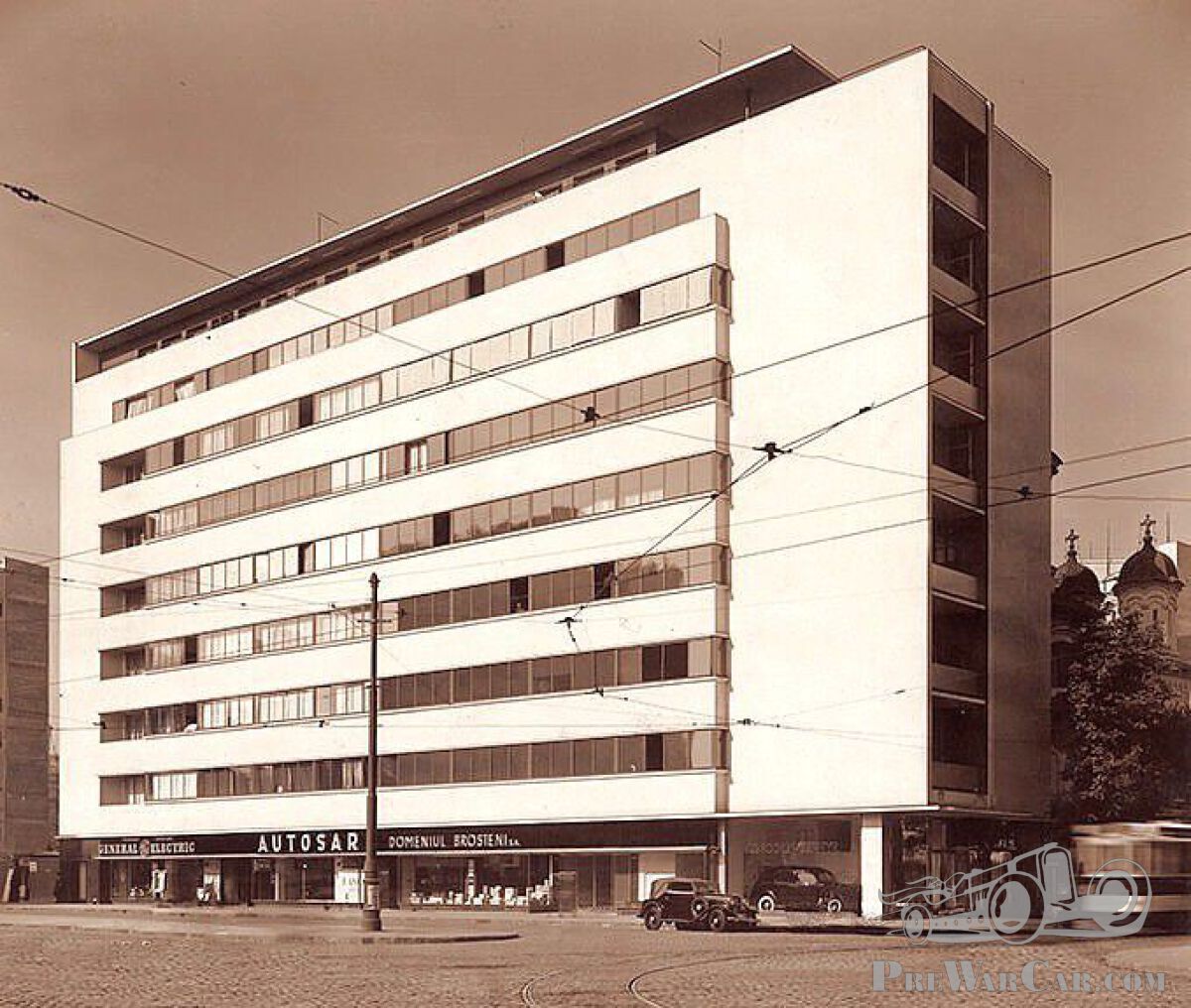
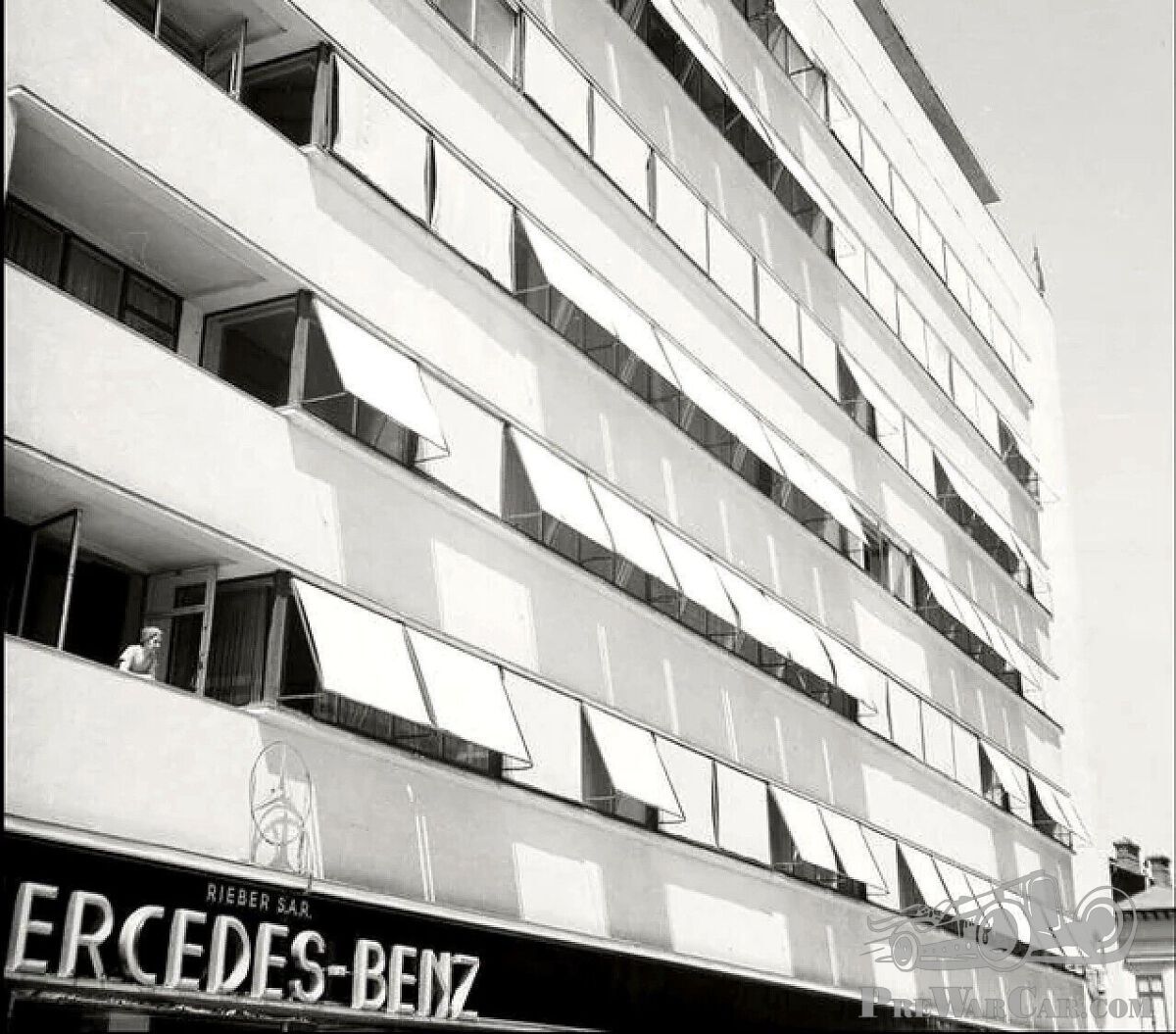
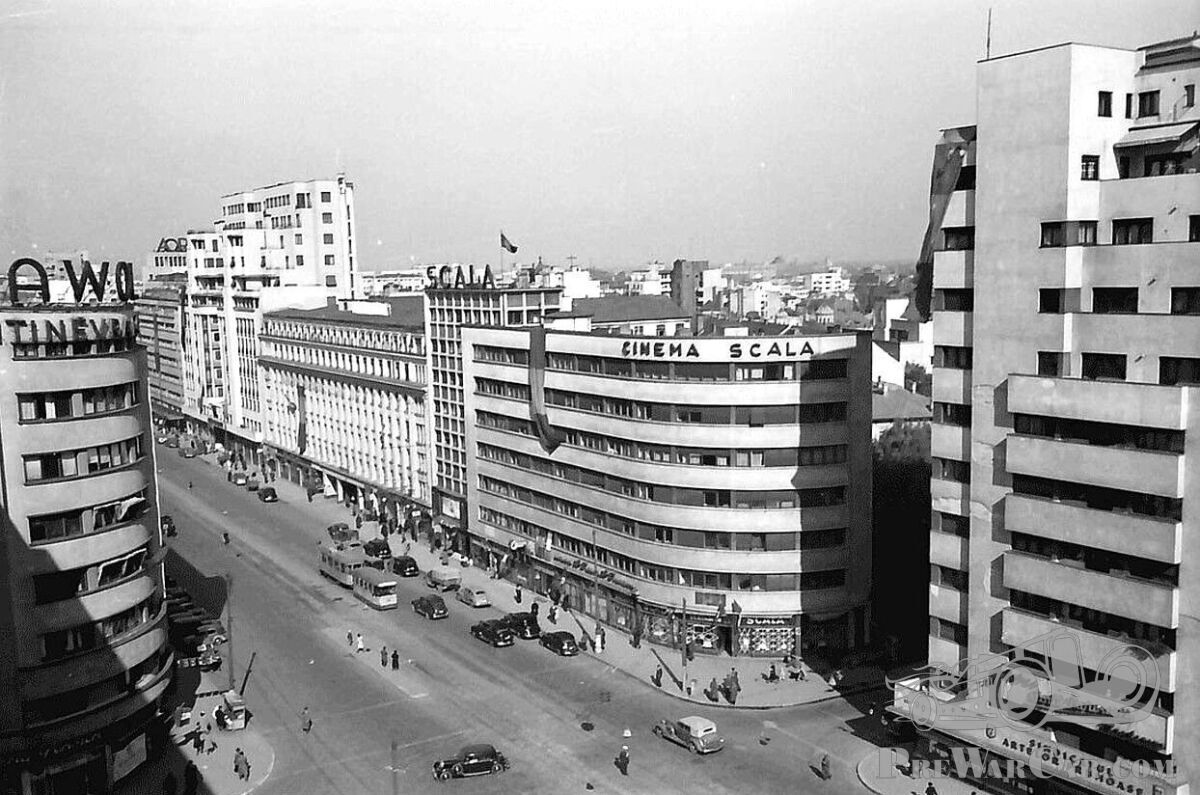
Thanks to Herman's mention of the name Malaxa, I have succeeded to dig into this a bit further. It appears that the groundfloor of the Malaxa Burileanu Building on Brătianu Boulevard for a time housed a Mercedes-Benz showroom - see attached photos of the building (1 with view from its top floor) and the one with the Mercedes-Benz script on its facade.
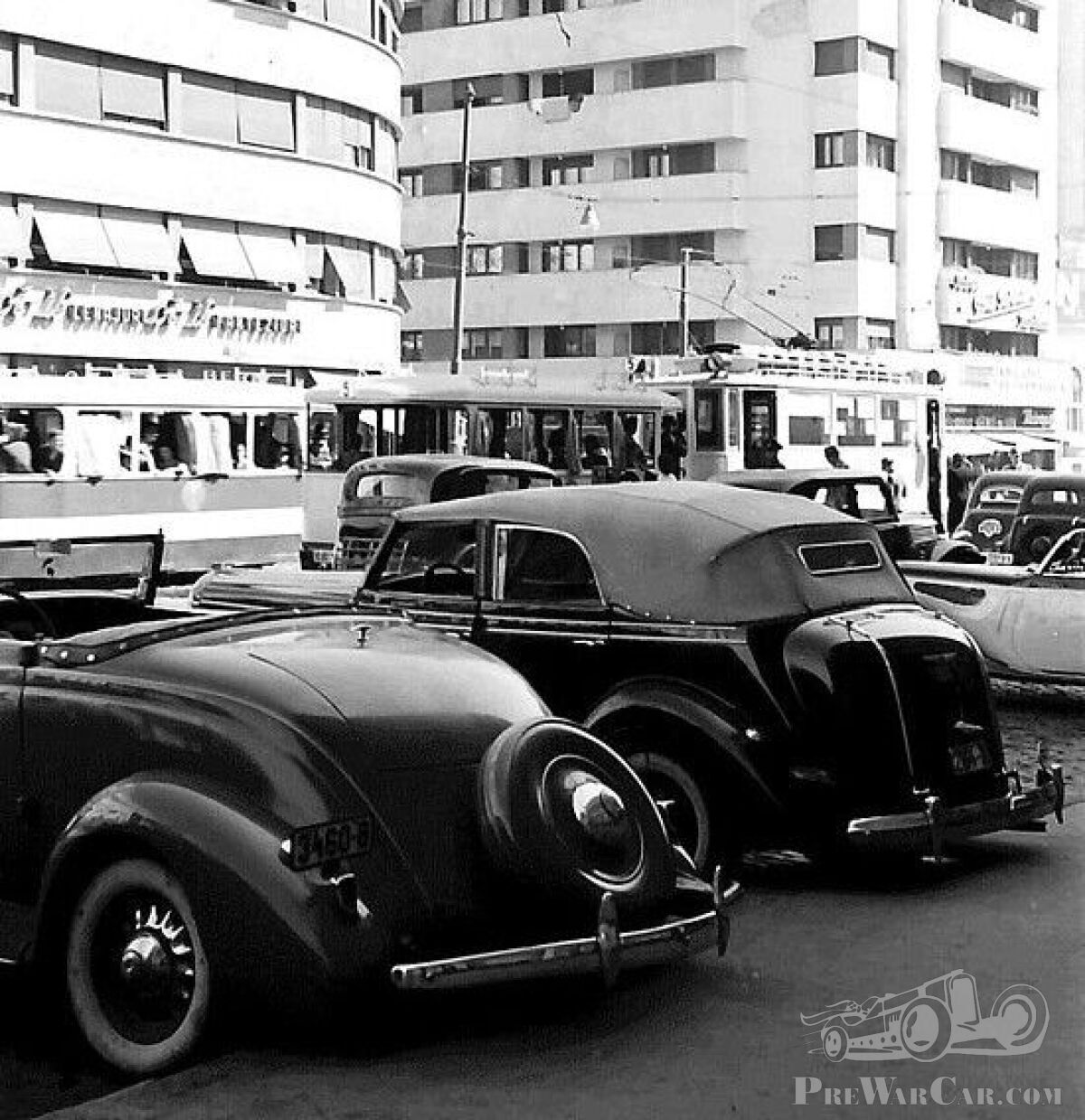
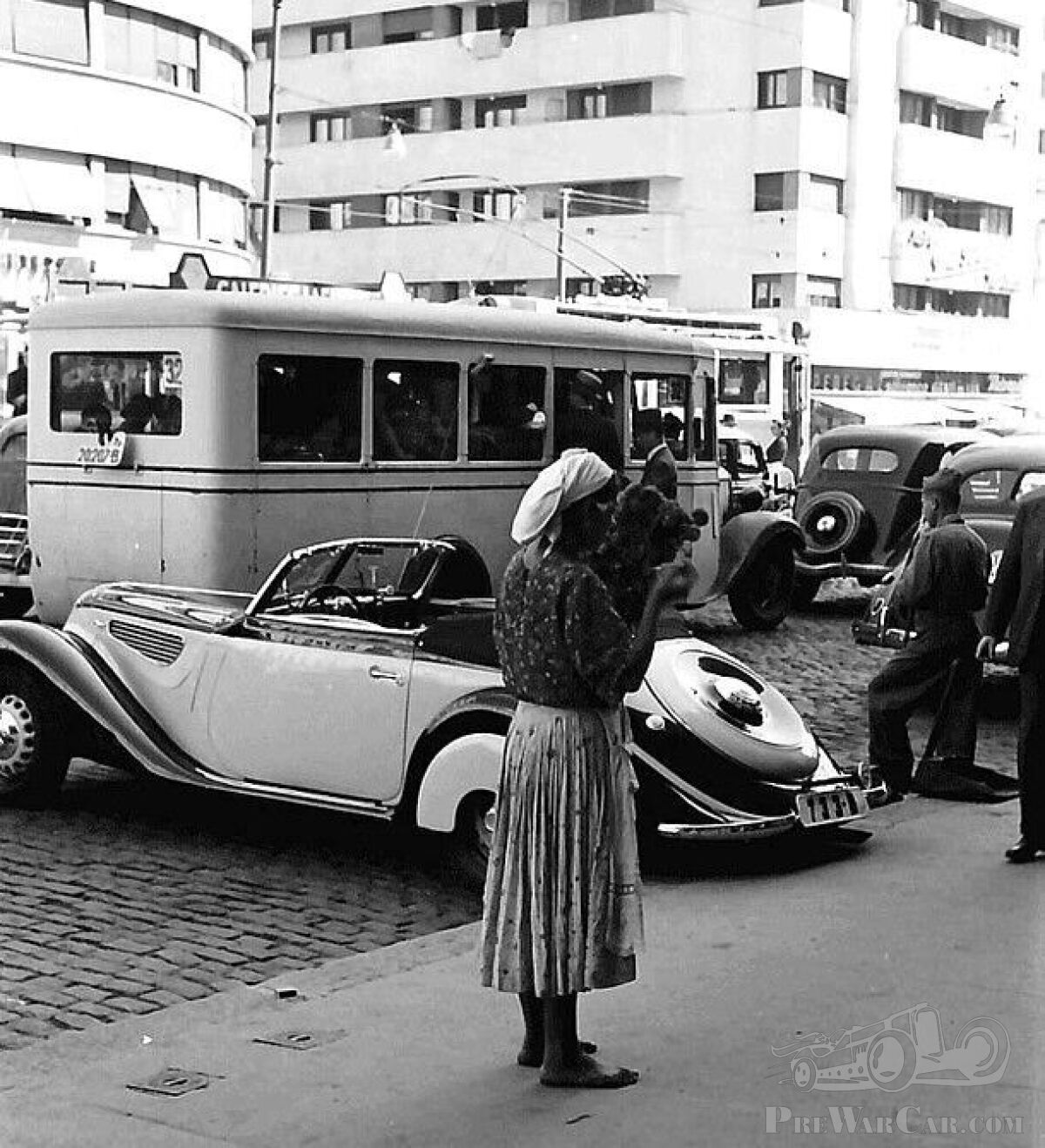
Bucharest, especially its Brătianu Boulevard, certainly saw some great automobiles in the late 1930s - some photos also attached.
I'm sure this all is not new to Sebastian Rafiroiu.
Lire la suite
Bucharest, especially its Brătianu Boulevard, certainly saw some great automobiles in the late 1930s - some photos also attached.
I'm sure this all is not new to Sebastian Rafiroiu.
Herman van oldeneel
01 Décembre 2025, 15:15
the name Malaxa is mentioned by a picture of such a Mercedes-Benz Spezial Roadster in Bucharest. For Malaxa see Wikipedia.
Lire la suite
Hans Veenenbos
01 Décembre 2025, 11:25
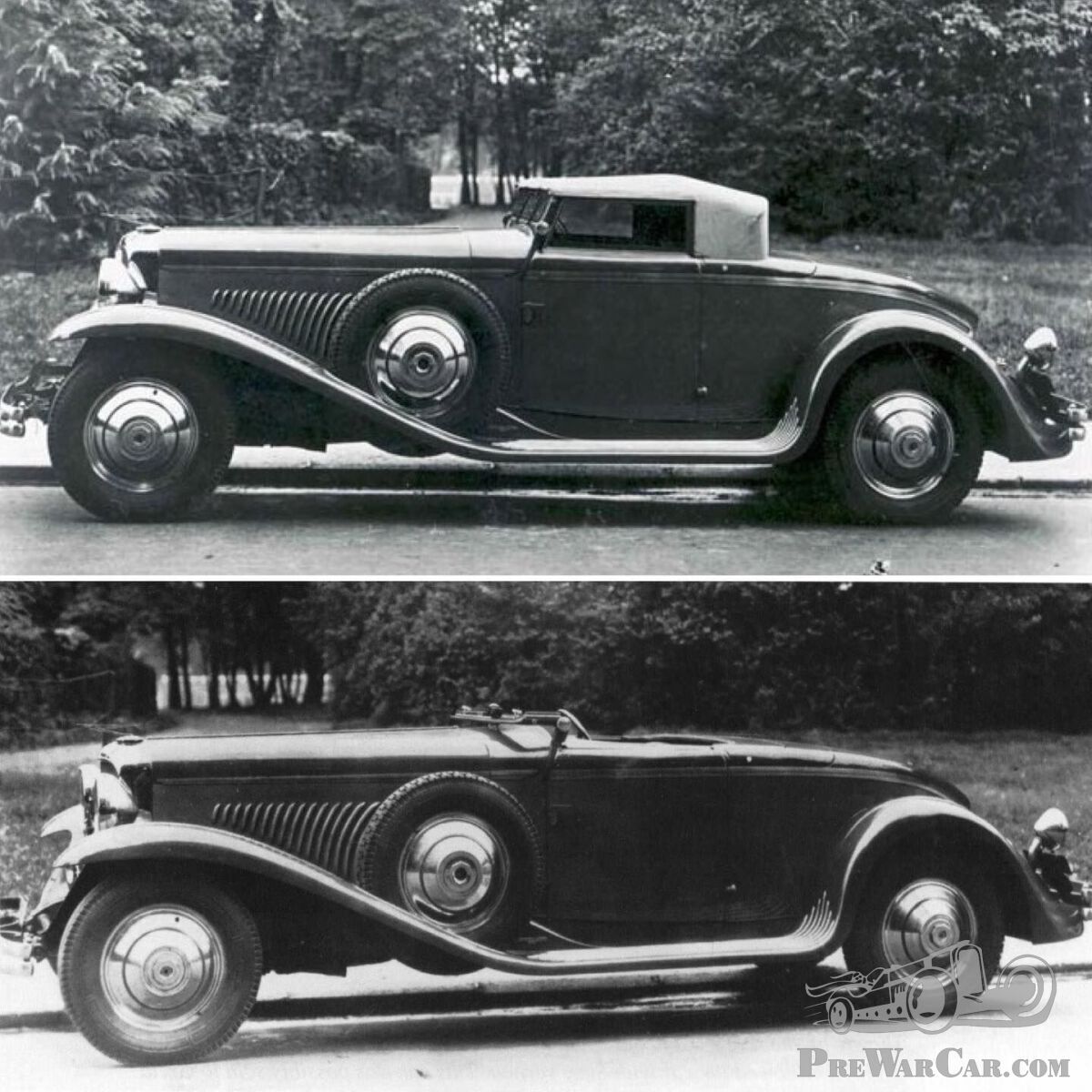
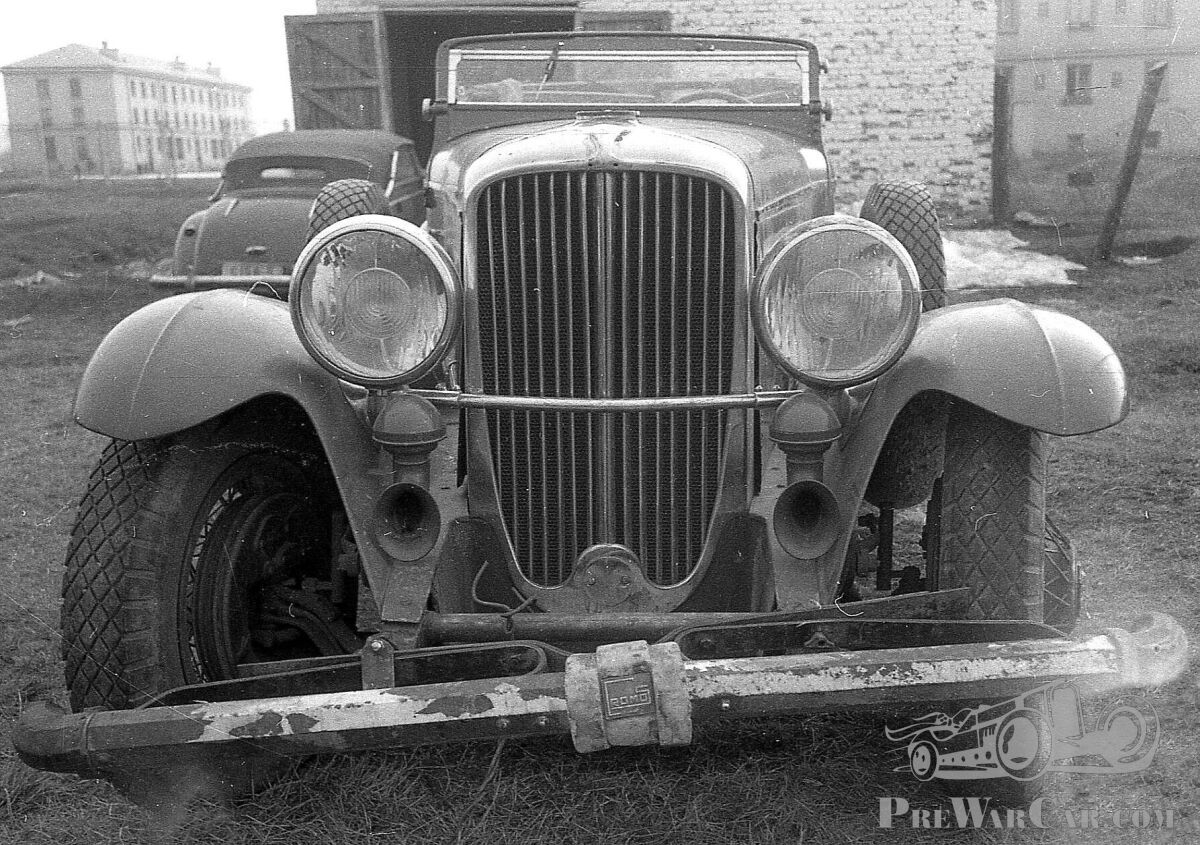
Here is a photo of 1929 Duesenberg Model J 2393 J-373 – probably dates from its discovery in Romania after World War II – or perhaps this photo was taken in Kiev, Ukraine?
Behind, extracted from the same barn, could be the Mercedes 540K A-Cabriolet ex-King Carol II – not a Spezial Roadster though.
I believe J 2393 featured on the Fernandez stand at the October 1933 Paris Salon and was sold to Prince Nicholas of Romania. He was Prince Regent of his minor nephew Prince Michael I from July 20th 1927 to June 6th 1930. His position as regent ended in 1930 with the return of his older brother Prince Carol II who took over as king. In 1940, after the removal of Carol II from the throne, Prince Michael I succeeded his father, until his abdication in 1947.
Prince Nicholas was a good customer of Edmond Z. Sadovich, the Duesenberg agent for Europe in Paris. Nicholas participated as a private entrant with his own Duesenberg SJ twice in the 24 Hours of Le Mans, in 1933 and 1935, but was disqualified each time.
Lire la suite
Behind, extracted from the same barn, could be the Mercedes 540K A-Cabriolet ex-King Carol II – not a Spezial Roadster though.
I believe J 2393 featured on the Fernandez stand at the October 1933 Paris Salon and was sold to Prince Nicholas of Romania. He was Prince Regent of his minor nephew Prince Michael I from July 20th 1927 to June 6th 1930. His position as regent ended in 1930 with the return of his older brother Prince Carol II who took over as king. In 1940, after the removal of Carol II from the throne, Prince Michael I succeeded his father, until his abdication in 1947.
Prince Nicholas was a good customer of Edmond Z. Sadovich, the Duesenberg agent for Europe in Paris. Nicholas participated as a private entrant with his own Duesenberg SJ twice in the 24 Hours of Le Mans, in 1933 and 1935, but was disqualified each time.