Le magazine et marché mondial pour les passionnés de voitures classiques, par des passionnés.
Le magazine et marché mondial pour les passionnés de voitures classiques, par des passionnés.


Filter
Faites votre choix:
- Voir les voitures
-
Marque >>
-
Année >>
-
-
Catégorie >>
- Voir les motos
- Voir les pièces et plus
-
Marque de la voiture >>
-
Constructeur >>
-
Catégorie >>
- Vélos
-
Année >>
-
Pays


Quelqu'un a déjà vu le tout-terrain de Lancia?
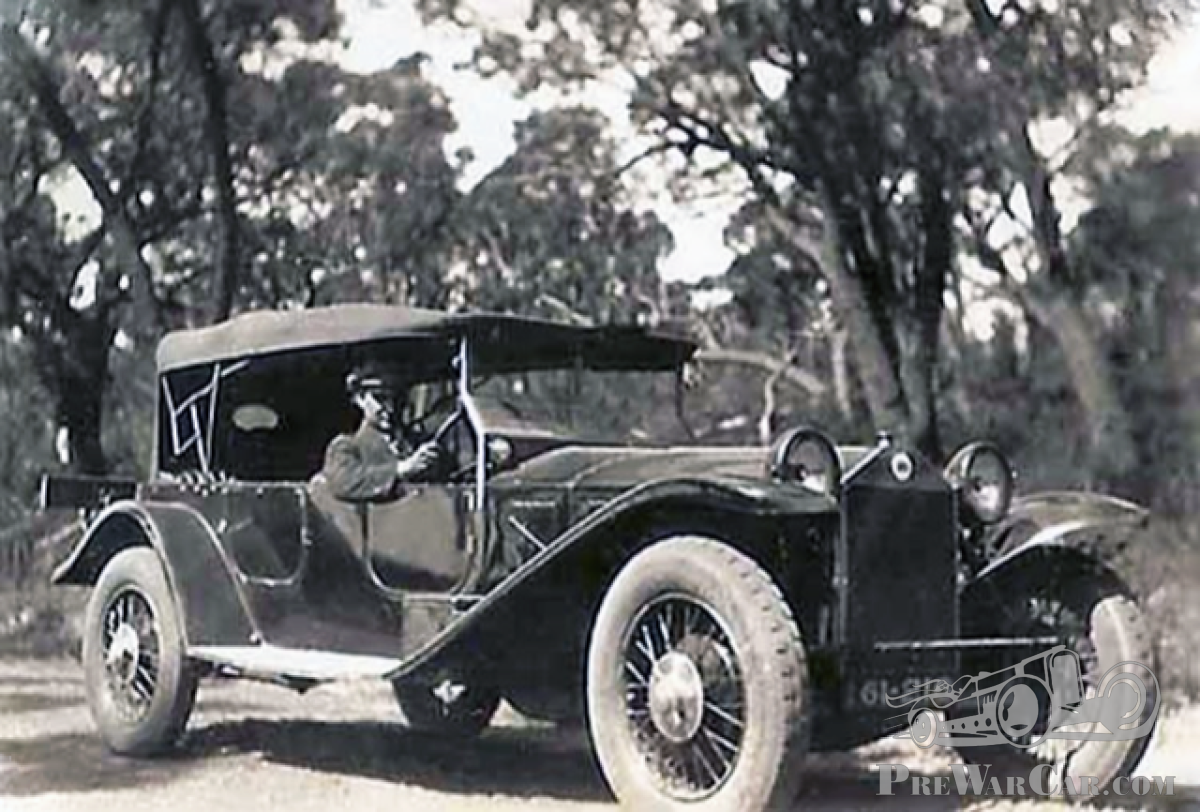

Il y a quelque temps, nous avons reçu un message d'un lecteur enthousiaste, Lance Milne, d'Australie, qui s'interrogeait sur l'existence d'une intrigante Lancia. Lance a écrit : "Je suis toujours fasciné quand vous présentez des photos de bizarreries et je ne peux pas imaginer à quoi ressemble votre stock de photos de voitures anciennes. En tant qu'amateur de Lancia, j'ai toujours été fasciné par l'histoire selon laquelle Giacomo Puccini a demandé à Vincenzo Lancia de construire le premier véhicule tout-terrain équipé, entre autres, de "roues à griffes". Je me demandais si vous aviez une photo de ce véhicule que vous pourriez publier, car je n'en ai jamais vu".
Malheureusement, nous avons dû décevoir Lance car nous n'avons jamais vu de trace de la Lancia en question. En fait, nous n'avions même pas entendu parler de la voiture mentionnée. Mais cela a suffi pour que nous nous demandions pourquoi. Premier arrêt : le web, qui nous a appris que le compositeur italien Giacomo Puccini (1858-1924) devait être un véritable passionné d'automobile, avec tous les dangers que cela comporte. Extrait de sa fiche Wikipedia : "Le 25 février 1903, Puccini a été gravement blessé dans un accident de voiture lors d'un voyage nocturne sur la route de Lucca à Torre del Lago. La voiture était conduite par le chauffeur de Puccini et transportait Puccini, sa future épouse Elvira et leur fils Antonio. Elle est sortie de la route, a fait une chute de plusieurs mètres et s'est retournée". Puccini a survécu, mais l'accident ne lui a pas fait de bien.
Sur une autre page : "Passionné d'automobile, Puccini commence sa carrière automobile en 1901 en achetant une De Dion-Bouton de 5 cv qu'il avait vue à l'exposition de Milan de cette année-là ; en 1903, il la remplace par une Clément-Bayard." D'autres engins à quatre roues plus tape-à-l'œil suivent : une Isotta Fraschini et plusieurs FIAT, "toutes bonnes pour les voyages en famille et entre amis, mais inadaptées à ses chasses adorées." Enfin, c'est ce qu'on dit. C'est pourquoi Puccini a demandé à Vincenzo Lancia de fabriquer une voiture capable de se déplacer sur des terrains accidentés. Il n'a fallu à Lancia que quelques mois pour mettre au point ce que l'on appelle parfois "le premier véhicule tout-terrain". La voiture utilisait un châssis renforcé et des roues "à griffes", comme l'a mentionné Lance, et s'est vendue au prix astronomique de 35 000 lires. Puccini l'aurait adoré et aurait acheté ensuite une Trikappa et une Lambda. Nous avons trouvé la photo ci-dessus de l'homme au volant de sa Lambda dans les années 1920, mais nous nous demandons si quelqu'un a déjà vu une photo du tout-terrain Lancia?
Texte de Jeroen Booij. Photo de Pinterest.
Publié à l'origine : Lundi 2 décembre 2019
Publié:
mardi mai 24th, 2022
Facebook
LinkedIn
Twitter
WhatsApp
Email
Copy
Commentaires
Charles Brennan
11 Septembre 2021, 02:46
Yes, the photo is most definitely taken in Australia. the forest (or it's scientific classification: "Woodland") in the background is unmistakeable.
Lire la suite
C.Gillingham
05 Décembre 2019, 02:13
Lance, this photo was taken a bit closer to home, it's a NSW (Australian) number plate. There are details of this car and the driver on this web page:
https://www.svvs.org/help06.shtml
It says the photo was taken in the Blue Mountains.
I've seen these type of small disks behind the hub caps before, mostly on other Italian cars of this period. I assumed they were purely decorative.
Lire la suite
https://www.svvs.org/help06.shtml
It says the photo was taken in the Blue Mountains.
I've seen these type of small disks behind the hub caps before, mostly on other Italian cars of this period. I assumed they were purely decorative.
Steve Diggins
05 Décembre 2019, 00:38
I think David is correct about those small discs. The large wheel discs were called dust covers and were meant to keep your wire wheels clean. but they also gave a sleek look perhaps hinting of land speed cars of the day.
Lire la suite
David GREEN
04 Décembre 2019, 17:55
First up, I am not at all persuaded that the driver is Puccini. Second, it seems highly likely, to me, that the discs behind the spinners are the permanent fittings for a set of painted aluminium wheel discs. Unlike wheels with solid centres, these aluminium discs carried no weight. They were for adornment. They were usually painted and lined-out and they conveyed a sense of smoothness and calm. They were frequently found on Rolls-Royce's of the period, but also Bentley's and other top-end marques. I have a set myself that came from a vintage Bentley. They were easy to fit (at least, the outer discs were). The discs you can see in the photograph would have had a screw thread on their margins, with a cast brass annulus, also threaded, that was tightened with a large radius C-spanner. One took off the annulus, placed the aluminium disc to sit over the outer wheel rim, and then tightened the annulus over them. Why bother to take them off? Well, if one is going to do a bit of off roading, then the discs are easy to damage, and once the aluminium has been stretched, they are difficult to panel-beat back to the state of near perfection they need for their effect in town.
Lire la suite
Lance Milne
03 Décembre 2019, 21:23
Does the numberplate 61-216 or the forest in the background give any indication of the location of this picture ?
Lire la suite
Hugo Modderman
03 Décembre 2019, 18:24
I am not sure about the usefulness of the discs but could imagine they would facilitate the fitting of snow chains and protect the wheels.
Lire la suite
Iain Simpson
03 Décembre 2019, 01:06
I have to wonder if, in fact this is Puccini at the wheel of this Lambda. Timeline seems a bit tight given this appears to be a fifth series car which started production in October of 1924• and yet Puccini Died in November of 1924. Can anyone identify Puccini in this pic?
As for the discs behind the knock ons: I would view this as some sort of stylish embellishment Leo... something you might see on an American car.
Lire la suite
As for the discs behind the knock ons: I would view this as some sort of stylish embellishment Leo... something you might see on an American car.
Nigel Simeone
28 Août 2021, 18:03
You're right: that's certainly not Puccini behind the wheel. He did own a Lamba, but it was purchased in May 1924, which must have been a slightly earlier version (we know the date from a letter he sent a friend on 18 May 1924 saying that he'd taken delivery and that it was 'very good, the best car for me'. It was a successor to the Lancia Trikappa Torpedo which Puccini bought in 1922.
Lire la suite
Leo Schildkamp
02 Décembre 2019, 12:04
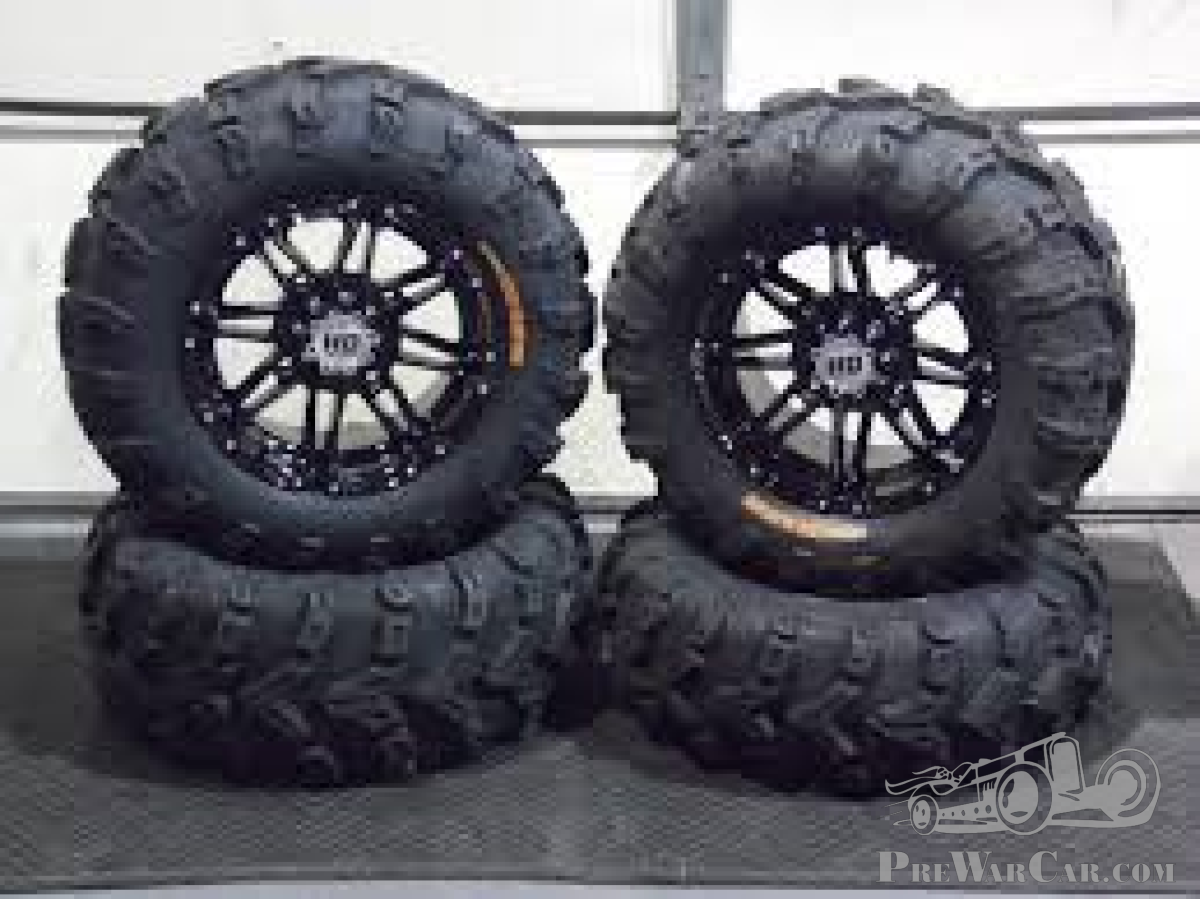
Clawed wheels or "ruote artigliate" are wheels or tires with nails or blocks that provide more grip.
The tires in the photo also have a rough running surface.
What is the use of the disc behind the central wheel nut?
Lire la suite
The tires in the photo also have a rough running surface.
What is the use of the disc behind the central wheel nut?