Le magazine et marché mondial pour les passionnés de voitures classiques, par des passionnés.
Le magazine et marché mondial pour les passionnés de voitures classiques, par des passionnés.


Filter
Faites votre choix:
- Voir les voitures
-
Marque >>
-
Année >>
-
-
Catégorie >>
- Voir les motos
- Voir les pièces et plus
-
Marque de la voiture >>
-
Constructeur >>
-
Catégorie >>
- Vélos
-
Année >>
-
Pays



Trois mystères de trois époques, aucun une Imperia
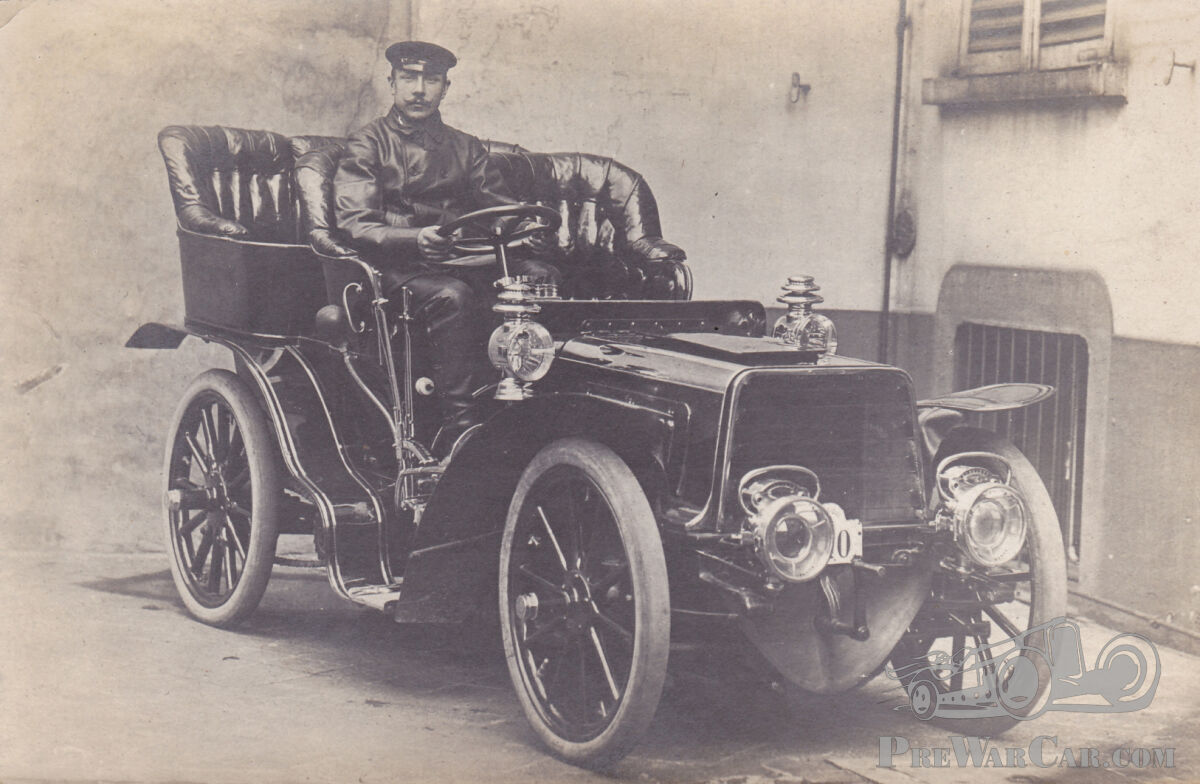


Lorsque même les spécialistes ne trouvent plus de réponses, ils se tournent vers nous. Et lorsque nous devons à notre tour reconnaître que notre savoir atteint ses limites, nous faisons ce que les passionnés font depuis plus d’un siècle : nous nous tournons les uns vers les autres. Ainsi, le savoir continue de circuler, les énigmes sont partagées et parfois résolues.
C’est dans cet esprit d’entraide – et en accord avec l’atmosphère des fêtes à venir – que nous présentons aujourd’hui trois photographies qui nous ont été transmises par Josef de Baets. Josef est un spécialiste reconnu de la marque Imperia et dispose d’une documentation particulièrement vaste. Les images qu’il a partagées avec nous sont de grande qualité, mais malheureusement peu documentées. C’est précisément ce qui les rend d’autant plus intéressantes.
Au verso de la première photographie figure l’inscription : Theo Verdonck + 1913. À cette époque, Theo Verdonck travaillait au garage Auto-Palace de Monsieur De Schaapmeester, situé avenue de l’Exposition à Gand. D’après les informations dont nous disposons, il ne s’agissait pas d’une concession mono-marque, mais d’un garage de vente et de réparation représentant plusieurs marques, dont Minerva, FN et Delaunay-Belleville.
Cependant, au vu de la silhouette et des détails de construction, le véhicule représenté semble antérieur à 1913. Nous estimons provisoirement sa date de construction aux alentours de 1904, bien qu’aucune preuve définitive ne permette de l’affirmer avec certitude.
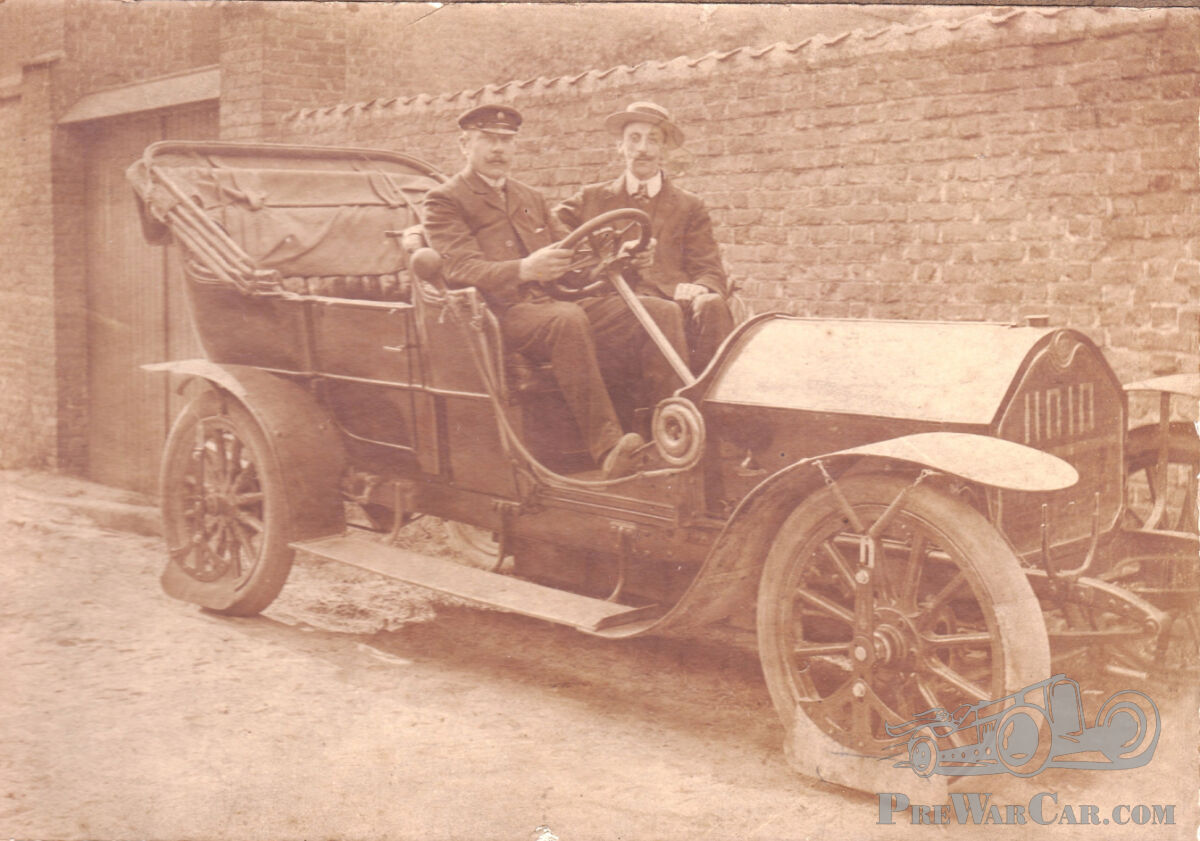
La deuxième photographie soulève immédiatement des questions en raison d’un accessoire remarquable fixé aux roues. Josef nous a interrogés sur sa fonction. Notre première hypothèse fut qu’il s’agissait d’un dispositif pratique destiné à débarrasser les roues des saletés de la route – et, à l’époque, fréquemment du fumier de cheval. Nous ne pouvons toutefois l’affirmer avec certitude.
Ce qui est certain, c’est que la voiture a été utilisée de manière intensive. Le pneu avant présente une réparation visible et les phares sont absents. L’immatriculation 11010 était attribuée à Le Blanc Gaston, domicilié au 23 rue Solferino à Lille, France. Sur la base des proportions générales et des caractéristiques techniques, nous pensons qu’il pourrait s’agir d’une Crossley de 20 hp, bien que cela reste, pour l’instant, une hypothèse.
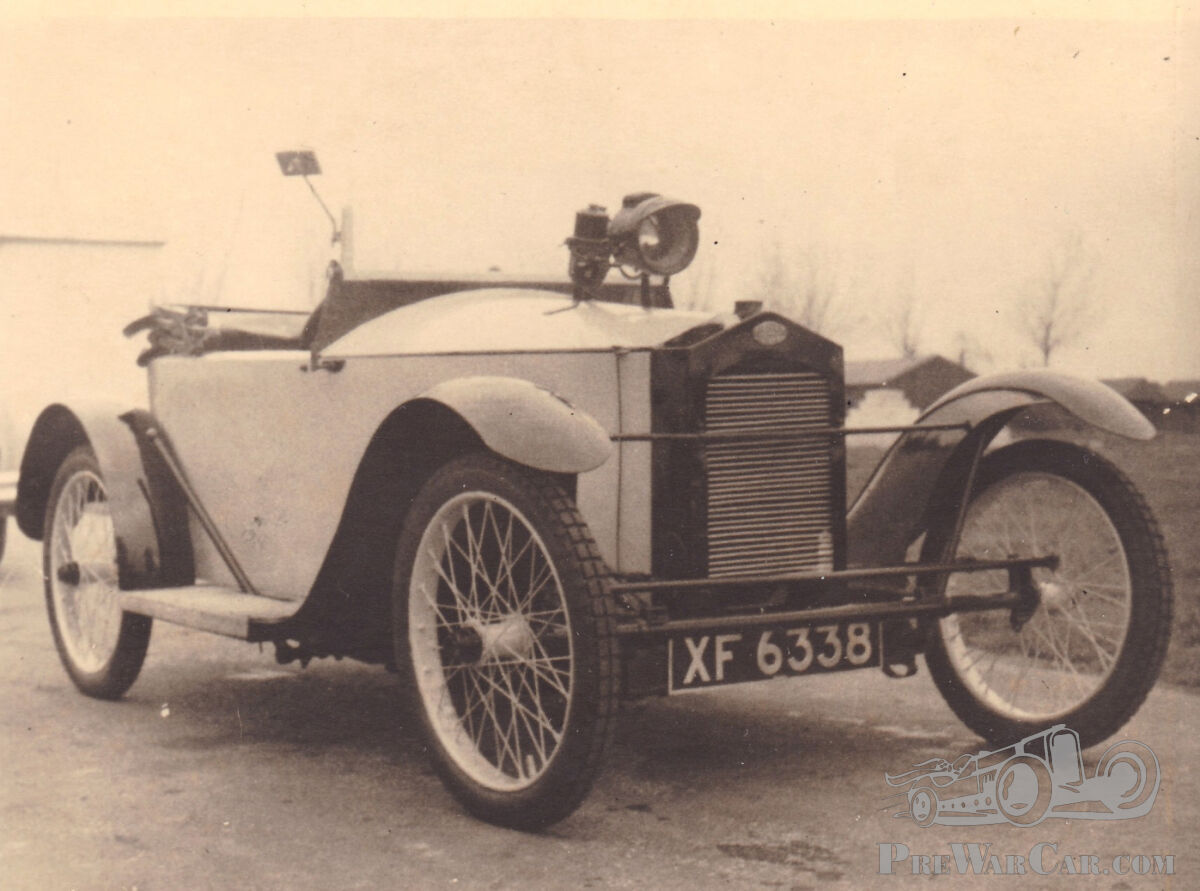
La troisième photographie est d’une date plus récente et se révèle plus facile à situer. Grâce à l’allure caractéristique du véhicule et à la plaque d’immatriculation britannique clairement visible, nous avons pu retrouver une image comparable dans nos archives. Tout indique qu’il s’agit d’une Blériot-Whippet de 1921, une cyclecar typique construite par la société britannique Air Navigation & Engineering Co. Ltd..
L’immatriculation XF6338 est souvent citée comme étant le seul exemplaire conservé. Nous ignorons toutefois si ce véhicule circule encore effectivement aujourd’hui.
Nous espérons que vous pourrez nous apporter des éléments complémentaires.
Texte: Laurens Klein
Photos: Josef de Baets
Publié:
lundi décembre 22nd, 2025
Facebook
LinkedIn
Twitter
WhatsApp
Email
Copy
Commentaires
Christoph Röhrs
28 Décembre 2025, 13:23
Ariejan Bos
27 Décembre 2025, 21:14
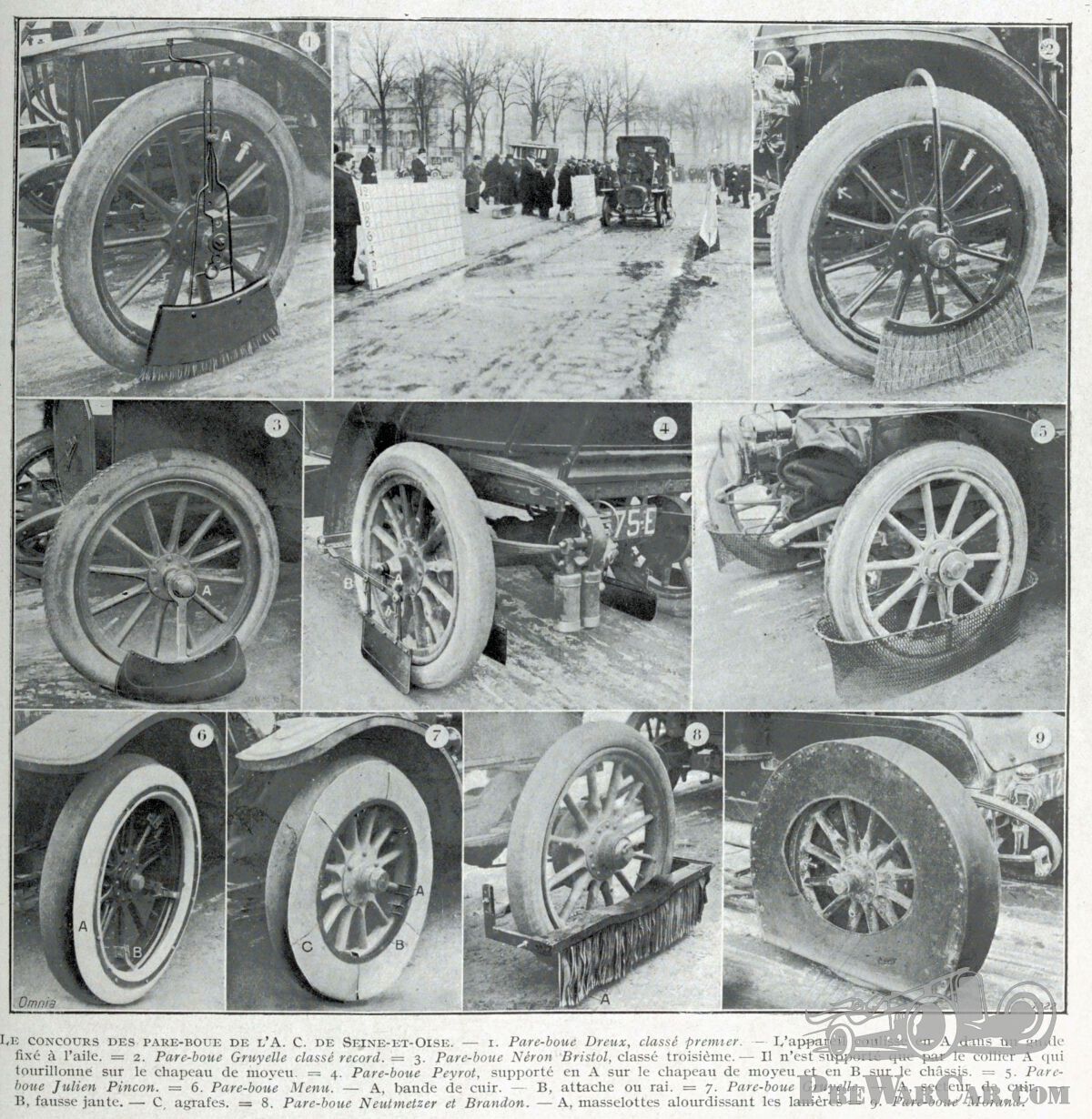
There is little doubt in my opinion that the Darracq carries an anti-mud device. Uploaded a page from the Omnia issue of February 10th, 1912, showing a number of anti-mud devices during the Concours de Pare-Boue (anti-mud trials) in France of that year. In 1913 also a trial was held. The device on the Darracq is very similar to some of the devices shown here.
Lire la suite
Robert Kubart
27 Décembre 2025, 12:51
I believe... it's a trial run for an invention. In the event of a tyre puncture, the vehicle rests on the skid plate and does not damage the tyre or the rim... there is a large repair area on the front wheel.
——
Ich glaube..es ist der Probelauf einer Erfindung, im Falle eines Reifenschadens sitzt das Fahrzeug auf der Kufe auf, und macht nicht den Mantel oder die Felge kaputt..am Vorderrad fällt eine grosse Reparaturstelle auf
Lire la suite
——
Ich glaube..es ist der Probelauf einer Erfindung, im Falle eines Reifenschadens sitzt das Fahrzeug auf der Kufe auf, und macht nicht den Mantel oder die Felge kaputt..am Vorderrad fällt eine grosse Reparaturstelle auf
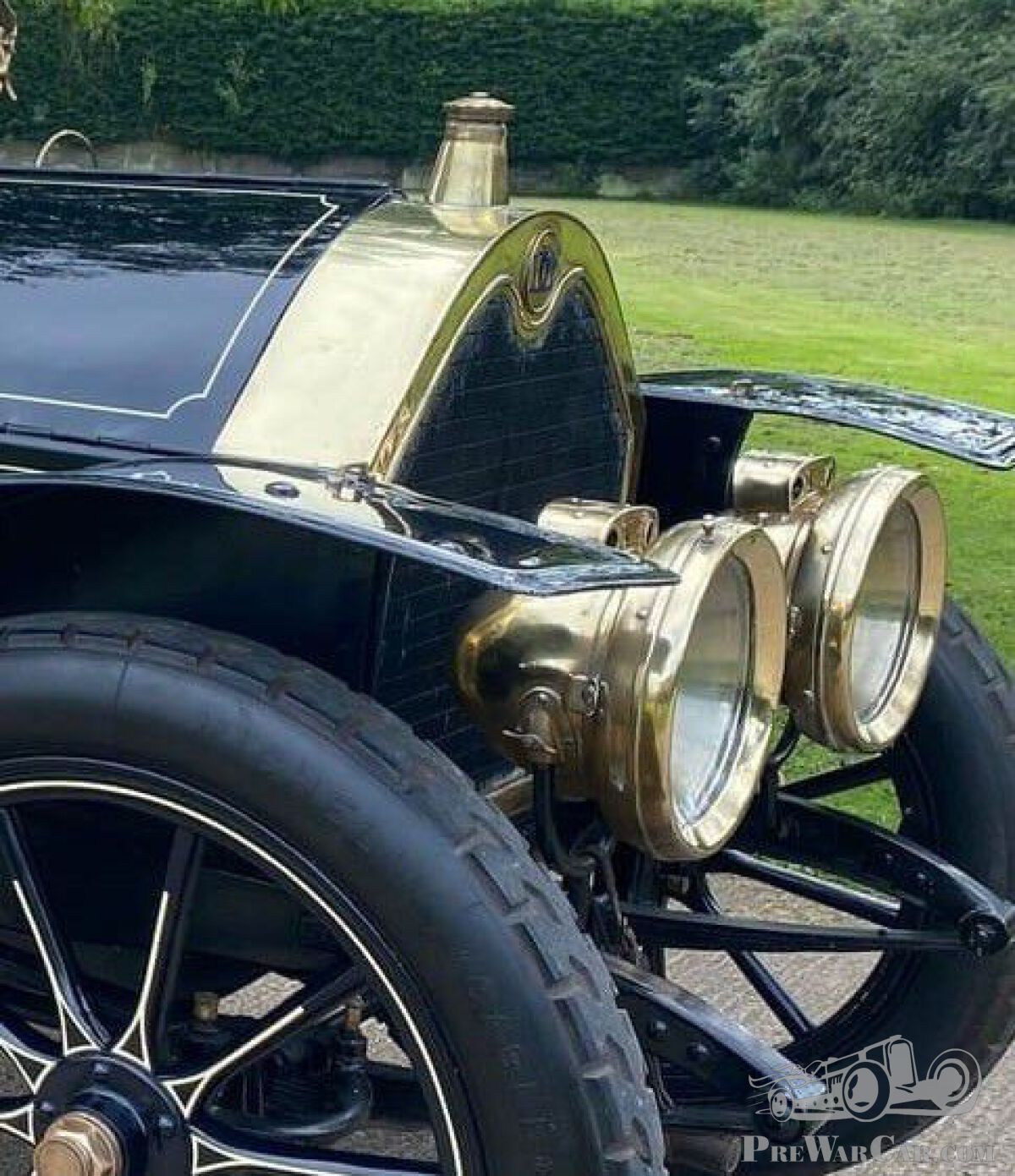
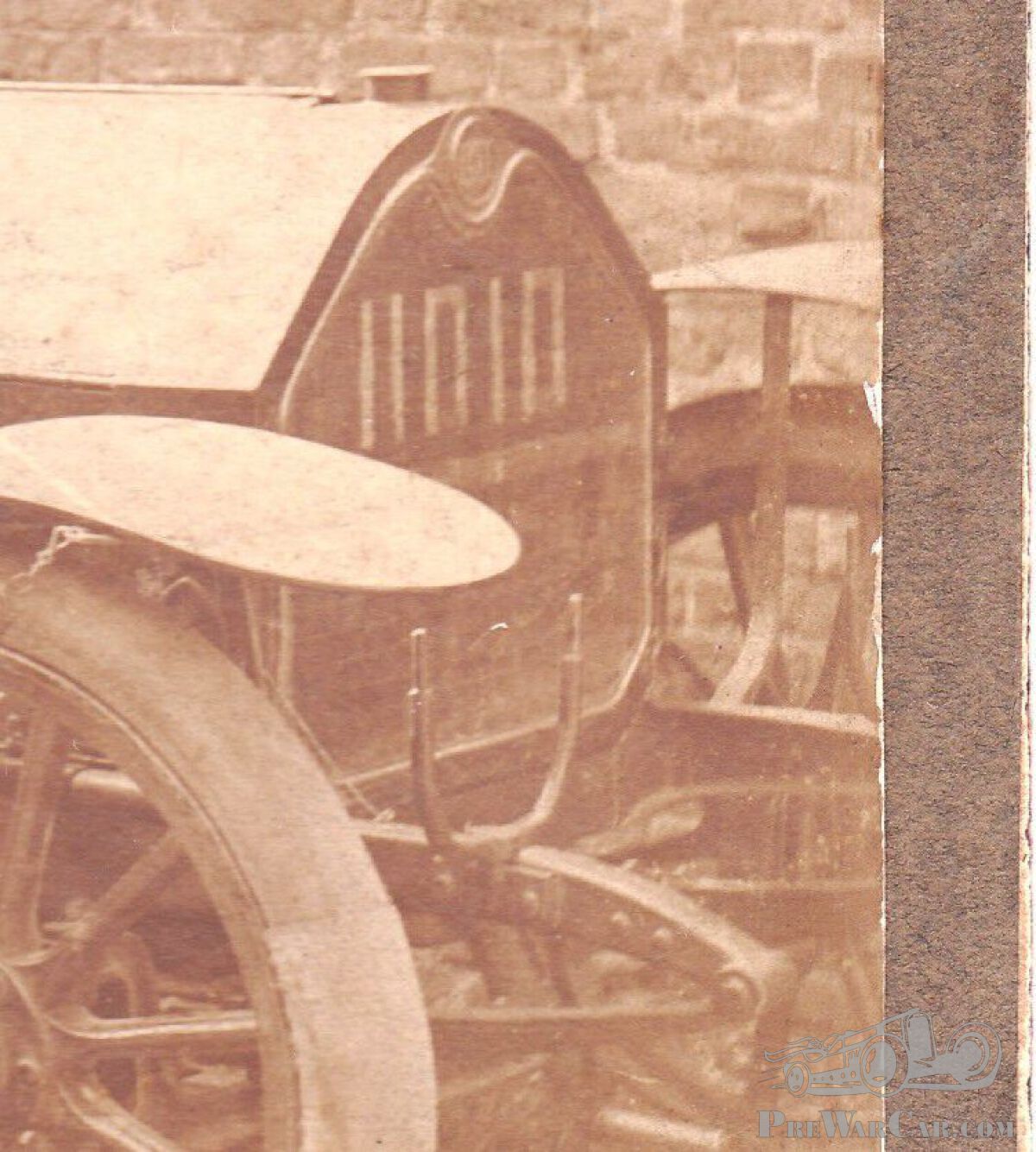


De Baets Josef
27 Décembre 2025, 12:36
I would like to thank everyone for their spontaneous responses.
Photo no. 1 is still a mystery.
After further investigation, photo no. 2 is a Darracq from 1907 or earlier. Registration number 11010 was issued to Le Blanc Gaston, residing at 23 Rue Solferino in Lille, France. Source: Annuaire général l'automobilisme Belge 1907, page 285. The photo of the blue Darracq is from 1907. The purpose of those peculiar devices on the wheels remains a mystery.
Photo no. 3 is indeed a Blériot-Whippet 8/9 hp (1921) with a 1L V-twin engine. For more information, see: https://de.wikipedia.org/wiki/Bl%C3%A9riot-Whippet
Documented with a photo of the same car as the one in my photo, recognisable by the same number plate, XF6338.
Kind regards, Josef
——
Ik bedank iedereen voor de spontane reacties.
Foto n°1 is nog een raadsel.
Foto n° 2 is na nog verder onderzoek een Darracq van 1907 of daar voor. Kenteken 11010 is uitgegeven aan Le Blanc Gaston , woonachtig aan de Rue Solferino 23 in Lille, Frankrijk . Bron; Annuaire général l'automobilisme Belge 1907 op blz 285. Foto blauwe Darracq is van 1907. Wat voor doel die eigenaardige apparaten op de wielen hadden is nog een raadsel.
Foto n° 3 is inderdaad een Blériot-Whippet 8/9 pk (1921) met 1L V-twin-motor. Zie voor meer info; https://de.wikipedia.org/wiki/Bl%C3%A9riot-Whippet
Gedocumenteerd met een foto van dezelfde auto als die van mijn foto te herkennen aan dezelfde n° plaat XF6338.
Vriendelijke groeten, Josef
Lire la suite
Photo no. 1 is still a mystery.
After further investigation, photo no. 2 is a Darracq from 1907 or earlier. Registration number 11010 was issued to Le Blanc Gaston, residing at 23 Rue Solferino in Lille, France. Source: Annuaire général l'automobilisme Belge 1907, page 285. The photo of the blue Darracq is from 1907. The purpose of those peculiar devices on the wheels remains a mystery.
Photo no. 3 is indeed a Blériot-Whippet 8/9 hp (1921) with a 1L V-twin engine. For more information, see: https://de.wikipedia.org/wiki/Bl%C3%A9riot-Whippet
Documented with a photo of the same car as the one in my photo, recognisable by the same number plate, XF6338.
Kind regards, Josef
——
Ik bedank iedereen voor de spontane reacties.
Foto n°1 is nog een raadsel.
Foto n° 2 is na nog verder onderzoek een Darracq van 1907 of daar voor. Kenteken 11010 is uitgegeven aan Le Blanc Gaston , woonachtig aan de Rue Solferino 23 in Lille, Frankrijk . Bron; Annuaire général l'automobilisme Belge 1907 op blz 285. Foto blauwe Darracq is van 1907. Wat voor doel die eigenaardige apparaten op de wielen hadden is nog een raadsel.
Foto n° 3 is inderdaad een Blériot-Whippet 8/9 pk (1921) met 1L V-twin-motor. Zie voor meer info; https://de.wikipedia.org/wiki/Bl%C3%A9riot-Whippet
Gedocumenteerd met een foto van dezelfde auto als die van mijn foto te herkennen aan dezelfde n° plaat XF6338.
Vriendelijke groeten, Josef
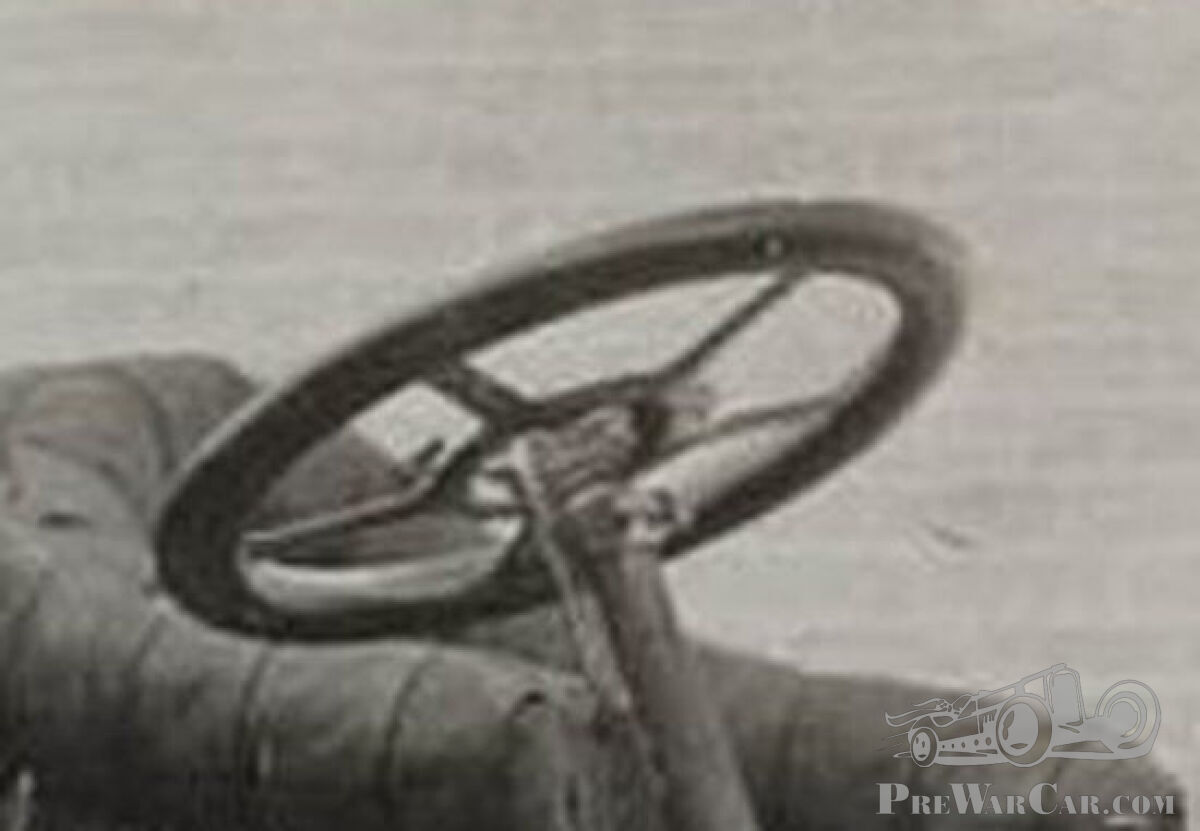
Ariejan Bos
24 Décembre 2025, 20:22
My first impression was Minerva indeed too. But careful observation showed too many deviations from the early Minerva models to accept this as true.
An important deviation is the absence of the centre circle in the steering wheel, a characteristic Minerva feature during the early years (see uploaded image of a 1903 Minerva steering wheel). In some promotional material this centre circle is absent, but in actual models I’ve never seen them without. Other differences a.o. are the presence of a top lid on the bonnet as well as a side lid with louvres; and the curiously curved crank support. Besides the steering column angle is too steep.
At the moment I’m considering the car to be a late La Minerve, just before or just after Minerva took over. We know these firms had an intimate connection and the early Minerva’s had engines identical to La Minerve. However the exact nature of this relation is still not fully clear.
In my archive I have some photos of a car, which is similar to the mystery car here and which I initially called Minerva. Later I changed my view about this. Important is that the car clearly carried a French license plate and was photographed in France, which supports the La Minerve origin.
This would explain the resemblance with the early (1904) Minerva, but the point here is that the number of images of La Minerve models from that year are very scarce and a positive id of the car on the above mentioned photo is still lacking.
Lire la suite
An important deviation is the absence of the centre circle in the steering wheel, a characteristic Minerva feature during the early years (see uploaded image of a 1903 Minerva steering wheel). In some promotional material this centre circle is absent, but in actual models I’ve never seen them without. Other differences a.o. are the presence of a top lid on the bonnet as well as a side lid with louvres; and the curiously curved crank support. Besides the steering column angle is too steep.
At the moment I’m considering the car to be a late La Minerve, just before or just after Minerva took over. We know these firms had an intimate connection and the early Minerva’s had engines identical to La Minerve. However the exact nature of this relation is still not fully clear.
In my archive I have some photos of a car, which is similar to the mystery car here and which I initially called Minerva. Later I changed my view about this. Important is that the car clearly carried a French license plate and was photographed in France, which supports the La Minerve origin.
This would explain the resemblance with the early (1904) Minerva, but the point here is that the number of images of La Minerve models from that year are very scarce and a positive id of the car on the above mentioned photo is still lacking.
Christoph Röhrs
22 Décembre 2025, 18:28
The rather peculiar devices on the wheels of the car in the second picture seem to me to be more of a splash guard, designed to prevent dirt and water from splashing onto people, animals or anything else when driving past.
Lire la suite
Ariejan Bos
22 Décembre 2025, 16:32
The last car is a 1921 Bleriot-Whippet. The first car is still under investigation.
Lire la suite
Tyrone Hopes
22 Décembre 2025, 12:18
In regard to the last car - the DVLA does have the car on record - but it's not currently taxed for the road. So probably in somebody's garage or car collection.
Lire la suite
Tyrone Hopes
22 Décembre 2025, 12:14
Sorry - no information about the cars themselves! The notation '+1913' would most probably indicate year of death of the driver. This was probably the photo they had to remember him by.
Lire la suite
Stanislav Kirilets
22 Décembre 2025, 12:08
The second picture shows Darracq. The device could be used to combat ice and snow if it's made of metal. If not, then it could be used to remove dirt.
Lire la suite
Paul Hicks
22 Décembre 2025, 02:55
I am certain the second picture is a large Darracq about 1908
Lire la suite
An interesting selection of similar devices to protect against splashing water/dirt to the detriment of other road users. Thank you very much, that confirms my assumption, which was based solely on common sense.