Le magazine et marché mondial pour les passionnés de voitures classiques, par des passionnés.
Le magazine et marché mondial pour les passionnés de voitures classiques, par des passionnés.


Filter
Faites votre choix:
- Voir les voitures
-
Marque >>
-
Année >>
-
-
Catégorie >>
- Voir les motos
- Voir les pièces et plus
-
Marque de la voiture >>
-
Constructeur >>
-
Catégorie >>
- Vélos
-
Année >>
-
Pays



Le mystère de l'American Wonder radiocommandé


Qu'on l'appelle mode de conduite autonome, pilote automatique ou radiocommande, ou qu'on utilise les termes plus poétiques de "voiture fantôme" ou plus prosaïques de "voiture autonome", l'idée de la voiture qui n'a pas besoin de conducteur est presque aussi vieille que l'industrie de la radio et de l'automobile elle-même. Cette photo date de 1928 et a été prise à Washington, mais elle est accompagnée de peu d'informations. La légende originale est la suivante : La photo montre un homme, debout dans la rue à côté d'une automobile, tenant probablement une télécommande ; un boîtier de commande se trouve sur le marchepied de la voiture. Oui, il s'agirait d'une voiture radiocommandée.
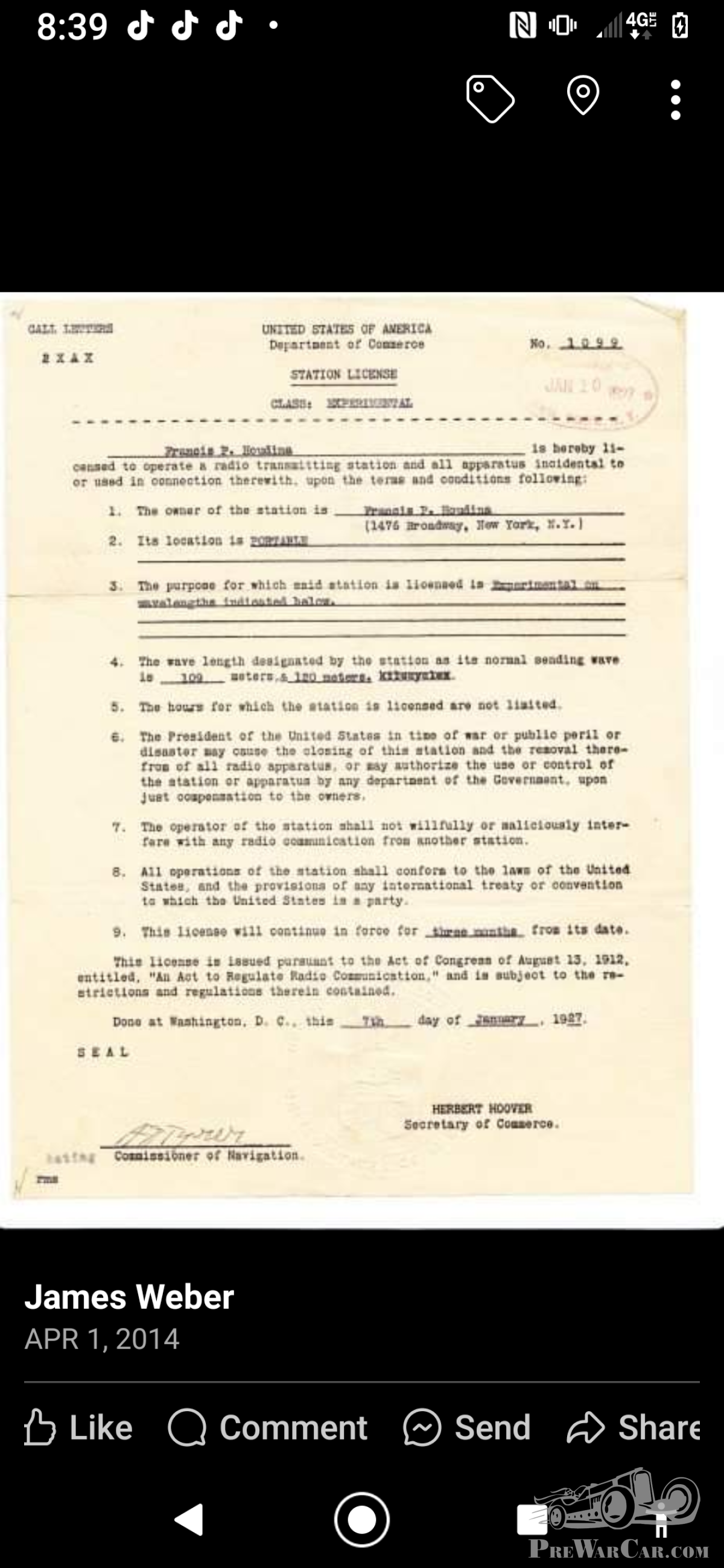
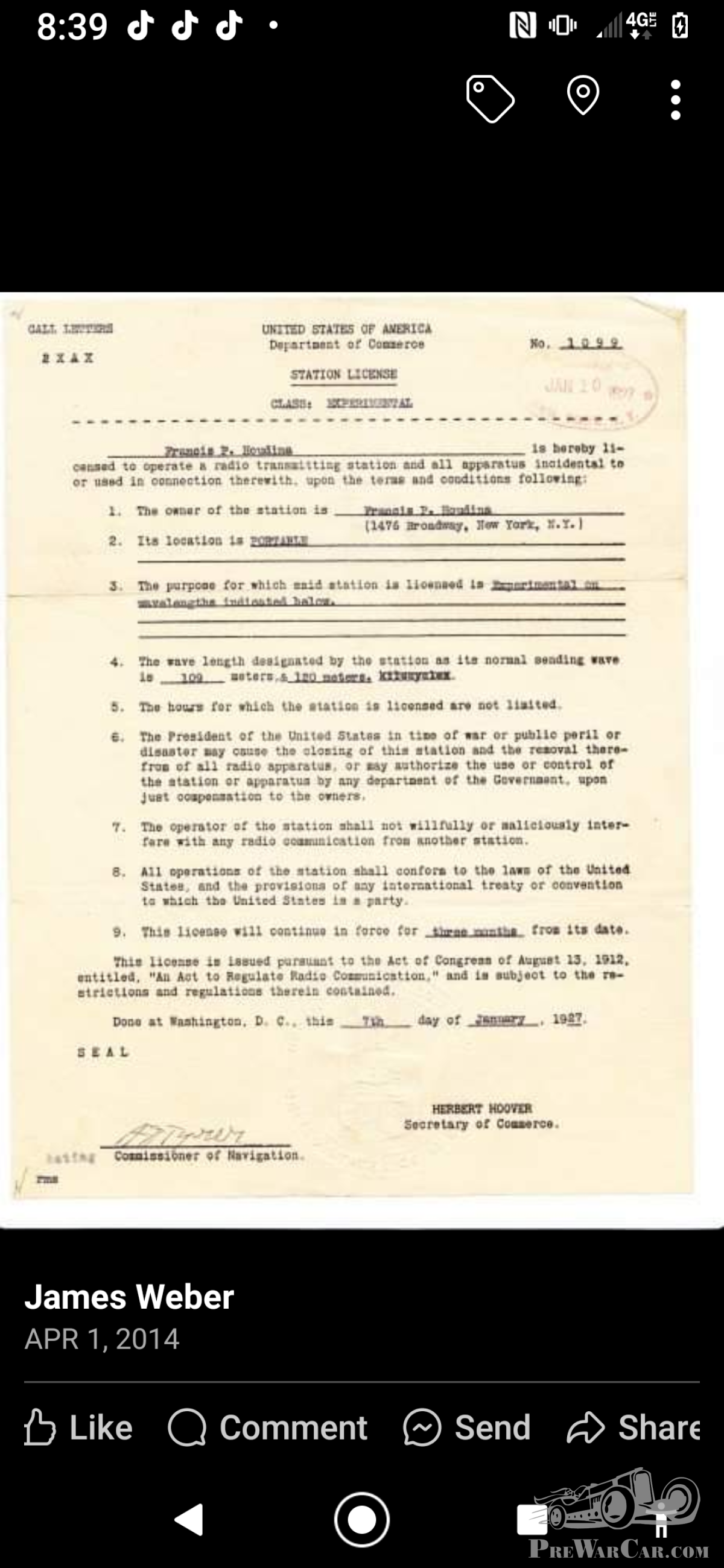
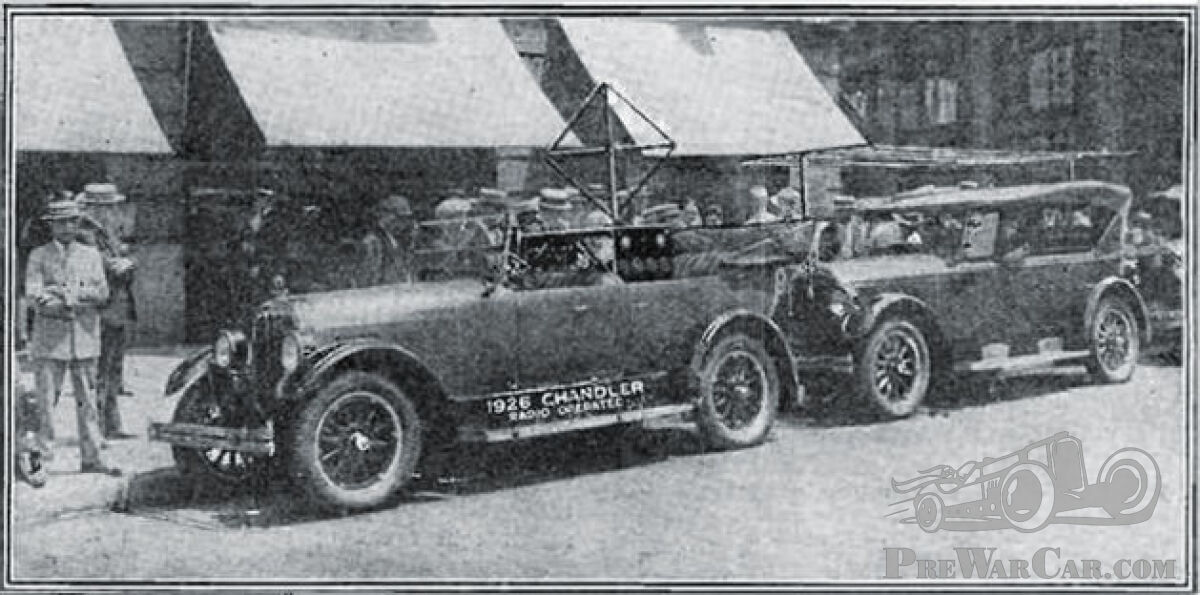
N'est-il pas étrange qu'il n'y ait pas d'autres faits à notre disposition ? Nous avons seulement trouvé un peu plus d'informations sur un homme nommé Francis P. Houdina, un ancien ingénieur électricien de l'armée américaine qui a fondé la Houdina Radio Control Co. dans le Wisconsin et a construit une voiture radiocommandée de ce type quelques années auparavant, qui aurait été appelée l'American Wonder : "Il a équipé une berline Chandler de 1926 d'une antenne émettrice, et les signaux radio qu'elle recevait actionnaient de petits moteurs électriques qui contrôlaient la vitesse et la direction du véhicule. Une équipe qui suivait de près dans un second véhicule contrôlait la Chandler fantôme".
Lors d'une démonstration à New York en 1925, la voiture sans conducteur de Houdina aurait percuté un autre véhicule garé sur la 47e rue et rempli de photographes qui documentaient l'événement. Cela n'a pas empêché Houdina de parcourir le pays pour faire la démonstration de son Chandler. Selon un rapport, "l'effet est troublant et mystique" : L'effet est troublant et mystifiant, et la démonstration complète est l'un des événements de rue les plus spectaculaires qui soient.
Cette voiture n'est pas une Chandler, mais l'homme pourrait-il être Francis Houdina avec une version plus récente de son American Wonder ?
Paroles : Jeroen Booij ; photo : Bibliothèque du Congrès/Underwood & Underwood
Publié:
jeudi décembre 28th, 2023
Facebook
LinkedIn
Twitter
WhatsApp
Email
Copy
Commentaires


Gerrit Houdina
18 Avril 2024, 03:44
Perhaps the only real Francis P. Houdina had a licence with the correct information!
Lire la suite
Gerrit Houdina
21 Mars 2024, 00:15
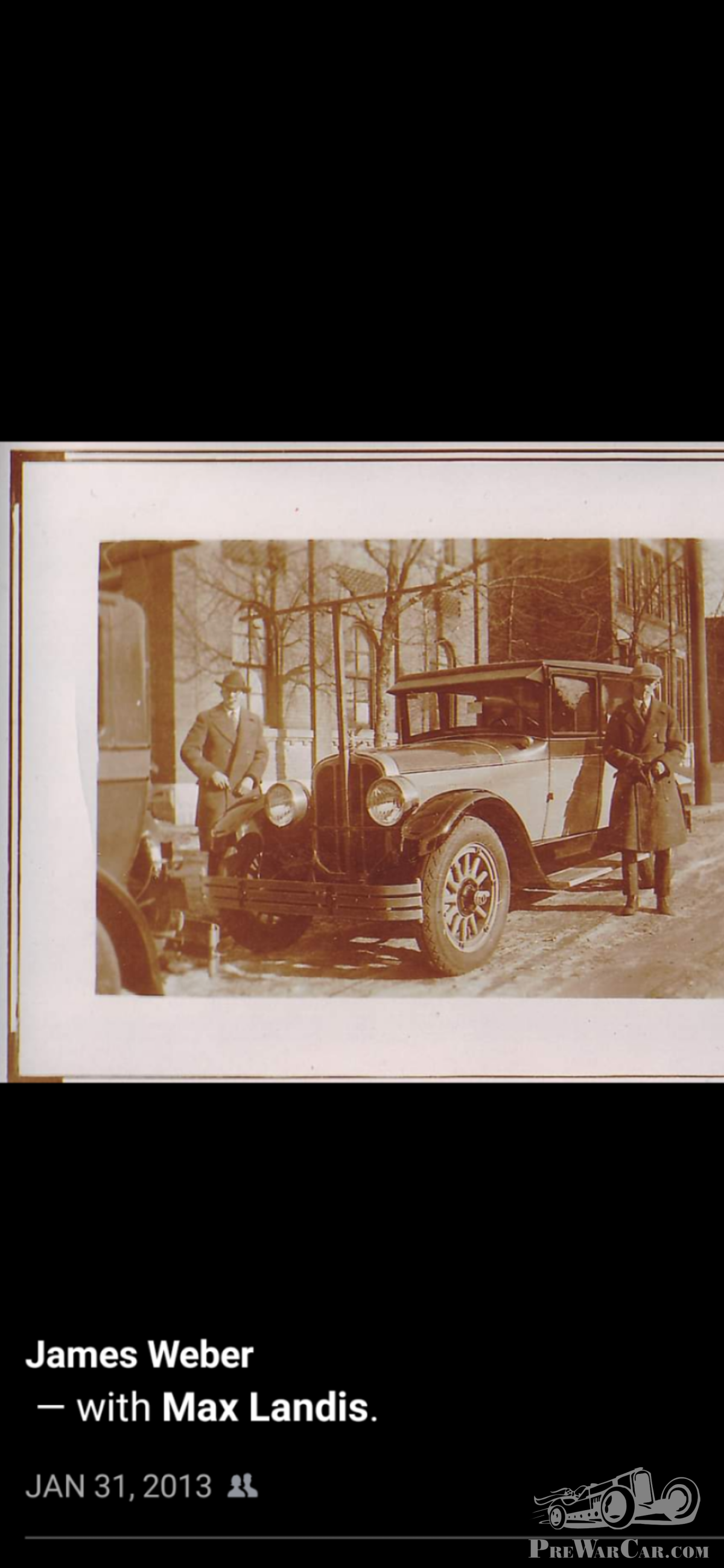
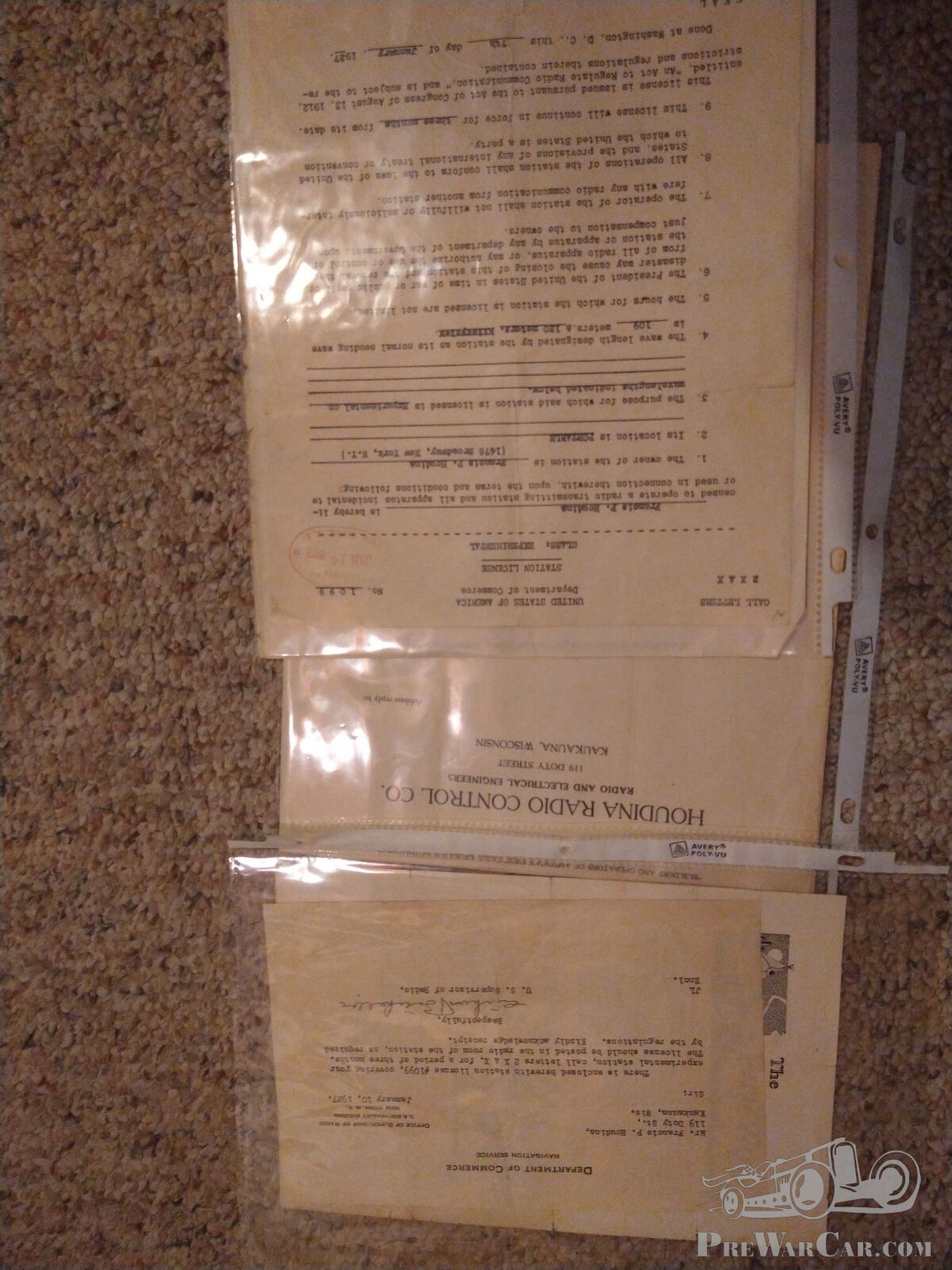
You see this is a 1925 Chandler! And you can see it has the dealer plate from Achen Motors! And neither one of these two young men were in the army! By the way, Francis P. Houdina was a fictitious name; his real last name was Weber. That's right, so if you read the story about Harry Houdini and Francis P. Houdina, you probably know Houdini's best friend was Lawrence Weber! Bet you all would like to know what really went on! And yes, my real name isn't Gerrit either!
Lire la suite


Gerrit Houdina
15 Mars 2024, 03:52
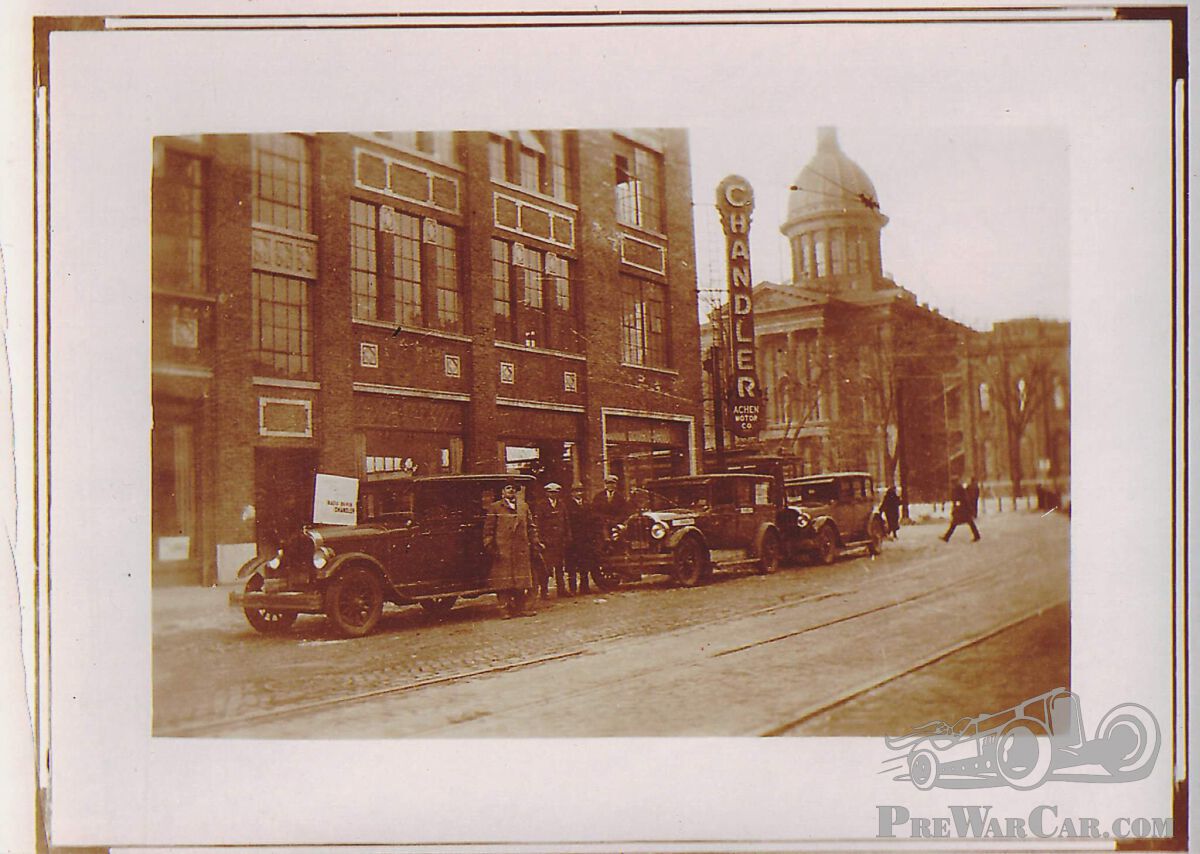
Not even close, the cars came from Achen Motors in Milwaukee, Wisconsin. In 1925 the dealer plate started with a star! Francis P. Houdina and George Young were from Kaukauna, Wisconsin.
Lire la suite
Steve Gallichan
01 Janvier 2024, 11:13
The original photograph was by Underwood & Underwood. A quick search of their archives online did not bring up any further details. Surely the original photograph must have been used in some sort of publication, either a newspaper, motoring or electrical journal?
Lire la suite
Daniel Reuben
29 Décembre 2023, 22:34
This can't be the same scenario. Not only as mentioned are the cars back to back but the antennas are wrong. Houdina used two transmitters and two receivers for his initial demonstration with the Chandler. An article in Radio News Nov. 1925, Vol. 7, page 592, shows his set-up close-up as well as a schematic. He used 102 and 117 meters (transmitting at 10 watts) which is about 2 Mhz. The "automated car" had a square loop antenna to receive. If one looks closely in the photo by Hergen Dueter the piloted car has a horizontally strung antenna overhead of the roof (similar to what ocean liners had at much larger scale overhead of the smokestacks in the day). In order to match impedance the transmitting antenna needs to have a length as a multiple of the wavelength. A vertical whip antenna as in the later photograph looks to be 5 feet or 1.5 meters tall. Even if a 1/8th wavelength antenna was used this would make it 12.75 meters or ~42 feet tall. Now he could have changed frequency but it would still be unusual to use a whip antenna to receive with. Additionally the article I reference shows the entire backseat was taken up with equipment. An open car was used probably for two reasons: 1) it must have become very hot back there and 2) it would be difficult to stand over the equipment and get a good view in order to troubleshoot. By the way the execution was a horrible one. The first channel would close a relay to ratchet (in one direction only) a 12 position switch to then select what action he wanted. So if he selected "turn right" it would be another 11 keyed pulses to select "turn left". There was no mechanism to receive feedback to know where the selector was. Of course no wonder he crashed.
Lire la suite
Gerrit Houdina
27 Février 2025, 03:56
Crash? Who was in the car it hit? One was Lawrence Weber, Houdini's best friend, who helped Houdini make films! Just as staged as the incident in the office of Francis P. Houdina!
Lire la suite
Gerrit Houdina
21 Mars 2024, 00:00
There were four cars, where are your documents!
Lire la suite
Tim Hewitt
29 Décembre 2023, 18:08
Why are the cars parked rear to rear, rather than in the same direction? If you were using a "chase" car to remotely control the other vehicle surely you would follow it forwards?
Minor point also, wouldn't you put the aerial on the highest point, perhaps the roof, rather than hiding 75% of it behind the body by placing it on the running board? I'm no scientist/radio engineer, but isn't that an obvious possible problem. Surely you would want to give yourself the best possible chance of communicating with the vehicle, especially on such a public demonstration?
Lire la suite
Minor point also, wouldn't you put the aerial on the highest point, perhaps the roof, rather than hiding 75% of it behind the body by placing it on the running board? I'm no scientist/radio engineer, but isn't that an obvious possible problem. Surely you would want to give yourself the best possible chance of communicating with the vehicle, especially on such a public demonstration?
Agosto
29 Décembre 2023, 11:31
Hello, Remember Department S in TV -- Who Plays the Dummy--
Lire la suite
Hergen Deuter
29 Décembre 2023, 02:03
Your photo clearly shows an Essex Super Six. The attached photo of Houdina's radio controlled Chandler was first published in Radio News in November 1925, so this car is neither a sedan nor can it be from 1926 as was obviously later noted on it.
Lire la suite
Rick Politi
28 Décembre 2023, 21:08
A most difficult photograph to "interpret".
NOT familiar with either Chandler (chandelier?), or Essex, I would opt for the Essex however?
Of course the right-angled arms bring foremost attention, that is, other than the balding forehead of the main character.
Along with the two-sided strict verticality of the louvers, I suggest a "deforestation" of a high plain area.
Rick Politi.
Lire la suite
NOT familiar with either Chandler (chandelier?), or Essex, I would opt for the Essex however?
Of course the right-angled arms bring foremost attention, that is, other than the balding forehead of the main character.
Along with the two-sided strict verticality of the louvers, I suggest a "deforestation" of a high plain area.
Rick Politi.
Michael Schlenger
28 Décembre 2023, 09:21
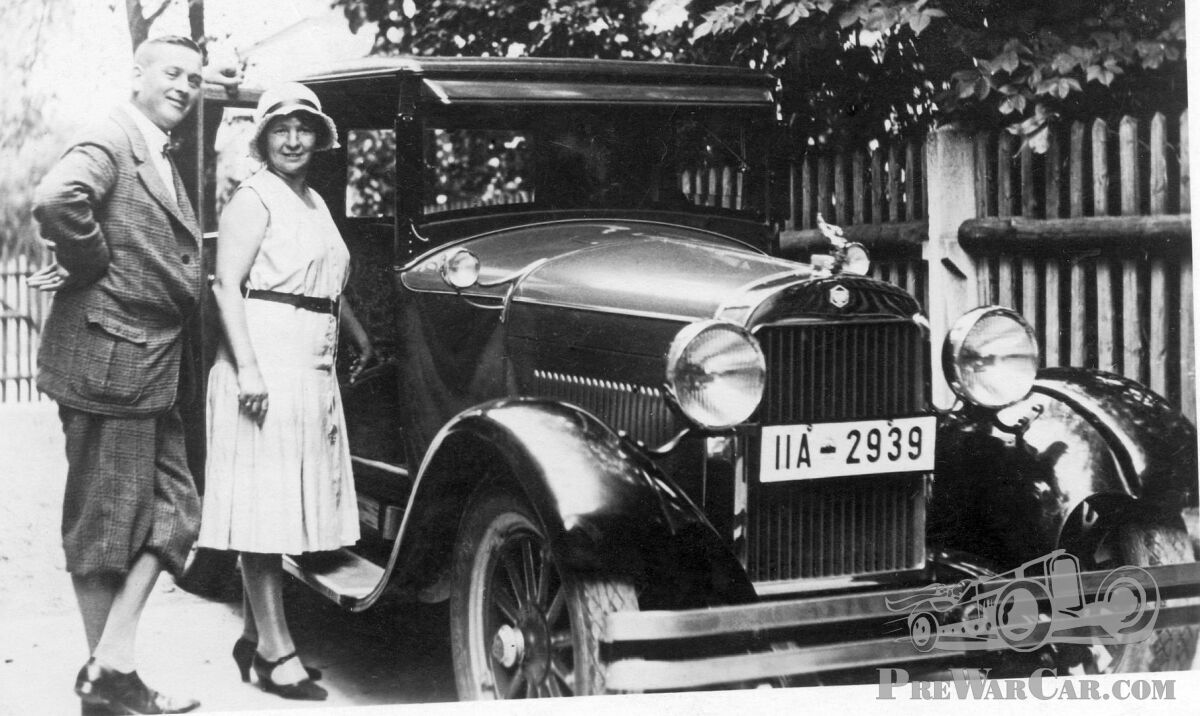
The depicted car appears to be a 1928 Essex "Super Six". For comparison see the attached photo (from my collection) showing one registered in Munich, Bavaria.
Lire la suite