Le magazine et marché mondial pour les passionnés de voitures classiques, par des passionnés.
Le magazine et marché mondial pour les passionnés de voitures classiques, par des passionnés.


Filter
Faites votre choix:
- Voir les voitures
-
Marque >>
-
Année >>
-
-
Catégorie >>
- Voir les motos
- Voir les pièces et plus
-
Marque de la voiture >>
-
Constructeur >>
-
Catégorie >>
- Vélos
-
Année >>
-
Pays



Hidden treasures covered in a thick layer of dust
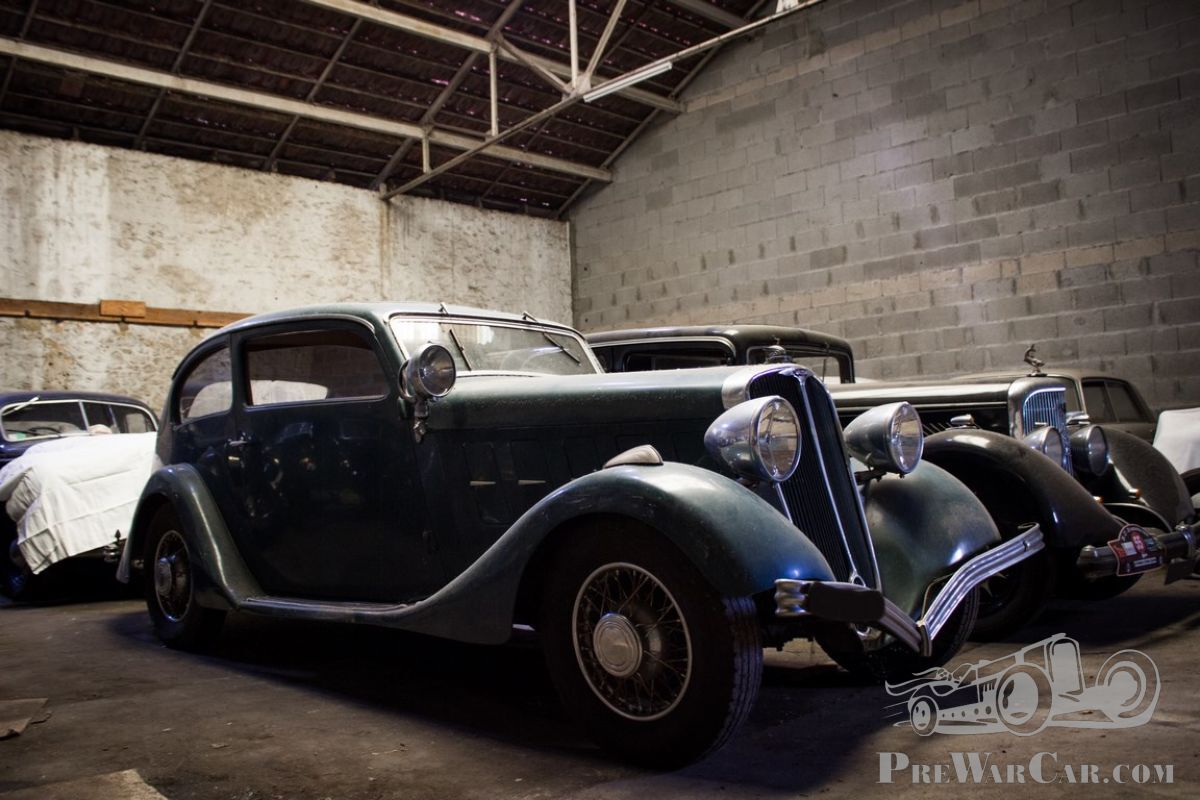
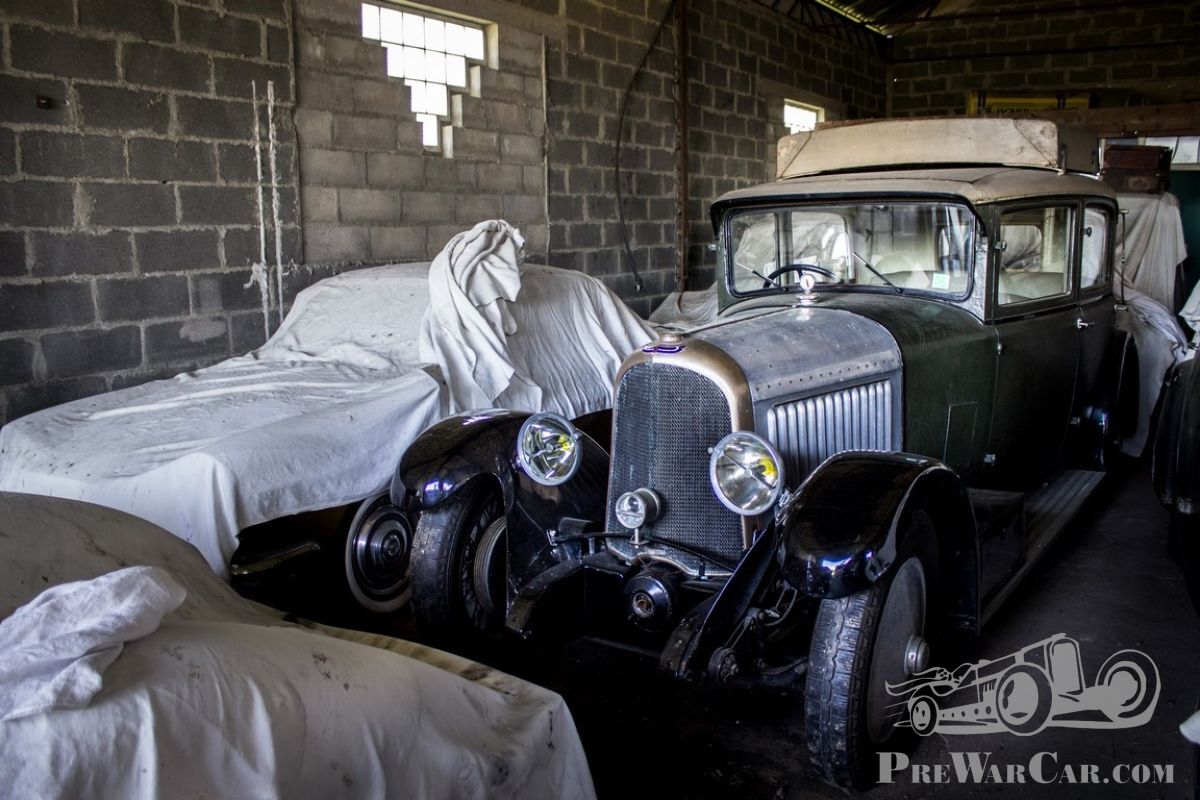
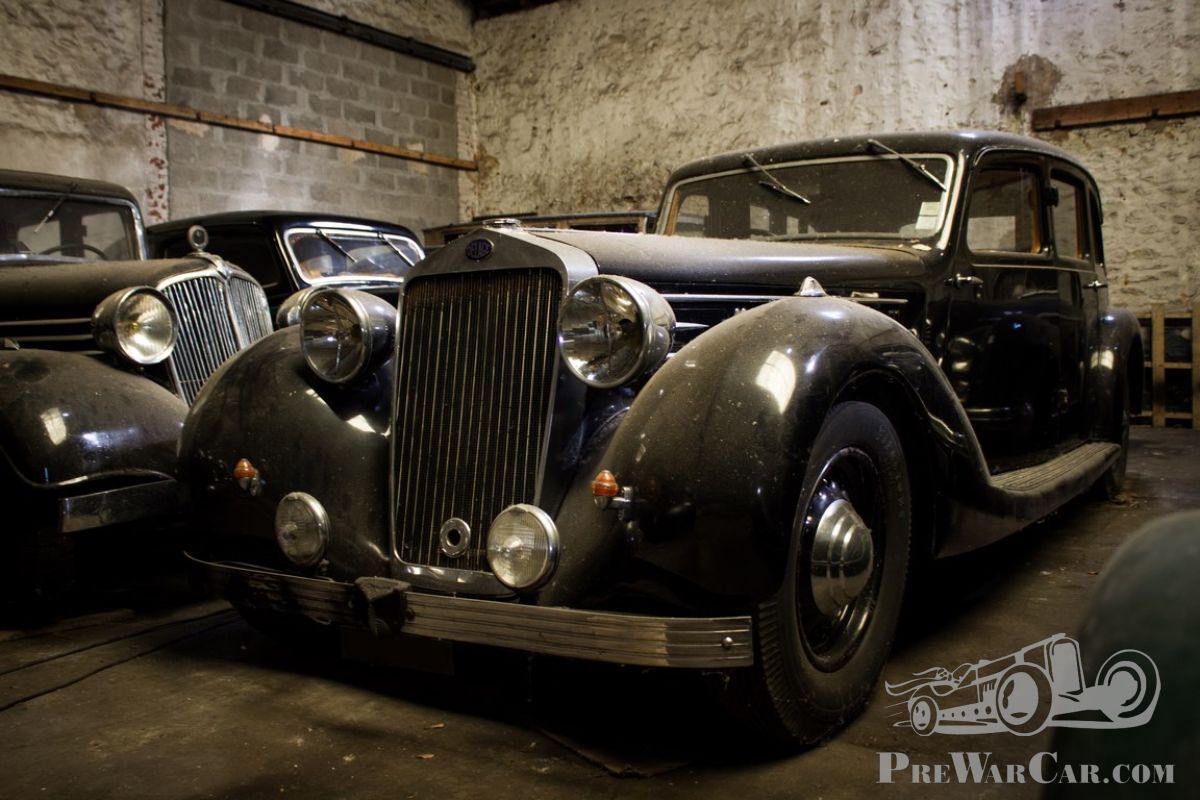
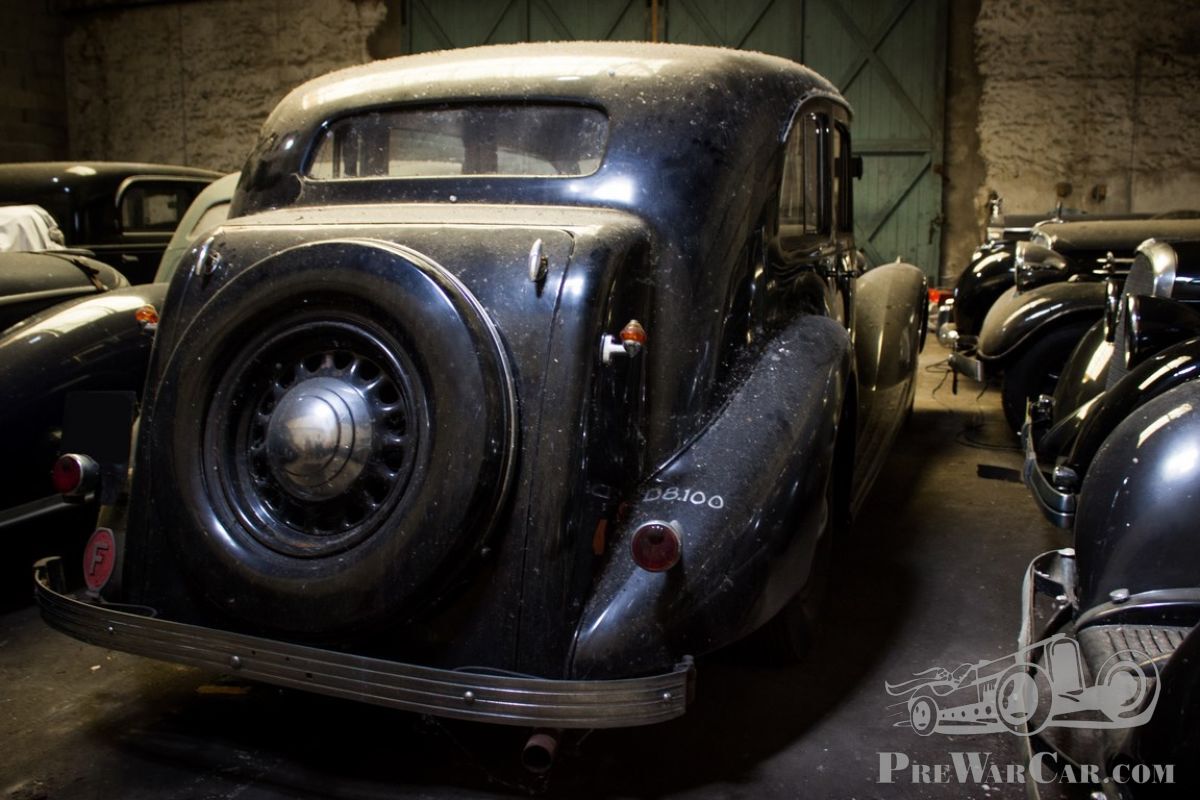
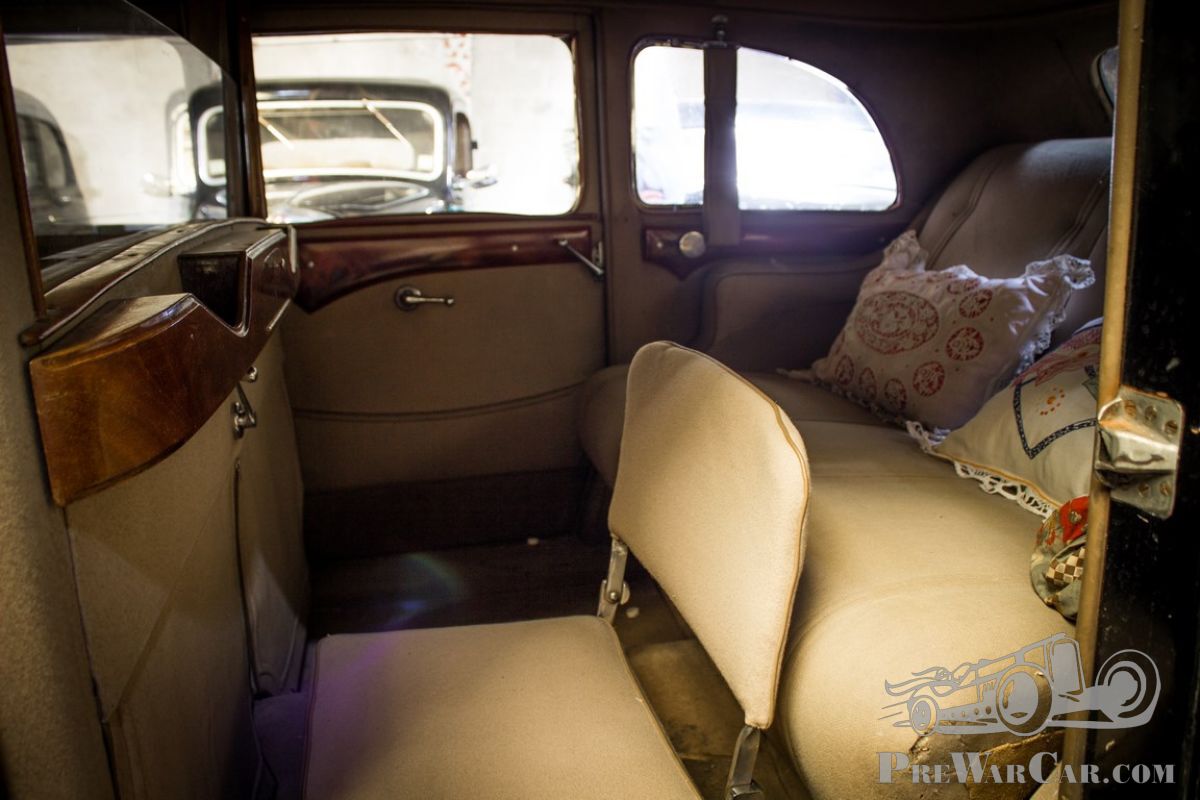
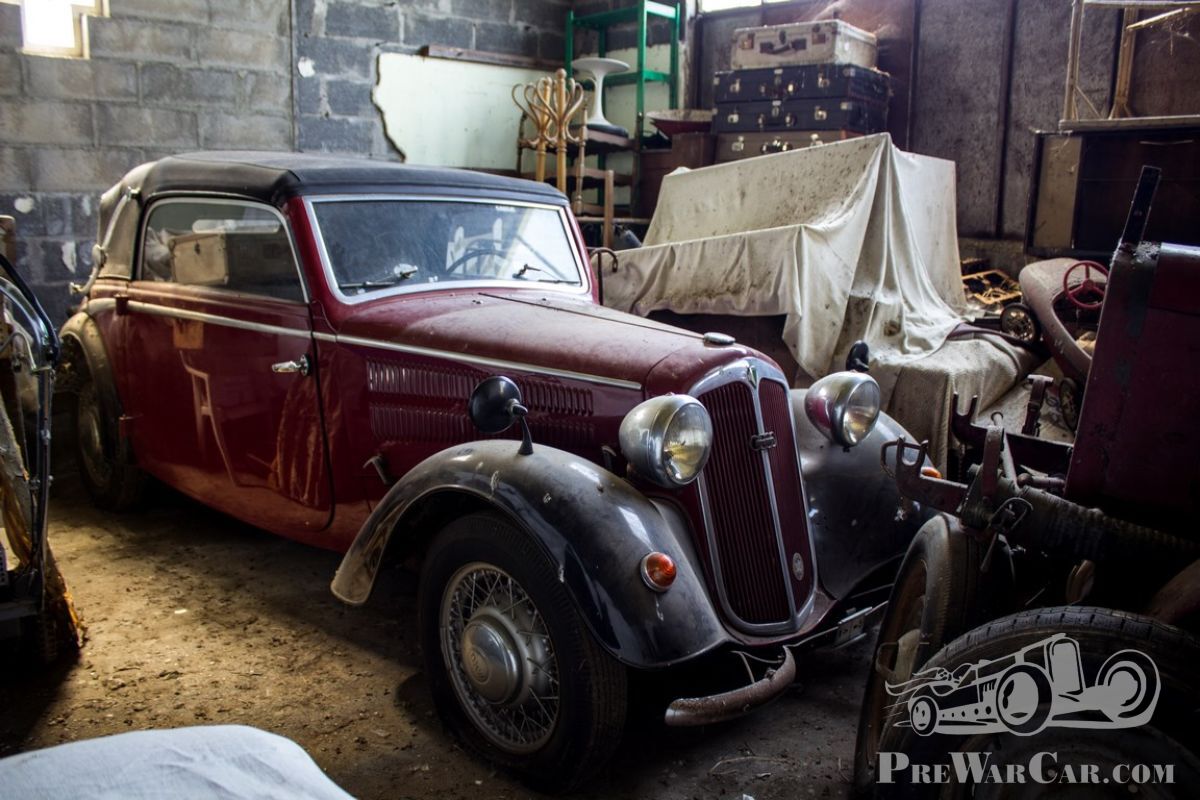
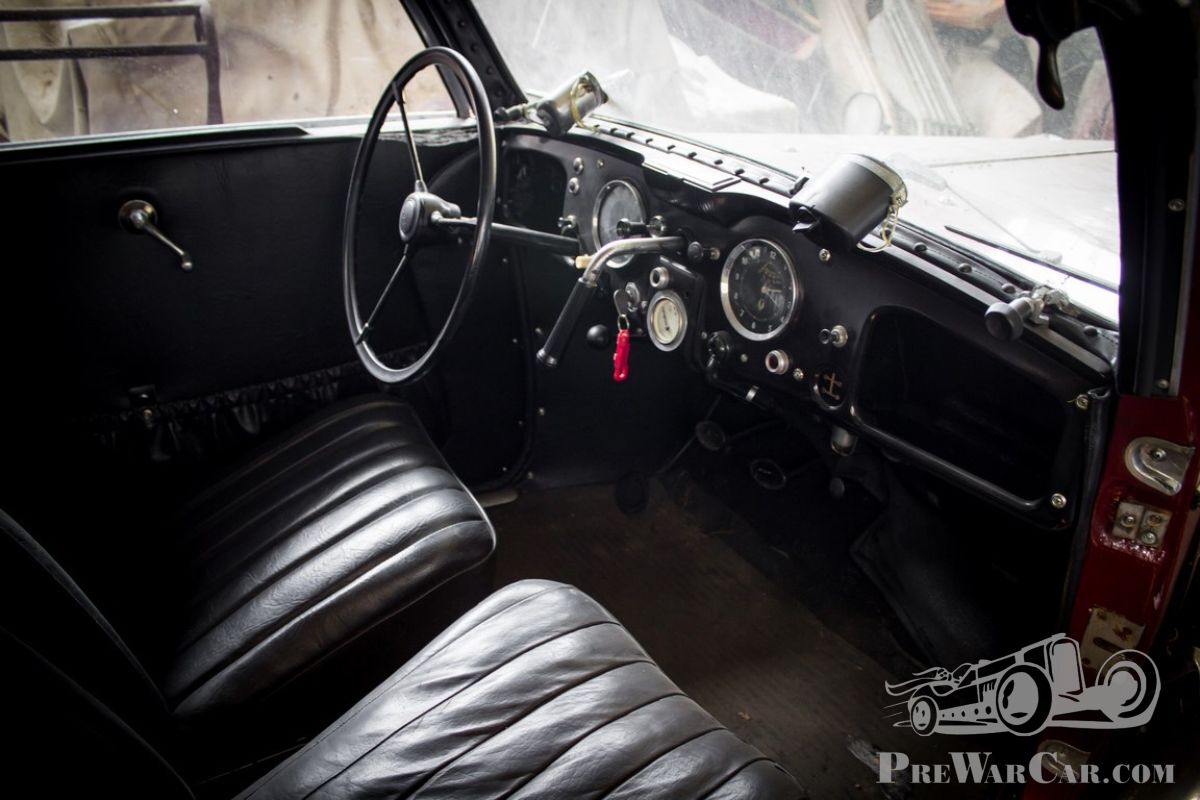
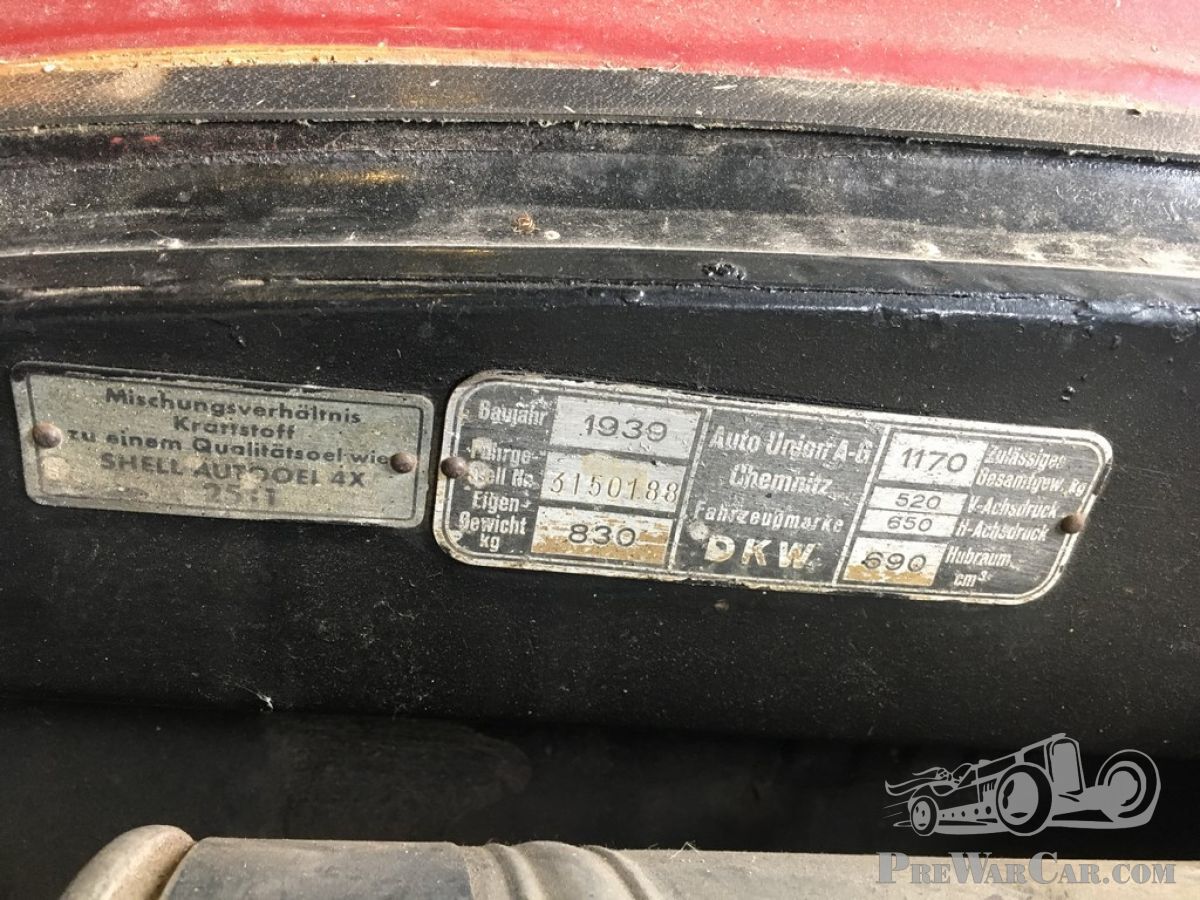


Who does not dream about finding a pre-war in an old barn? But what if you find a barn with dozens of cars! It is a subject we often talk about, as barn finds are booming. In the last couple of years, we have seen the prices go sky-high. Sometimes you wonder if it is really worth restoring a hidden treasure. With this, we mean doing more work to the car than making it drivable again, but bringing it to a concours state.
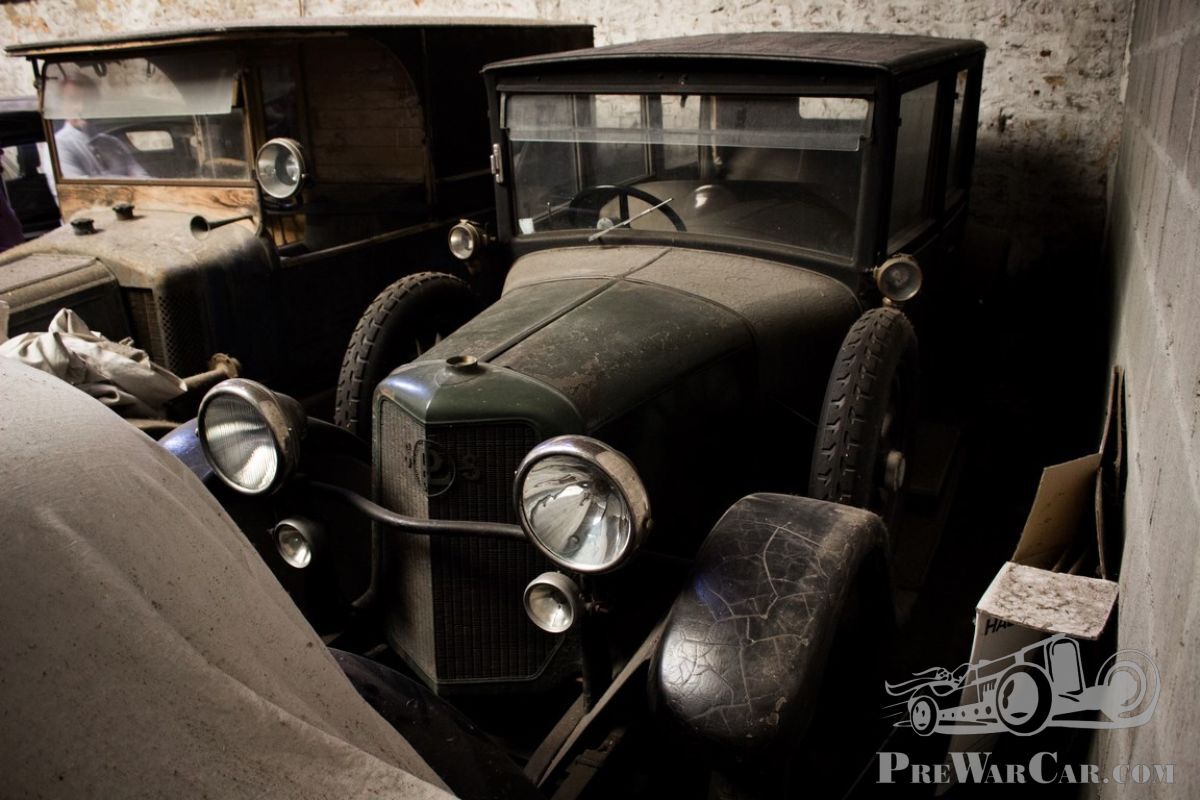
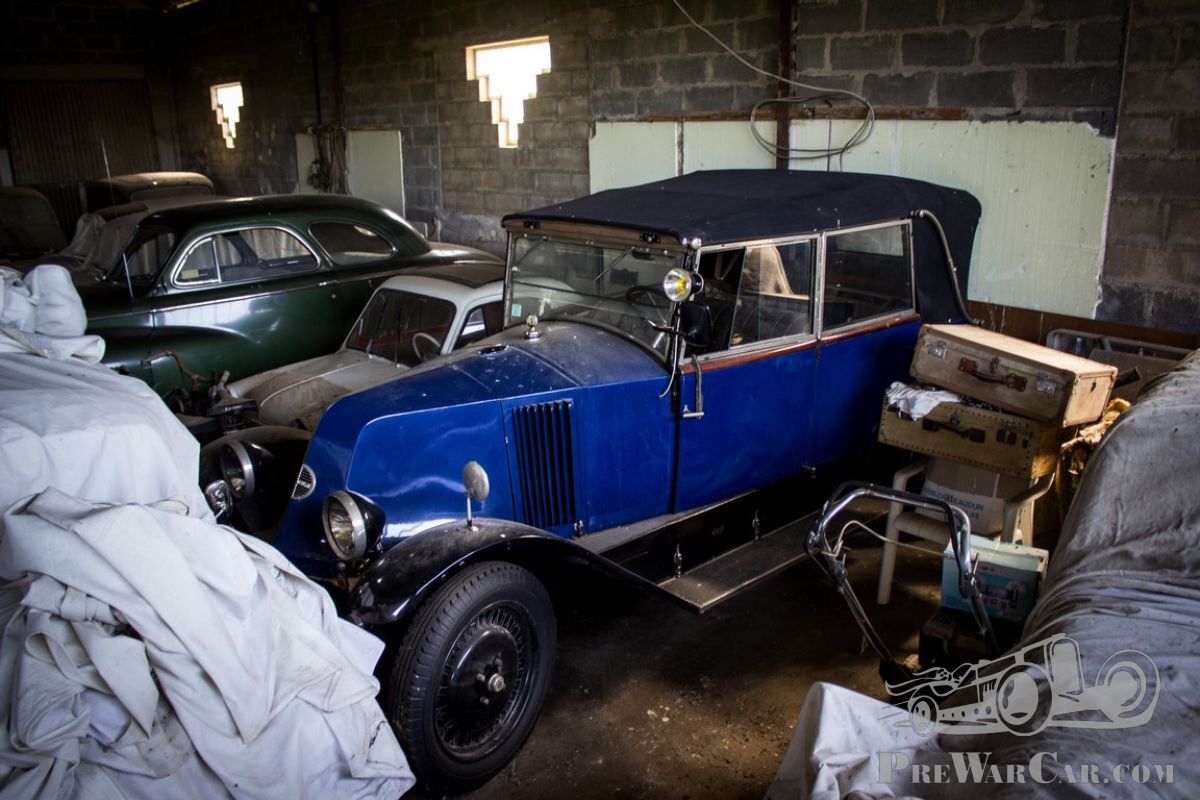
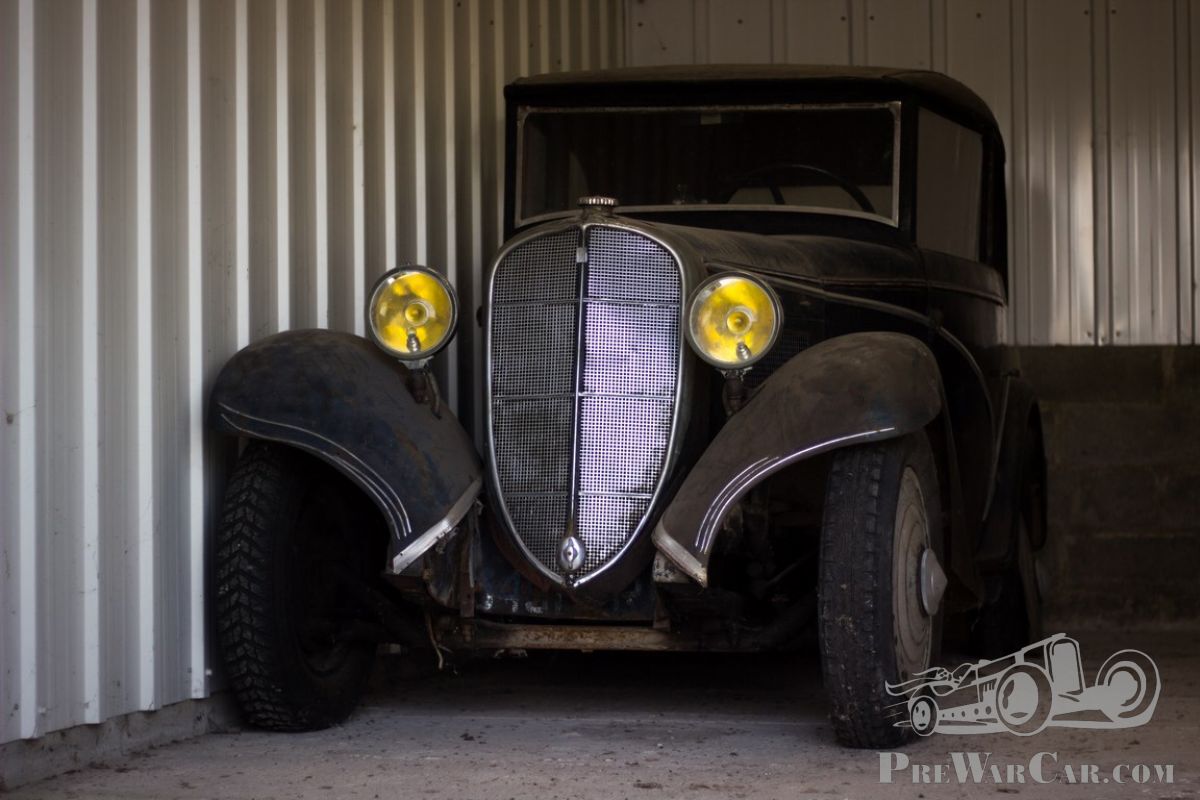
Osenat will auction a large collection of “sleeping beauties” on Saturday the 16th of June 2018. A wide variety of pre-wars, including a 1922 Panhard et Levassor X 45, a 1925 Renault KZ Torpédo Manessius, a 1927 Citroën B14 Busson, a 1928 Avions Voisin C11, a 1934 Salmson S4D, and many more cars will be auctioned.
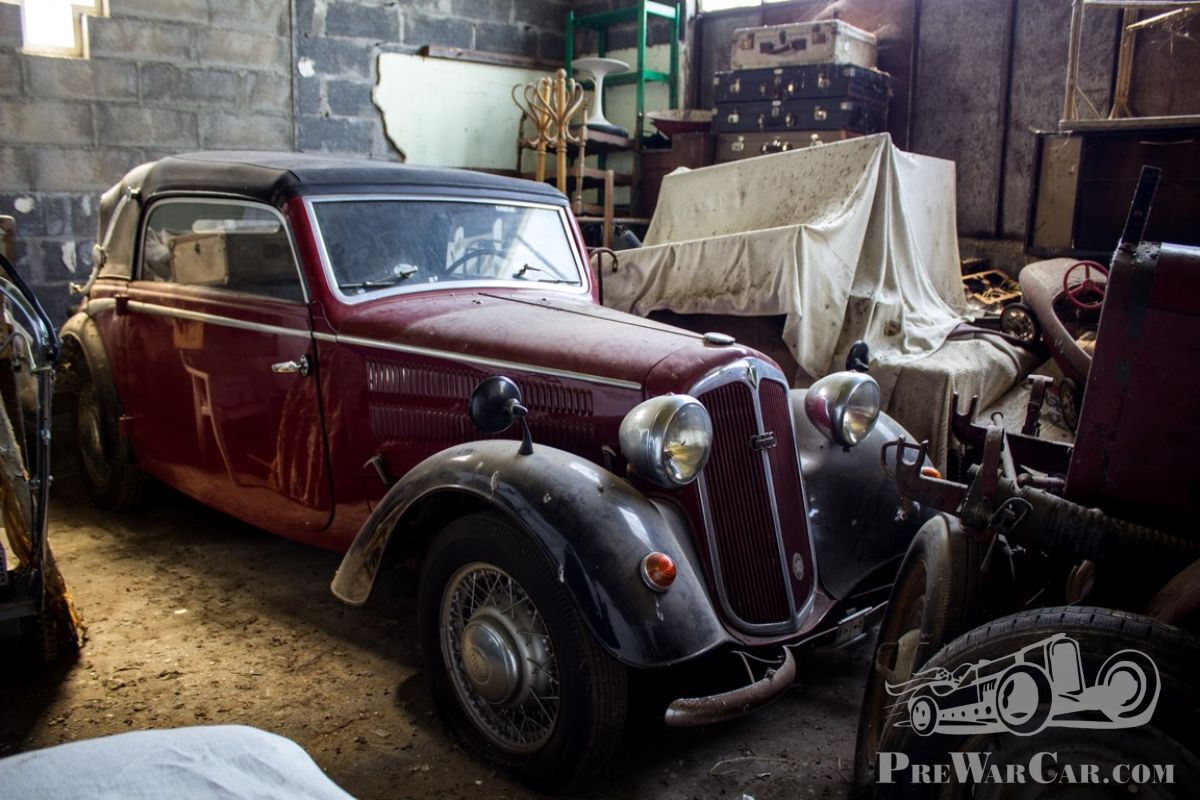
Two cars, in particular, caught our eye when going through the catalogue, a 1936 Delage D8 100 and a 1938 DKW Meisterklasse F7 Cabriolet. About these two we would like to tell you a little bit more.
The Delage D8 100 is estimated between €15 000 and €30 000. But what do you get for this money? The D8 limousine is the “luxury” model of the Delage brand. The car was released on the 7th of July 1936 and was one of the last great prestige cars before the war. She is the 2nd in a series of 5 in total.
The car has an 8 cylinder engine with a cylinder capacity of 4,302 cm3, which develops 105 hp. The Delage has a D8-100 type (long) chassis n° 50777. The bodywork is done by Autobineau and in a good condition. The car seats up to 7 people, the perfect car to take the whole family for a day out (even if it rains).
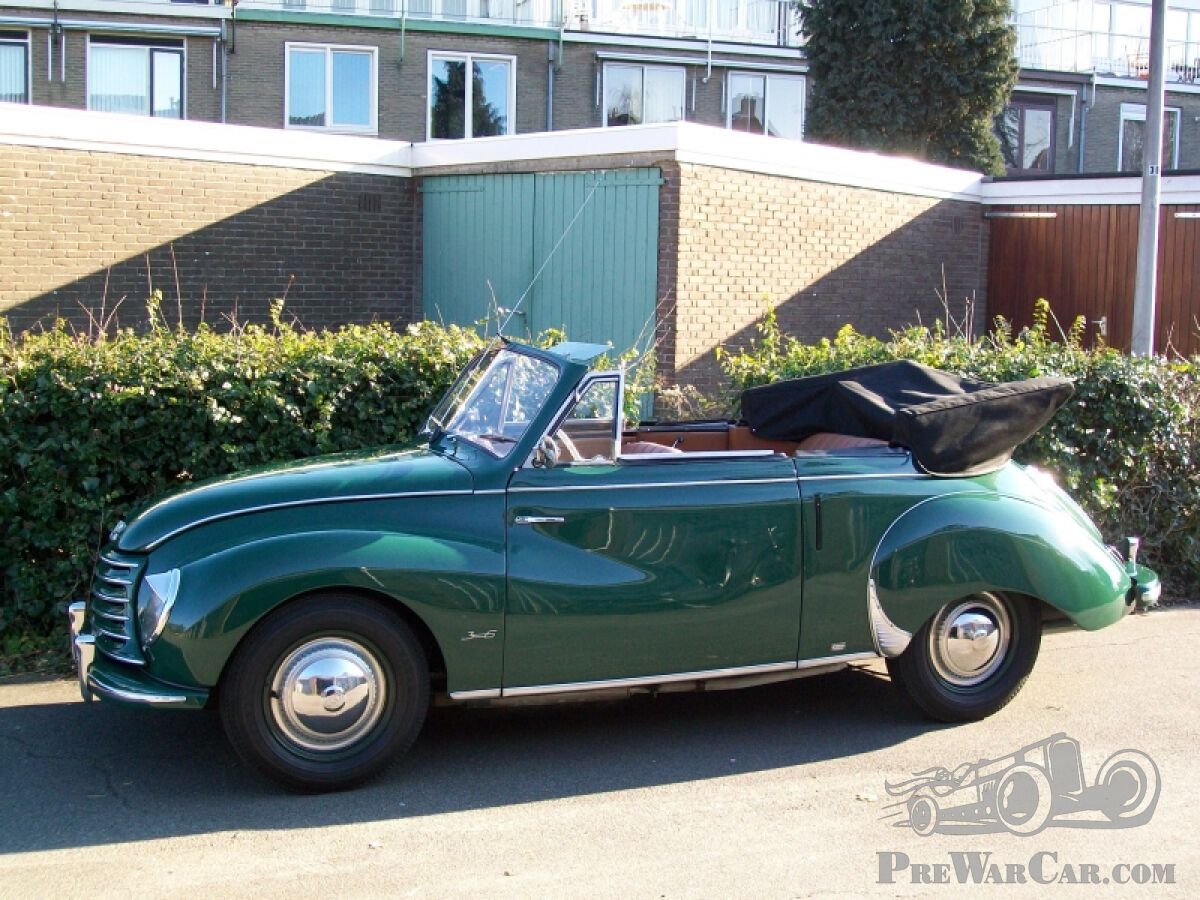
The German DKW Meisterklasse F7 Cabriolet is estimated between €7 000 and €12 000. A small but fine car. The F7 was very popular at the time as the car offered technical solutions that were by then still unpublished. They were offered in two versions: a Reichklasse and a Meisterklasse. The model auctioned belongs to the Meisterklasse. This particular model was the most desirable and most expensive version at the time. They started producing them on the 1st of October 1939.
The DKW has a twin-cylinder engine and two times 584 cm3 or 692 cm3. Developing 18 of 20 hp to the front wheels which you can operate with the three-speed mechanical gearbox. This rare and elegant Meisterklasse convertible with chassis n° 3150188 has two doors and seat 4 people. The two-tone painting in burgundy and black is in beautiful condition, as well as the black interior. The car has a French registration card and is ready to be enjoyed. This is a great opportunity to acquire a small and uncommon pre-war cabriolet.
Now you can decide for yourself which car should be done up to be drivable again or should shine at one of the prestigious concours events this summer. As long as you can promise us you will enjoy and use the car(s)! The auction will take place at Fontainebleau 5, rue Royale 77300 Fontainebleau and will start at 14:30.
Photographs courtesy Osenat.
Publié:
dimanche juin 10th, 2018
Facebook
LinkedIn
Twitter
WhatsApp
Email
Copy
Commentaires
Michael Schlenger
11 Juin 2018, 01:31
Sorry, but this is ridiculous. According to the photos (and the chassis no.) the DKW was definitively built in 1939 (not 1938) and is equipped with the 700 cc engine producing 20 h.p. like every DKW F8 "Front Luxus Cabriolet" (which is the correct name of this body, not the ordinary "Meisterklasse" ). Why do you continue to reproduce evidently wrong details? It's ok, if the guys from Osenat don't get it right, but it's not ok, if the Prewar.com team doesn't get it right...
Lire la suite
Joop Terpstra
10 Juin 2018, 21:33
Yes, poor performance from the 2 cylinder 2stroke was always a problem for the DKW F5, F7 and F8 with around 20 HP and speeds up to 70 or 80 kmh. After WW2 Auto Union did much better and used a 40 HP 3 cylinder engine in a rather pretty shape. Like my car that was handbuilt in 1954 at Karmann in Osnabrück with much better performance. Speeds up to 130 kmh are no problem and can be sustained for hours... you can drive these cars even on the Autobahn, imagine that! We DKW owners call that progress :-)
Lire la suite
Michael Schlenger
10 Juin 2018, 01:22
The car that Osenat claims to be a DKW F7 "Meisterklasse" is definitively a DKW F8 "Front Luxus Cabriolet". The two rows of louvres in the engine hood and the vertical bars in the radiator mask are characteristic features of the improved type F8 which was built starting from August 1938. If the stated chassis-no. is correct, this car was built in August 1939 immediately before the beginning the start of WW2 (see "DKW Automobile", by Thomas Erdmann, 2012, pages 212-215). Osenat ist right, however, stating that the version on offer was the most desirable one, since the "Front Luxus Cabriolet" combined exquisit styling (similar to Horch cars) and a solid steel body with the rather unimpressive performance of the 2-stroke, 2-cylinder engine of the standard DKW F8.
Lire la suite