Le magazine et marché mondial pour les passionnés de voitures classiques, par des passionnés.
Le magazine et marché mondial pour les passionnés de voitures classiques, par des passionnés.


Filter
Faites votre choix:
- Voir les voitures
-
Marque >>
-
Année >>
-
-
Catégorie >>
- Voir les motos
- Voir les pièces et plus
-
Marque de la voiture >>
-
Constructeur >>
-
Catégorie >>
- Vélos
-
Année >>
-
Pays


Into the true blue
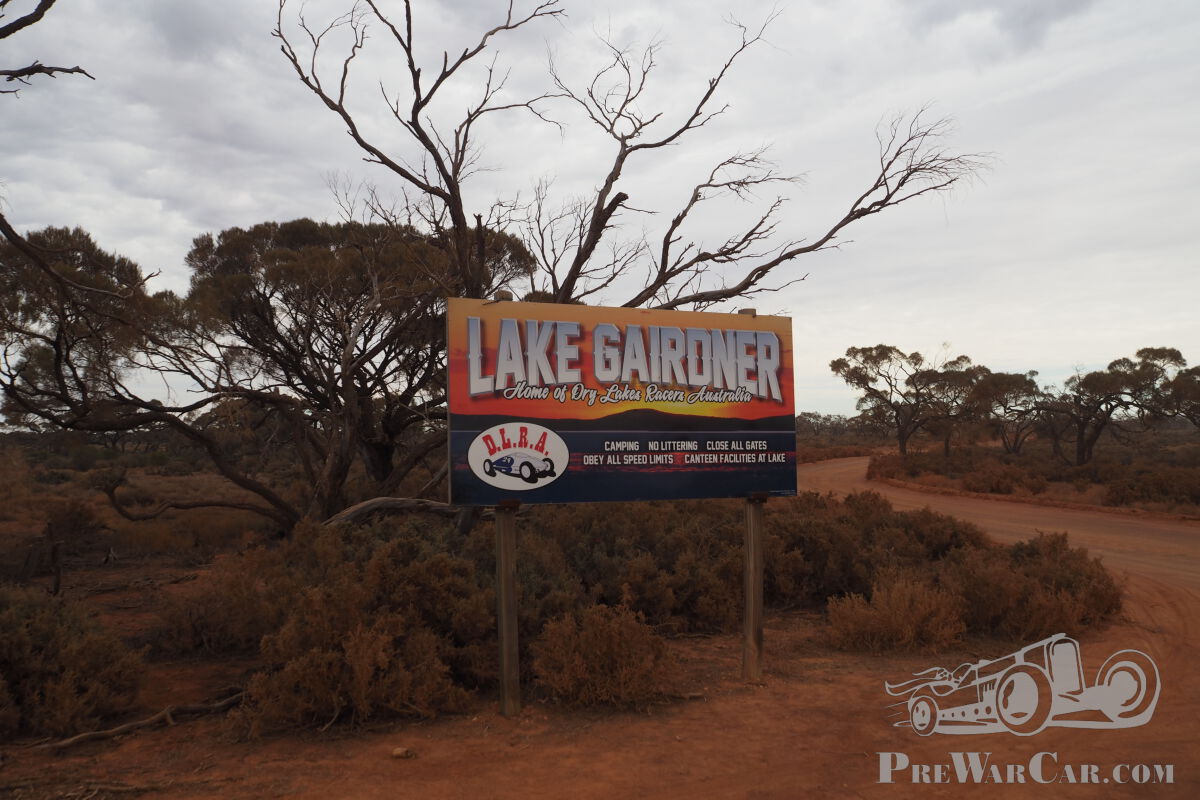
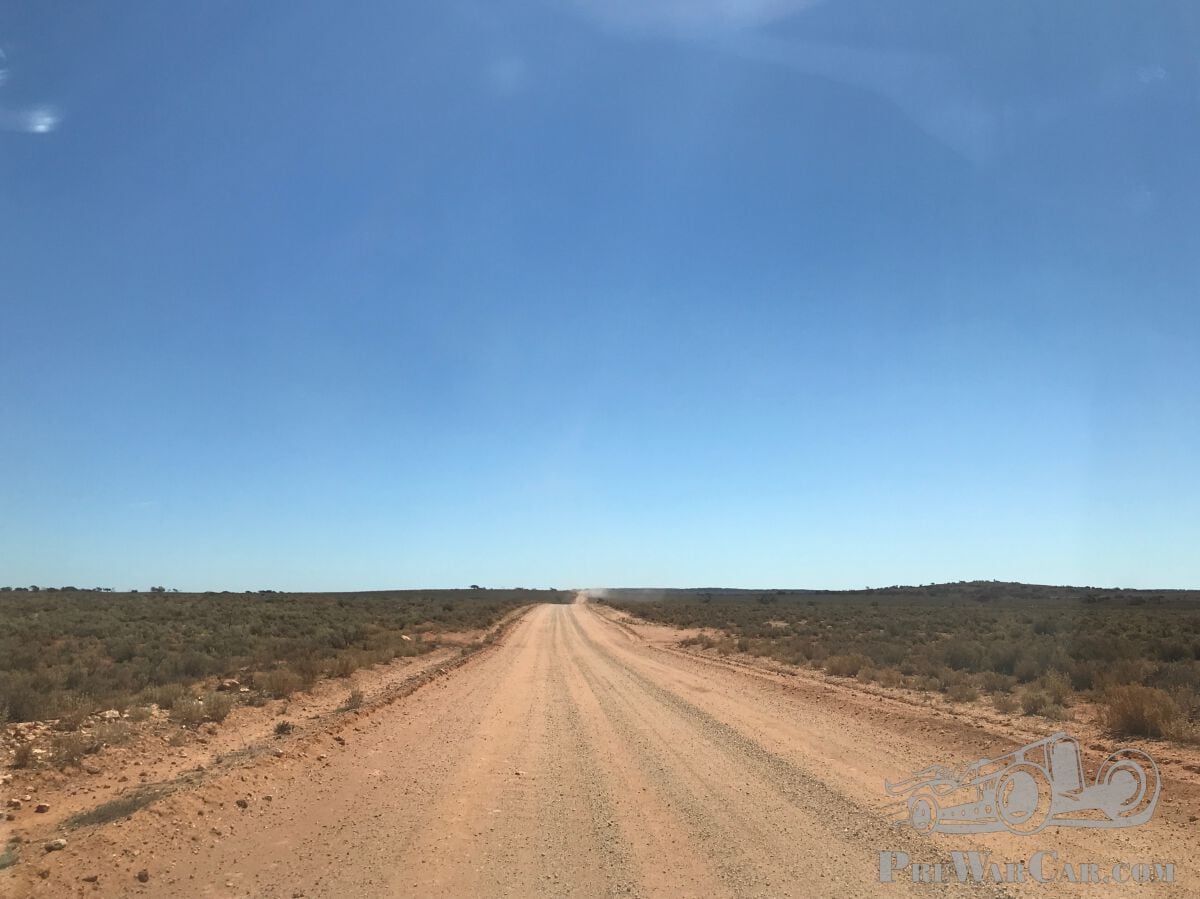

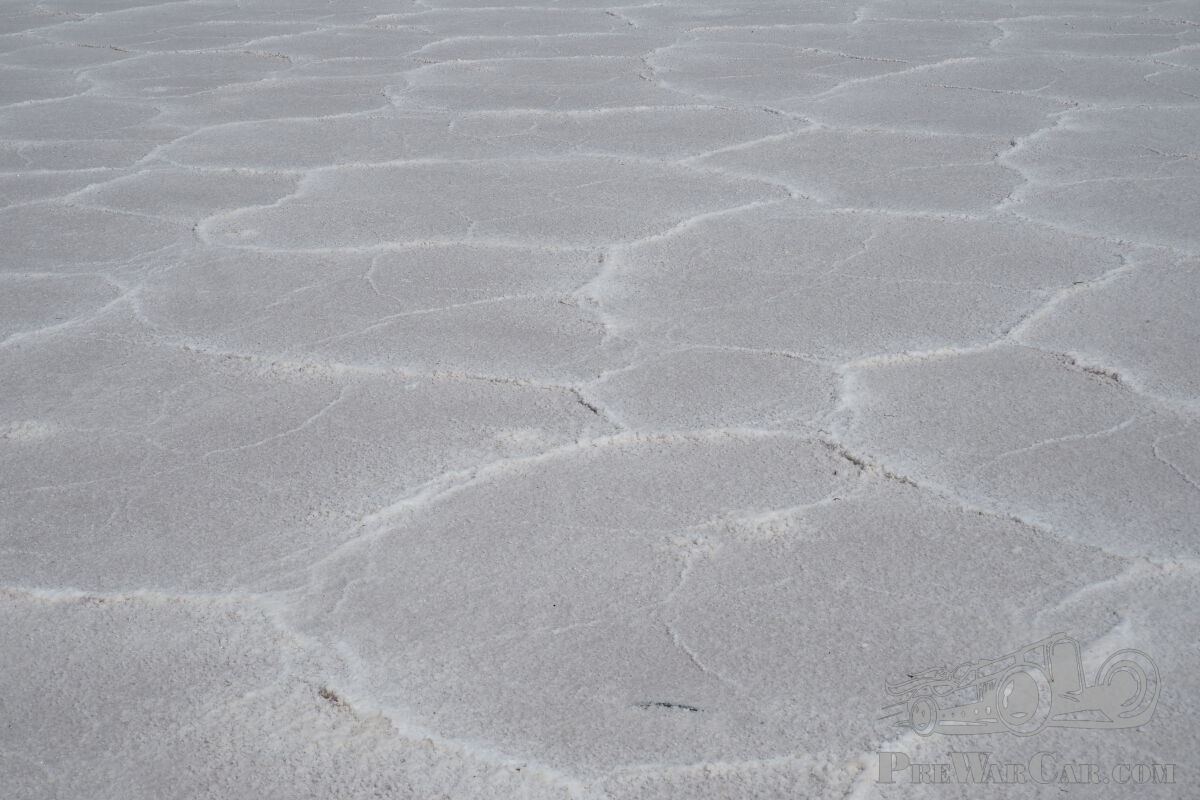
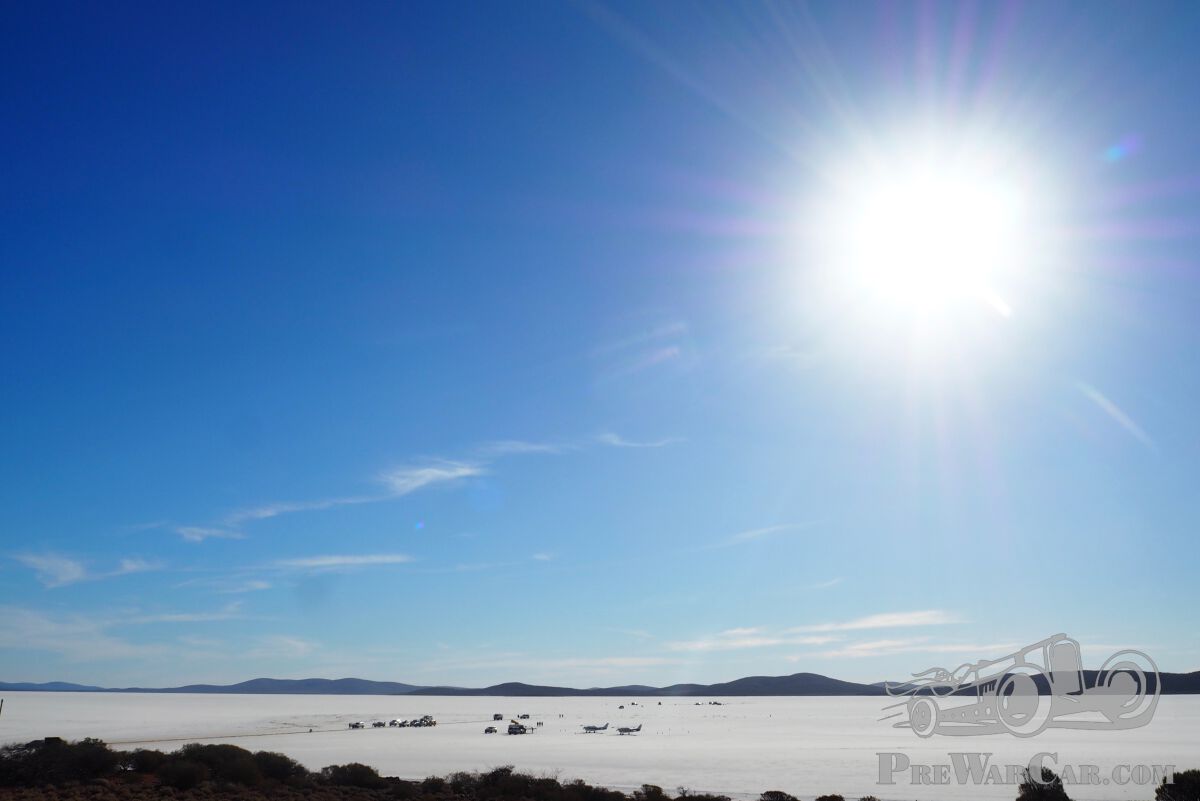
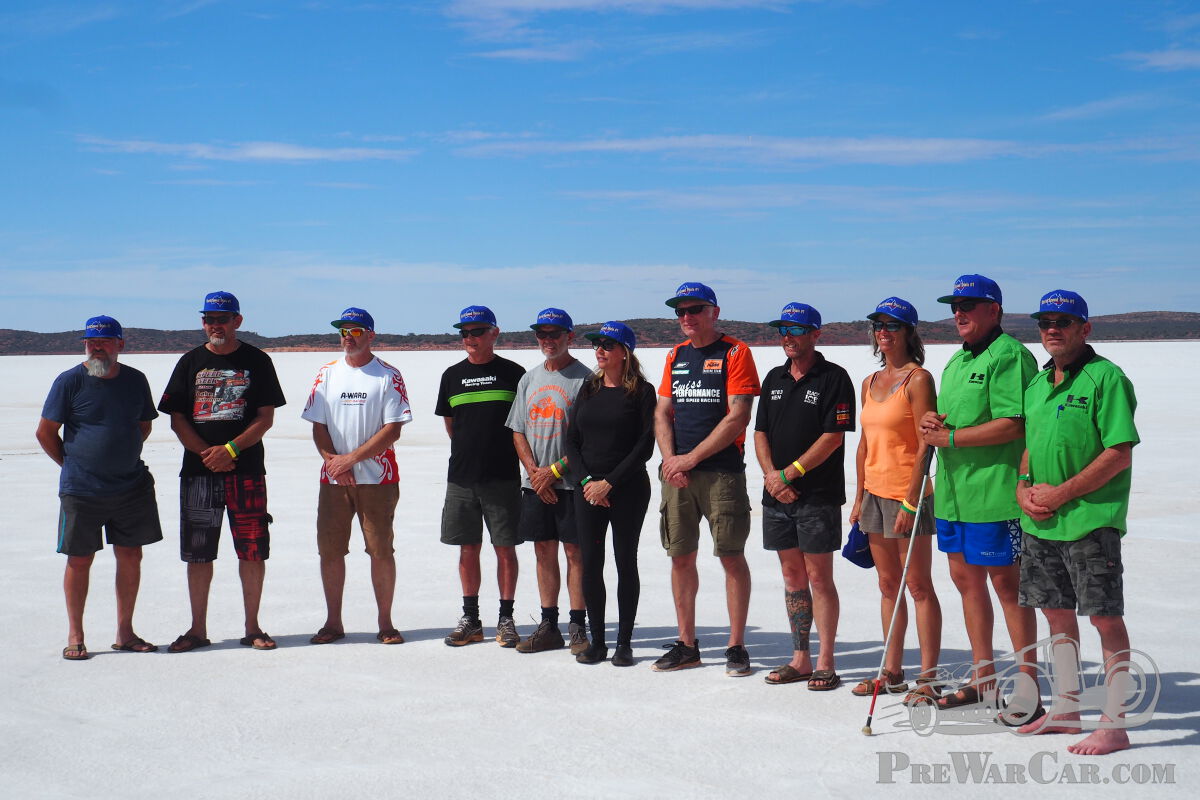
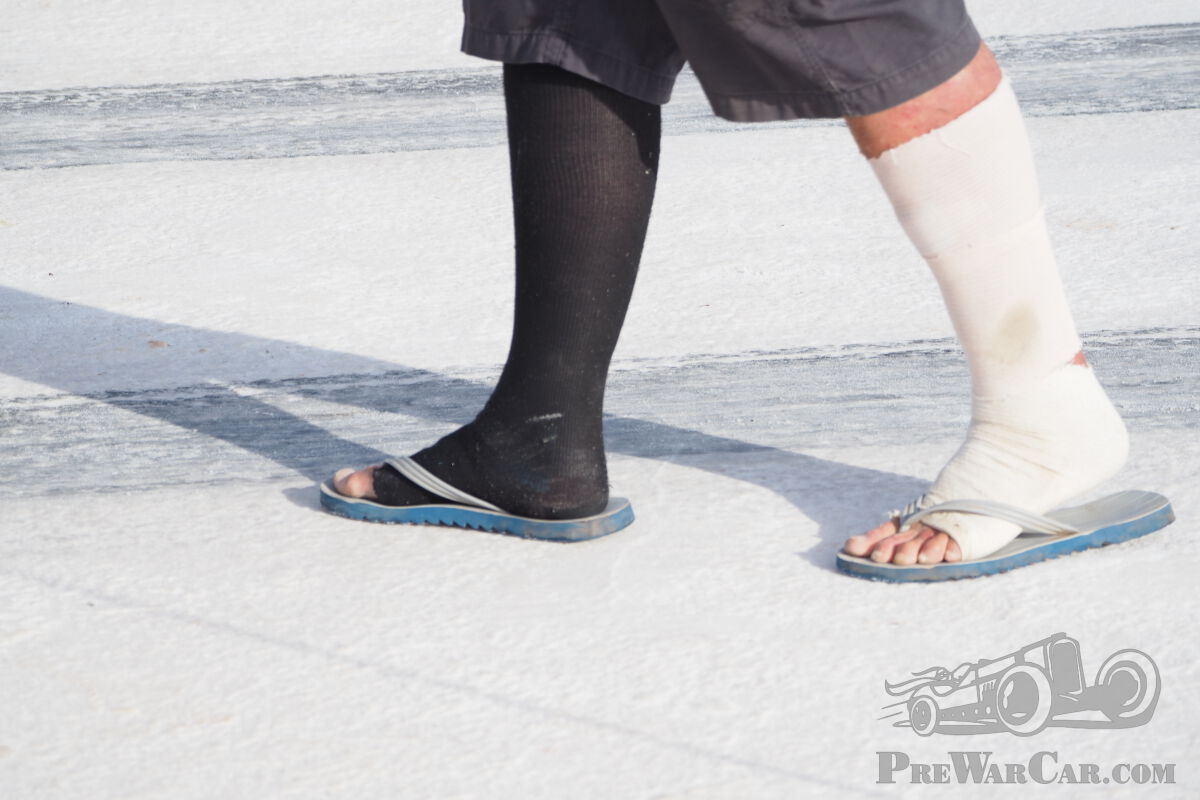
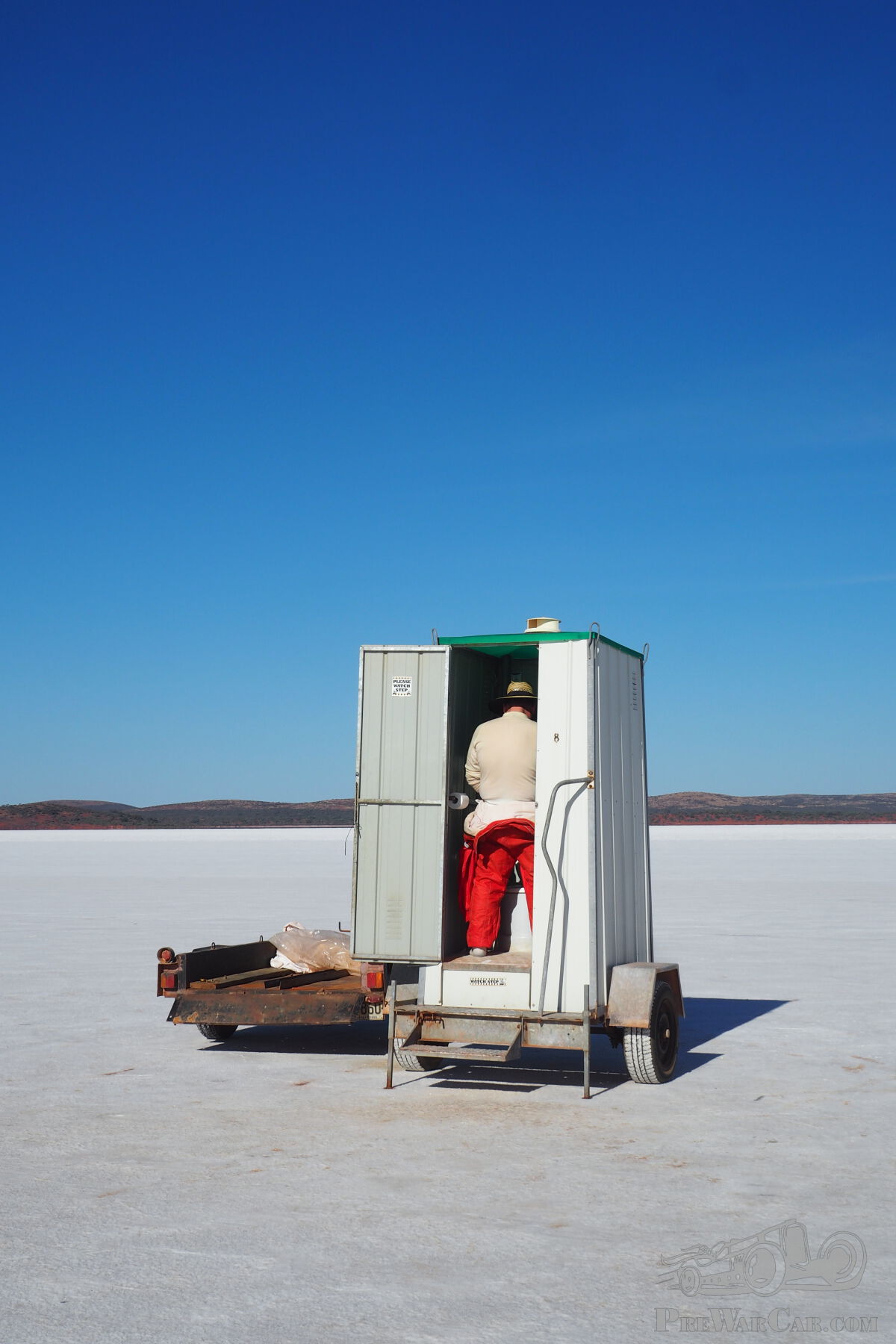
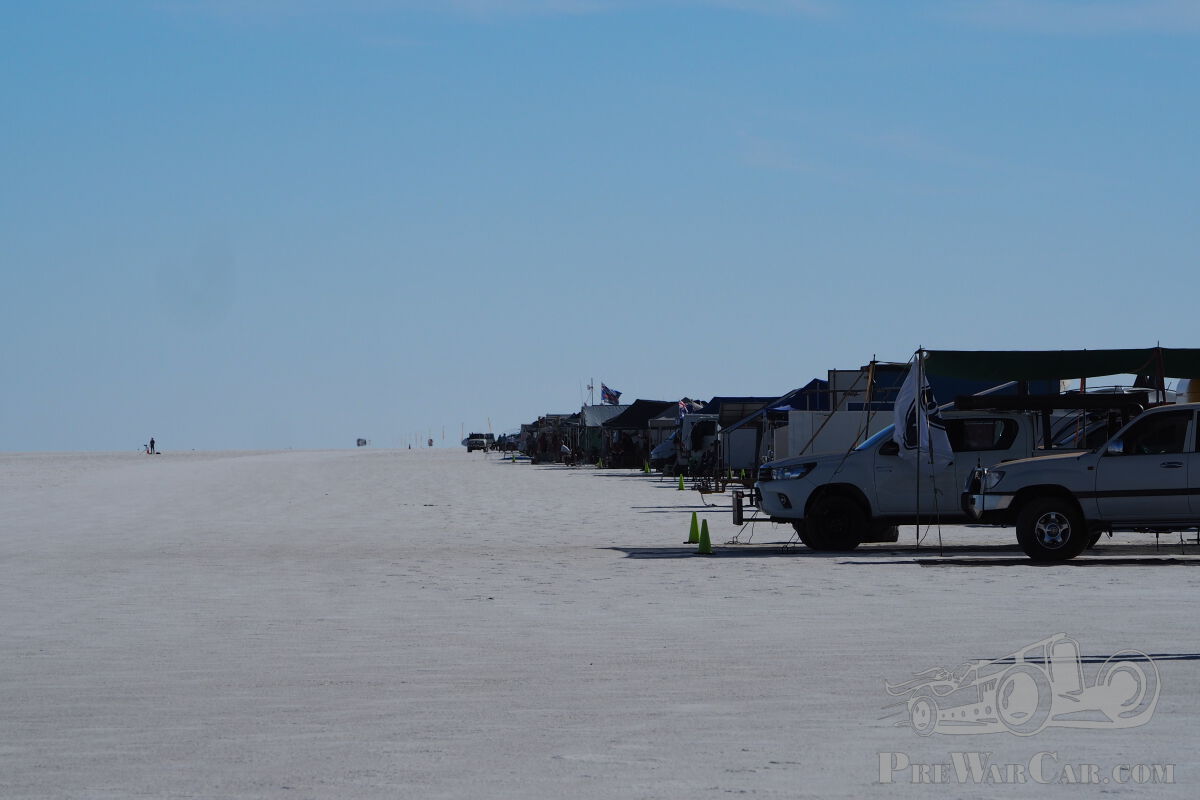
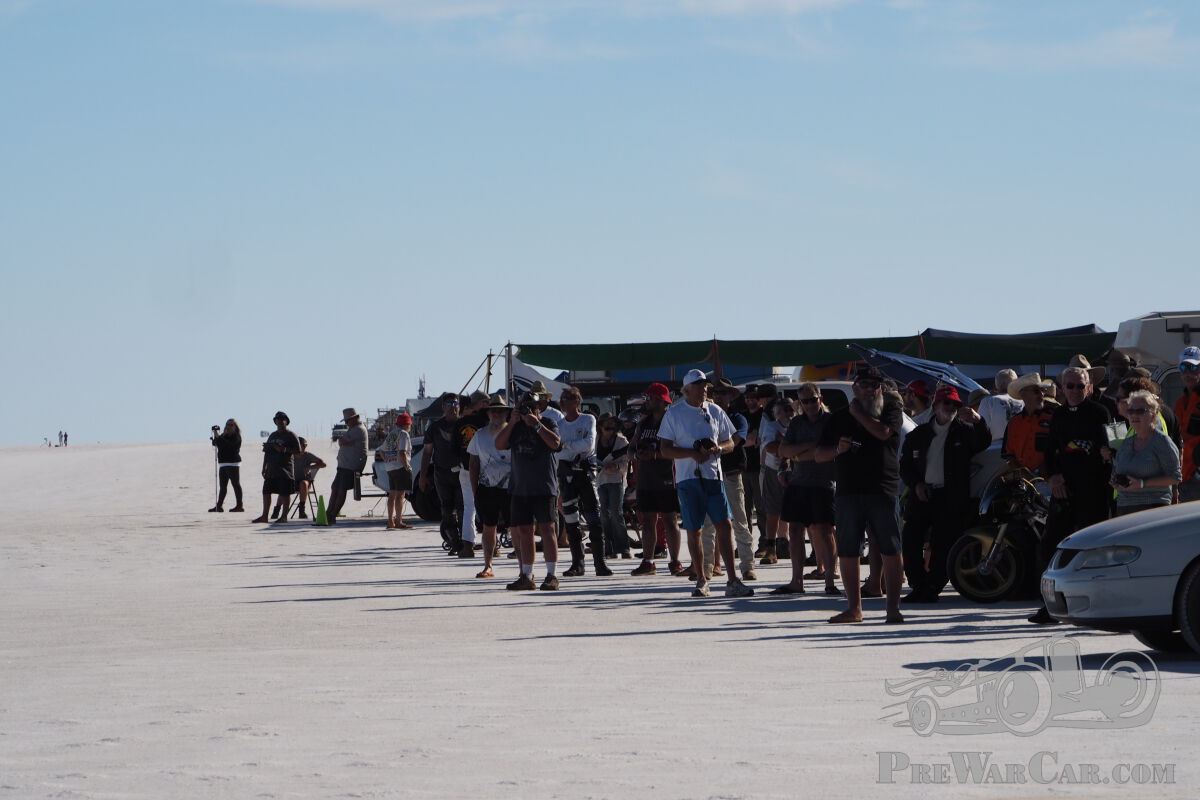
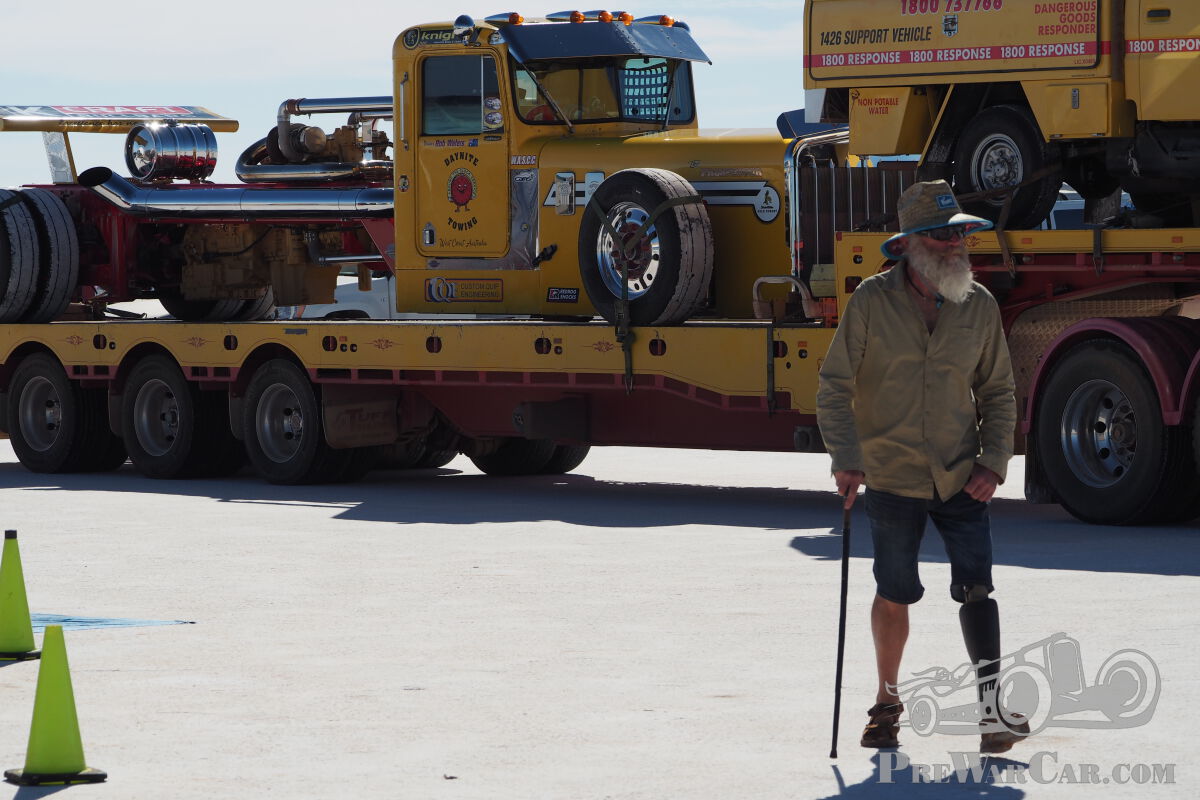
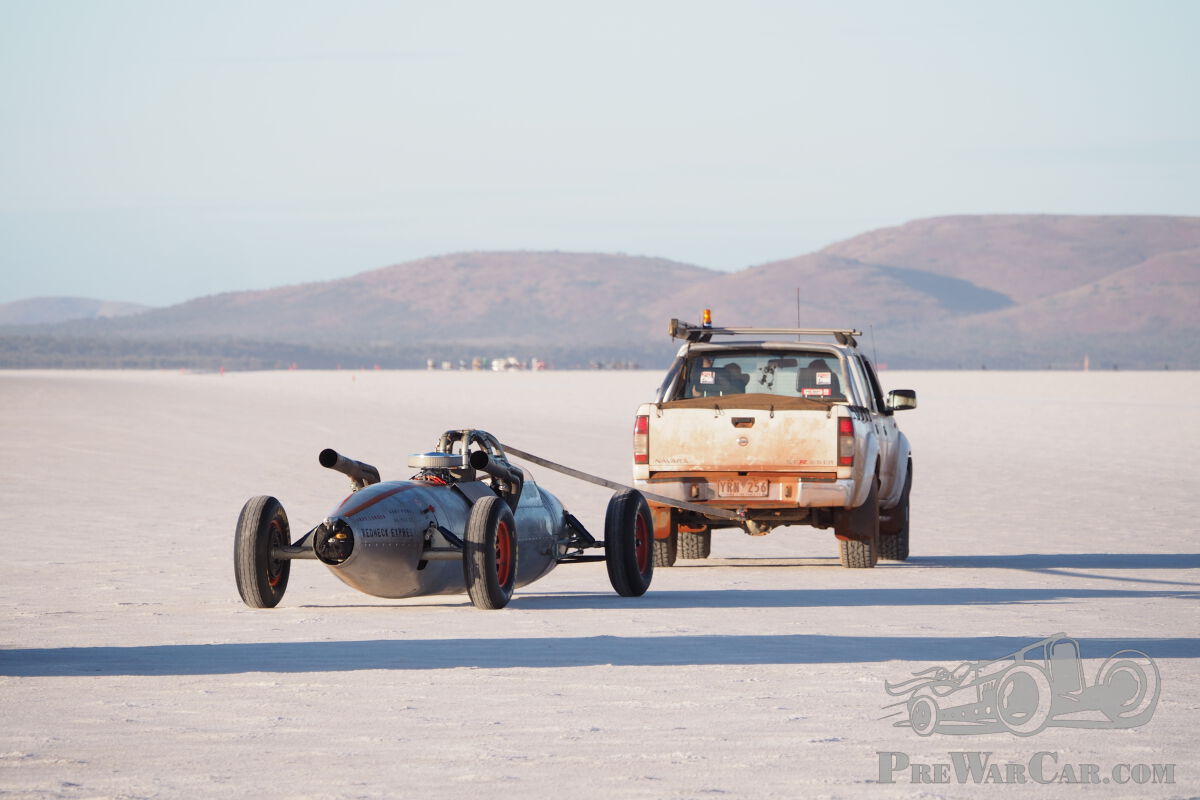
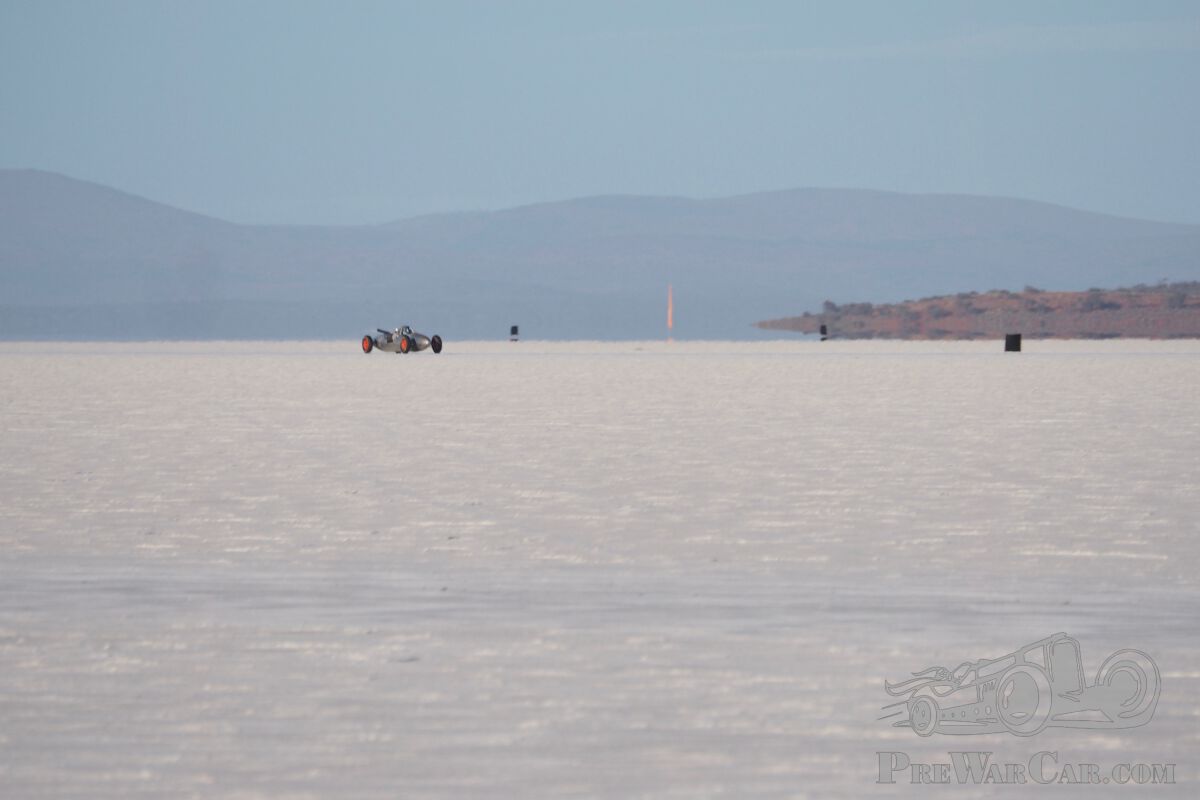
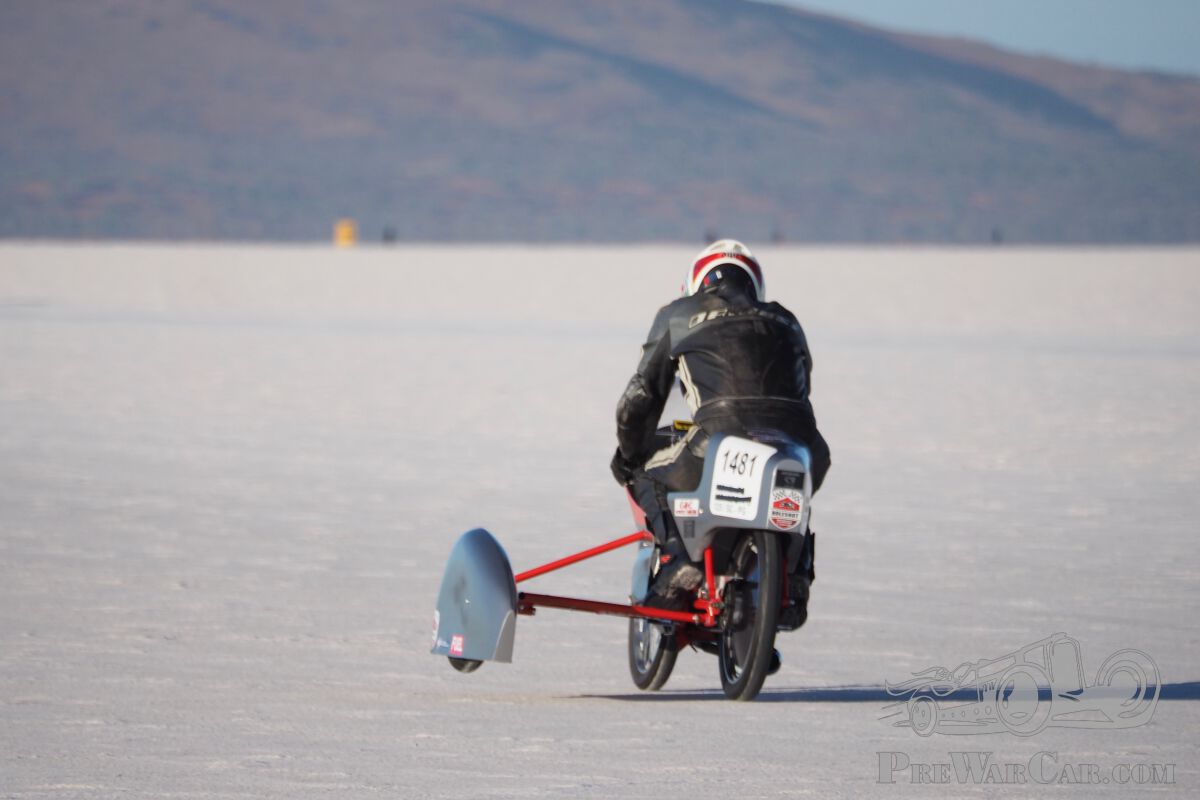
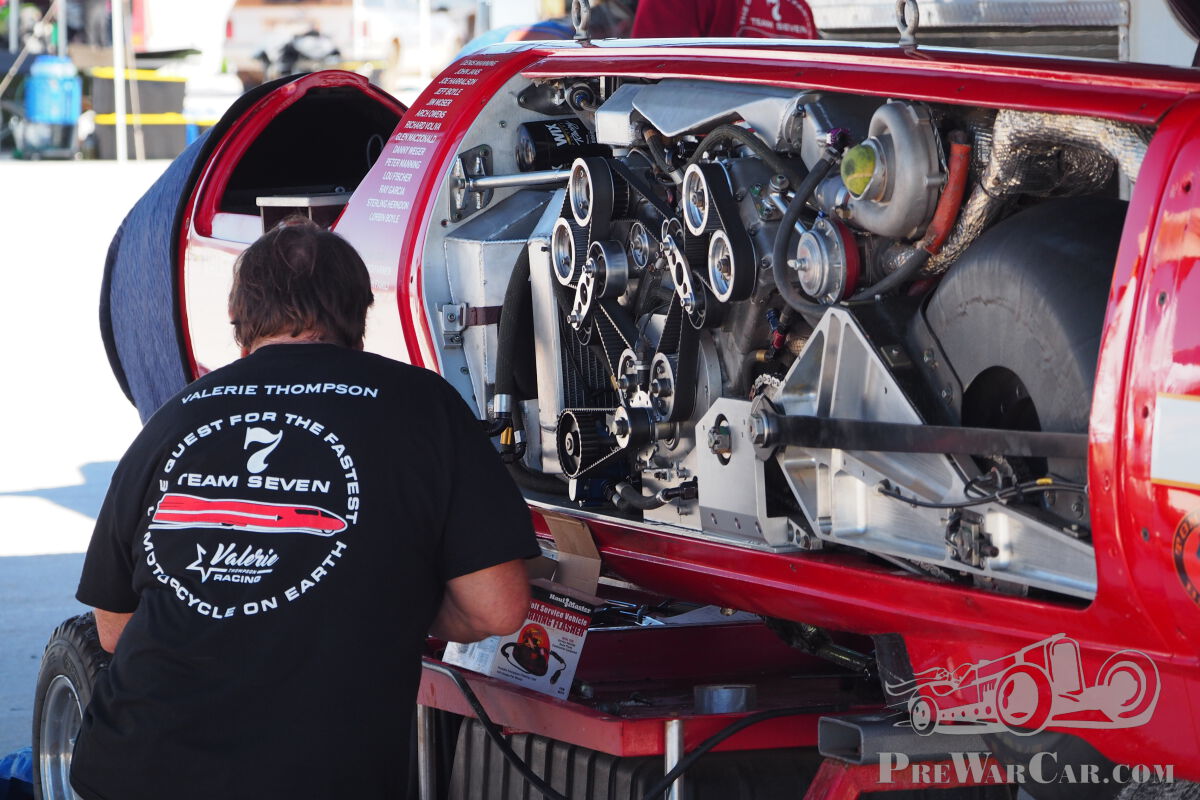
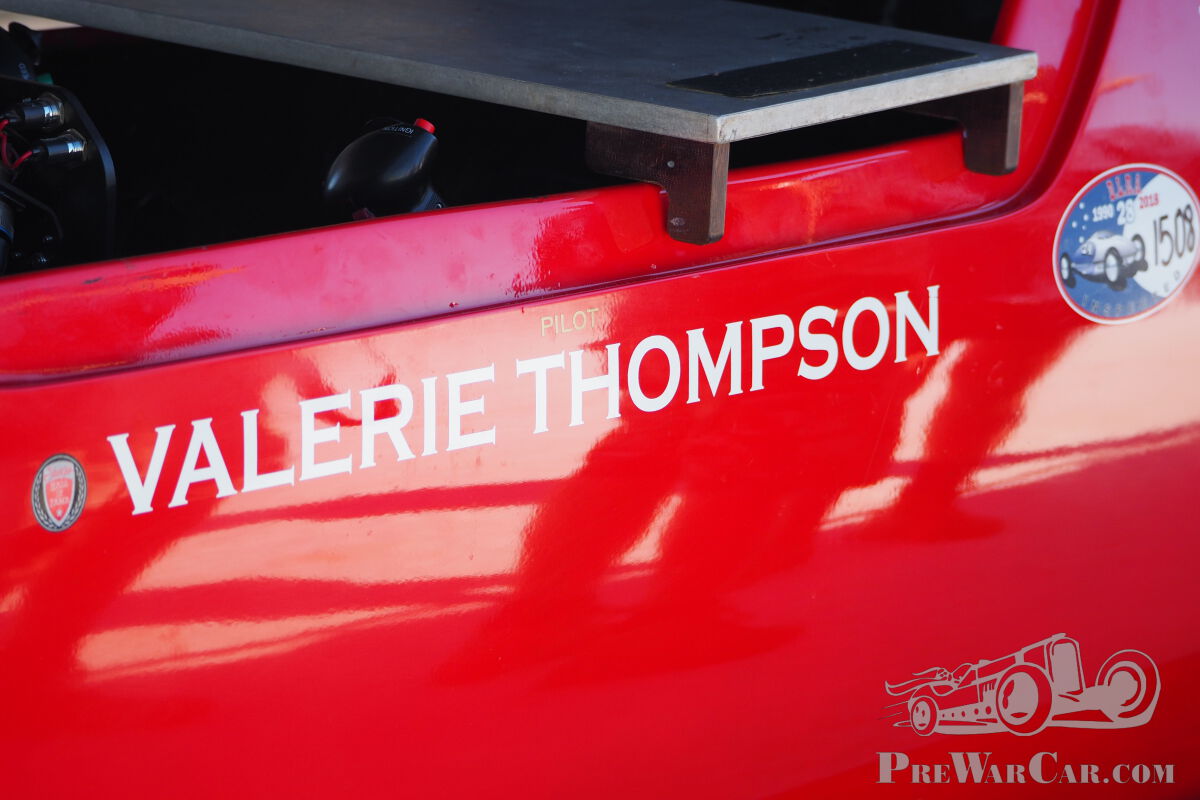
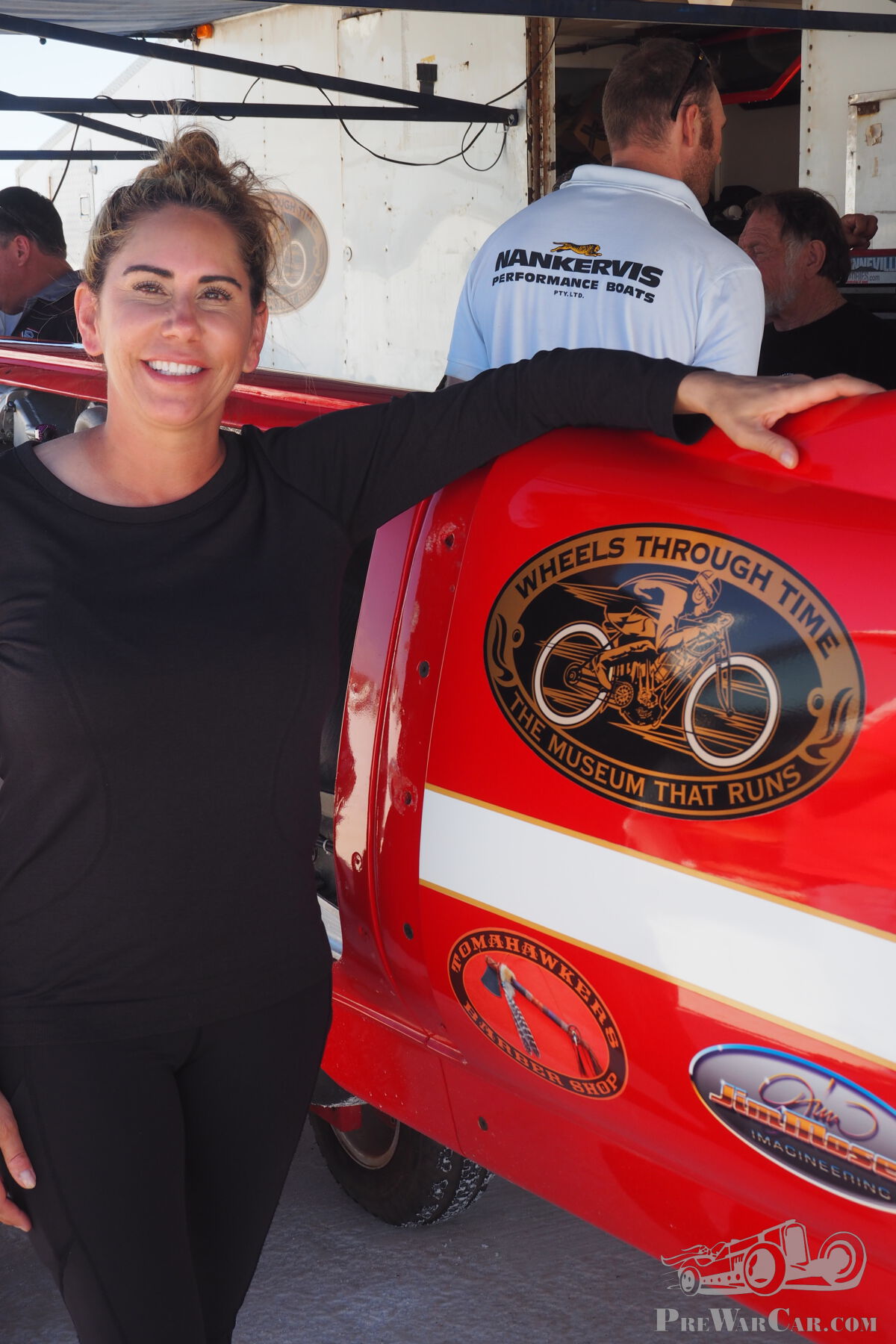
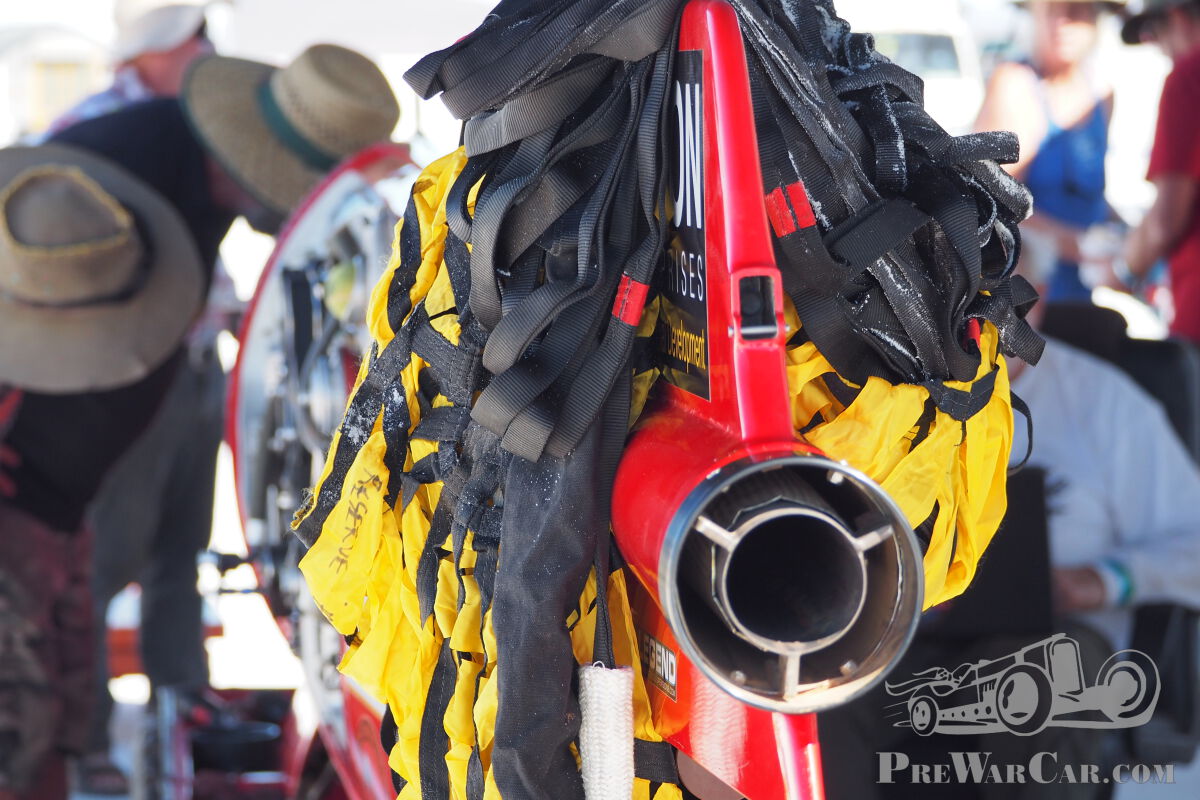
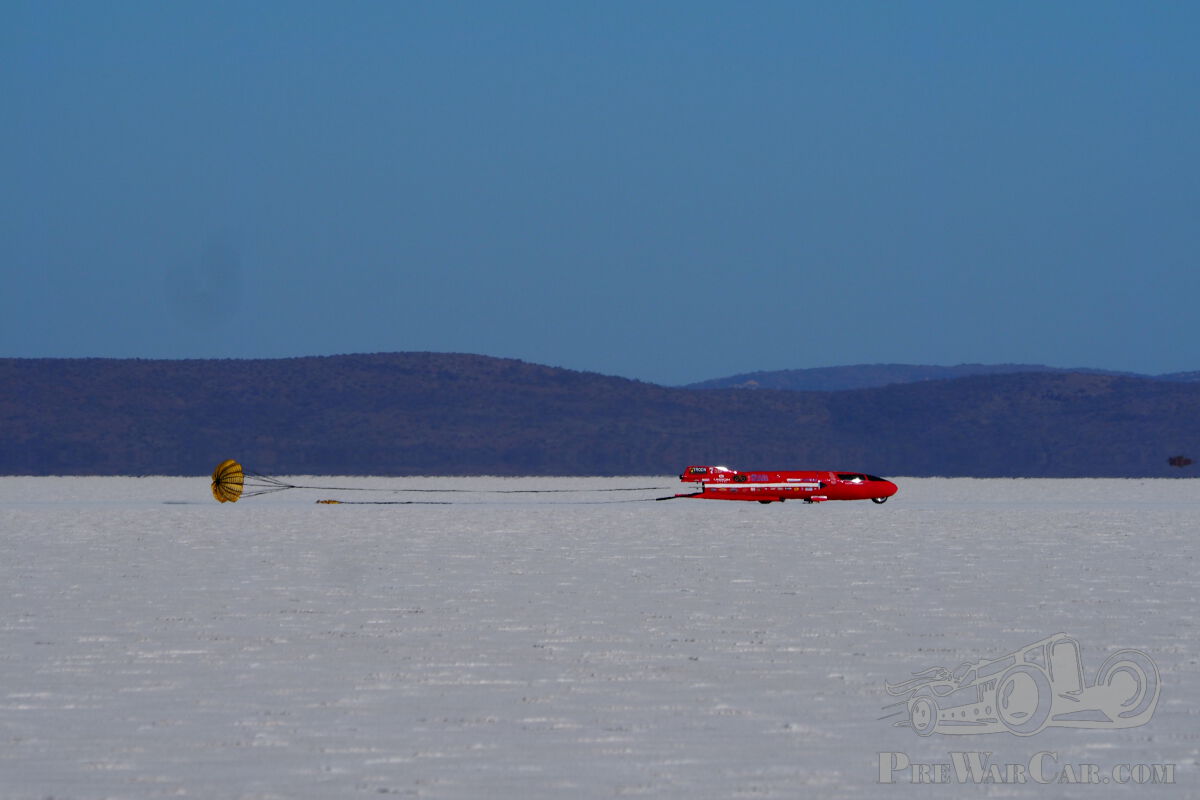
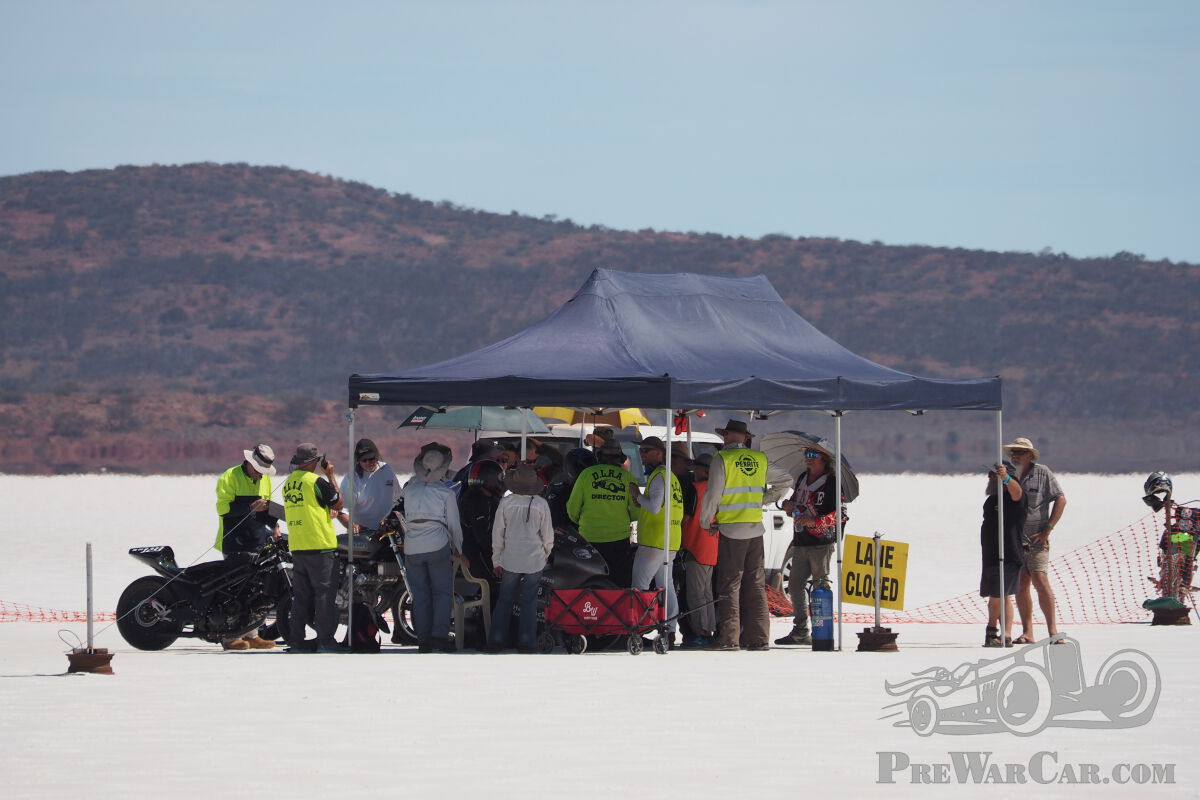
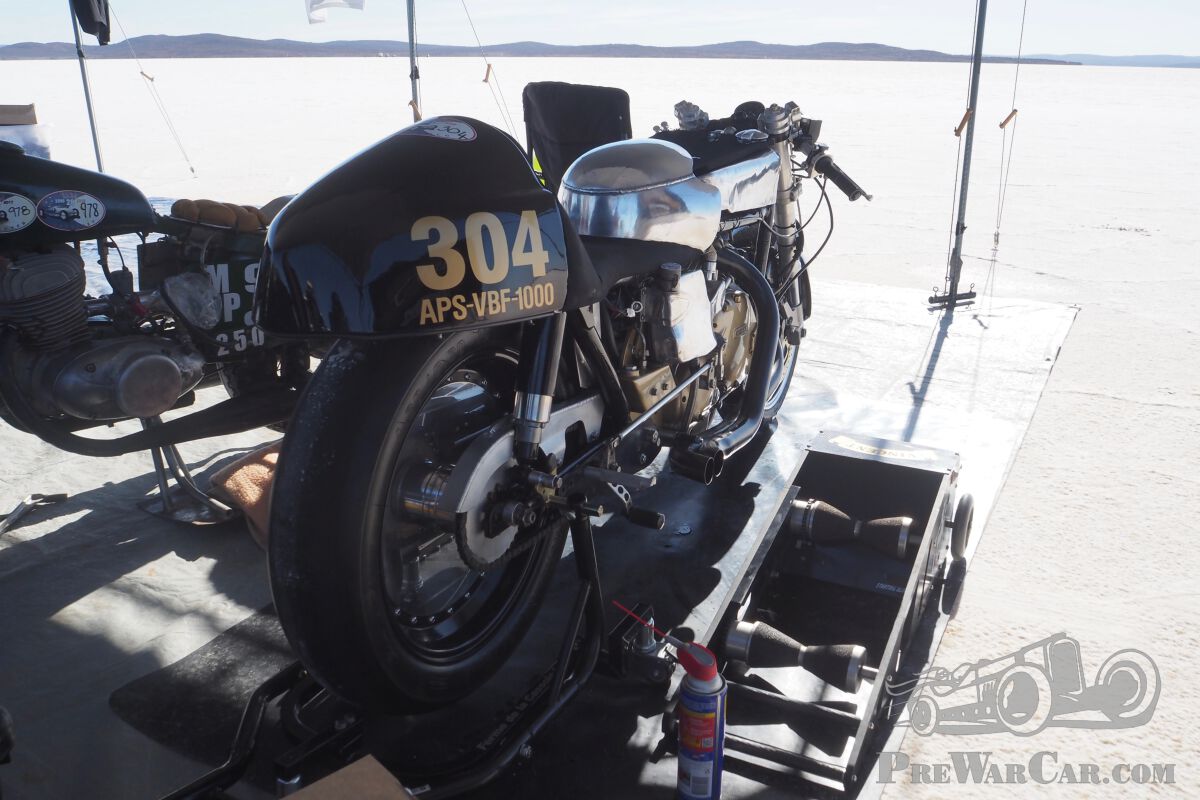
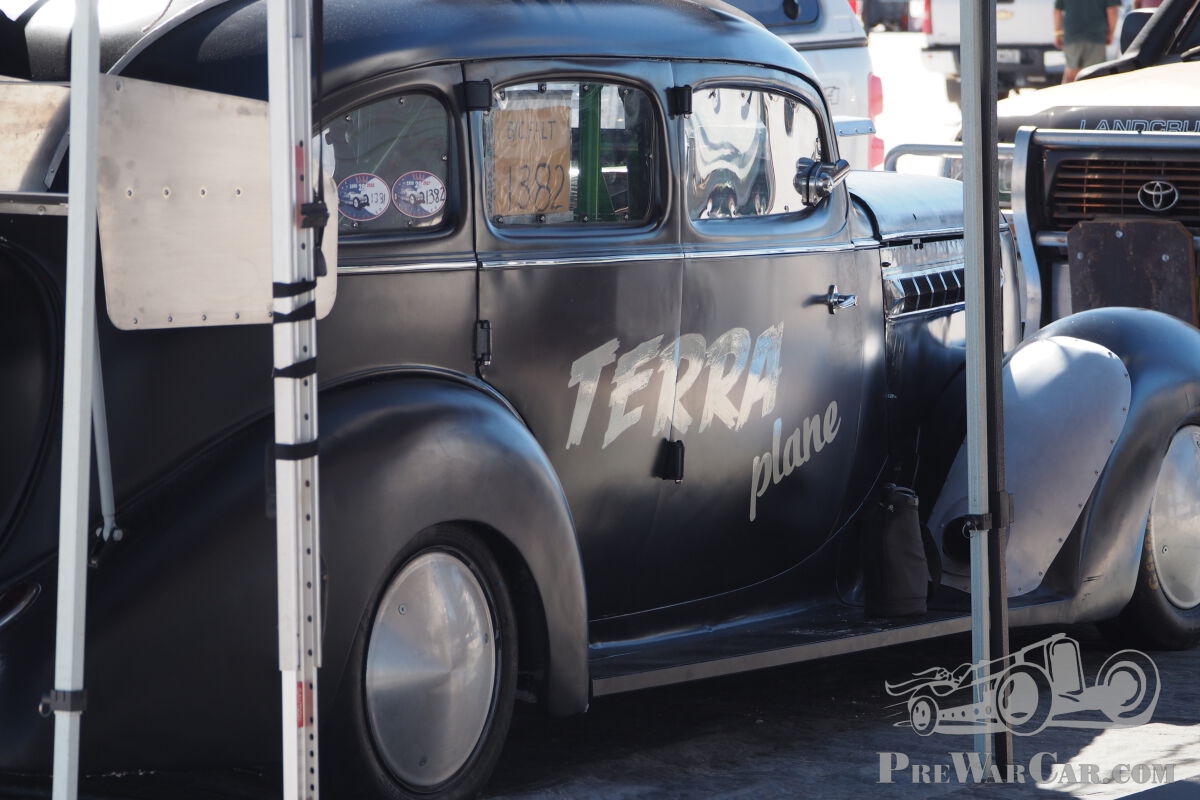
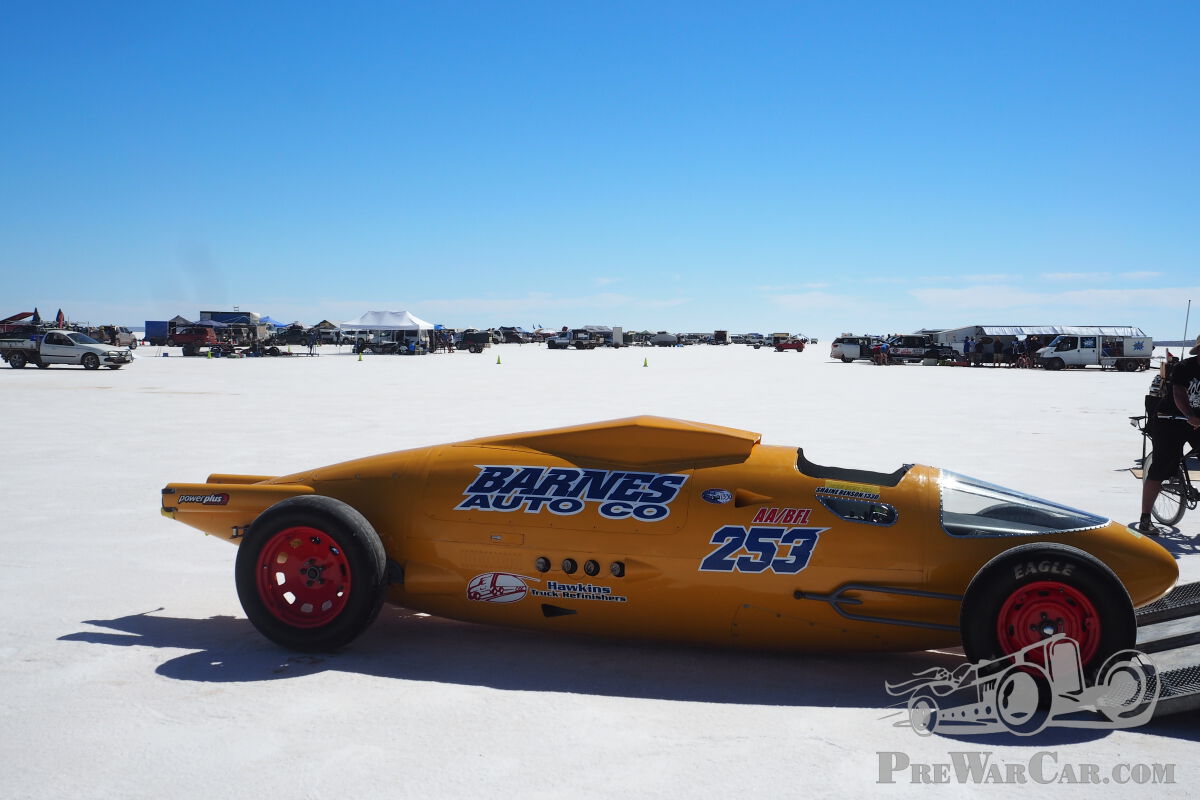
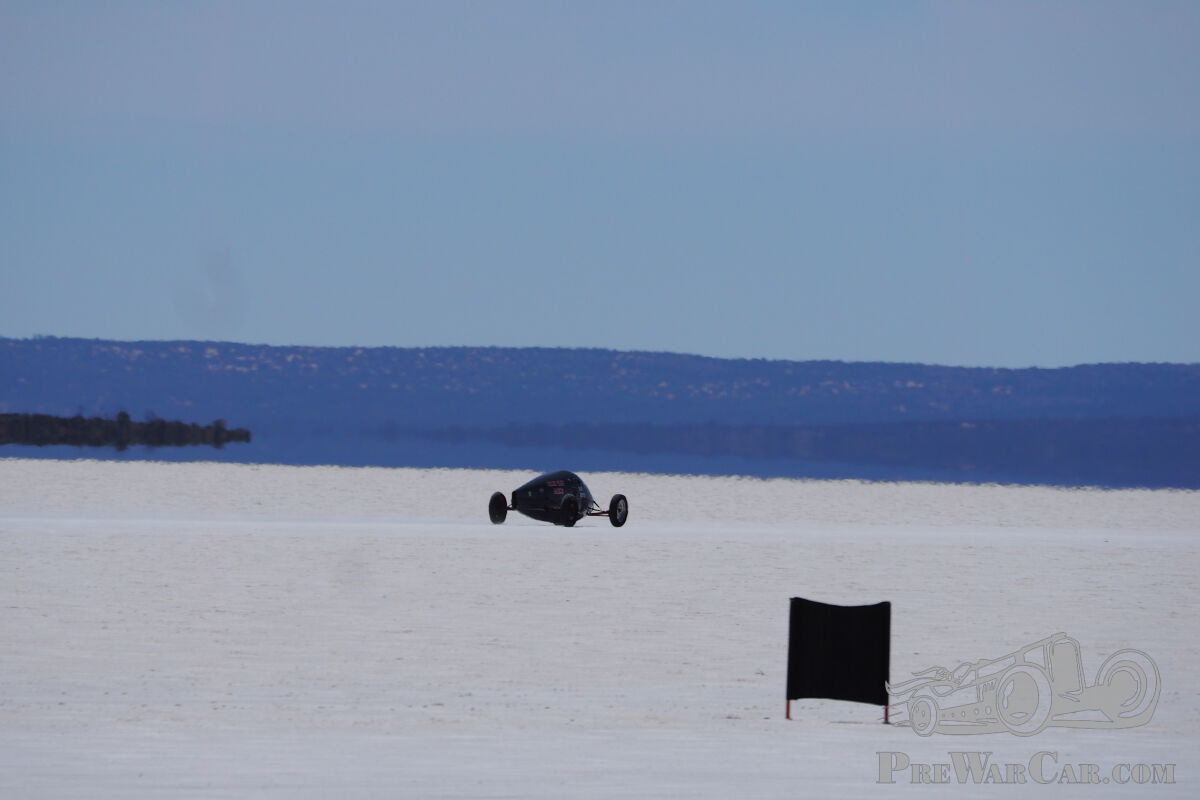
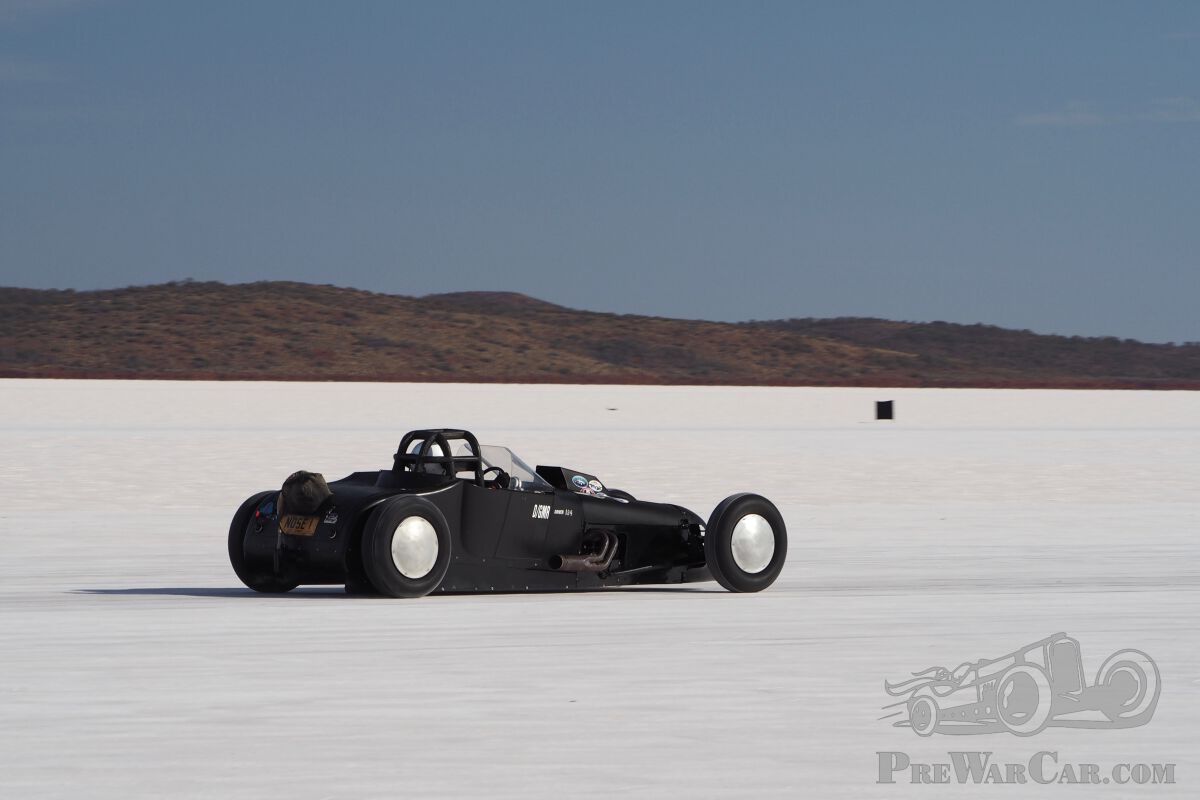
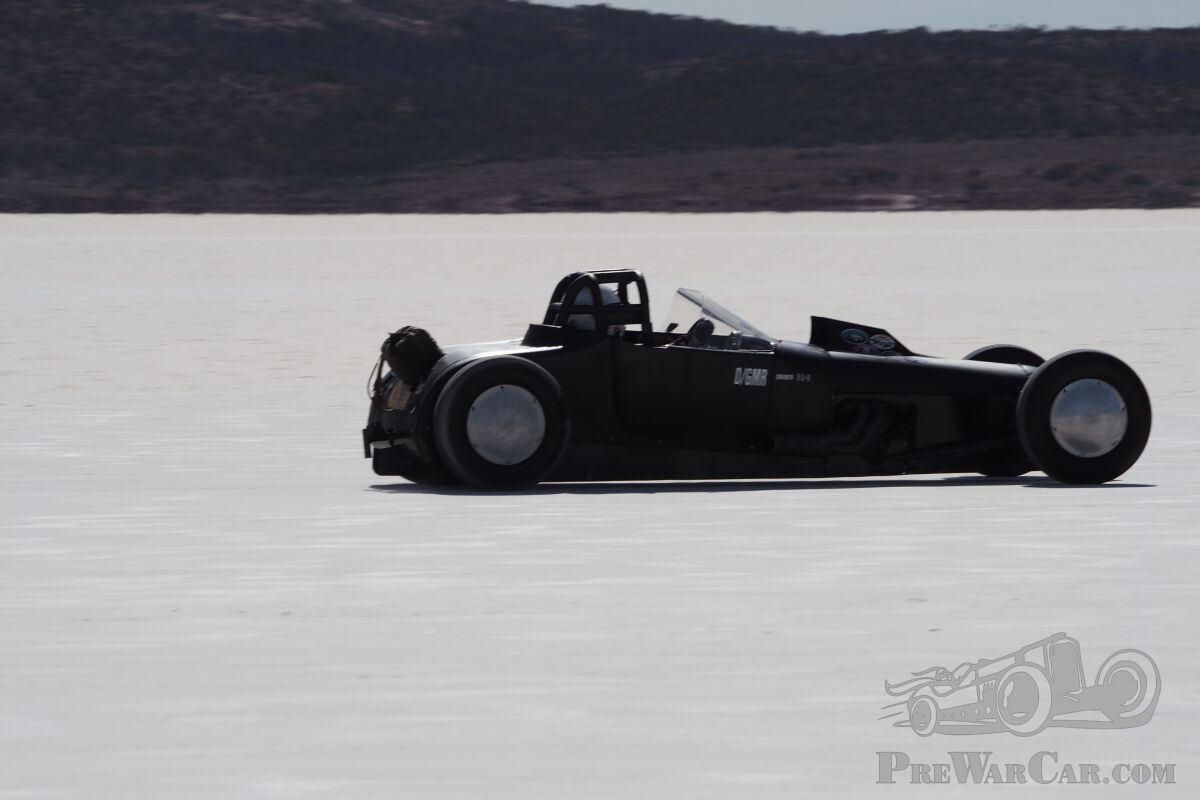
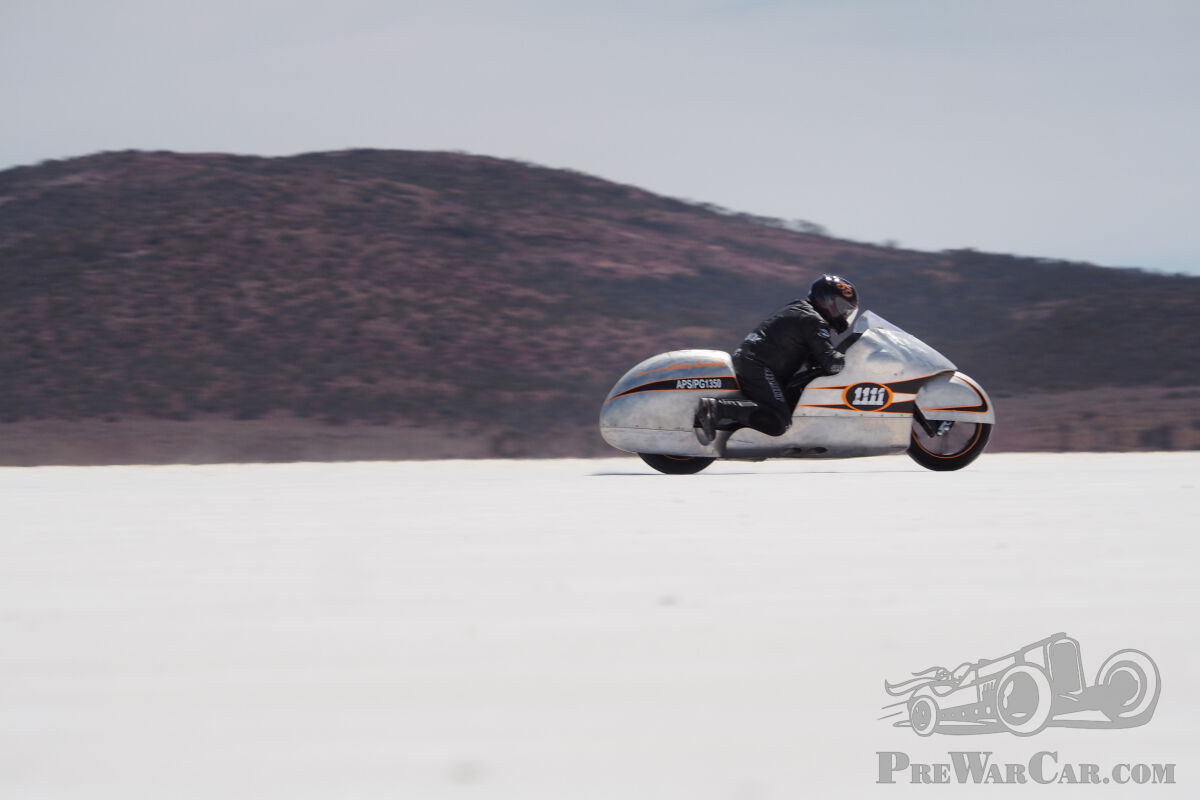
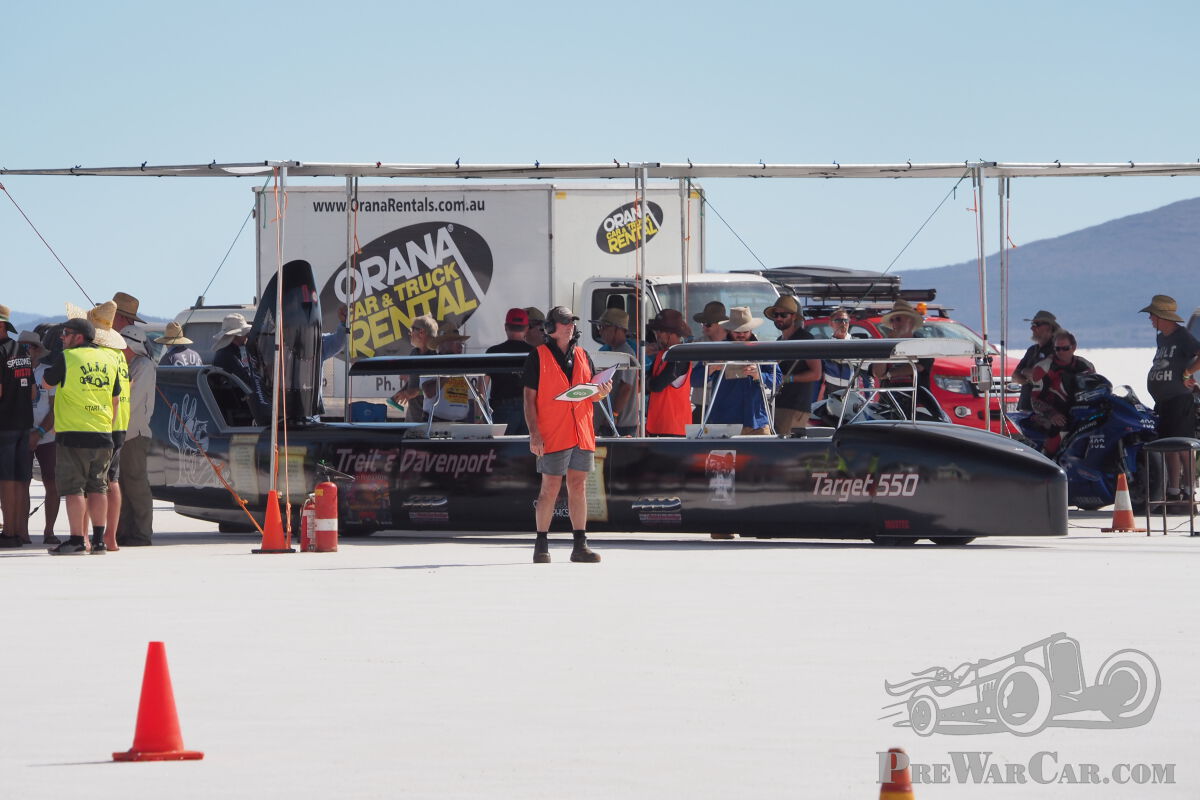
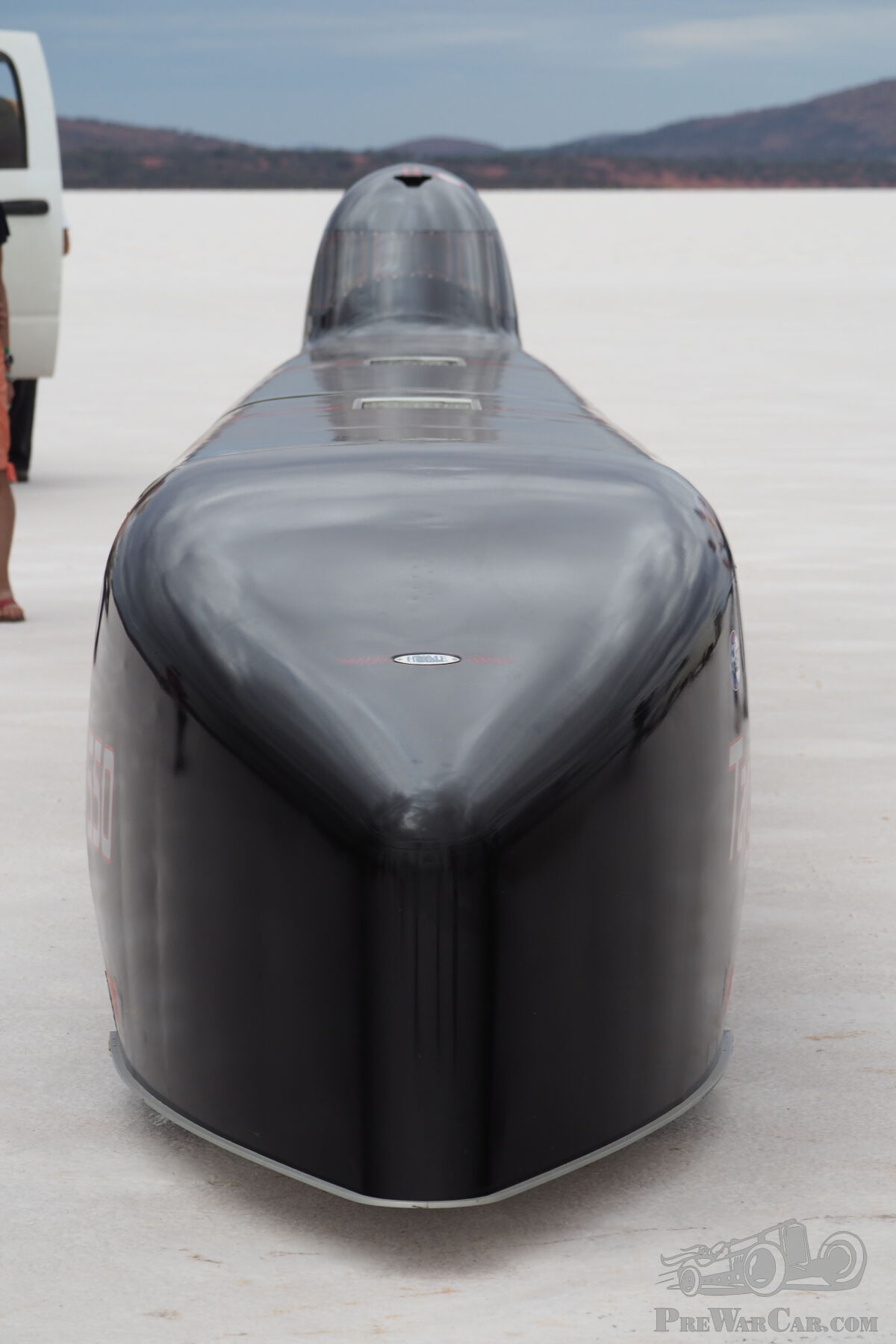
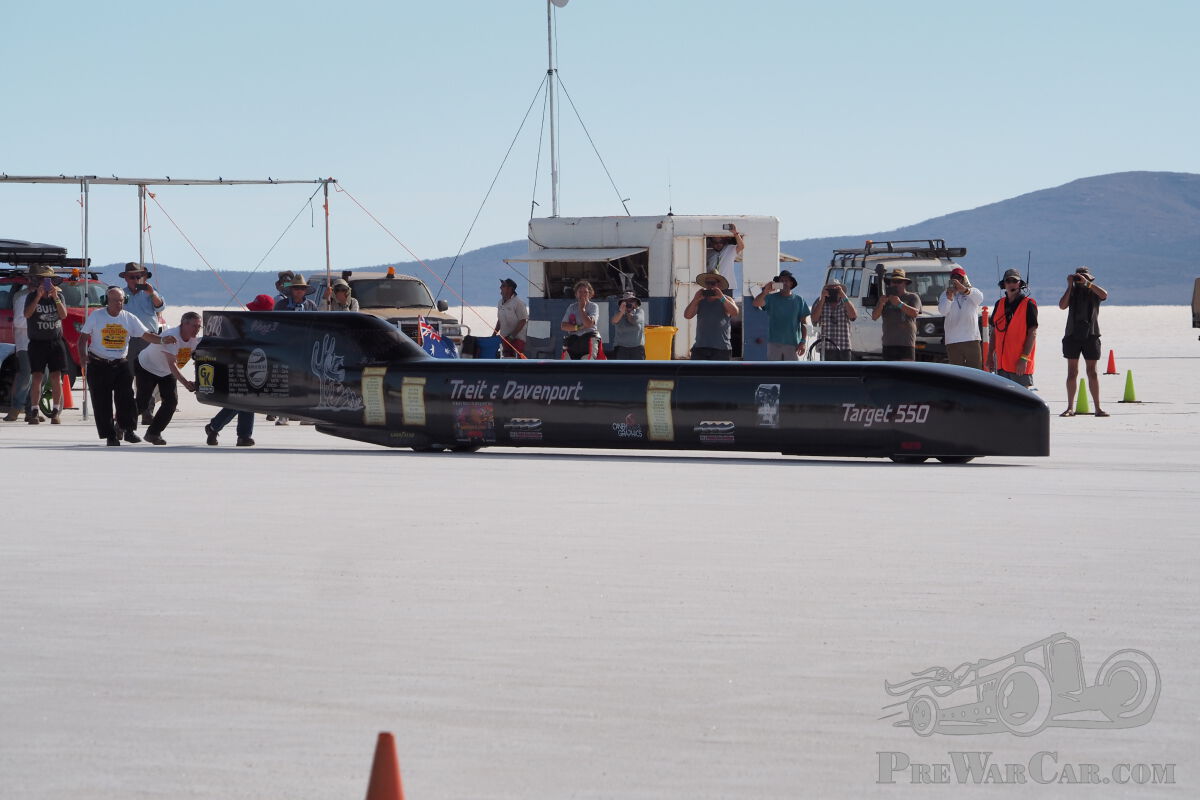
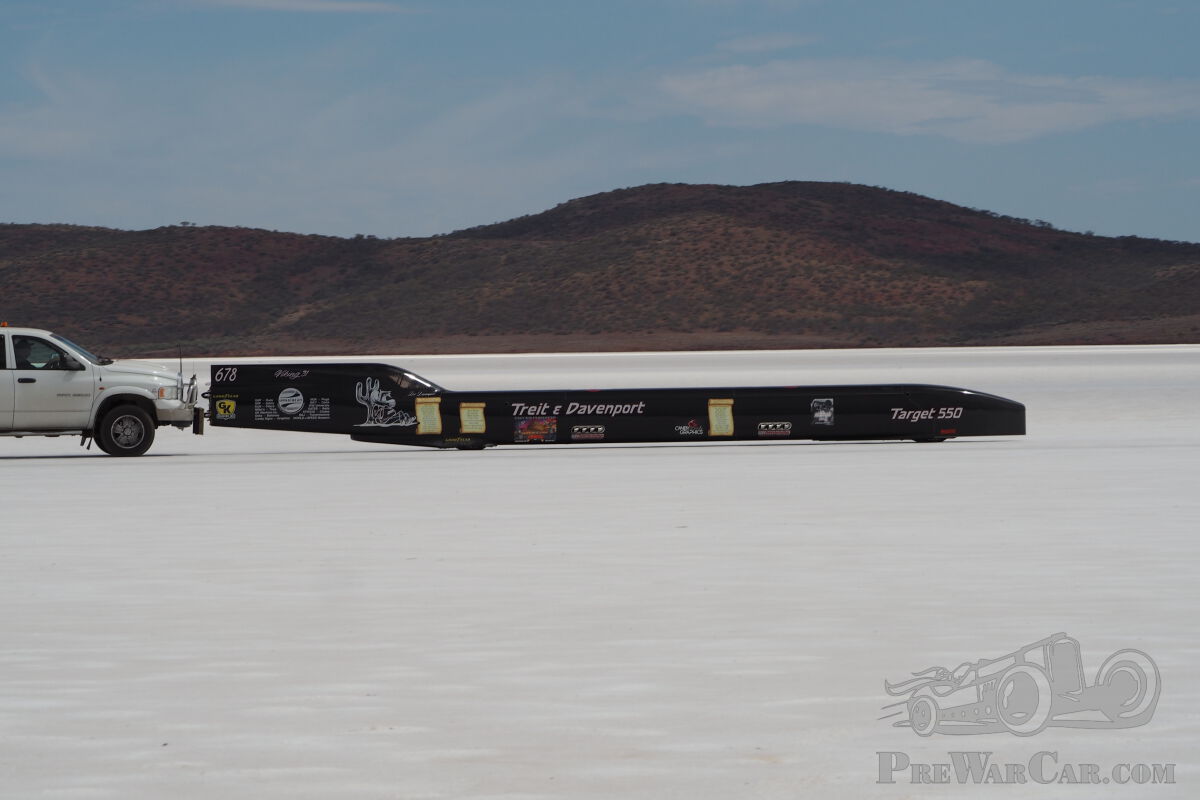
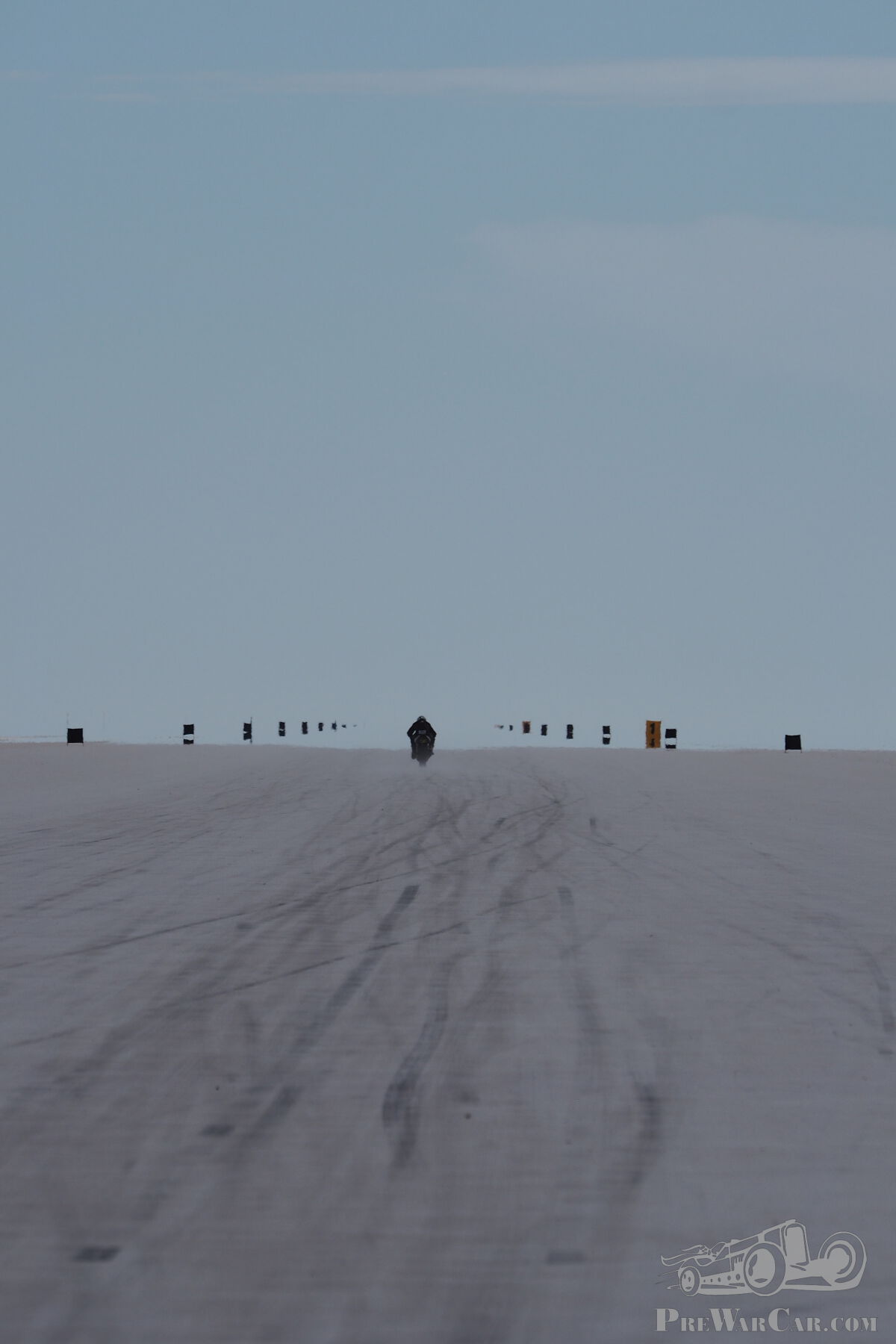
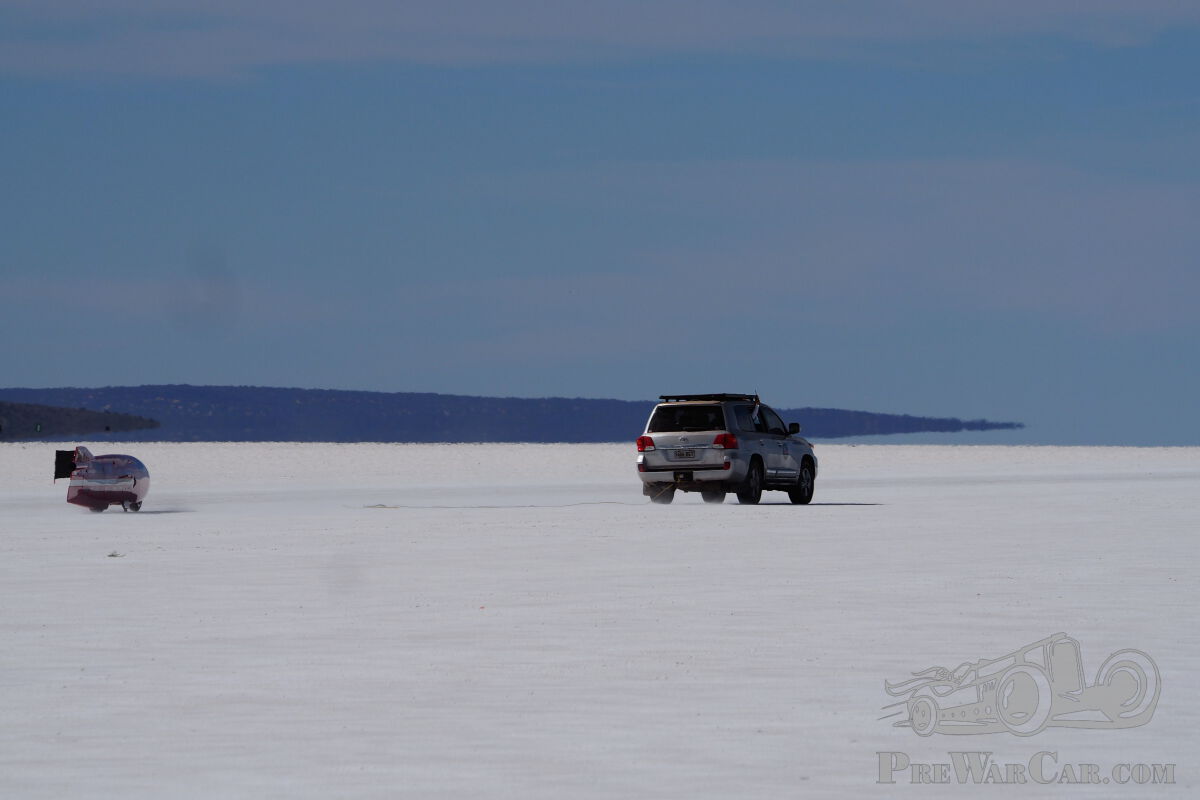
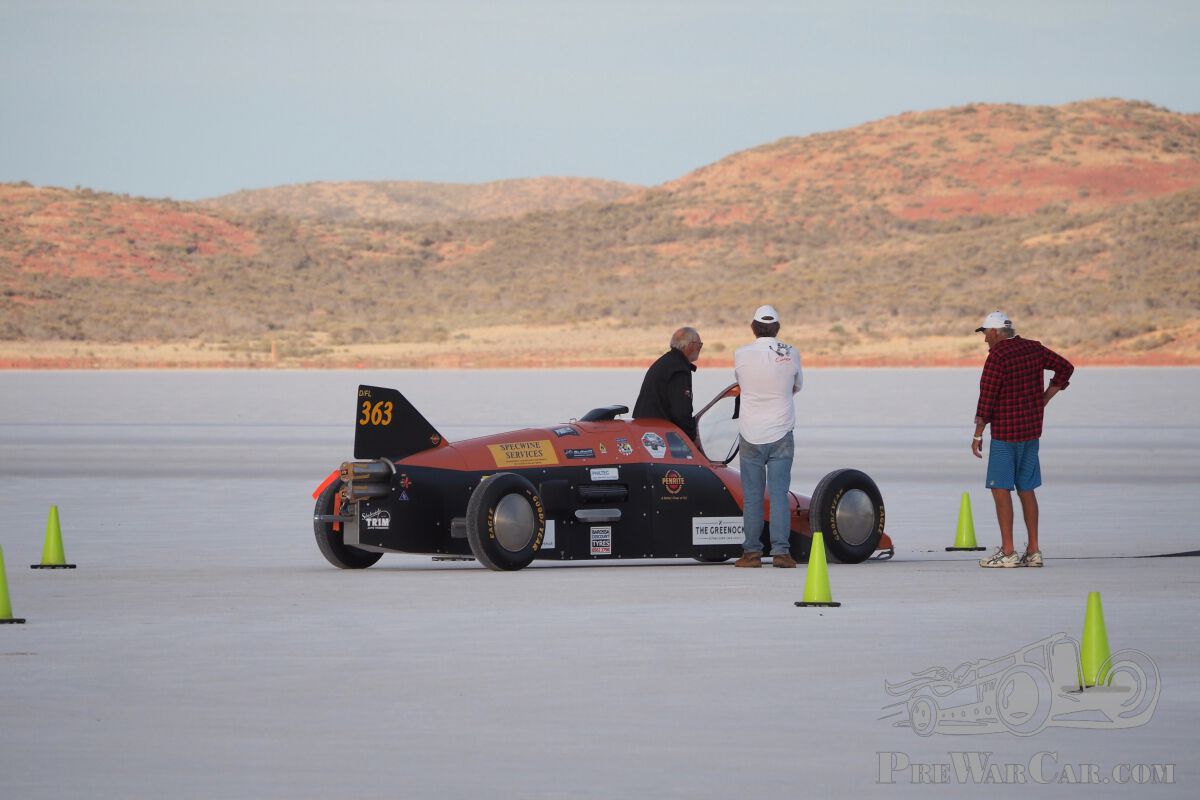
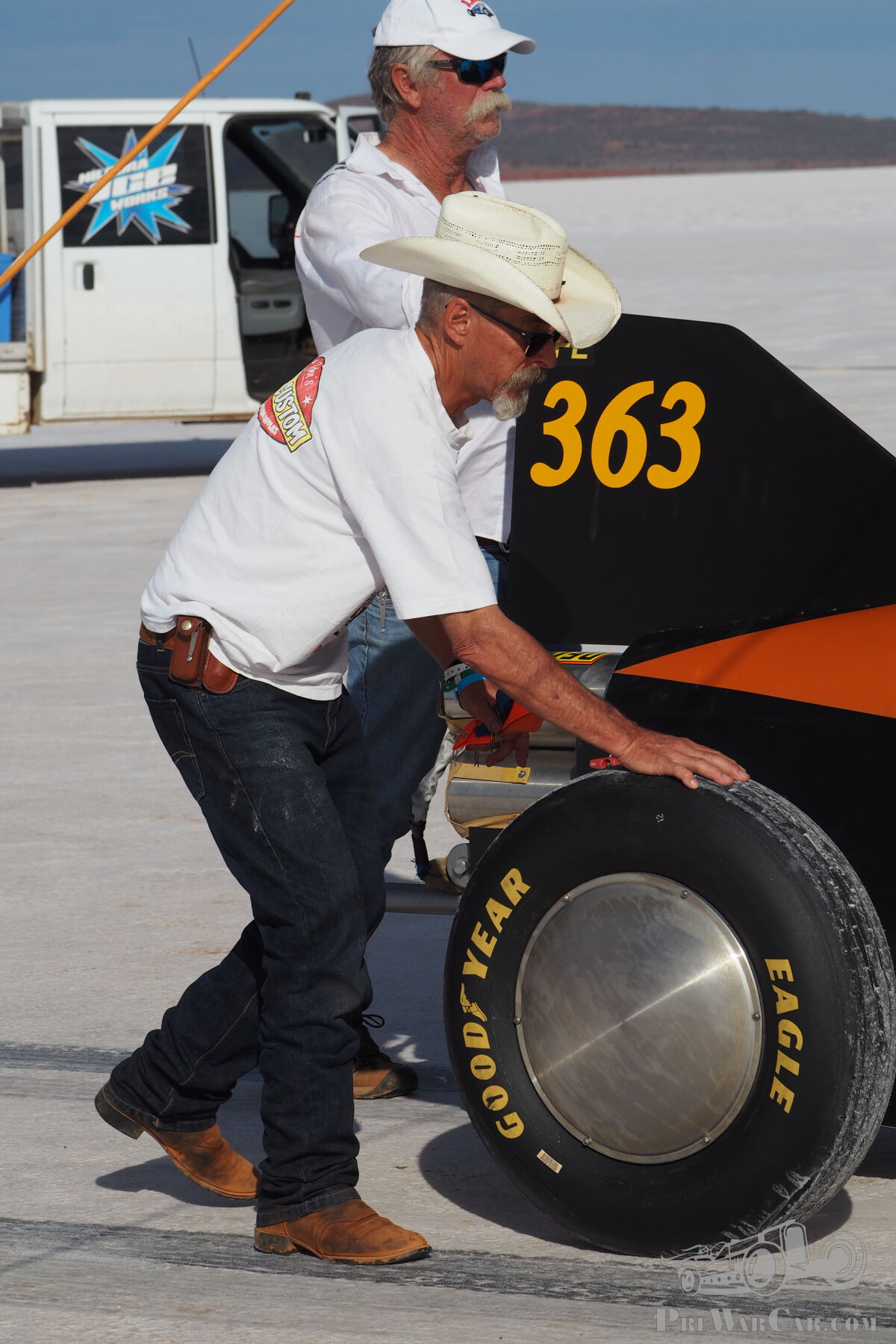
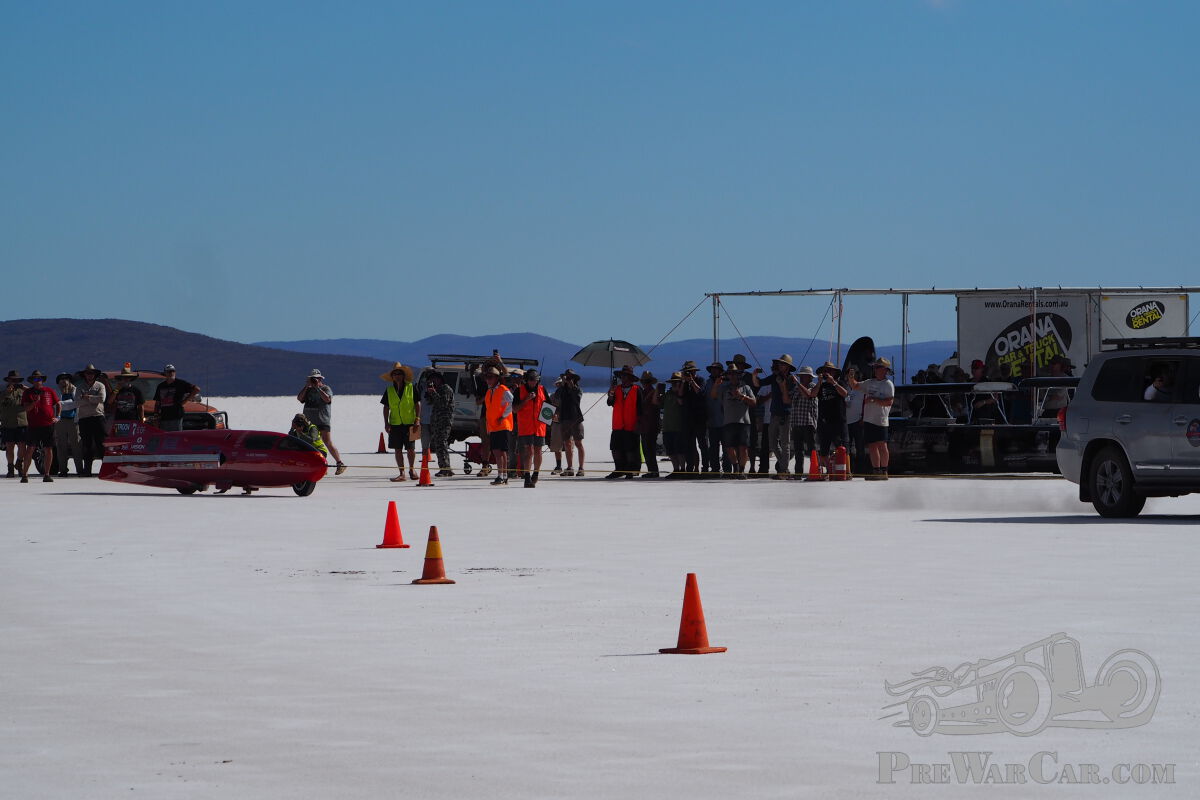
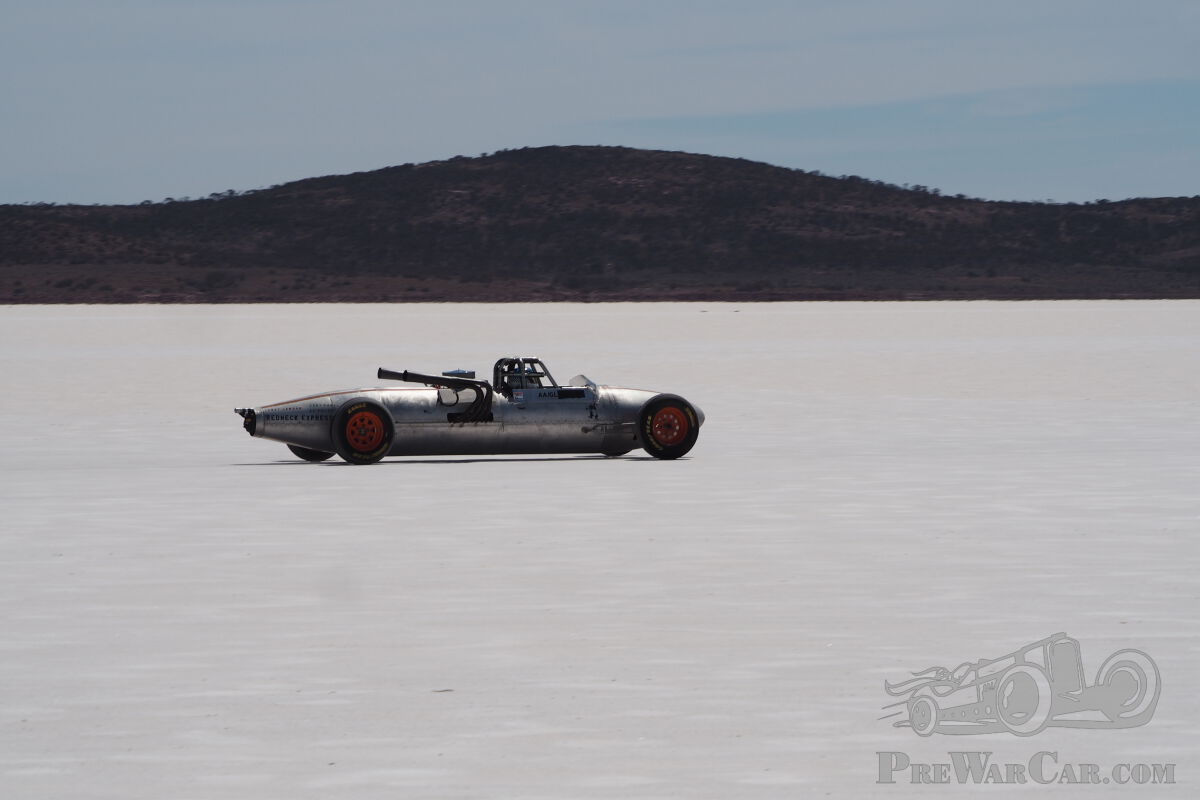
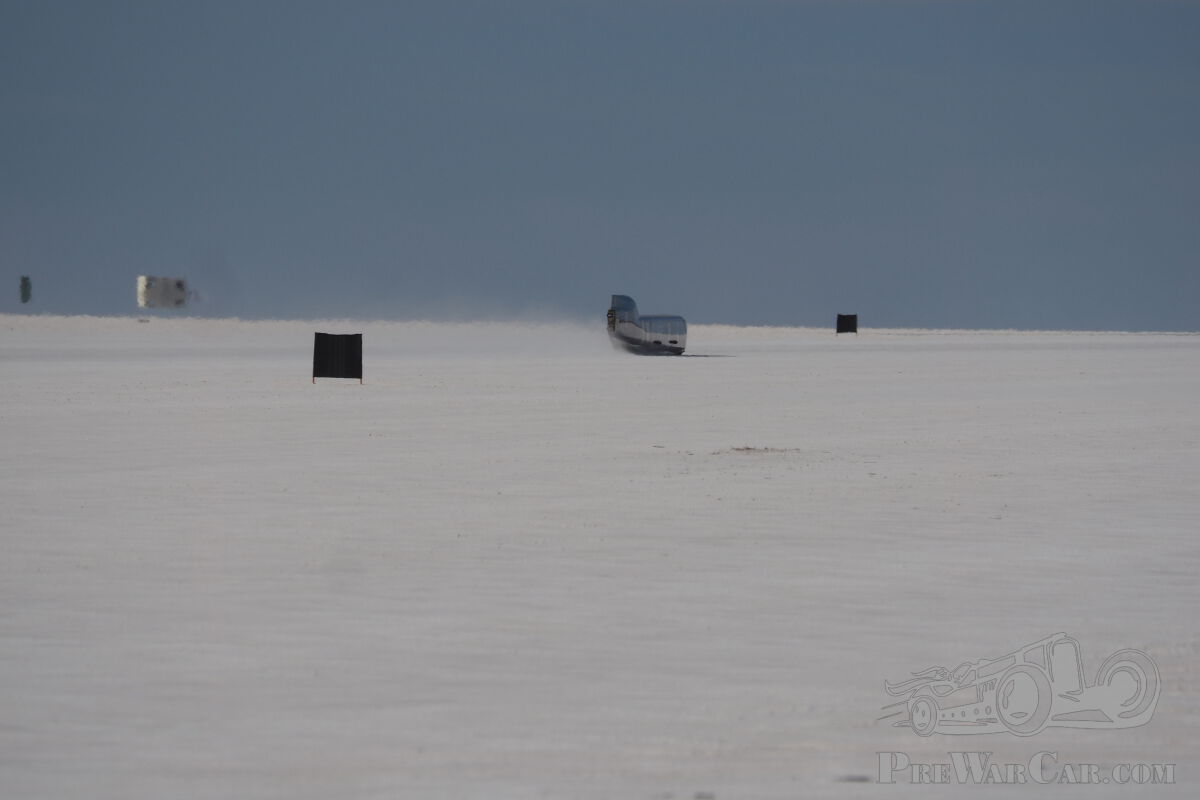
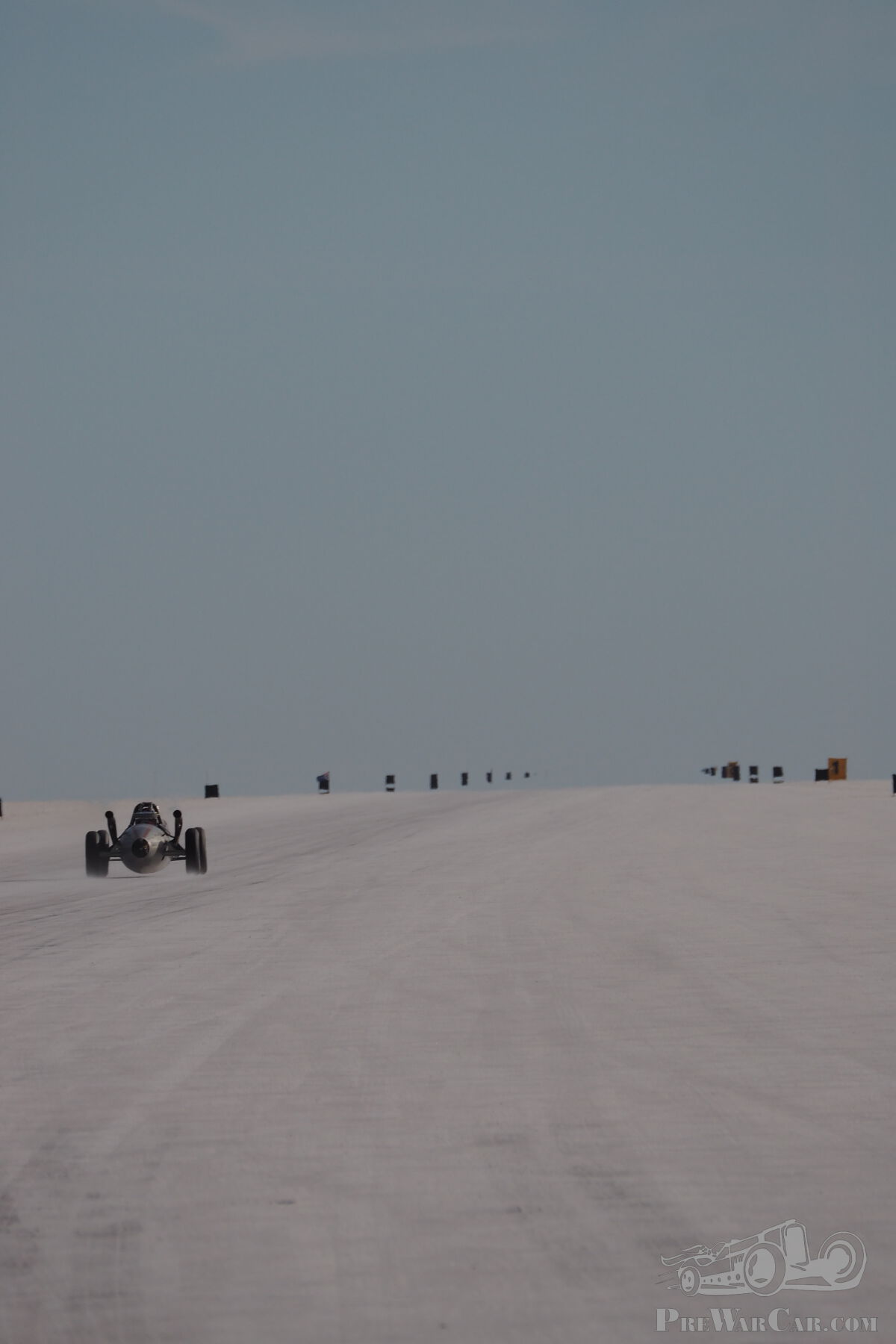
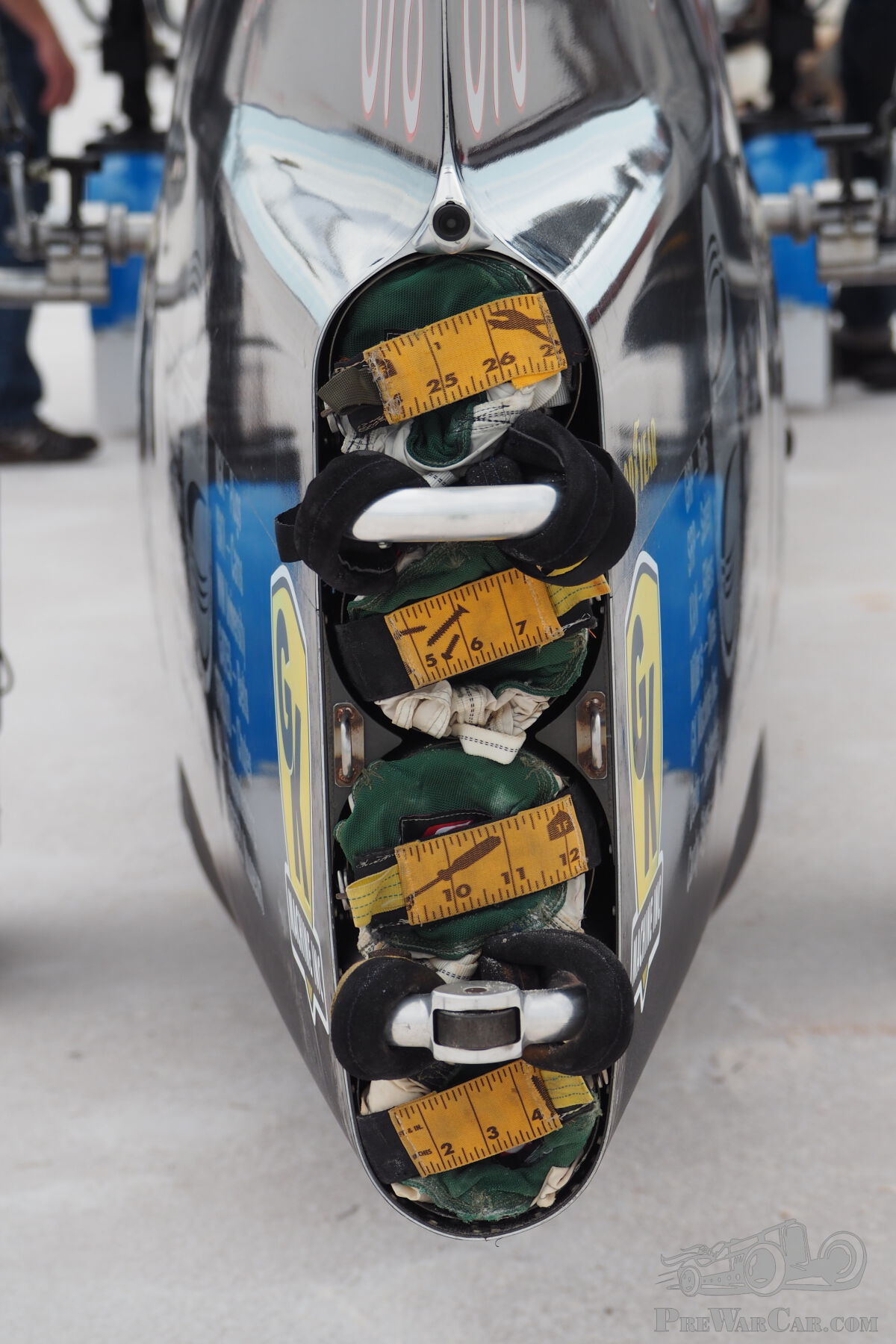
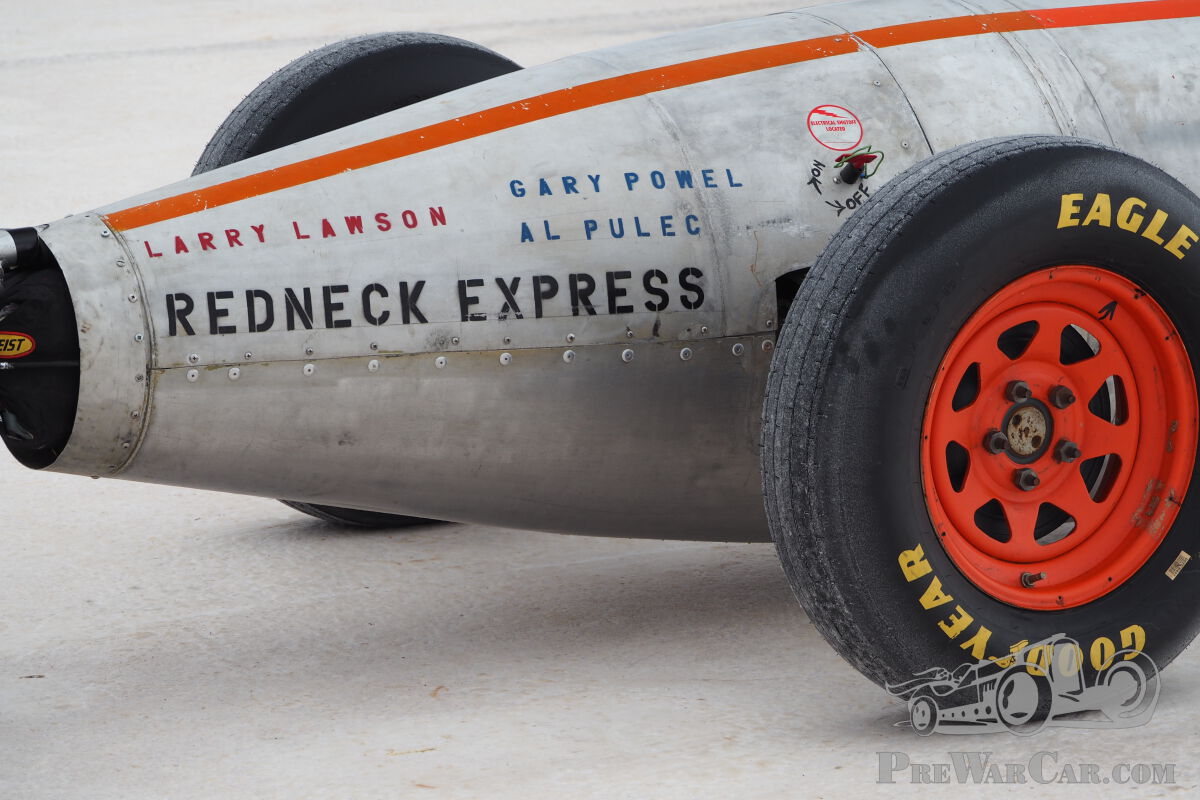
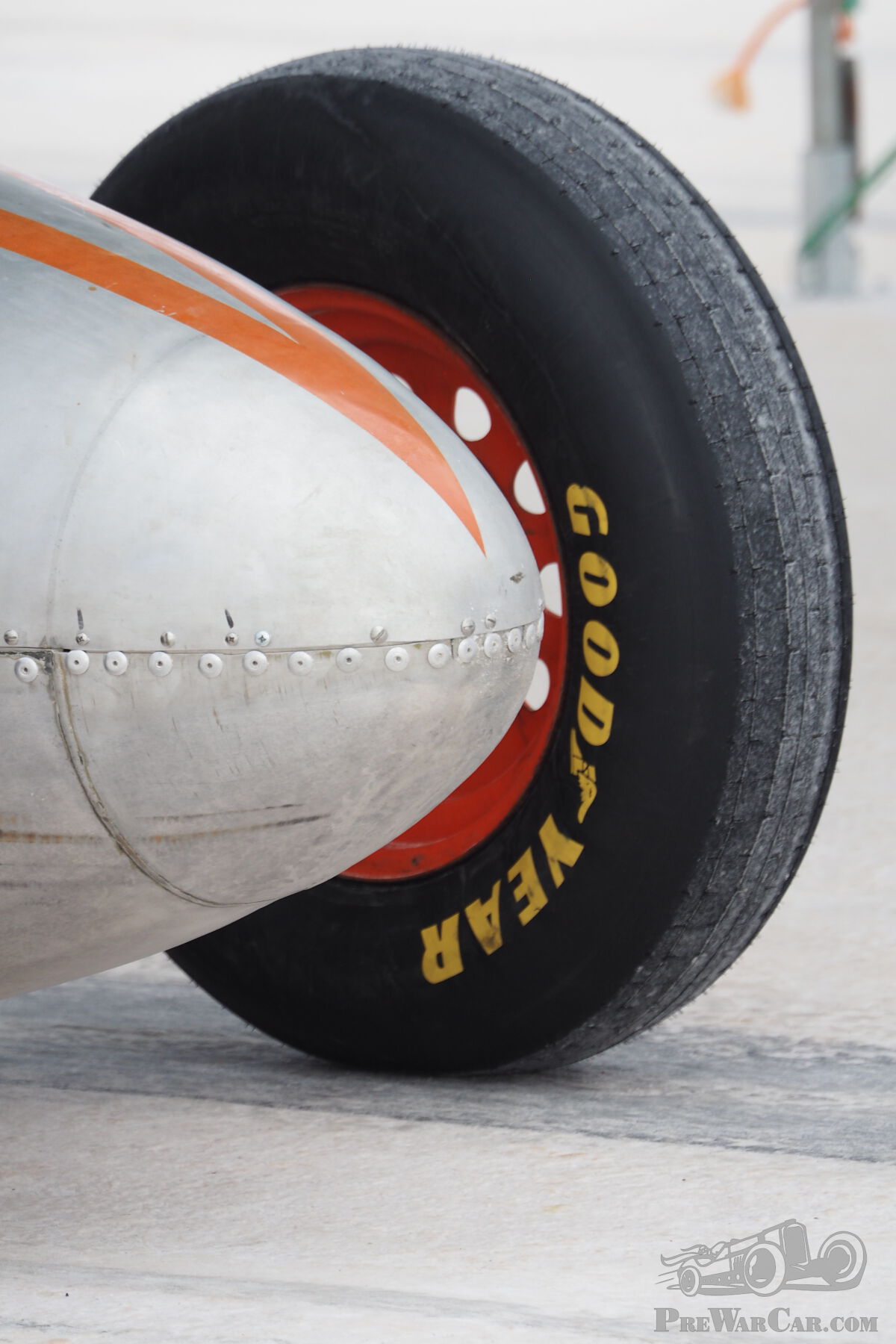
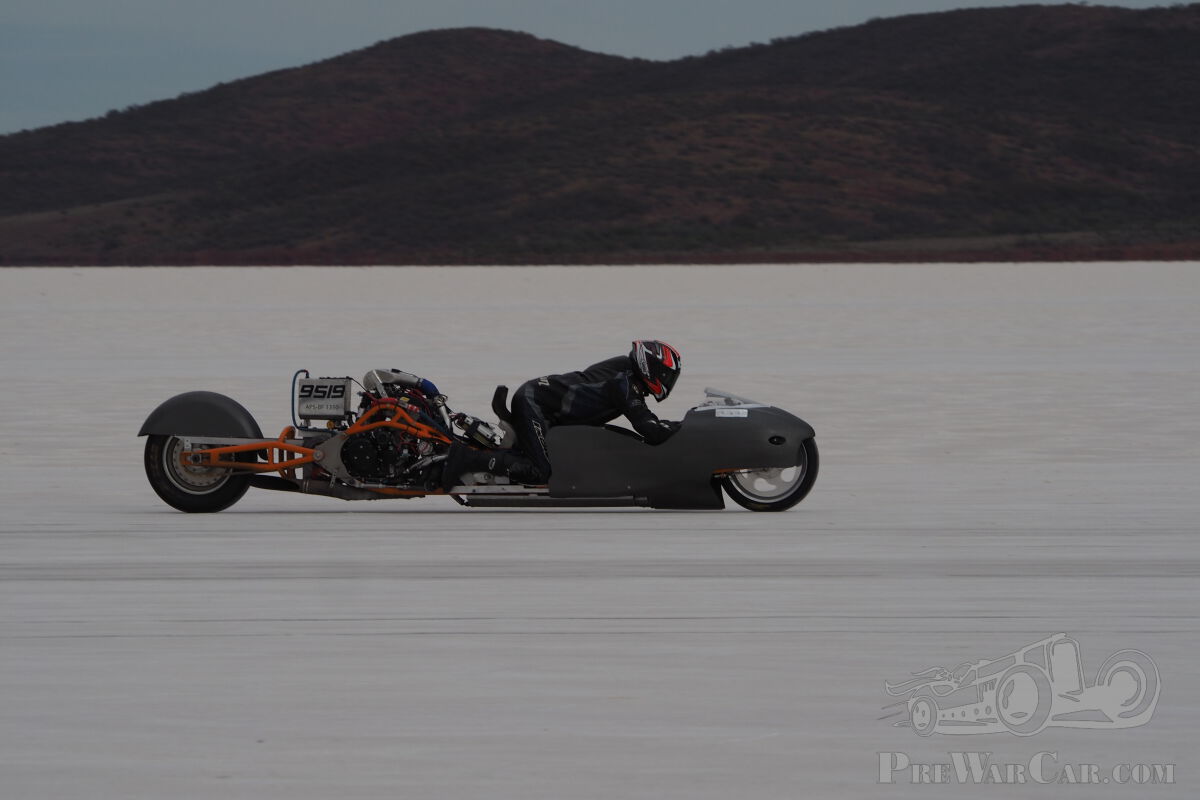
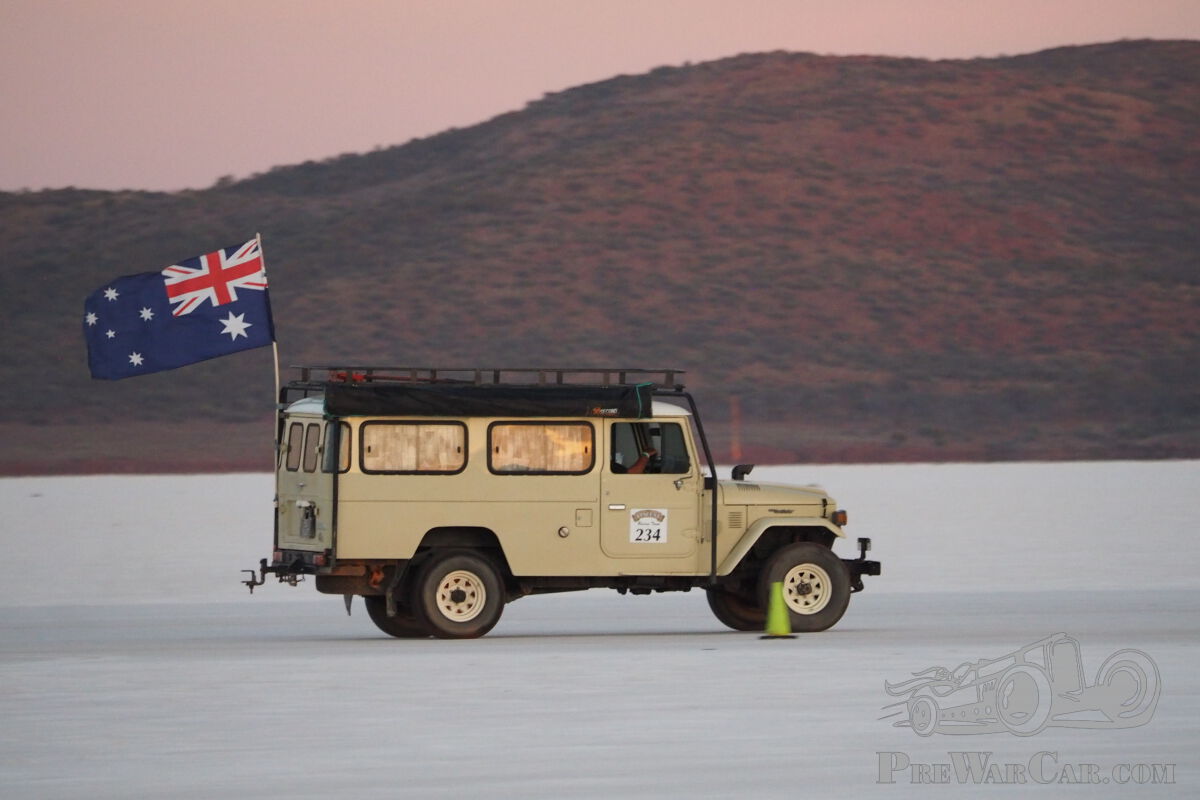
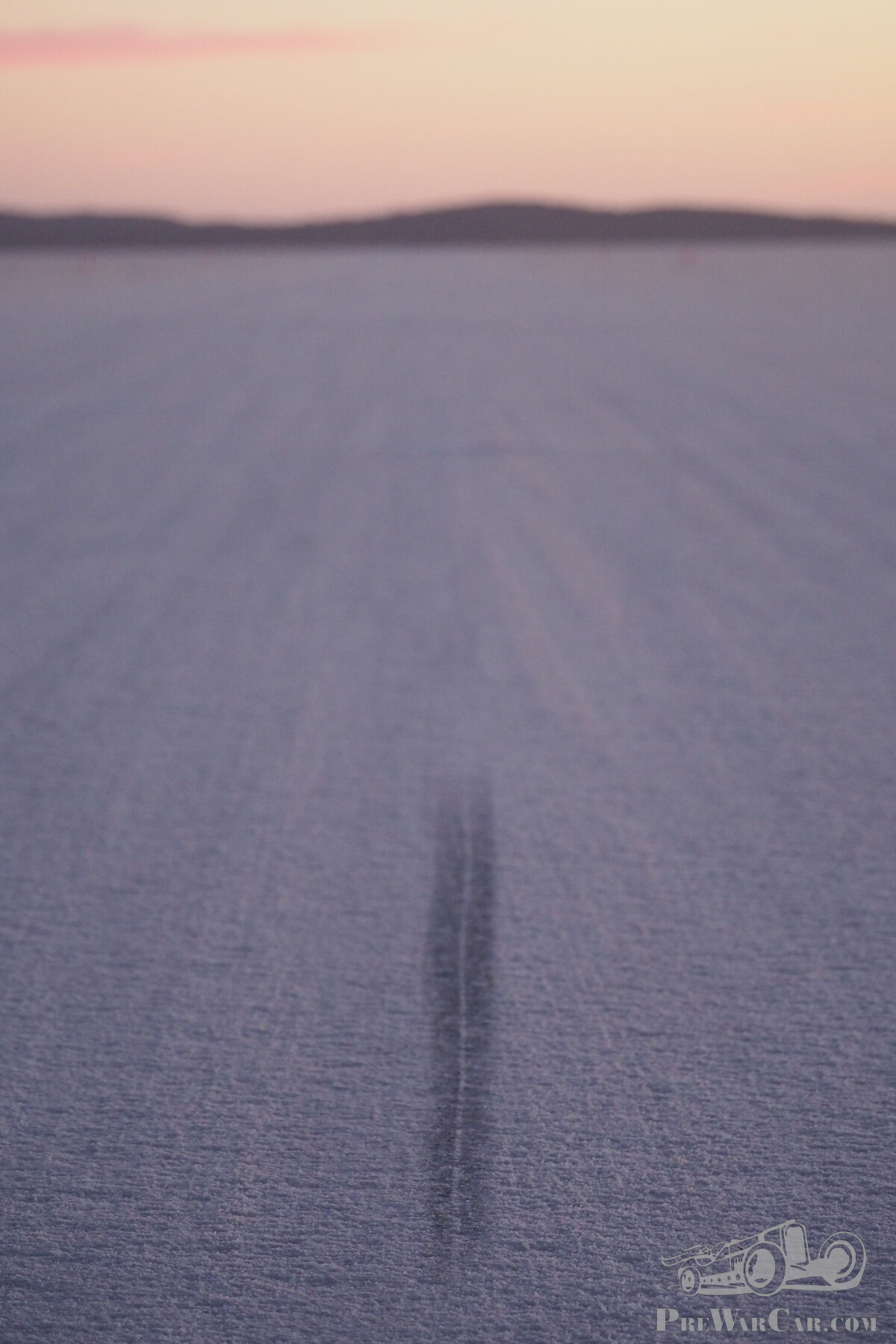
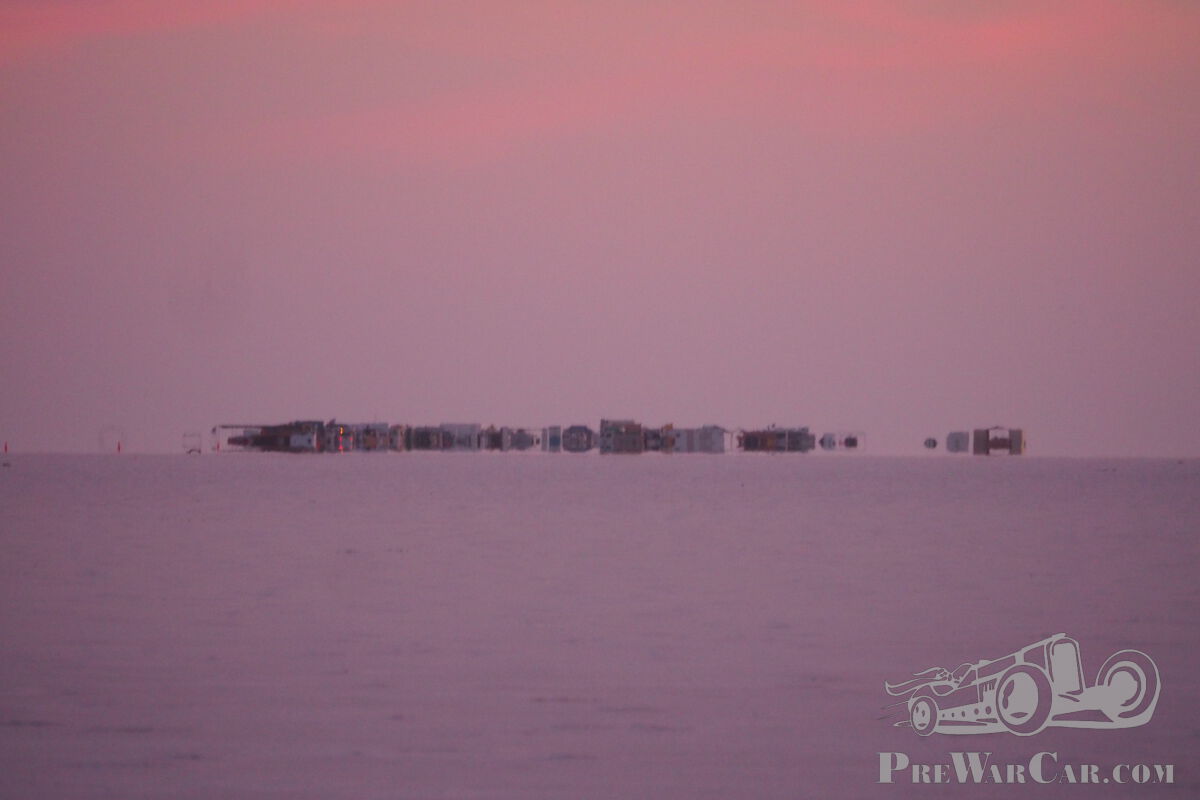


I once asked some dry lake racers from South Australia, why they went all the way to Bonneville in the USA to try and set their land speed records. Their answer: because it was easier to get to than Lake Gairdner! Lake Gairdner in South Australia is hard to reach. Seven hours drive from the State Capital, Adelaide, the last two hours of which is on dirt roads in the Outback and the last 25 km of which is pretty tortuous on corrugated, dusty and treacherous tracks. If you manage to stay on the road and avoid the wildlife (that was one very large and lucky Emu that I am glad I missed), the view as you top the rise and see the dry salt-lake gives one a feeling, as of a small child spotting the ocean for the first time. The excitement makes one want to sing out for joy at the marvelous vista spread splendidly before one’s eyes after the continuous red dust approaches.
Bonneville Salt Flats, Utah may have been the Cathedral of speed racing; going as fast as one can in a straight line. In recent years, however, for a variety of reasons, be it weather, a changing (shrinking) landscape, it has been unable to provide consistent enough conditions to create record-breaking runs. It would appear from the latest Speed Week held on Lake Gairdner, that the mantle may now have passed from Bonneville to the South Australian salt-lake, and that the Americans are now visiting Gairdner, no matter the difficulties of getting there.
Home to the Gawler Ranges Aboriginal People: the Barngarla, Kokatha, and Wiranga Families are the traditional custodians of this land. On first arrival one can easily see why this vast lake, big enough to be seen from outer space, some 160 km long and 48 km across, covered in pristine salt over 1.2 metres thick, should have assumed religious and spiritual significance which is fundamental to the lore, culture, and beliefs of its indigenous inhabitants. But for one week of each year with the blessings of the locals, it is the Gods of Speed that are worshipped here – Mickey Thompson and Challenger II; Art Arfons with Green Monster; Craig Breedlove in Spirit of America; Donald Campbell and Blue Bird CN7; Roscoe McGlashan and his Aussie Invaders; Burt Monro and the world’s fastest Indian.
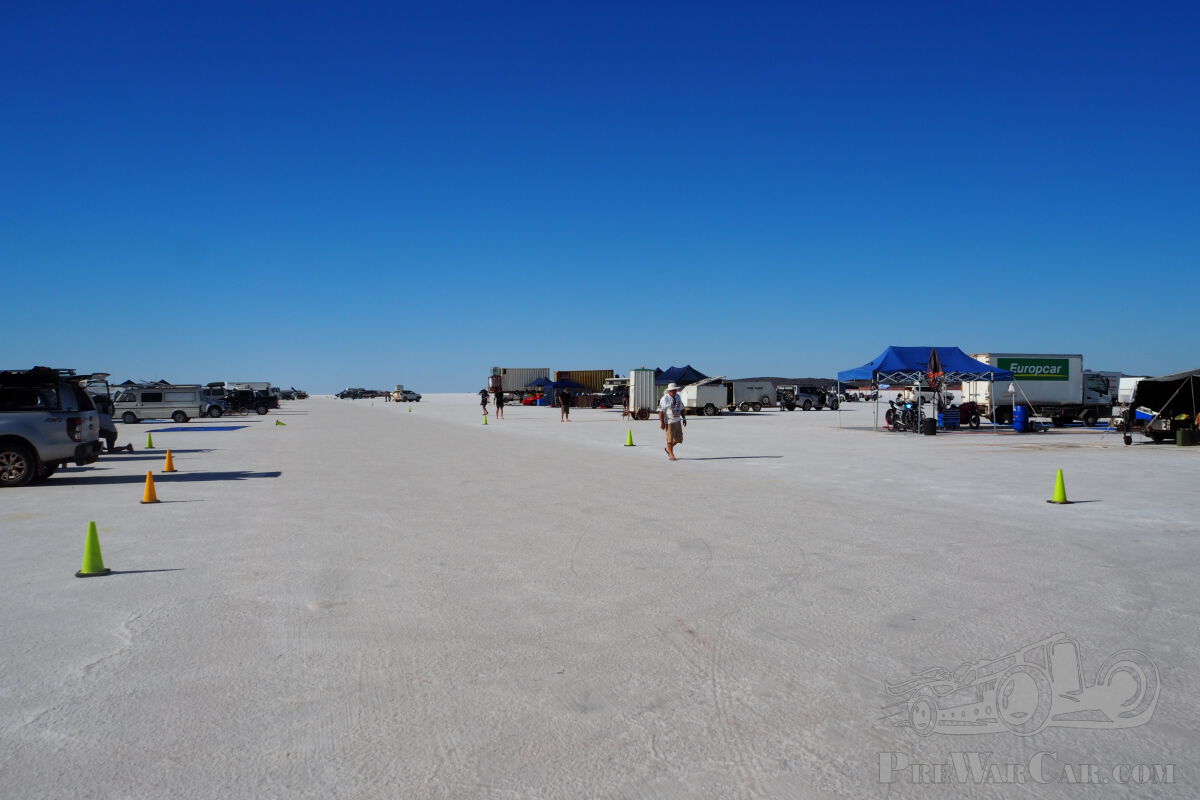
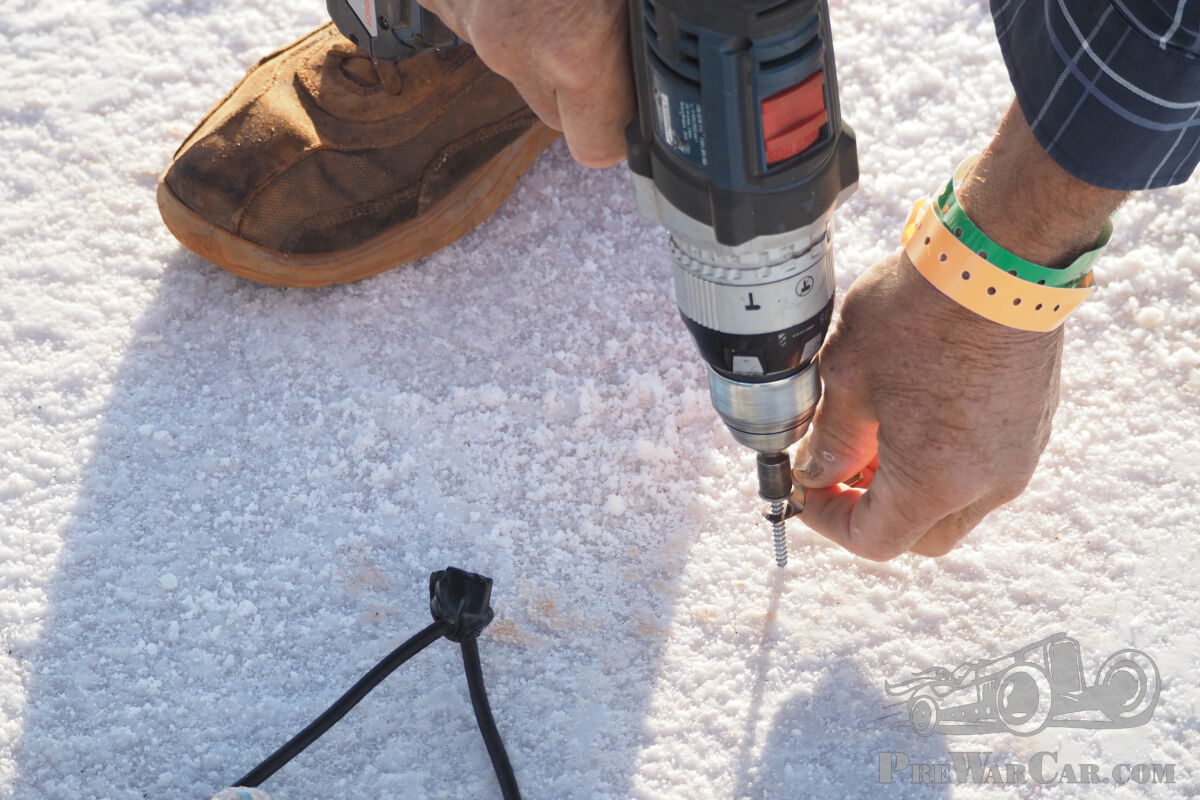
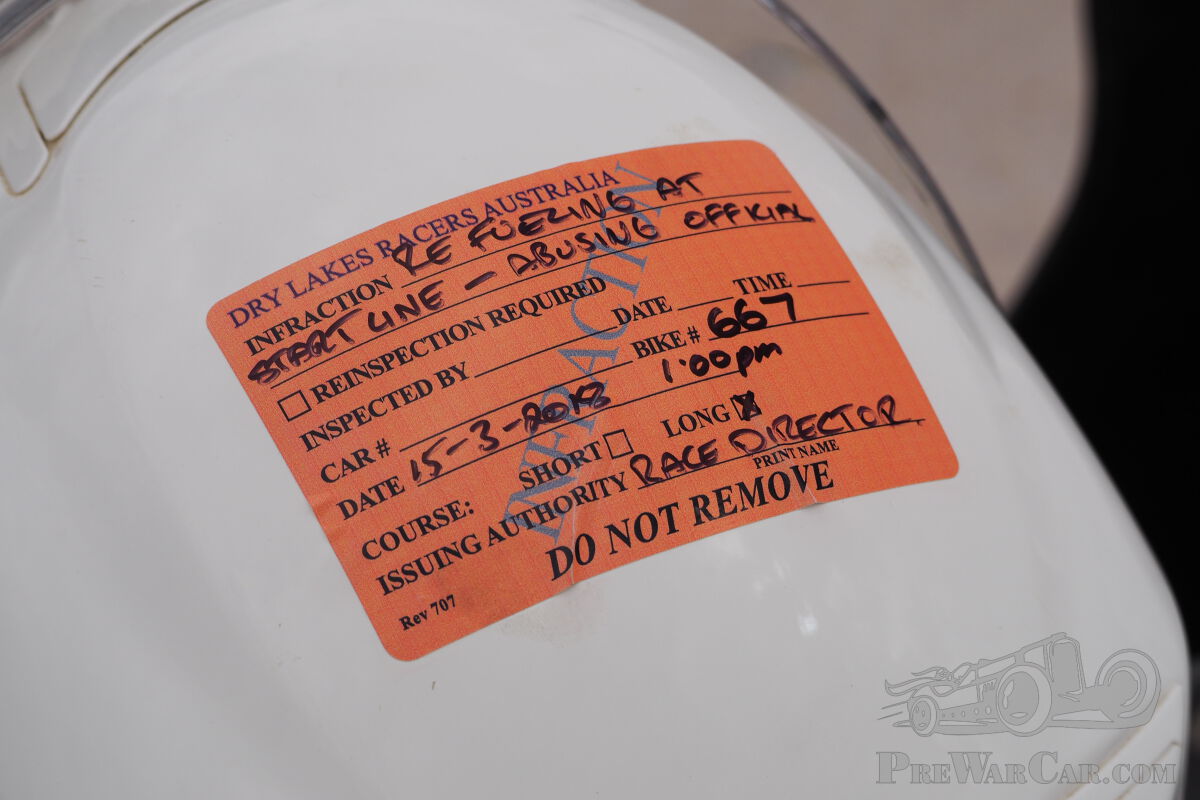
The first five days of Speed Week was the annual joust of the members of the Dry Lakes Racers Australia. Over 232 entrants and their crews occupied the Pit area out on the salt. Before entering the Lake, from which vehicles are normally prohibited, though, it is necessary to blow off the red dust from your car. Parking on the Lake must be over a tarpaulin to protect the snow-white surface. The procedure is repeated in reverse upon leaving the Lake to ensure no salt ends up on shore. The members of the DLRA are a unique bunch, their only common interest being their need for speed, (or as one T-shirt stated, a sickness for quickness!), and talking about it over a cold beer afterward. It is serious stuff though, run under the strictest safety regs, and with a concern for the fragile environment which supports these speeds which beggar belief.
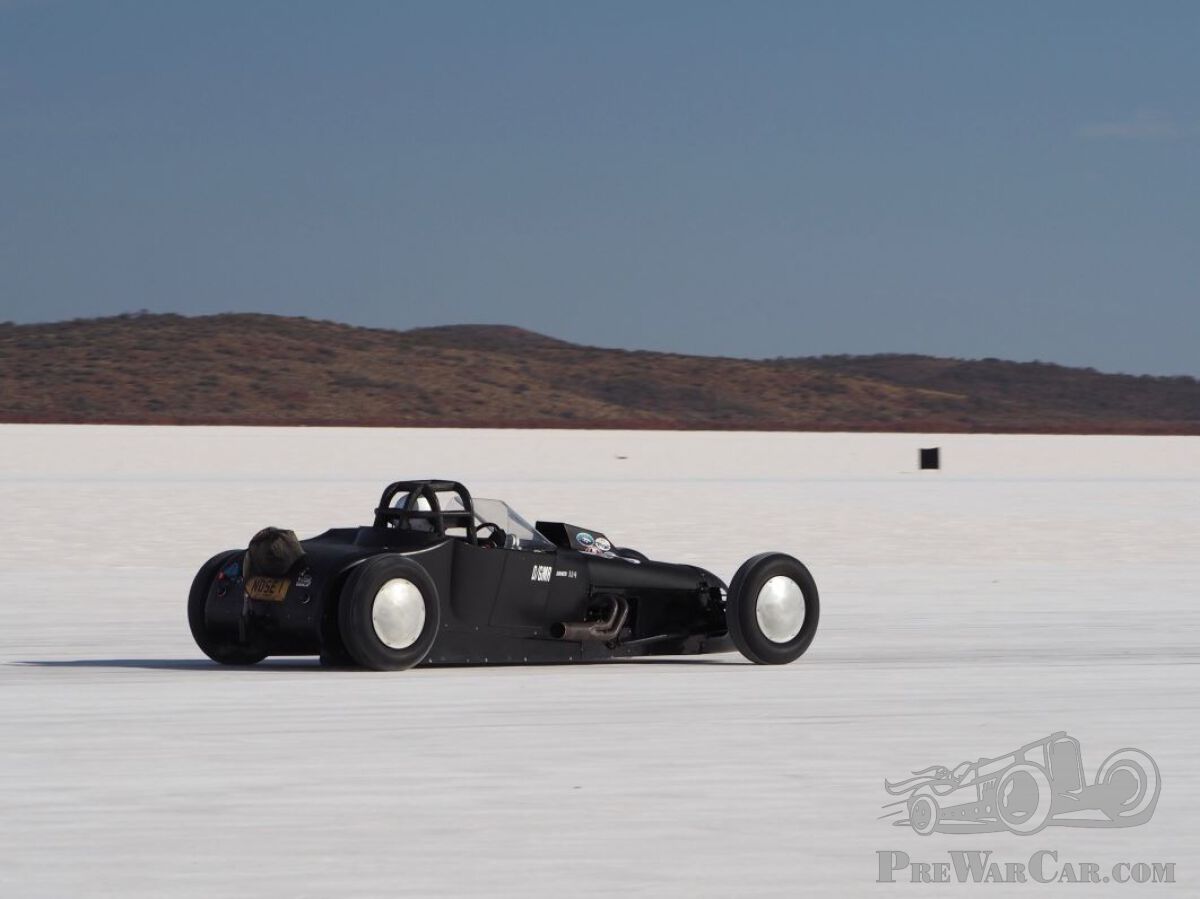
And a couple of pre-war cars were out there on the salt setting some amazing times. Foremost amongst these was the 1936 Hudson Terraplane capable of over 150 mph, though due to mechanical problems it only managed a couple of runs. No such problems for the matt black 1934 Ford Roadster the record holder in its class and capable of nearly 210 mph! Also to be seen was the 1926 Indian Altoona motorcycle, with a personal best of 147.71 mph and chasing 150 plus, along with the 1923 Anzani chasing a record time of 158.73 mph!
1936 Hudson Terraplane & 1934 Ford Roadster
Words and photographs by James Nicholls.
Note: the photoreportage also includes a couple of post-war cars and motorcycles. We show them to give you the whole story of the Speed Week.
Publié:
jeudi avril 26th, 2018
Facebook
LinkedIn
Twitter
WhatsApp
Email
Copy
Commentaires
david white
26 Avril 2018, 11:52
The Indian Altoona engine mentioned in the article was fitted to the1922 Wilkes GN hill climb car during its time in South Australia with Ian Jackson and Lloyd Nelson who sold the engine to be fitted back in the Indian motorcycle. After the record 158 mph run by the Lindsay Urquhart Anzani motorcycle the engine from the record breaker was then put in the Wilkes GN to replace the Altoona. Both the car and the relevant documentation are in my garage.
Lire la suite