Le magazine et marché mondial pour les passionnés de voitures classiques, par des passionnés.
Le magazine et marché mondial pour les passionnés de voitures classiques, par des passionnés.


Filter
Faites votre choix:
- Voir les voitures
-
Marque >>
-
Catégorie >>
- Voir les motos
- Voir les pièces et plus
-
Marque de la voiture >>
-
Constructeur >>
-
Catégorie >>
- Vélos
-
Année >>
-
Pays


La voiture de course du roi Alphonse : la Delahaye carrossée par Labourdette
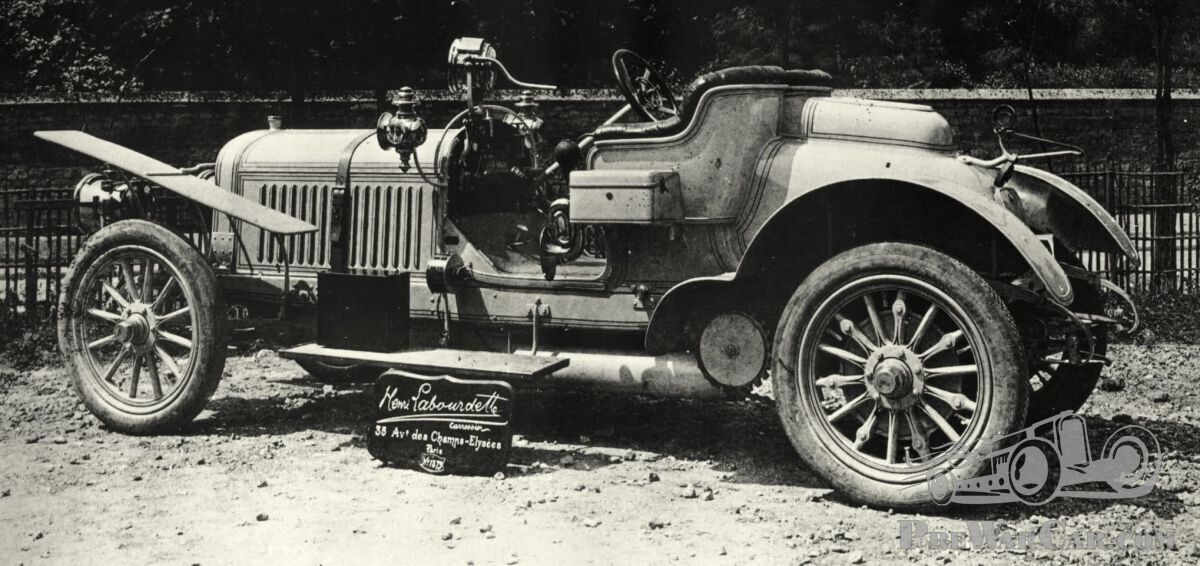
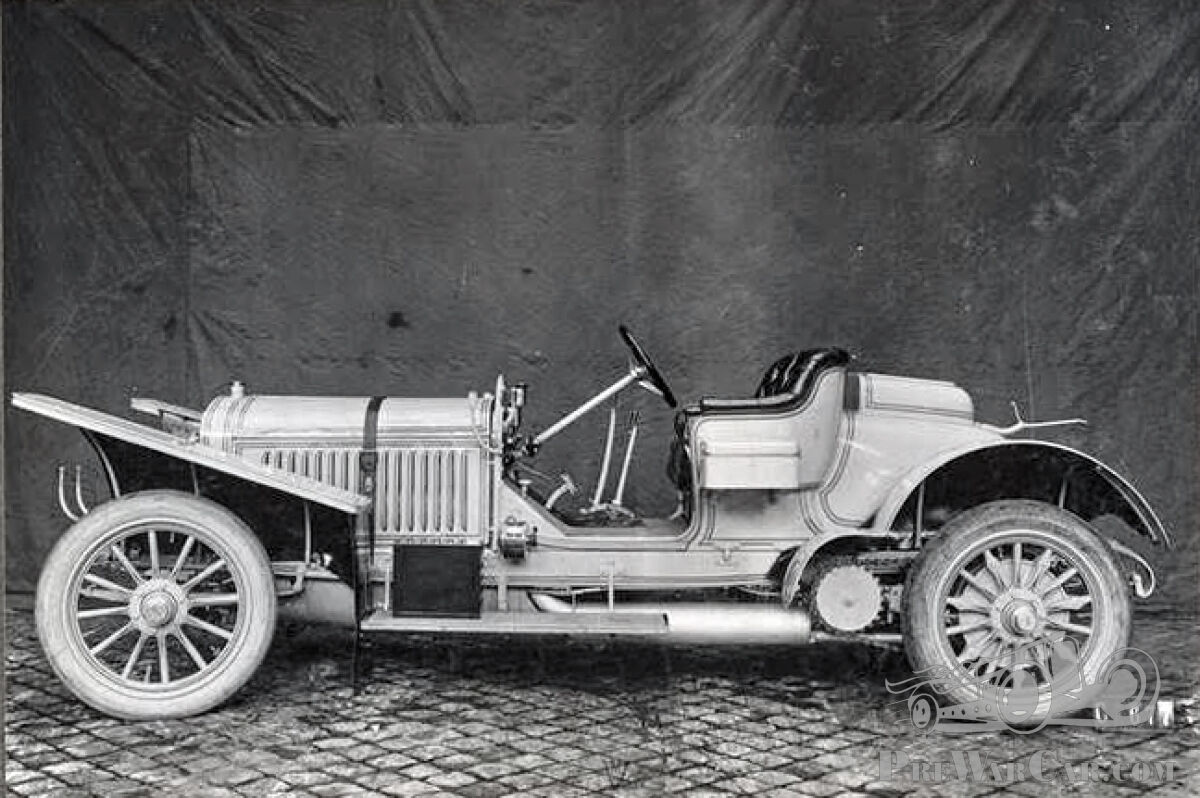
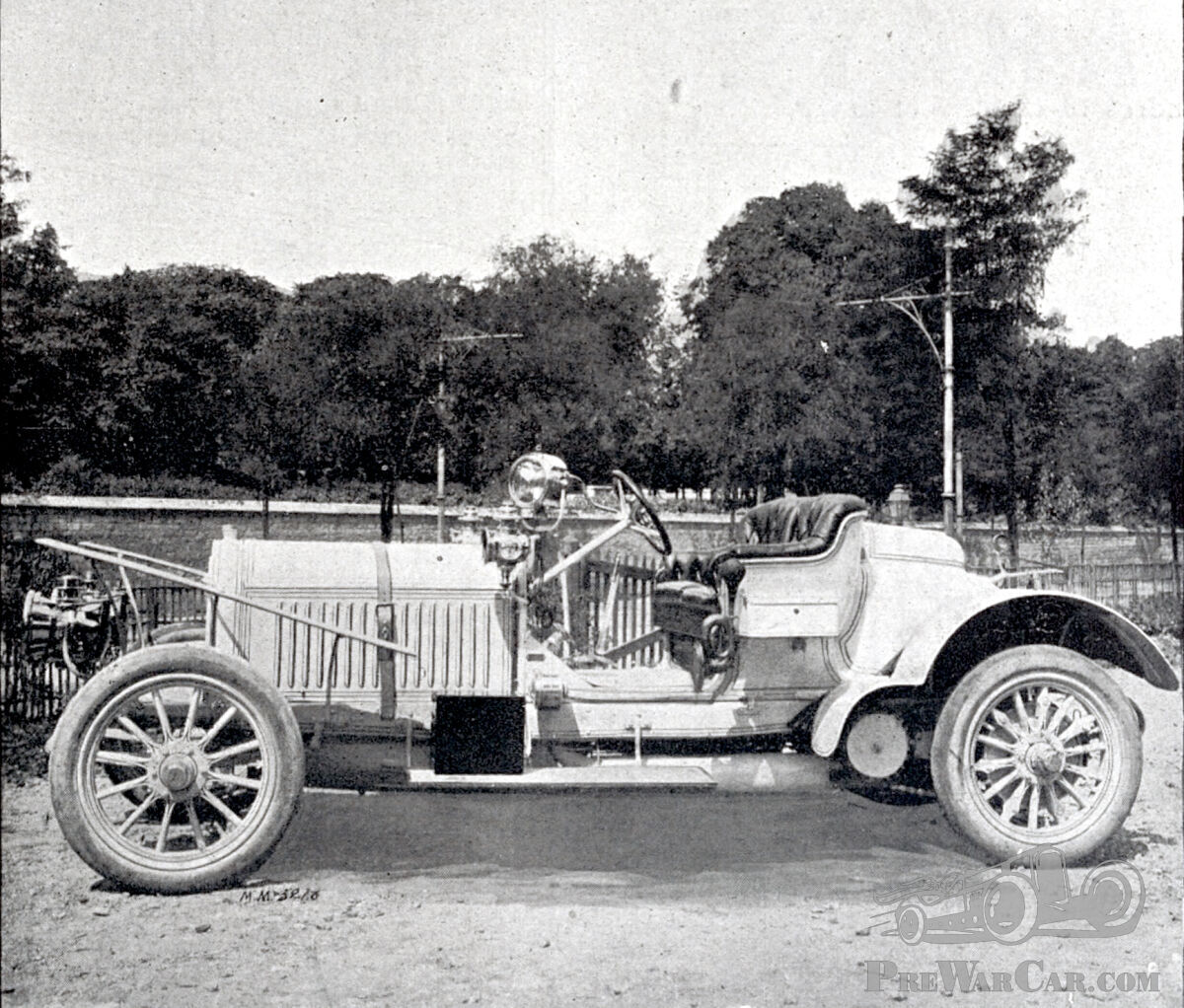


Alphonse XIII, roi d’Espagne (1886–1941), était un passionné d’automobile dans l’âme. Et il ne fait guère de doute que, comme peu d’autres, il disposait des moyens nécessaires pour assouvir pleinement sa passion. Hispano-Suiza aurait été sa marque préférée, ce qui n’a peut-être rien de surprenant compte tenu de ses origines espagnoles.
Lorsque le roi annonça en 1909 l’organisation d’une course de 226 miles près de Barcelone, Hispano-Suiza s’empressa de soutenir l’événement. L’entreprise lui offrit par la suite un exemplaire de la voiture qu’elle avait développée pour cette épreuve. Mieux encore, le modèle fut ensuite baptisé en son honneur. C’est ainsi que la Type 15T à quatre cylindres de 3,6 litres – ou 15/45 HP selon les marchés – devint l’Alfonso XIII. Elle est aujourd’hui parfois considérée comme l’une des premières véritables voitures de sport.
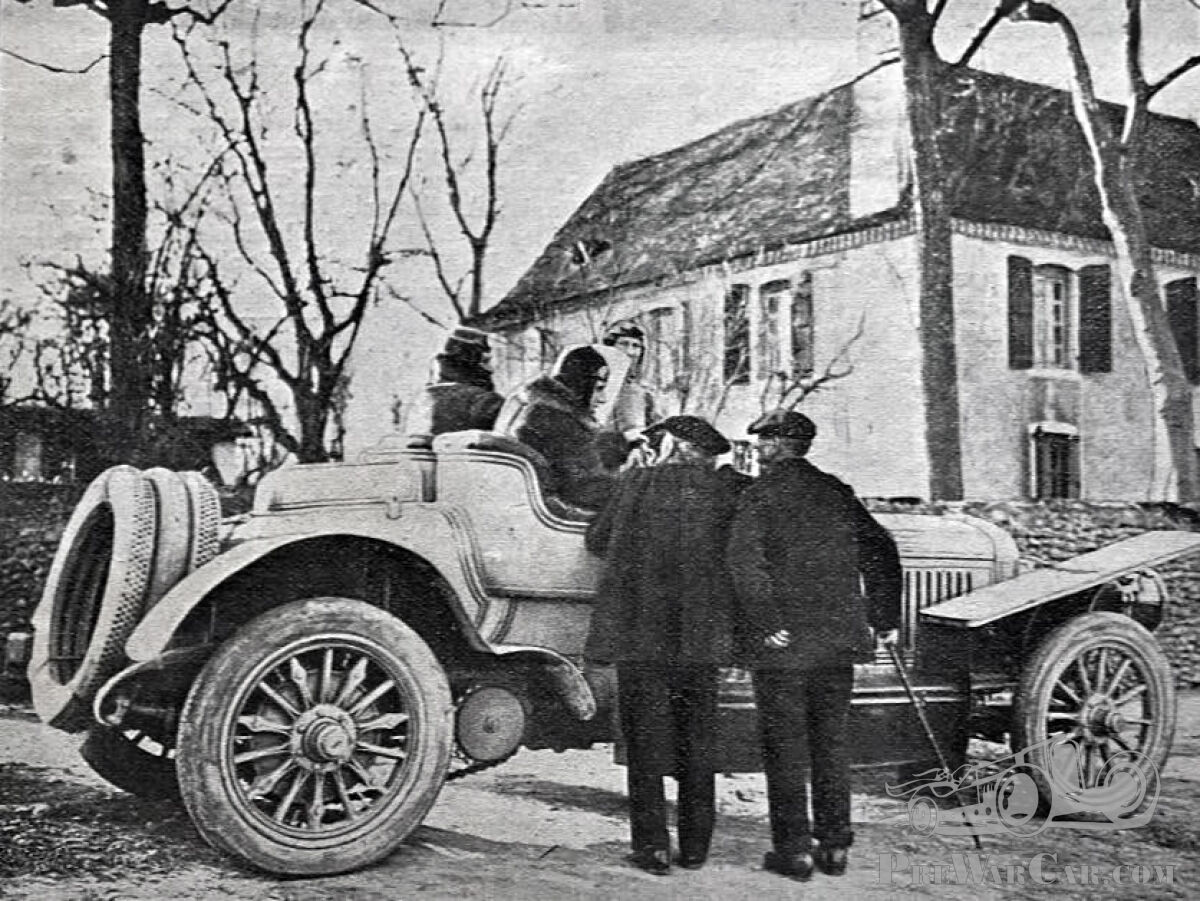
La bête à chaînes à l’allure brutale visible sur ces photographies serait-elle donc l’Hispano-Suiza de course du roi ? Malheureusement, cela ne semble pas être le cas. Il s’agirait plutôt d’une Delahaye huit litres datant de 1908, qui appartint néanmoins bel et bien à notre démon espagnol de la vitesse. Alphonse XIII était également un fervent francophile.
La carrosserie de la voiture fut longtemps attribuée à Kellner, à Paris. Cependant, la première photographie présentée ici refit surface ultérieurement, révélant clairement le nom d’un autre carrossier parisien : Henri Labourdette. Labourdette possédait des locaux sur l’avenue des Champs-Élysées, une adresse qui devait certainement séduire le souverain, fréquemment aperçu à Paris.
Curieusement, bien que plusieurs photographies de la voiture soient connues du public, très peu d’informations semblent avoir survécu au sujet de cette fascinante voiture de course. Qui pourra nous aider à combler les lacunes ?
Texte : Jeroen Booij
Photos : Jeff Randell / Hervé Landois
Publié:
vendredi août 28th, 2026
Facebook
LinkedIn
Twitter
WhatsApp
Email
Copy
Commentaires
Ariejan Bos
06 Septembre, 18:00
Ace Zenek
06 Septembre, 13:28
I can't fill in any of the gaps, but there are clearly differences between the Labourdette (photo 1) and Kellner (photo 2) photographs. In photo 1 we see the following.
1. Headlights, cowl lamps, spotlight, and a bulb horn have all been added.
2. There is a lock or round hole on the box mounted on the side of the passenger's seat.
3. There is a spring device over the spare tire carrier.
4. There is a rectangular plate, possibly the coach-builder's name, on the triangular piece in front of the passenger footwell.
5. The inner front dark stone guards/fenders of the front have been removed.
Possibly there are other differences, but these are what immediately caught my attention. Note that in photo 2 there is a small sign behind the left rear tire that may be a design number, but it is partially obscured by the PreWarCar logo.
Lire la suite
1. Headlights, cowl lamps, spotlight, and a bulb horn have all been added.
2. There is a lock or round hole on the box mounted on the side of the passenger's seat.
3. There is a spring device over the spare tire carrier.
4. There is a rectangular plate, possibly the coach-builder's name, on the triangular piece in front of the passenger footwell.
5. The inner front dark stone guards/fenders of the front have been removed.
Possibly there are other differences, but these are what immediately caught my attention. Note that in photo 2 there is a small sign behind the left rear tire that may be a design number, but it is partially obscured by the PreWarCar logo.
Ariejan Bos
30 Août, 21:13
No, there is not much information on this car. Maybe that starts with the fact that Jean-Henri Labourdette in his own book named this car a Hispano-Suiza. The second photo puts us on a wrong track also, because that is a typical Kellner photo. Many Kellner bodies were photographed n front of a
black sheet and I even have a photo with a Kellner bodied car n front of this black sheet with identical folds! It is interesting to reflect on what this implicates. Photos of Kellner bodies however were always accompanied by a Kellner sign.
The next two photos found their way to the media. The first one (the third photo) comes from an unknown source and tells in the caption that the king used this car for pigeon hunting several kilometres from his palace El Escorial in San Lorenzo, near Madrid. The second photo (the last one) is a.o. shown in The Graphic of March 6, 1909. The caption reads that King Alfonso, returning from seeing the aeroplane ascent of Wilburg Wright in Pau, asks his way to Biarritz, one of his favourite destinations. However it was also written that King Alfonso, known to be a clever and fearless driver, had some small mishaps from time to time, resulting this time in a narrow escape from being killed near Sevilla during a trip to Villamanrique “on a powerful racing Delahaye car, which he drives for preference on such journeys.”
So the question now is: did the car survive? I can’t find any photos of this car after this accident, so possibly the car had only a very short career. What a dramatic end that would be for this remarkable car!
Lire la suite
black sheet and I even have a photo with a Kellner bodied car n front of this black sheet with identical folds! It is interesting to reflect on what this implicates. Photos of Kellner bodies however were always accompanied by a Kellner sign.
The next two photos found their way to the media. The first one (the third photo) comes from an unknown source and tells in the caption that the king used this car for pigeon hunting several kilometres from his palace El Escorial in San Lorenzo, near Madrid. The second photo (the last one) is a.o. shown in The Graphic of March 6, 1909. The caption reads that King Alfonso, returning from seeing the aeroplane ascent of Wilburg Wright in Pau, asks his way to Biarritz, one of his favourite destinations. However it was also written that King Alfonso, known to be a clever and fearless driver, had some small mishaps from time to time, resulting this time in a narrow escape from being killed near Sevilla during a trip to Villamanrique “on a powerful racing Delahaye car, which he drives for preference on such journeys.”
So the question now is: did the car survive? I can’t find any photos of this car after this accident, so possibly the car had only a very short career. What a dramatic end that would be for this remarkable car!
The number on the right of the rear wheel reads C677 (all photos can be found on Coachbuild.com, which I already expected). Most if not all official photos of Kellner bodies have a similar number at the same spot. These numbers all start with a C and have the impression to be chronological. The theory I speculated on in my previous post is that it’s a photographer’s number and that by some unknown reason this photo was taken by the photographer responsible for the official Kellner photos.