Le magazine et marché mondial pour les passionnés de voitures classiques, par des passionnés.
Le magazine et marché mondial pour les passionnés de voitures classiques, par des passionnés.


Filter
Faites votre choix:
- Voir les voitures
-
Marque >>
-
Année >>
-
-
Catégorie >>
- Voir les motos
- Voir les pièces et plus
-
Marque de la voiture >>
-
Constructeur >>
-
Catégorie >>
- Vélos
-
Année >>
-
Pays



Mamod runs out of steam

News release
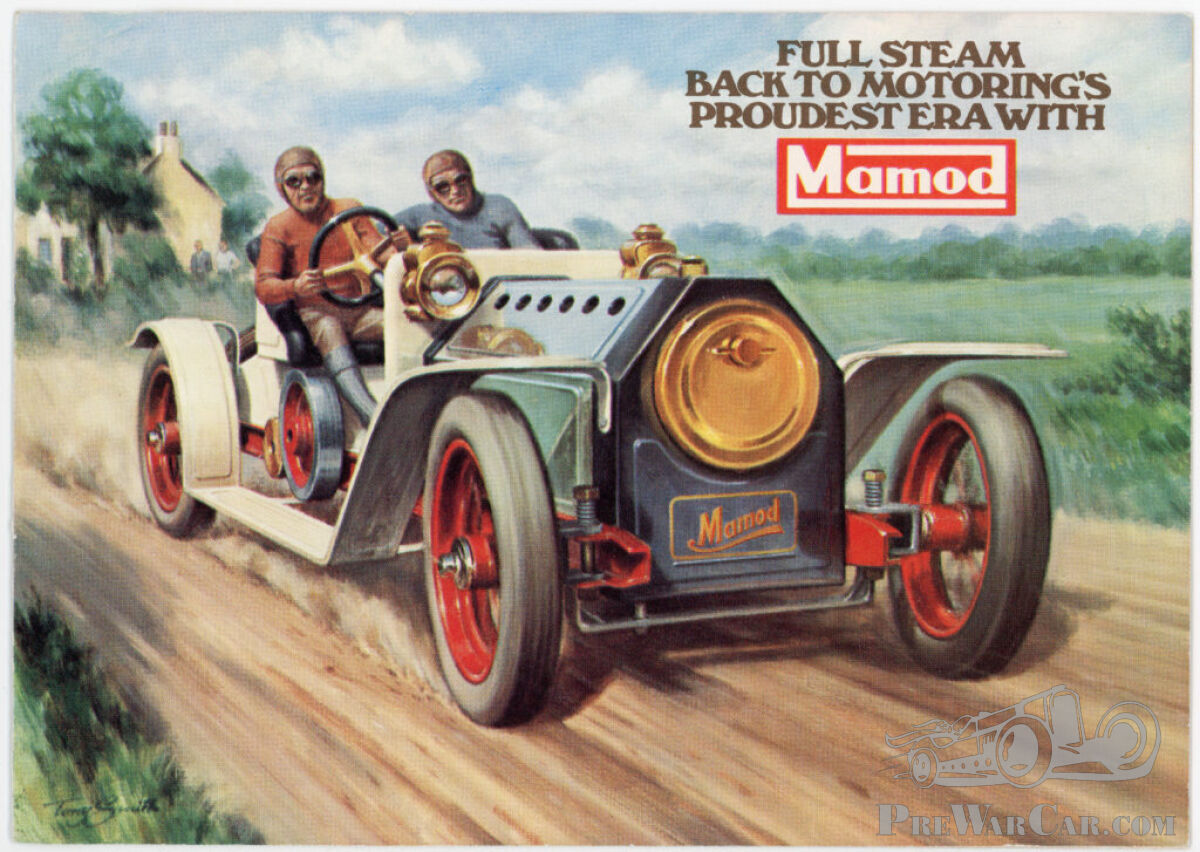
Sad news has belatedly reached the editorial desk concerning Mamod, the well-known makers of live steam toys which started by making model locomotives in 1937. Its realistic engines proved extremely popular and were later joined by traction engines and, from 1976, the SA1 Roadster, which would remain in production for many years and give rise to a range of other live steam models in the style of Edwardian cars and commercial vehicles.
Very impressively, Mamod models withstood the rise of computer games and so on to continue in production until earlier this year, when they were ultimately forced out of business following the British Government's restriction on the sale of hexamine tablets—used to fuel the engines—in an update to the Poisons Act 1972. Anyone who would wish to purchase hexamine must now pay £40 for a licence and hand over their details to a Government register. The new laws came into effect in February, 2024.
Steam magazine Old Glory has reported: "Adrian Lockrey from Tamworth purchased the company relatively recently and had done a marvellous job of building the business back up until this catastrophe happened... Adrian had spent £20,000 developing a liquid fuel alternative, but other costs got in the way making it unfeasible to carry on."
Adrian Lockrey said: "It is red tape. We were doing £50,000 a month, every month, and then come February our sales dropped 50 per cent. basically overnight. We ended up getting through to counter-terrorism in London and the woman just said, 'Well, you can't sell it.' We've been running on those hexamine tablets since 1975, before that it was methylated spirits – but then in the '70s someone burnt themselves on that so we went to this fuel tablet. It's heartbreaking. We were England's oldest and largest steam toy manufacturer.
"They said they’d done extensive consultation. They didn’t. They approached a model boat club, who said it wouldn’t affect them. And that was the model industry consulted. The company that supplies our fuel tablets—we buy 10,000 a month—wasn’t even informed."
Publié:
jeudi octobre 10th, 2024
Facebook
LinkedIn
Twitter
WhatsApp
Email
Copy
Commentaires
Tony Press
14 Octobre 2024, 23:31
And they said we were living in a 'nanny state' in Victoria. You cannot blame the European Union for this over-control—you did it all yourselves :-(
Lire la suite