Le magazine et marché mondial pour les passionnés de voitures classiques, par des passionnés.
Le magazine et marché mondial pour les passionnés de voitures classiques, par des passionnés.


Filter
Faites votre choix:
- Voir les voitures
-
Marque >>
-
Année >>
-
-
Catégorie >>
- Voir les motos
- Voir les pièces et plus
-
Marque de la voiture >>
-
Constructeur >>
-
Catégorie >>
- Vélos
-
Année >>
-
Pays



Il était une fois à Londres
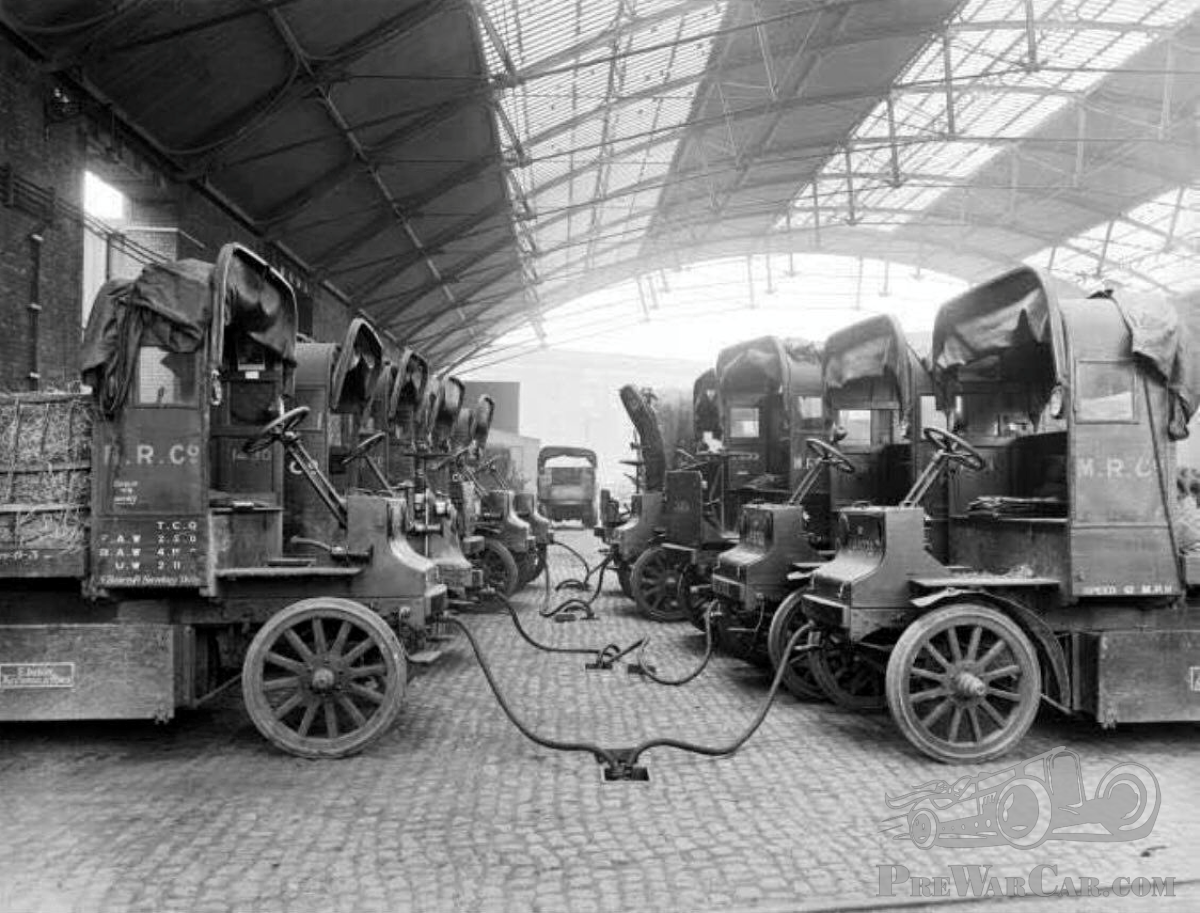


Alors que le maire de Londres, Sadiq Khan, propose une "taxe quotidienne pour l'air pur" pour les voitures à essence et diesel de la capitale, l'Evening Standard titrait récemment "Londoners buying electric cars soars as capital shifts to become green city" — De plus en plus de londoniens achètent des voitures électriques alors que la capitale se transforme pour devenir une ville verte".
Des camions sont ravitaillés en carburant à St. Pancras
Mais regardez ceci : une image que vous n'avez peut-être jamais vue auparavant ? La légende originale de celle-ci dit : "Camions en train de faire le plein au dépôt de marchandises de St. Pancras, Londres, 11 juillet 1917." Mais ceci ne doit pas être trop pris au pied de la lettre, car ces camions sont clairement en train d'être rechargés plutôt que ravitaillés. Oui, il s’agit de câbles électriques et non des conduites de carburant !
L'information ne s'arrête pas là : "Ces camions servaient pour transporter les marchandises depuis les dépôts de marchandises pour les livrer aux bureaux dans les villes. Le Midland Railway possédait une variété de véhicules routiers. À cette époque, le transport hippomobile était encore largement répandu, mais les véhicules à moteur commençaient à devenir plus courants."
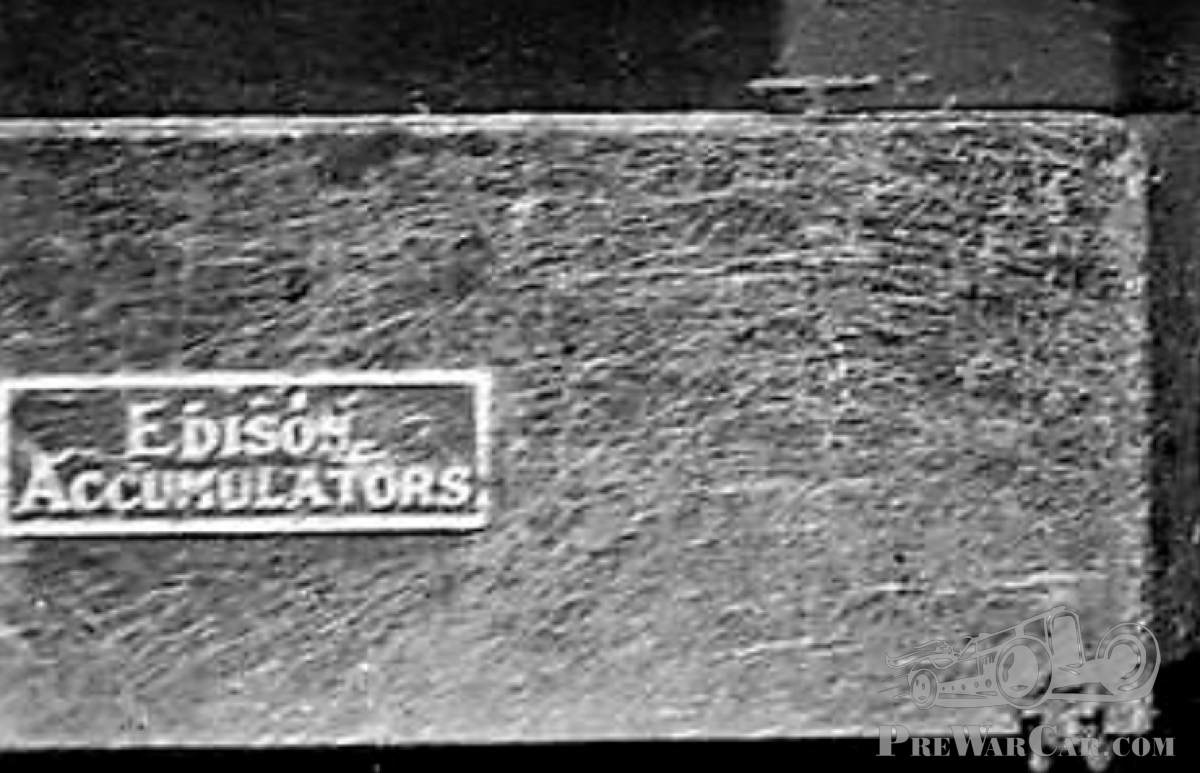
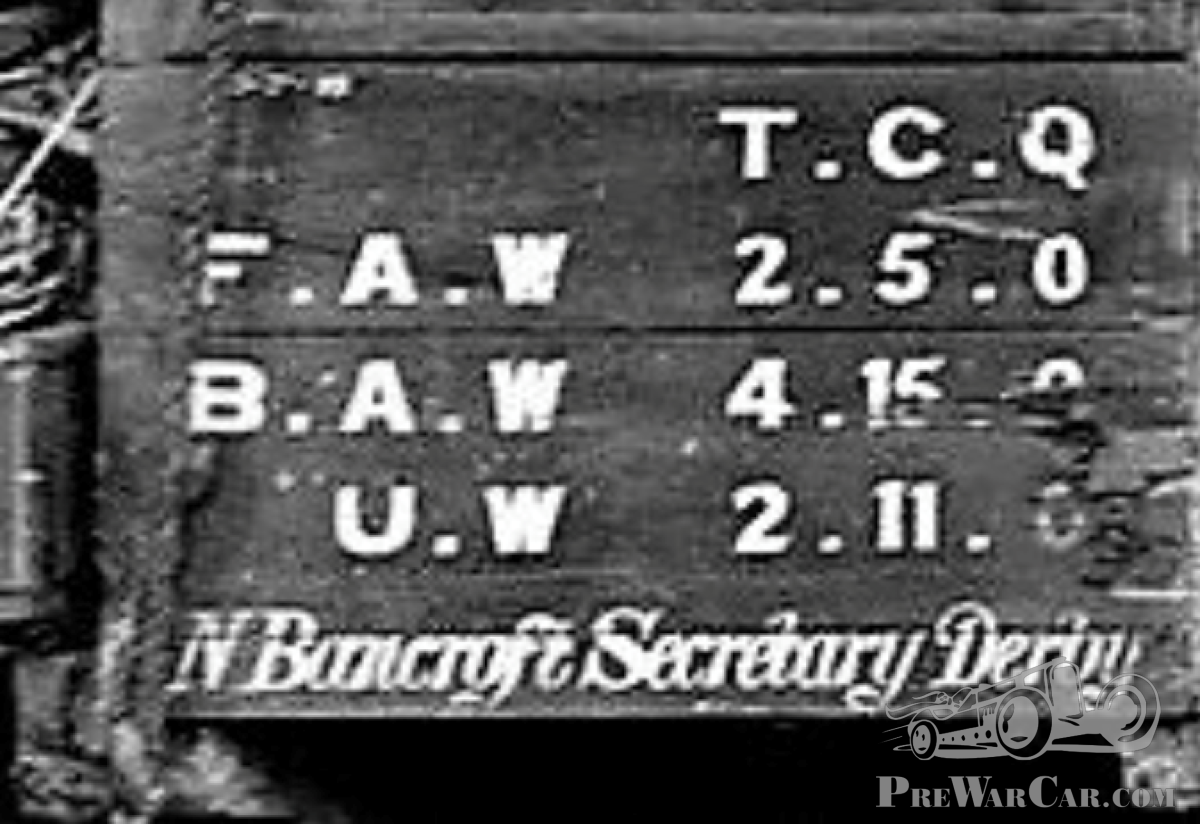
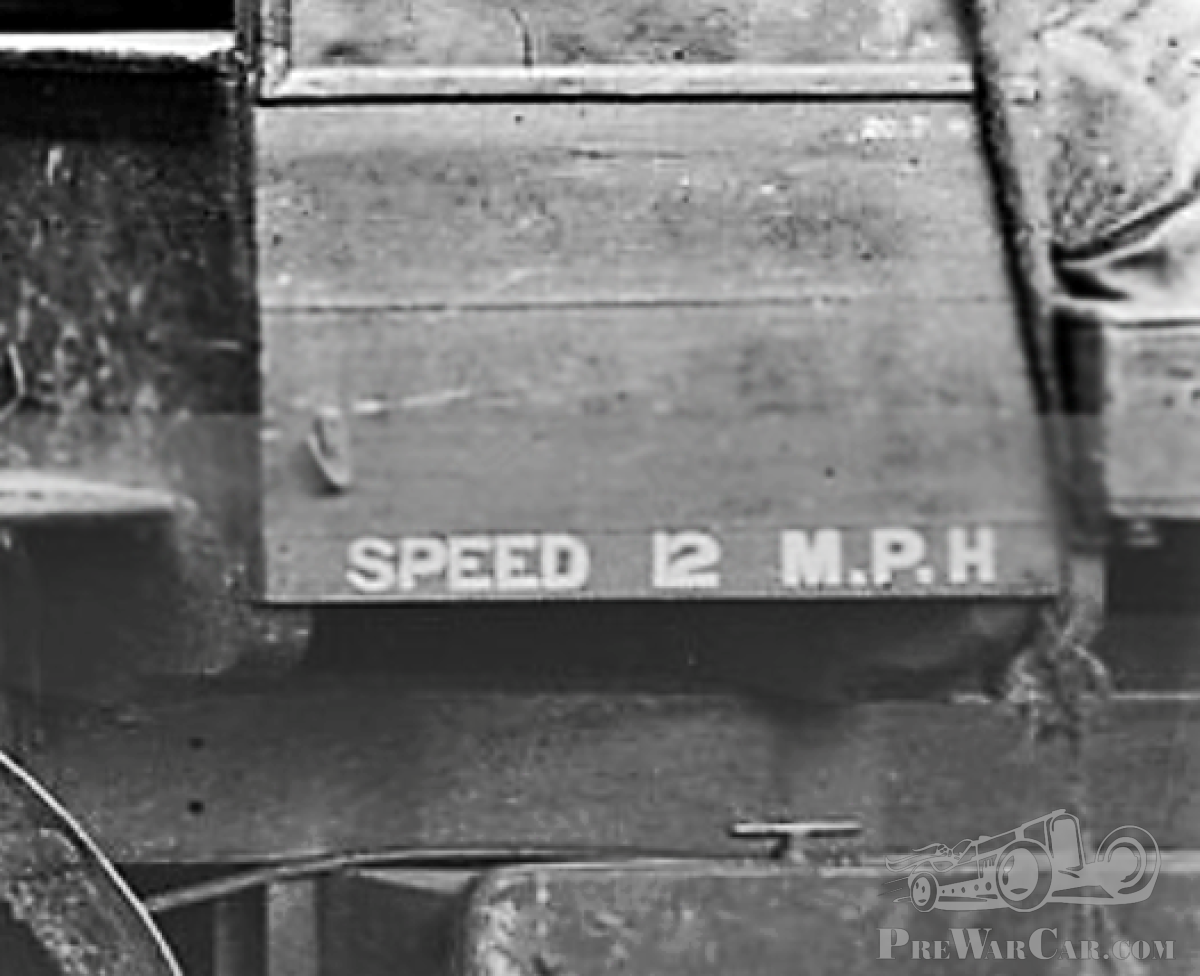
En regardant de plus près, on découvre un peu plus de détails sur les camions eux-mêmes. Celui qui se trouve à l'avant, à gauche, porte l'inscription "Accumulateurs Edison" sur son côté et un certain nombre de lettres et de chiffres que nous ne comprenons pas vraiment (et vous ?). Celui qui se trouve à l'avant à droite porte l'inscription suivante sur son corps : SPEED : 12 M.P.H. Mais sait-on quelque chose de plus sur ces véhicules ? S'agissait-il d'importations américaines ou de fabrications britanniques ? Peut-être Leyland Motors, qui proposait à l'époque des "wagons électriques à essence" ?
Article Jeroen Booij. Image Photothèque Science & Société.
Publié:
lundi janvier 24th, 2022
Facebook
LinkedIn
Twitter
WhatsApp
Email
Copy
Commentaires
David Grimstead
25 Janvier 2022, 01:46
David Scott
24 Janvier 2022, 07:51
Very simple, if you grew up in England!! T.C.Q is Tons ,Hundredweights, Quarters, a ton is obvious 2240 pounds (lbs), a hundredweight ( cwt) was 112 lbs and a quarter was 26 pounds.
The weights are, I would guess, Front Axle Weight, Rear Axle Weight and Unladen Weight, the display of the name of the Company Secretary was a legal requirement at the time, up to the 60s I would guess.
If you think this is complicated, our school exercise books had the entire rear cover as a chart of "avoirdupois", weight, volume, length and area including such gems as Rods, Poles or Perches, Chains ( still used on railways today, if you look on a structure you will find a C.I. plaque giving the number and distance from the terminus), Gills, Pints,Quarts, and Gallons ( British "long" Gallons of course ) Furlongs, etc. I would struggle to work it all out, but I always worked in engineering-oriented jobs so we went metric in 1972, so much simpler than trying to work out a seventh of 7ft11 13/16 inches in your head! Brexiteers are welcome to it!!
Lire la suite
The weights are, I would guess, Front Axle Weight, Rear Axle Weight and Unladen Weight, the display of the name of the Company Secretary was a legal requirement at the time, up to the 60s I would guess.
If you think this is complicated, our school exercise books had the entire rear cover as a chart of "avoirdupois", weight, volume, length and area including such gems as Rods, Poles or Perches, Chains ( still used on railways today, if you look on a structure you will find a C.I. plaque giving the number and distance from the terminus), Gills, Pints,Quarts, and Gallons ( British "long" Gallons of course ) Furlongs, etc. I would struggle to work it all out, but I always worked in engineering-oriented jobs so we went metric in 1972, so much simpler than trying to work out a seventh of 7ft11 13/16 inches in your head! Brexiteers are welcome to it!!
Anthony Green
24 Janvier 2022, 07:12
T.C.Q. = Tons – CWT (Hundredweight) - Quarters
F.A.W. Front Axle Weight
B.A.W. Back Axle Weight
U.W. Unladen Weight
Lire la suite
F.A.W. Front Axle Weight
B.A.W. Back Axle Weight
U.W. Unladen Weight
Michael Edwards
24 Janvier 2022, 07:05
The ‘U W’ stands for unladen weight, that is the weight of the vehicle without cargo. The ‘T, C, Q’ are abbreviations for ‘Ton’, ‘Hundredweight’ and ‘Quarter’ - standard measurements at the time. The other letters relate to the ‘Allowed’ weight of the cargo carried, and the total weight of vehicle and cargo.
Lire la suite
The first Edison commercial van was displayed by his Storage Battery Company of Great Portland-street, London in 1912. Lord Montague of Beaulieu opened new showrooms in Duke-street, London in November 1913 when he enthused about the low running cost of its commercial vehicles, citing a quarter penny per ton-mile costs using electricity at half a penny per unit. Their batteries were Nickel-Iron (“NIFE”) cells; still low power density but lighter, very rugged, long-lasting and acid-free.
At St Pancras, Midland Railway was already using American Buckwalter Electric platform trucks with Edison accumulators in April 1914, so had charging plant in place by then. Edison heavily promoted the advantages of electric town vehicles during WWI when petrol was restricted by DORA, a time when some councils were forced to purchase electric vans to replace horses commandeered by the War Office. Midland Railway was one of the larger electric vehicle users (84 in 1917, 76 in 1919) with Harrods (47 in 1915, 76 in 1917), Lyons, Liberty, Co-op, Fuller Dye and many others in London operating hundreds of electrics from half to six tonners. Not all used Edison batteries.
One very large commercial vehicle commissioned in London to use Edison accumulators was a van built by Messrs. C. Adey and Son, van builders of Vine-court, Whitechapel, for the Johnny Walker whisky company, in September 1915. It was over 18-feet long/6-feet wide/7-feet high with the Johnny Walker figure emblazoned on the sides and it had 60 cells in a box under the driver’s seat, said to give it a surely exaggerated 70 miles range. Its chassis was described as “fitted with Edison’s latest electrical machinery”, so it could all have been imported.
Edison lorries usually fitted with a 60-cell battery advertised a 12 mph/30-40 mile range. In 1915, a £695, 30 cwt “Edison-built” lorry of Edinburgh council travelled 40 miles on a full charge with a maximum speed of 11mph on the flat but made barely 5mph on hills. By 1918, a standard 3.5-ton Edison lorry fitted with 60 A10 type cells, which alone weighed 2250lbs, was capable of going no more than 35 miles. By fitting 110 cells, range went up to 60 miles at the cost of reinforced battery pack weighing 4950 lbs.