Le magazine et marché mondial pour les passionnés de voitures classiques, par des passionnés.
Le magazine et marché mondial pour les passionnés de voitures classiques, par des passionnés.


Filter
Faites votre choix:
- Voir les voitures
-
Marque >>
-
Année >>
-
-
Catégorie >>
- Voir les motos
- Voir les pièces et plus
-
Marque de la voiture >>
-
Constructeur >>
-
Catégorie >>
- Vélos
-
Année >>
-
Pays



Dans une décharge près de chez vous
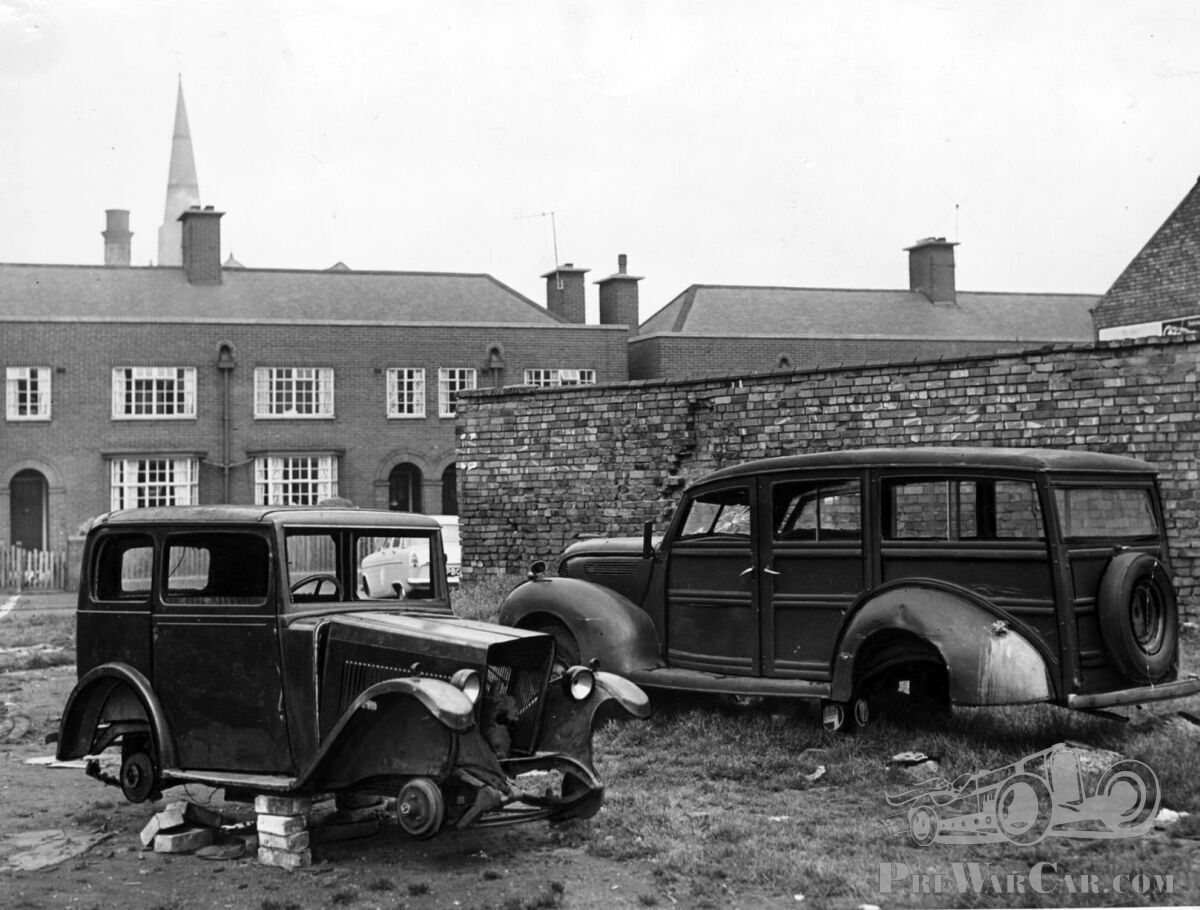
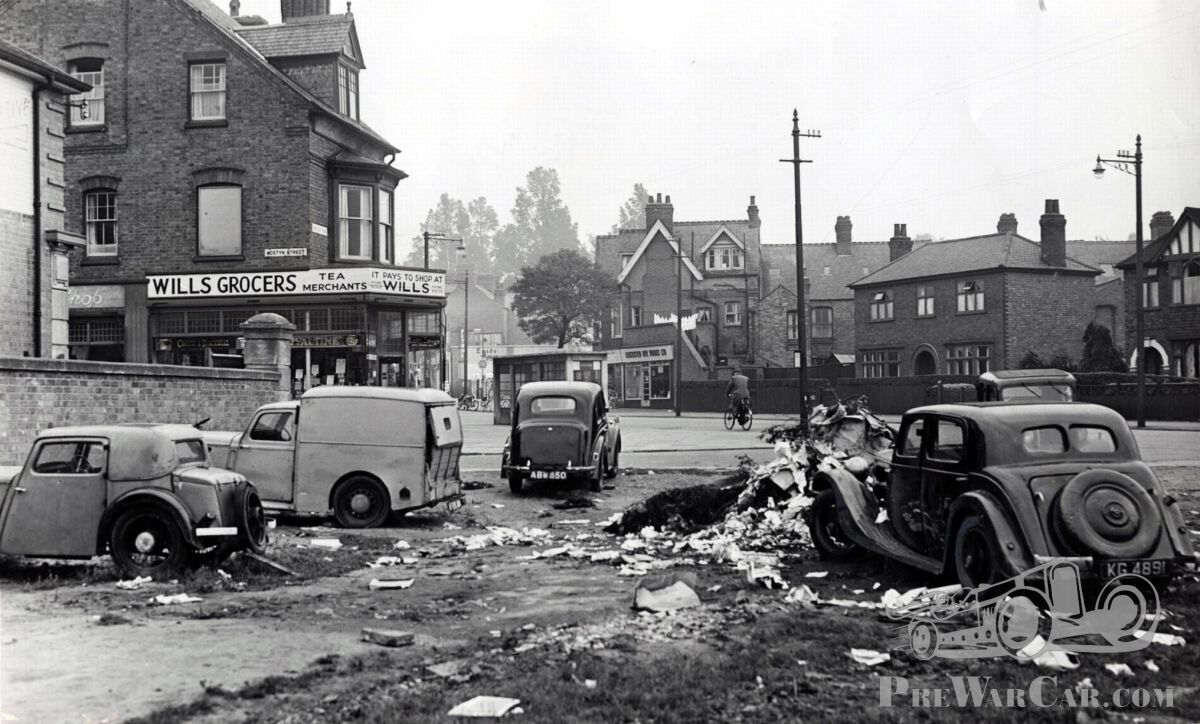


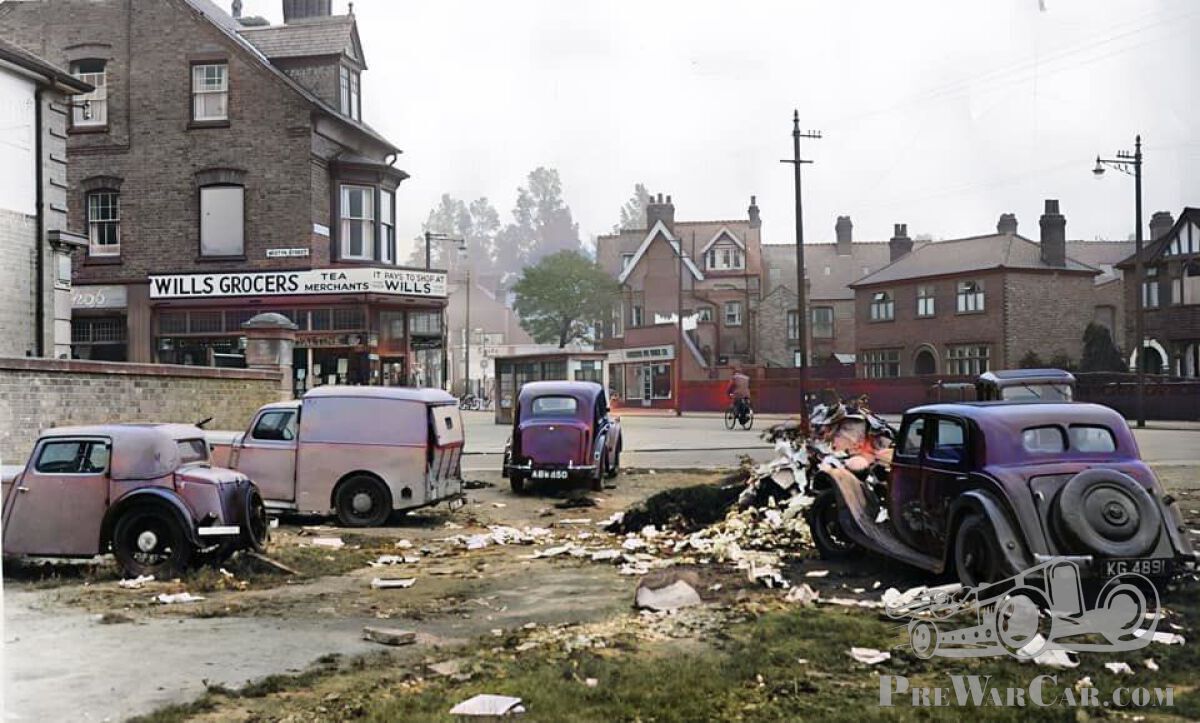
Leicester, 1956. La première photo montre une section de Hinckley Road à partir de l'angle de Mostyn Street, et la seconde montre Upper George Street. Bien que certains bâtiments subsistent, les choses semblent avoir changé en mieux aujourd'hui. Les deux photographies ont été prises le même jour d'octobre, probablement pour illustrer un article de journal sur les déchets et les vieilles voitures jetés dans les rues, car c'est ce que ces deux clichés ont en commun.
Nous savons que le test MOT a été introduit quatre ans plus tard, en 1960, ce qui aurait encouragé la mise au rebut de "pièges mortels" qui ne passeraient jamais le test. Apparemment, il n'était pas inhabituel de se débarrasser de vieilles voitures avant l'introduction du contrôle technique!
Certaines de ces voitures sont intéressantes. Les deux immatriculations visibles (ABW 850, que nous pensons être une Morris, et KG 4891, qui est peut-être une MG) ne sont plus connues du système DVLA, mais que voit-on d'autre? Qu'est-ce que le coupé de gauche? Cette grosse cylindrée n'est pas sans rappeler la Ford V8 "EXY 3" qui figurait autrefois dans la collection "Oily Rag" de The Automobile. Mais qu'est-ce que c'est que ça?
Paroles: Jeroen Booij; photos: Archives du Leicester Mercury
Publié:
mercredi août 9th, 2023
Facebook
LinkedIn
Twitter
WhatsApp
Email
Copy
Commentaires


John Elema
14 Août 2023, 20:32
John Gunnell's 'Standard Catalog of Ford' says differently.
Lire la suite
Les Six Troenes
09 Août 2023, 15:09
In the main picture they used a Castrol oil can instead of bricks under the big woody.
A high-quality oil can, I say...
Lire la suite
A high-quality oil can, I say...


Nick Simpson
09 Août 2023, 11:52
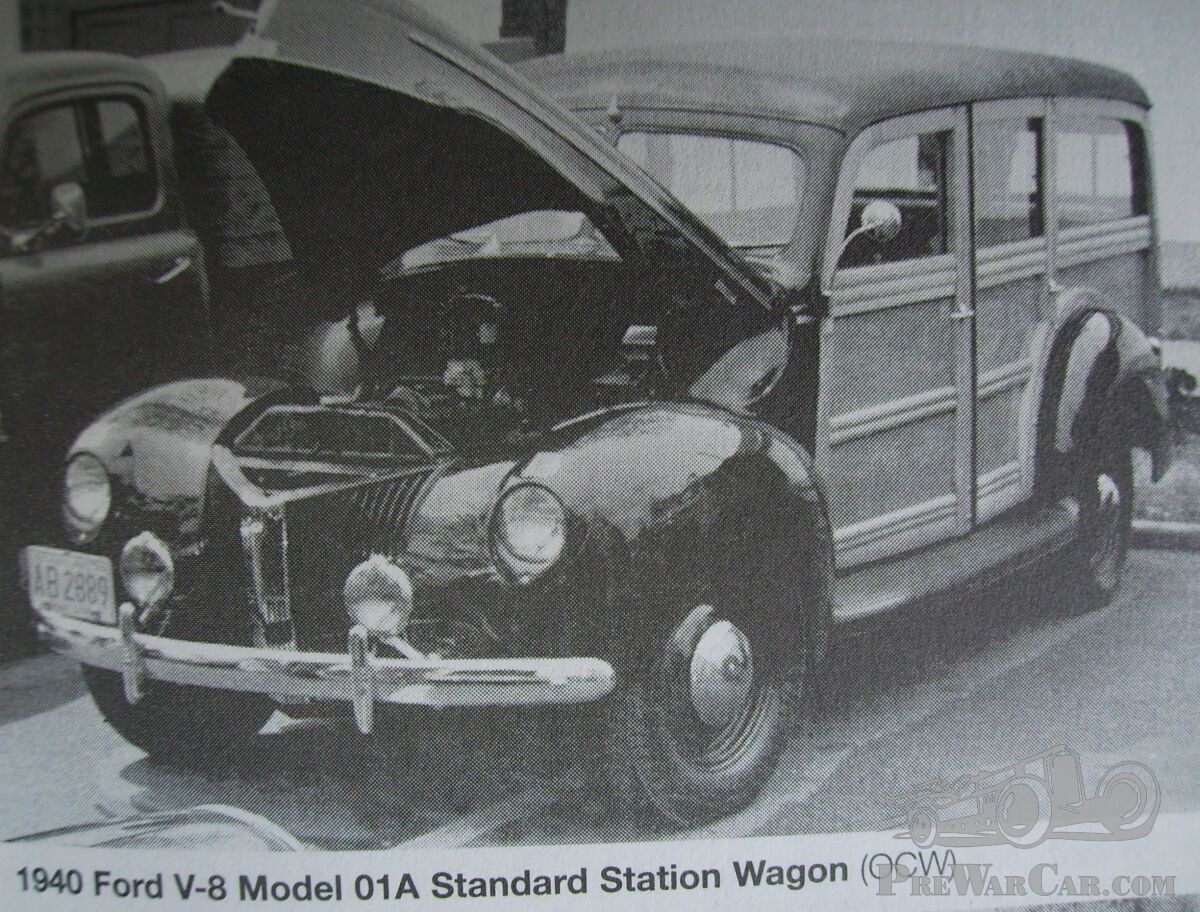
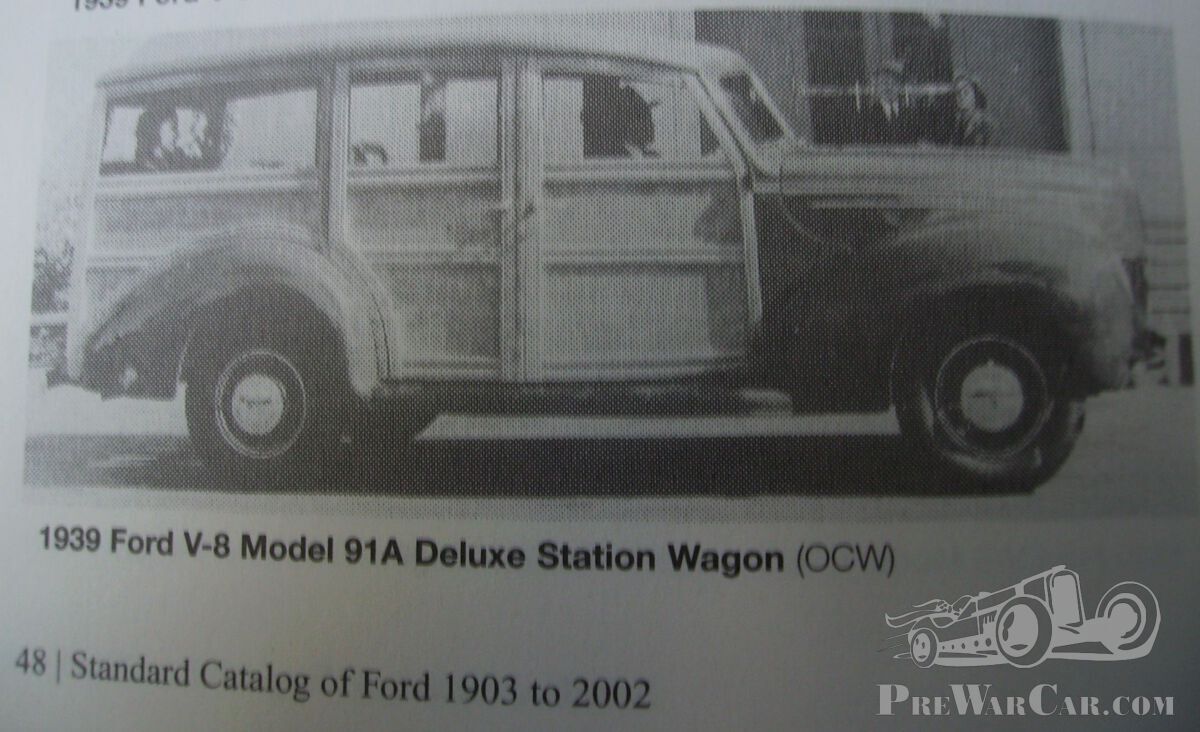
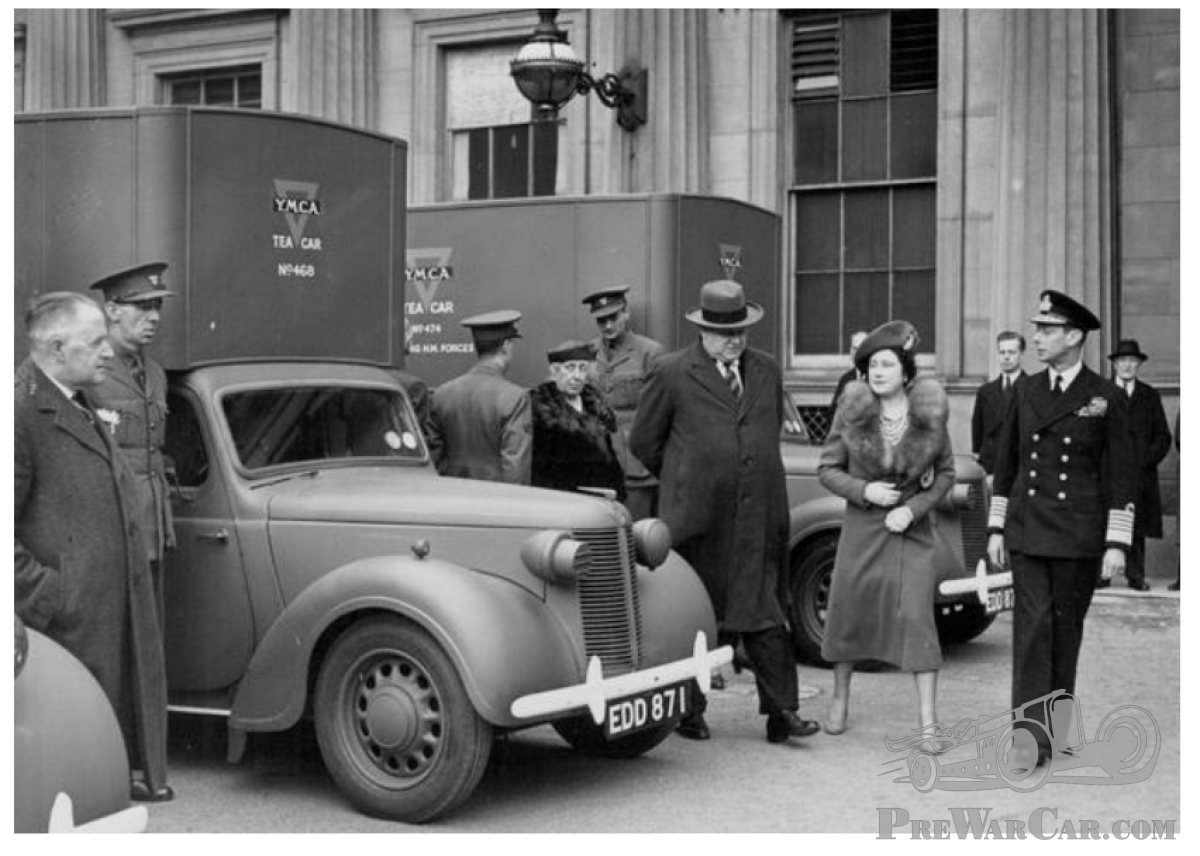
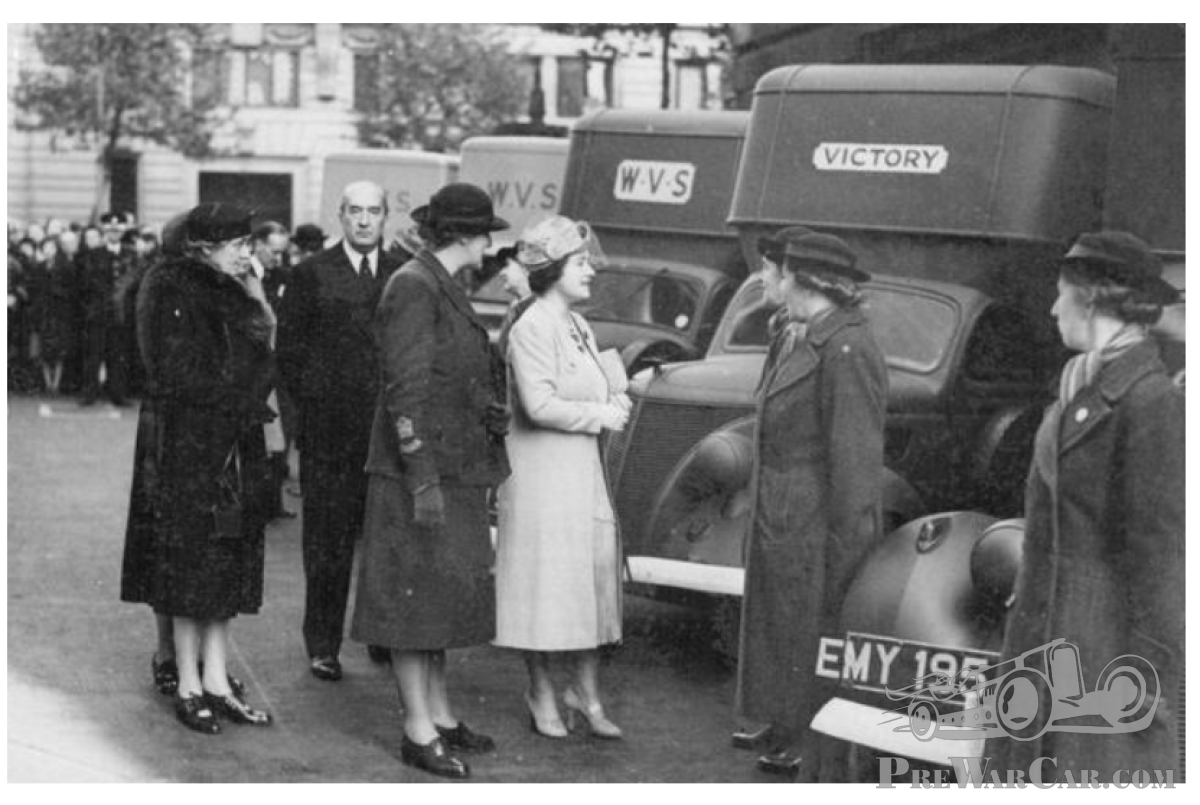
That was a familiar sight in some British suburban areas, a hang-over from the World War II austerity period. It is possible that the Ford had been donated to be converted to a canteen vehicle during World War II. American vehicles were larger and stronger for this purpose as they were better able to reach newly bombed residential areas to supply food and drinks to distressed civilians and rescue workers. Some people donated vehicles to the war effort for this purpose and they were often manned by ladies from the Women's Royal Voluntary Service.
After the war the Ford would have been returned to its original owner and it looks like a British woody body had been fitted to replace the canteen body. The woody was a popular utility body option with tax benefits in the UK in the 1950s.
Two internet images attached.
Nick Simpson
Lire la suite
After the war the Ford would have been returned to its original owner and it looks like a British woody body had been fitted to replace the canteen body. The woody was a popular utility body option with tax benefits in the UK in the 1950s.
Two internet images attached.
Nick Simpson
Mike Costigan
09 Août 2023, 09:11
KG 4891 is a Triumph - probably a Gloria but maybe a Dolomite. The coupé on the left looks like it's a special-bodied Standard Nine, the van behind it is a Commer/Hillman (ex-WD Tilly?). In the other photo the small saloon is a side-valve Morris Minor.
Lire la suite
Gerhard Riek
09 Août 2023, 08:55
Both images are discussed on Facebook under "Memories of Leicester".
The coupé on the left should be a Standard Swallow SS2.
KG 4891 is described as a Triumph Gloria.
The small van could be a Hillman Light Utility Vehicle (Tilly).
Lire la suite
The coupé on the left should be a Standard Swallow SS2.
KG 4891 is described as a Triumph Gloria.
The small van could be a Hillman Light Utility Vehicle (Tilly).
Larry Lewis
09 Août 2023, 03:59
Also, from the shape of the bonnet, it's either a 1938 or '39.
Lire la suite
Larry Lewis
09 Août 2023, 03:55
That "Ford" is interesting. No American-made Ford station wagon of that era had "suicide" back doors. I'm not saying that it's not a Ford, but who built the body?
Lire la suite