Le magazine et marché mondial pour les passionnés de voitures classiques, par des passionnés.
Le magazine et marché mondial pour les passionnés de voitures classiques, par des passionnés.


Filter
Faites votre choix:
- Voir les voitures
-
Marque >>
-
Année >>
-
-
Catégorie >>
- Voir les motos
- Voir les pièces et plus
-
Marque de la voiture >>
-
Constructeur >>
-
Catégorie >>
- Vélos
-
Année >>
-
Pays



Pre-war of the week: an 1894 Peugeot on HotTube ignition. How to start and run this piece of history?

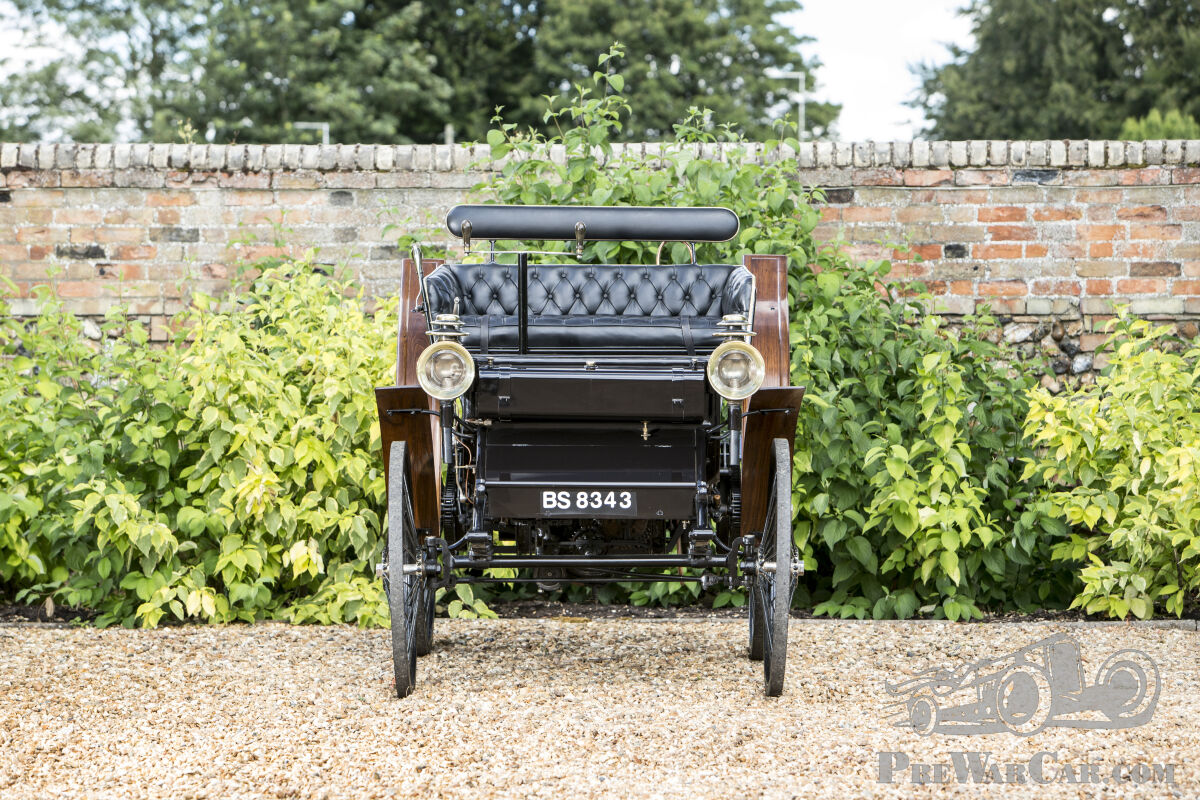
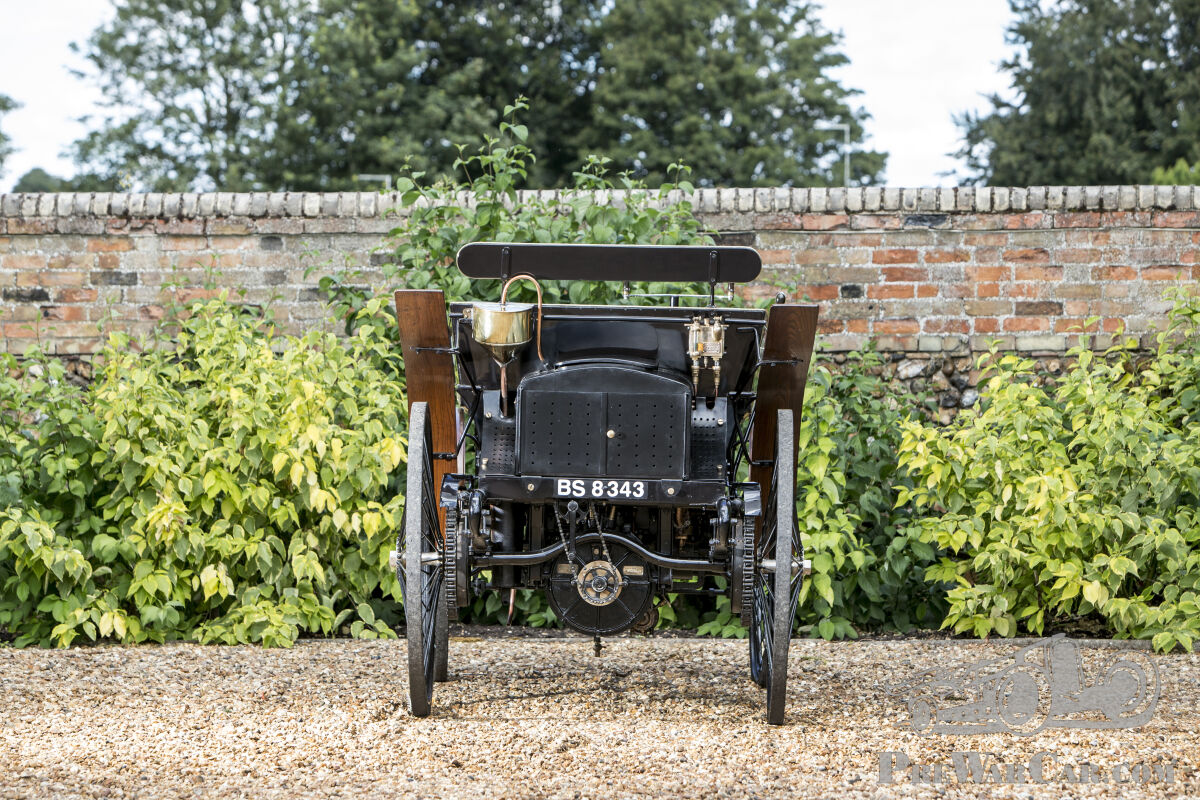
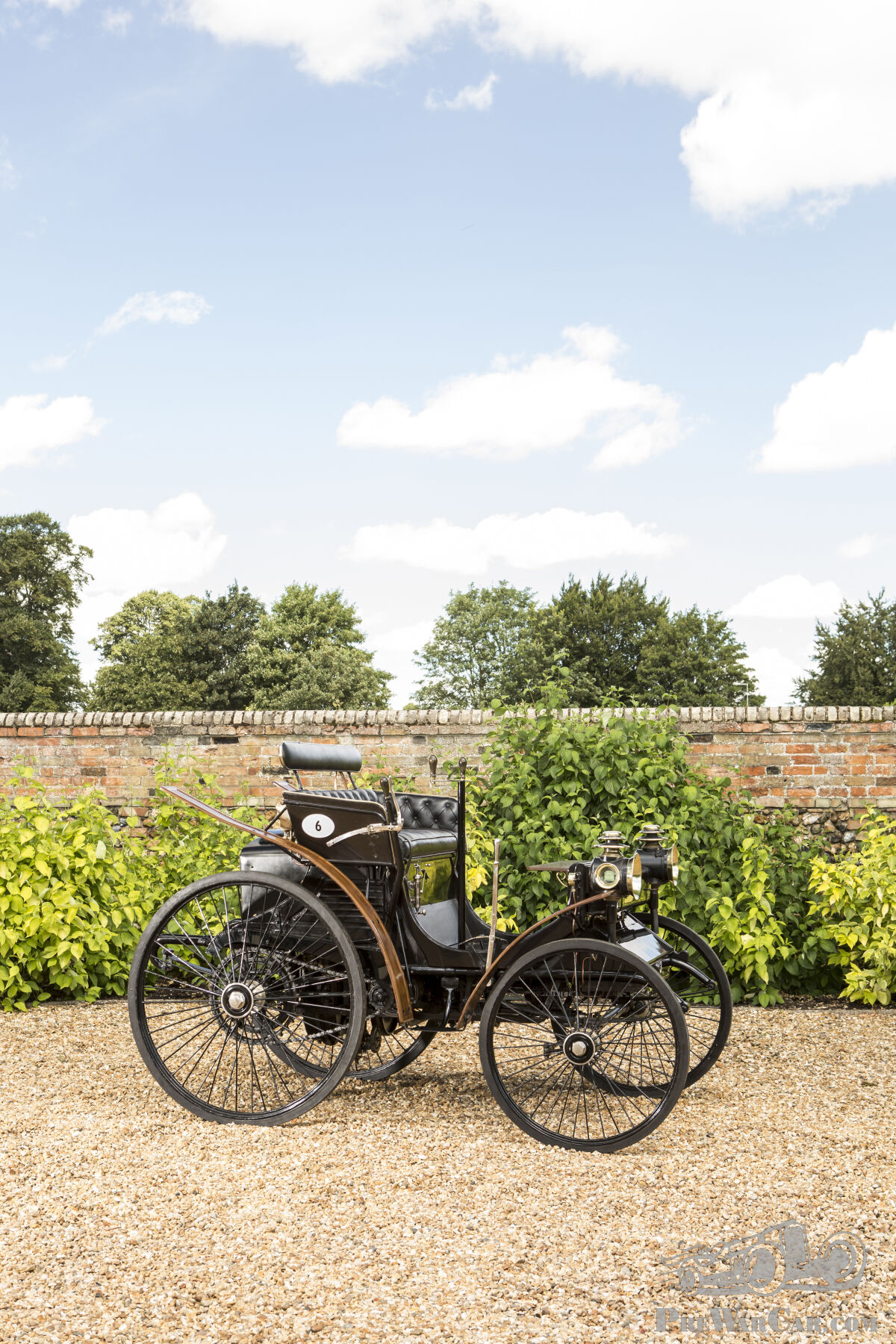
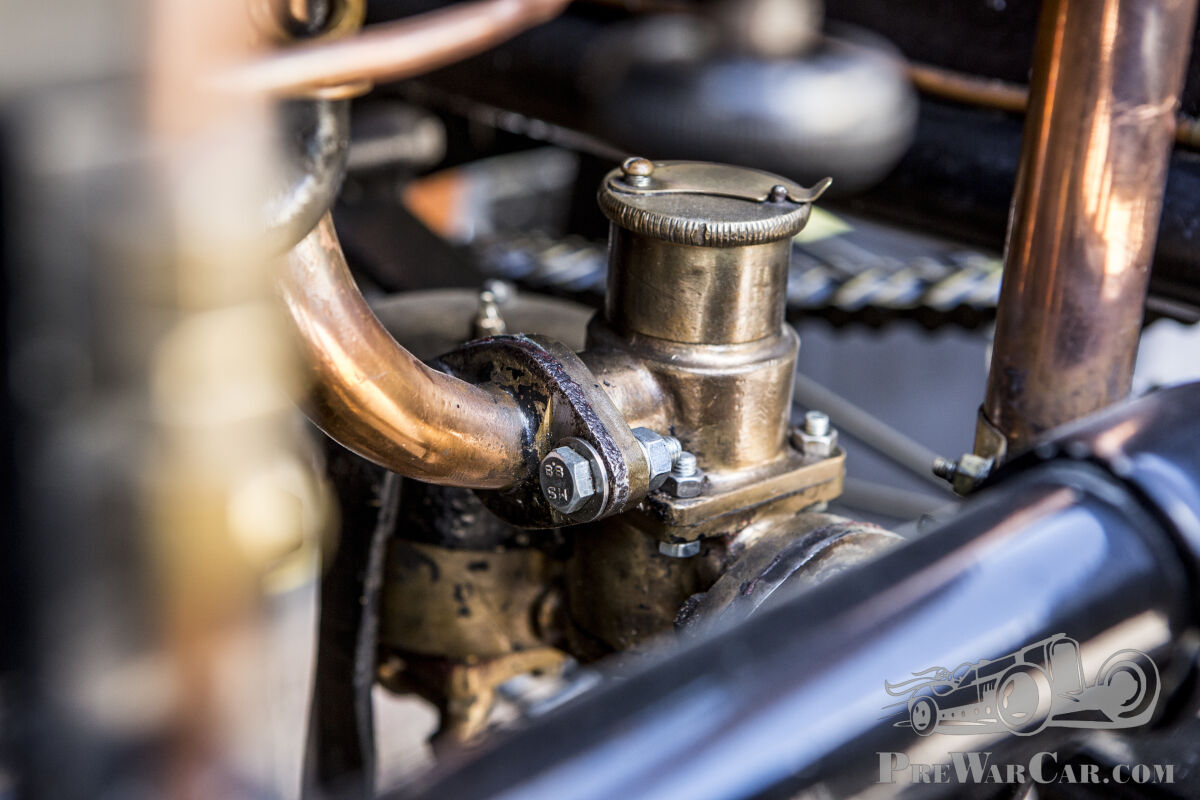

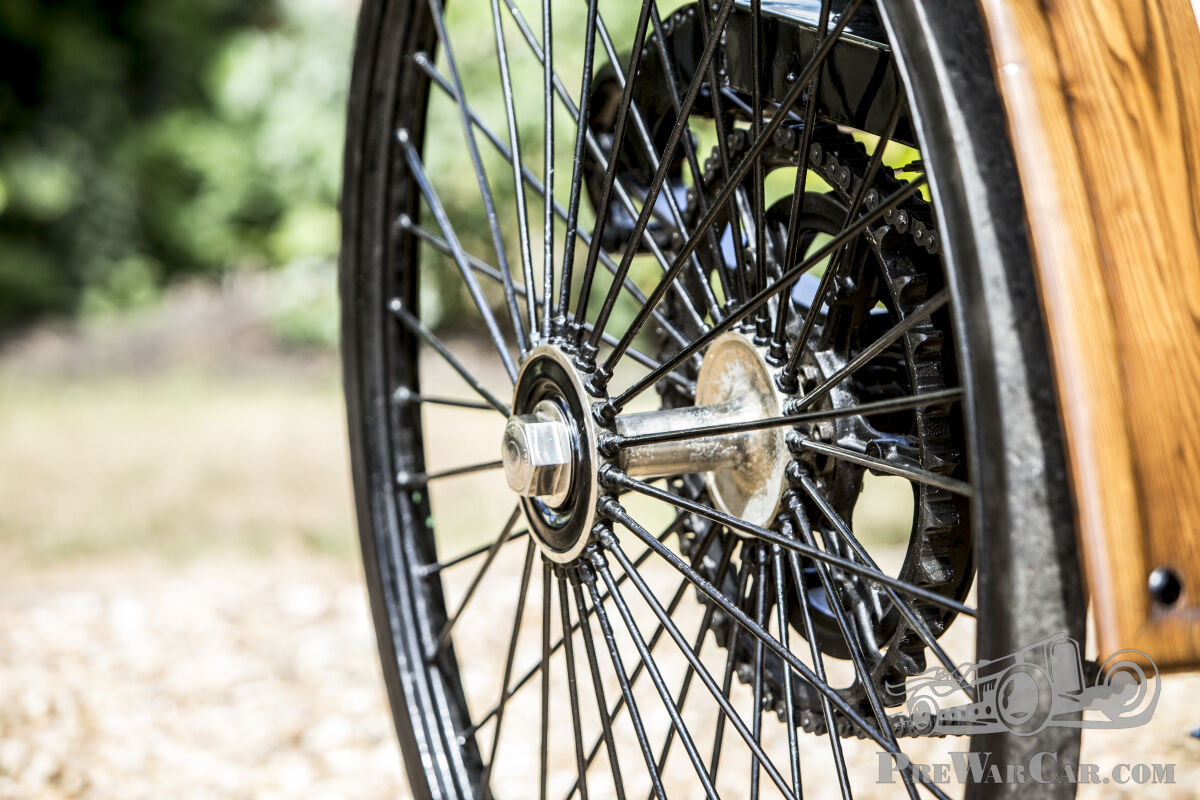
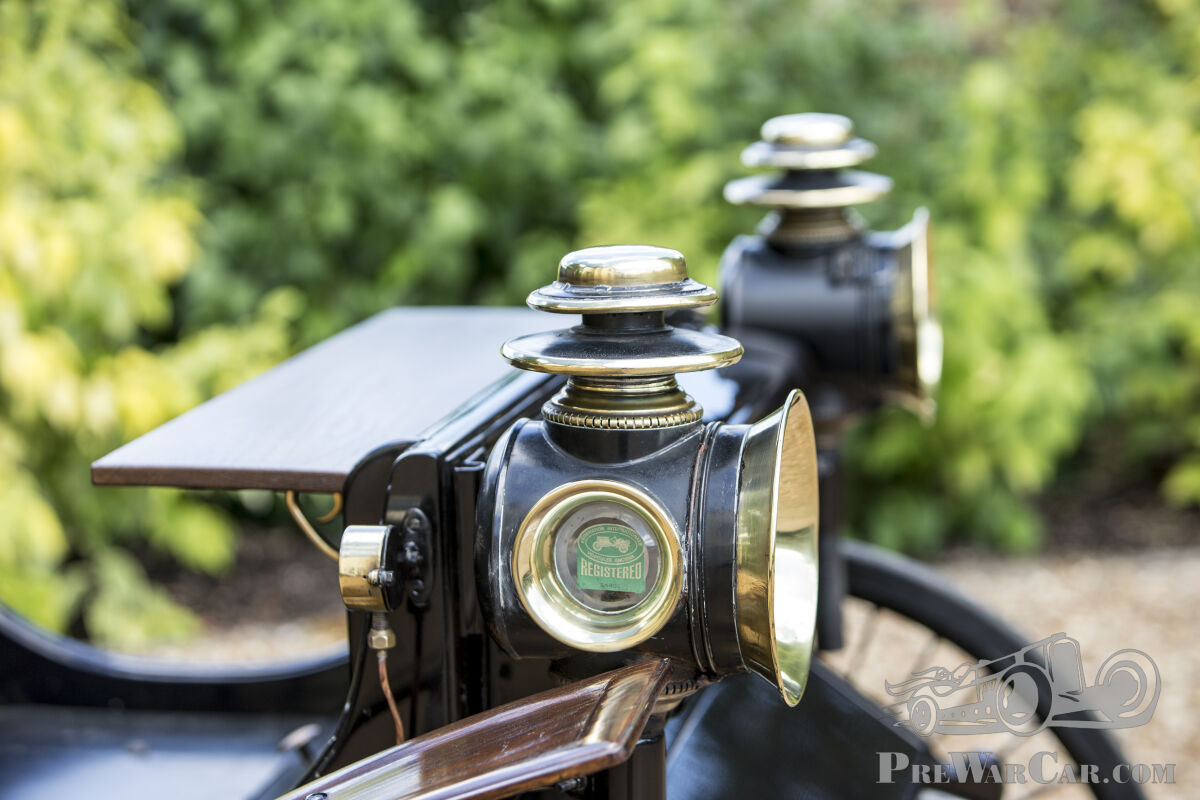
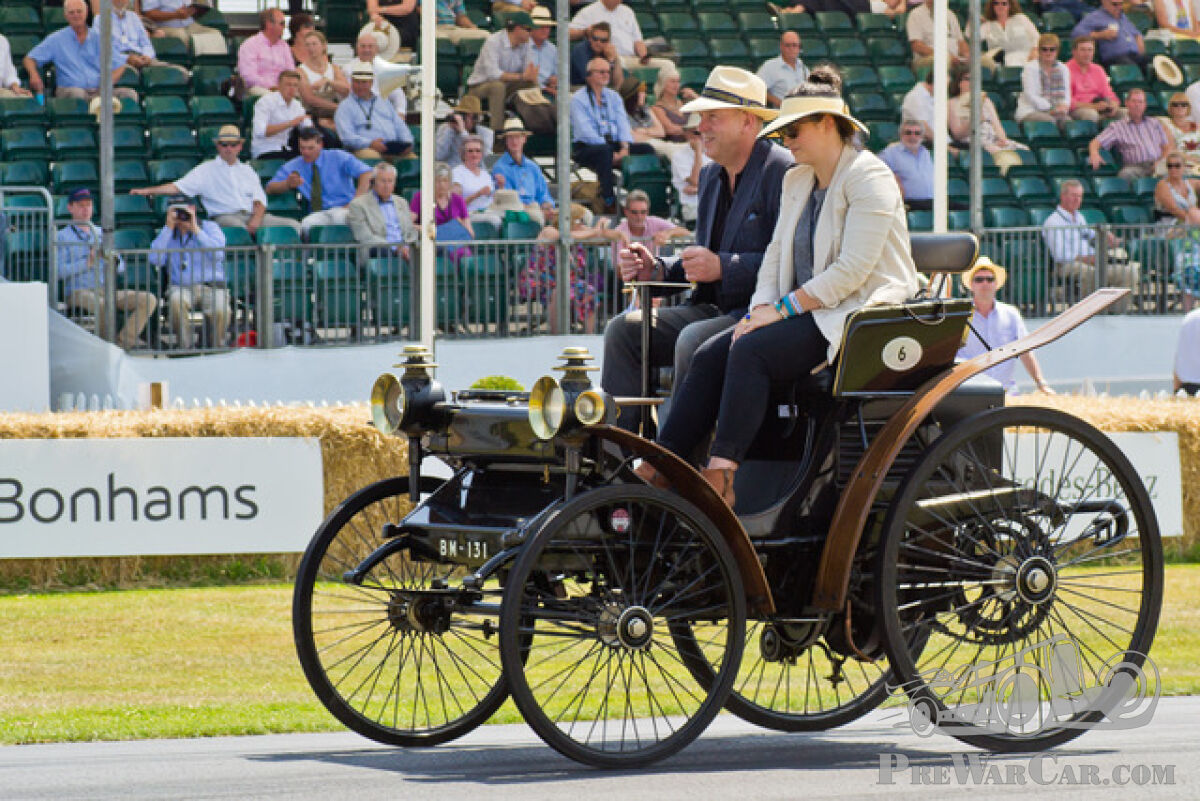
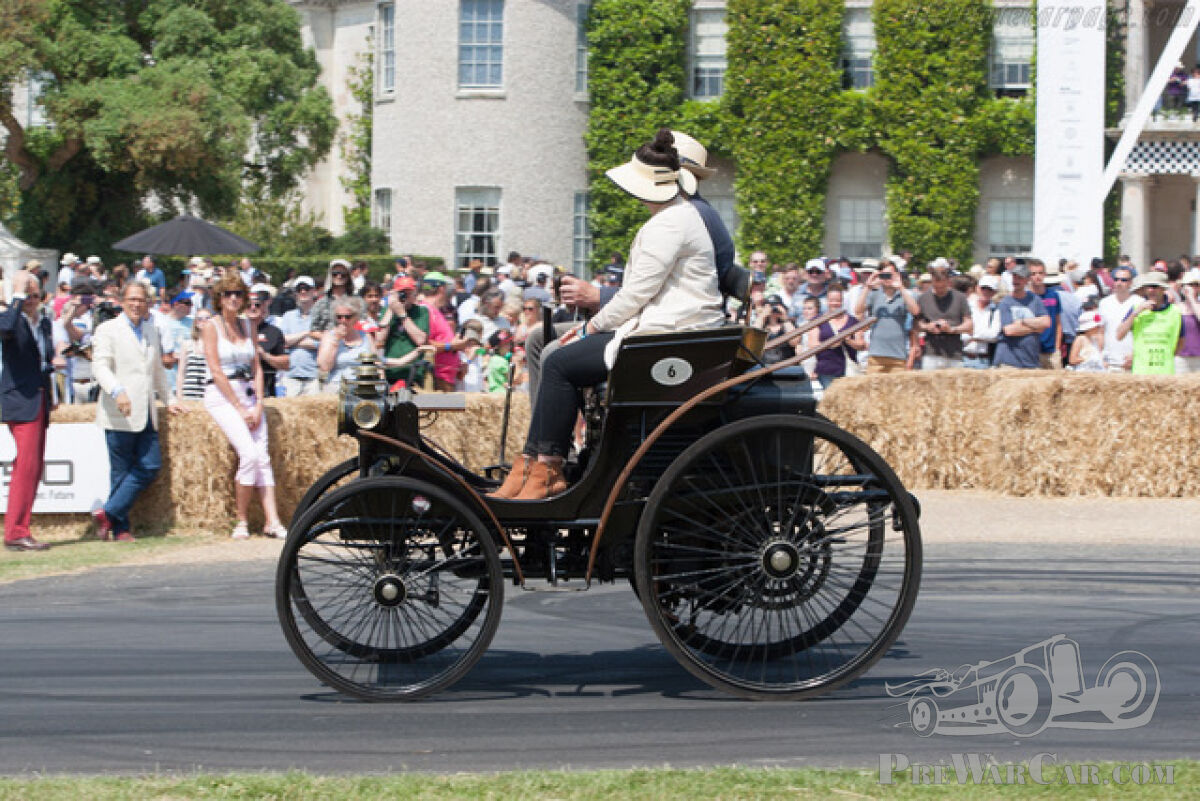
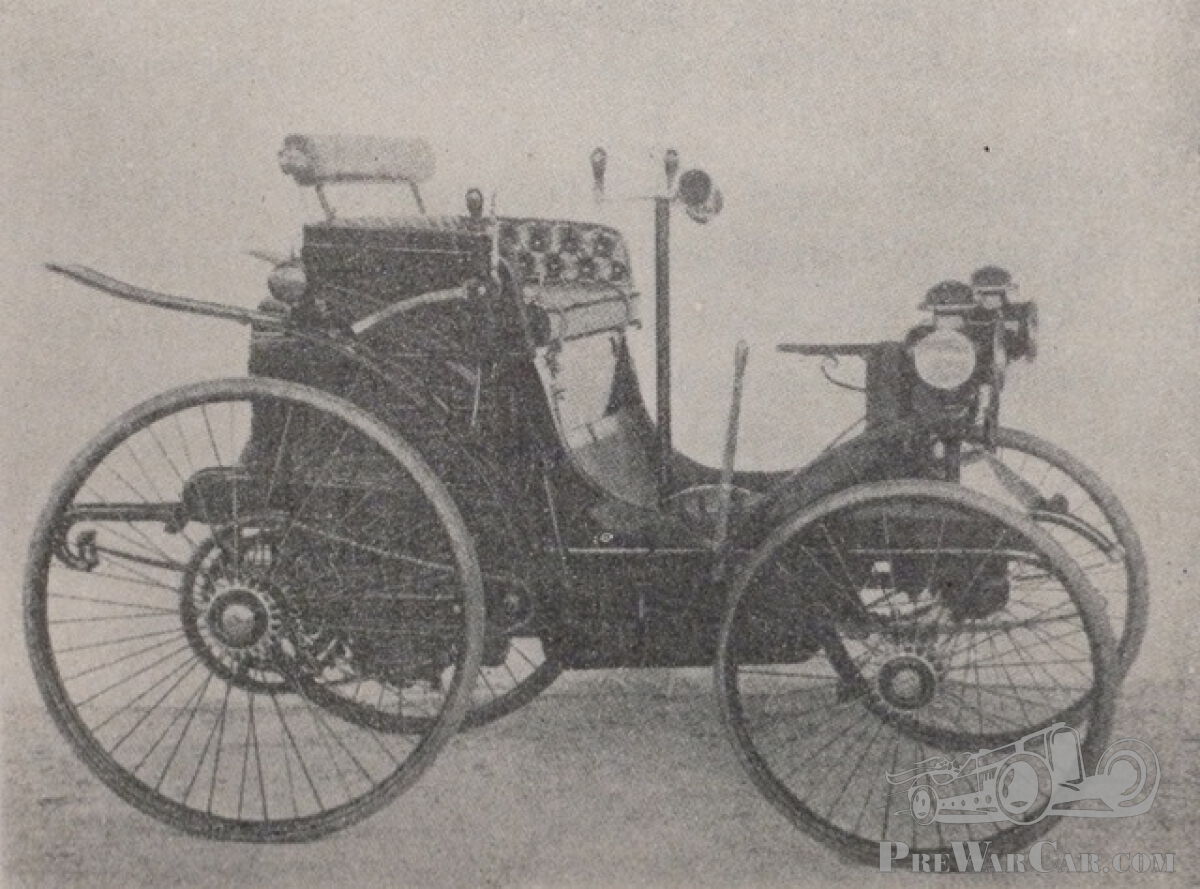


You might have seen the beautiful 1894 Peugeot Type 5 that is coming to the auction at the Bonhams Veteran Car Sale. We would love to have such an early motorcar and we can imagine we are not the only ones. Driving such a piece of history might be a dream but this dream can come true this November 2nd, as the car comes with an entry to the London to Brighton Veteran Car Run 2018 (start number 2!). But how is it to drive, we asked the current owner to give us a how-to: how do you start and run an 1894 Peugeot, which still runs on HotTube ignition. Enjoy and we hope to see the new owner in Brighton!
“The fuel tank is at the front. Facing front to back, the fuel tap is the brass knob with 164 on it to the left. The filler is in the centre and there are 2 slot head vents for when filling the tank. I have used super unleaded. You need clean fuel as the burners and carburettor use the same fuel. Below the fuel tank is the burner pressure tank. It is in the front box and is slowly filled when required, by opening the tap on the right-hand side at the bottom of the fuel tank. Once filled there is enough fuel for several hours running.
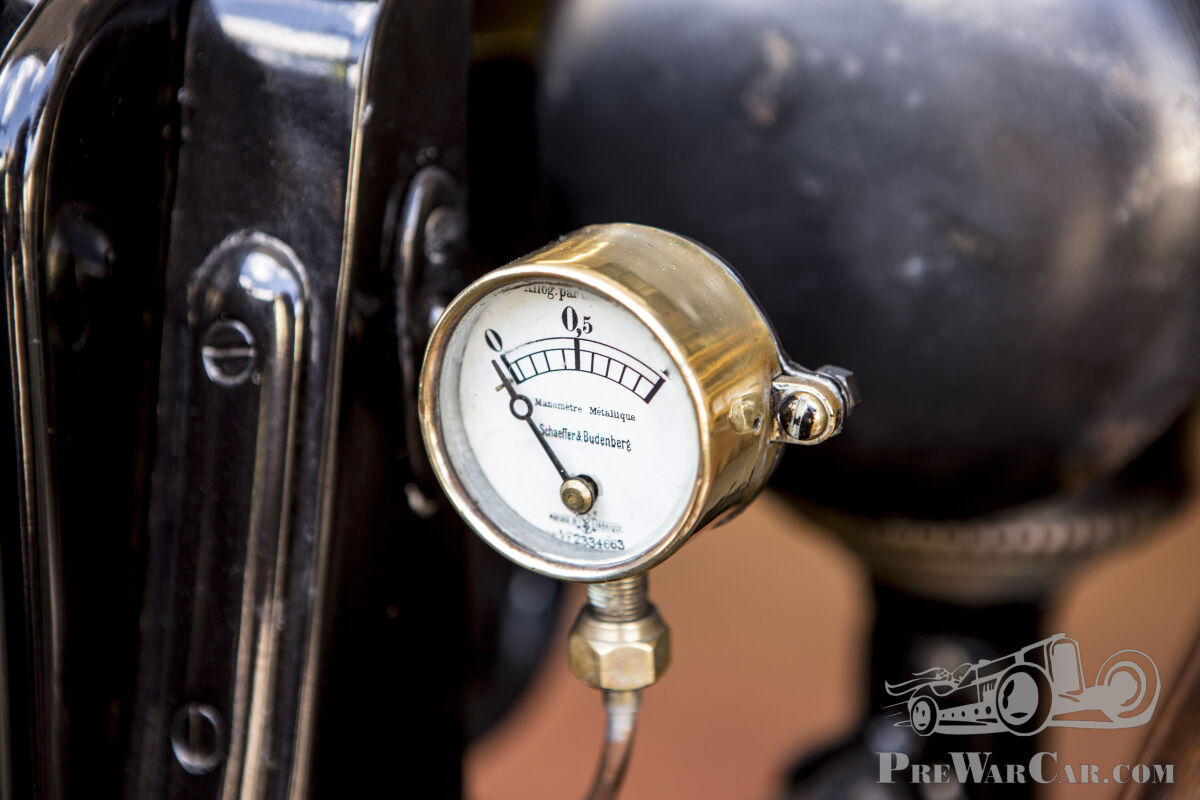
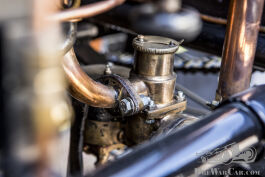
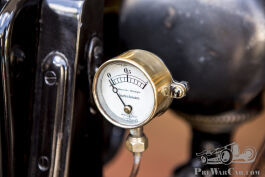
The burners are pressurised by the hand pump on the driver’s side. Go to the rear and the engine. Make sure the hand valves below the burners on the engine are shut. At the front, make sure the bleed tap right-hand side below the burner tank is shut. Use hand pump to pressurise this tank to 0.5kg/cm2 on the gauge. Having a fire extinguisher is handy (it’s not been necessary in the past!).
When you have pressure, open the burner box on the engine and crack open and shut one of the burner valves. Fuel should squirt out and stop. Light the fuel and gradually open and shut the valve, you want to end up with a medium blue flame with a gentle roar.
After a minute or two, you will be able to leave the valve partially open to get a good flame to heat the tube up to cherry red. Repeat on the other side. When practised both burners can be lit and warmed up at the same time with ease.
Whilst the tubes are heating up – 5 minutes or so, open the 2 lubricators on the engine bores. Also turn on the two taps on the Henry lubricator at the rear top of the seat. Go round and oil up where required. All lubricators are either grease or heavy oil and are visible if you have a good look over the car. The water pump has a water pump grease.
Turn on fuel by unscrewing the fuel tap and flood the carburettor, it does like plenty of fuel. Set the air control knob for the carburettor 1 or 2 clicks out from fully in (located below the hand pump). Open the regulator quadrant to the right of the hand pump 1/3 to 1/2 way towards the passenger side.
You should be ready to start…..
Press in the tab at end of crankshaft and wind (as opposed to pull) the starting handle anticlockwise with the compression being in the upward plane. It may take a few goes when its cold and needs to have plenty of fuel and be warm to go well. Initially, one cylinder gets going slightly before the other and it gradually picks up.
Once started and you are ready to go, climb on board and familiarise the controls.
Set the regulator quadrant according to engine speed and be patient as cooling water is pumped around the chassis and the engine takes time to get up to working temperature. You can check that water is circulating by lifting the hopper lid behind the seat.
The gears are laid out as follows – notches from front to back 1st, neutral, 2nd, 3rd, 4th. So 4th is right back towards the driver. For reverse, the gear lever must be in neutral, then lift the hand-grip at the drivers right and slot in to engage. The clutch pedal is on the right. The clutch itself is a double cone and at the bottom of travel, the transmission brake engages.
Select 1st gear in the normal way depressing the clutch, then 2nd etc. Changing gears is very quick and easy with all controls being light to operate. The light steering is precise and smooth. You control speed by the regulator quadrant and the air mixture knob (one click from fully ‘in’ is often best) and by changing the gears. With a low first gear, the car climbs all hills likely to be encountered and 4th gear gives a good 16mph on the flat, at which speed you feel the car is flying.
The engine speed can be reduced by use of the regulator quadrant, moving it towards the driver’s side. Driving the car requires fairly frequent use of this control depending on driving conditions, though it’s far more like a general setting than a throttle, especially on the open road. Principle braking is via the hand lever to the right of the driver, which also disengages the clutch. The brakes are as good as you can expect from a car of this age.
The V-twin engine gives a rapid regular beat, which is controlled at the top end of the rev range by a governor, which enables very simple gear changing, both up and down. It pulls away in a surprisingly spritely manner, and with quick gear changes is in top before you know it. A notable aspect is the suspension, which is better than other contemporary vehicles, being taught and supple giving a very comfortable ride. As with all cars of this age, it takes a mile or two to get everything up to working temperature. With the coolant running through the chassis, there is a substantial volume of water to warm, with the ideal being something below boiling, at which point whiffs of water vapour condensing into visible mist can often be seen. This is particularly atmospheric, especially on a cold bright morning.
These early Peugeots were extremely capable for their age, and when ‘cooking’, this car is as fast as anyone could wish for, as other similar early survivors have proven over the years. On the road, the car is nimble and extremely manoeuvrable. Bearing in mind the format of the motorcar was in its infancy and a blueprint had not been established, this was one of the very best resolved designs of the time.
As expected whilst driving along, attention should regularly be paid to the one gauge, being the air pressure for the burners, maintaining the 0.5kg pressure using the pump, as this helps to ensure optimum operating temperature of the hot-tubes. Other areas that require monitoring are the Henry drip feed oiler and the brass hopper at the rear of the seat to make sure oil is being delivered and water is circulating. The bore oilers on the engine should also be regularly inspected as they are in a warm place. In fact, it’s all just common sense and nothing out of the ordinary for any car of this age.
To stop and turn off – close the burner control valves, shut the fuel tap and release the pressure in the tank. Turn off oilers etc. It dumps a small amount of oil from the engine once it’s stopped. If only stopping for a short period, the burners can quite easily be left burning with an occasional check to maintain pressure.”
The Bonhams, London to Brighton Run Sale takes place on the 2nd of November 2018 in London. Starting at 15:00 GMT with lot 1. Click here to see what other Veteran Motor Cars and Related Automobilia will be auctioned at New Bond Street.
Photographs courtesy Tim Moore and Bonhams.
Publié:
mercredi octobre 24th, 2018
Facebook
LinkedIn
Twitter
WhatsApp
Email
Copy
Commentaires
lars legaard
26 Octobre 2018, 21:35
Gilbert warning
24 Octobre 2018, 18:09
I was lucky to be a passenger once on this particular car a few years ago. I was surprised how comfortable it was and impressed how well it went.
Lire la suite
Tony Hillyard
24 Octobre 2018, 18:03
This is a very similar starting procedure to the parallel twin Connstadt Daimler that used to be on display on the left hand side of the entrance as you entered the National Motor Museum at Beaulieu.
Some years ago my old boss, Ray Barrington Brock, was asked by his long time friend Lord Montagu if he would mind trying to get this Daimler running. It had sat at the Beaulieu museum for years without turning a wheel. It was duly shipped up to Ray Brock's house in Oxted on a low loader. This car is so tall we had to build a special garage to fit it.
Over the years the ignition system and carburation had been seriously bodged. It had been fitted with a Model T Ford carb! Anyway, after much amusement and the real risk of breaking an arm on the hand crank start, which is a tight fit between the engine and the right rear wheel, we managed to get her running! Three speed, flat belt drive, extremely light to steer and a delight to drive.
The story goes, that the hot bulbs were originally made of platinum and were often stolen by the chauffeurs, then sold to help top up their low wages. We made a paid of hot tubes out of stainless steel.
Lire la suite
Some years ago my old boss, Ray Barrington Brock, was asked by his long time friend Lord Montagu if he would mind trying to get this Daimler running. It had sat at the Beaulieu museum for years without turning a wheel. It was duly shipped up to Ray Brock's house in Oxted on a low loader. This car is so tall we had to build a special garage to fit it.
Over the years the ignition system and carburation had been seriously bodged. It had been fitted with a Model T Ford carb! Anyway, after much amusement and the real risk of breaking an arm on the hand crank start, which is a tight fit between the engine and the right rear wheel, we managed to get her running! Three speed, flat belt drive, extremely light to steer and a delight to drive.
The story goes, that the hot bulbs were originally made of platinum and were often stolen by the chauffeurs, then sold to help top up their low wages. We made a paid of hot tubes out of stainless steel.
Philippe Dumez
28 Octobre 2018, 19:50
Nice piece of history
Perhaps a pitty that some brand new hexagonal screws are used to assemble the engine accessoires
BR
Lire la suite
Perhaps a pitty that some brand new hexagonal screws are used to assemble the engine accessoires
BR
When you inspect cars at the Brighton run, really many of them use model T carb´s and trembler coils also from model T : The Universal Car
Don´t be snobbish, the model T will never die
Lars Legaard