Le magazine et marché mondial pour les passionnés de voitures classiques, par des passionnés.
Le magazine et marché mondial pour les passionnés de voitures classiques, par des passionnés.


Filter
Faites votre choix:
- Voir les voitures
-
Marque >>
-
Année >>
-
-
Catégorie >>
- Voir les motos
- Voir les pièces et plus
-
Marque de la voiture >>
-
Constructeur >>
-
Catégorie >>
- Vélos
-
Année >>
-
Pays



Douce invasion sur roues: Herr von Schlechtleithner et la caravane à bonbons autrichienne


La photo de ce camping-car des plus impressionnants, récemment publiée dans notre magazine, raconte une belle histoire. Celle d’un homme d’affaires américain fortuné qui, en 1915, utilisa le véhicule pour parcourir les États-Unis avec sa famille et une partie de son personnel. Le moyen de transport que nous voyons aujourd’hui semble s’inscrire dans le même esprit, mais l’histoire qui l’accompagne serait d’un tout autre genre.
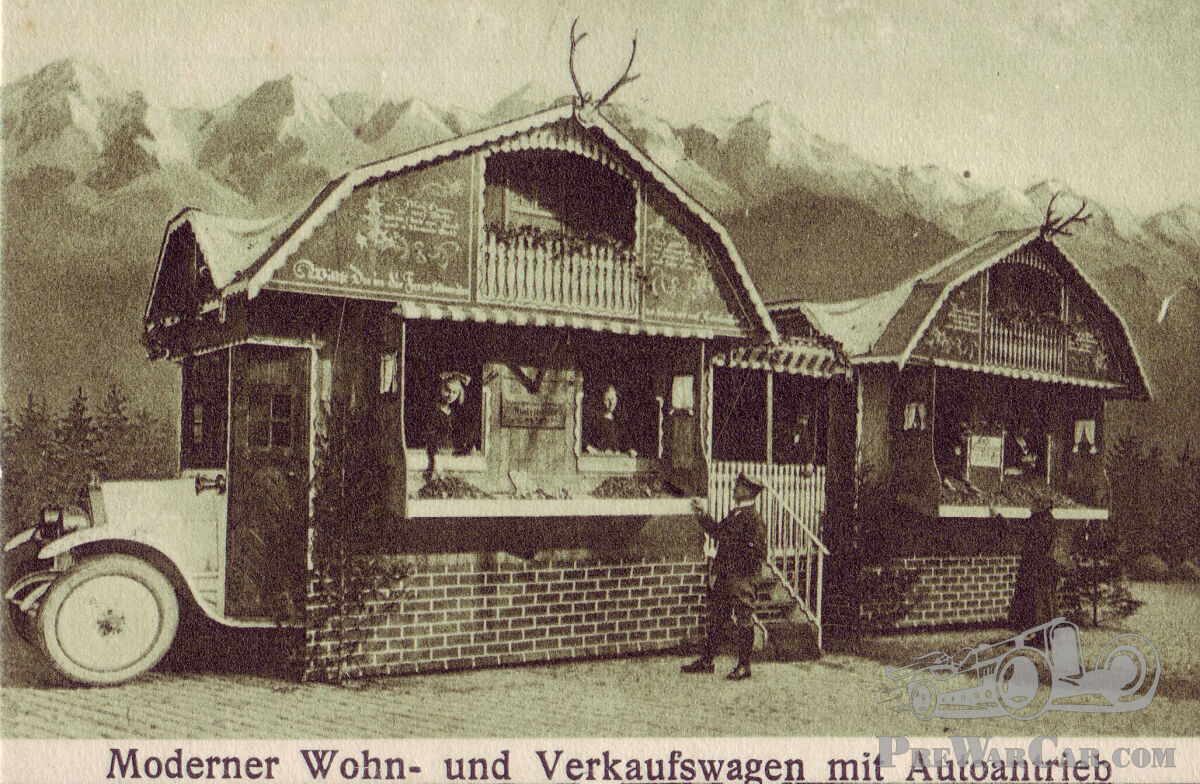
Non seulement ce « yacht terrestre » est une variante européenne, originaire d’Autriche, mais son contexte est également à l’opposé — une histoire de pauvreté plutôt que de richesse. La légende originale indique : « La photo montre la boutique de bonbons ambulante de Franz von Schlechtleithner, un noble autrichien appauvri, qui, ne supportant plus les conditions de vie dans son pays, a décidé de construire pour lui et sa famille de trois personnes cette petite maison-magasin mobile à six roues. Il compte parcourir l’Europe avec son véhicule, en vendant des bonbons sur la route. La boutique se trouve dans la remorque détachable. »
La photo montrerait von Schlechtleithner debout à côté de sa caravane-magasin, et elle est datée de 1922. Comme vous l’avez peut-être remarqué, nous n’avons pas pu tirer de conclusion définitive quant à la véracité de cette anecdote. La raison ? Nous n’avons trouvé aucune autre trace des von Schlechtleithner — avec ou sans le « von », ou même avec ou sans le troisième « h » dans le nom de famille. Pourtant, il semble bien qu’il y ait là une histoire qui mérite d’être racontée. Qui sait ?
Texte : Jeroen Booij
Photo : Underwood & Underwood / Library of Congress
Publié:
vendredi mars 28th, 2025
Facebook
LinkedIn
Twitter
WhatsApp
Email
Copy
Commentaires
David Grimstead
30 Mars 2025, 22:48


Laurent Zoller
28 Mars 2025, 21:14
I have just found some other interesting documents:
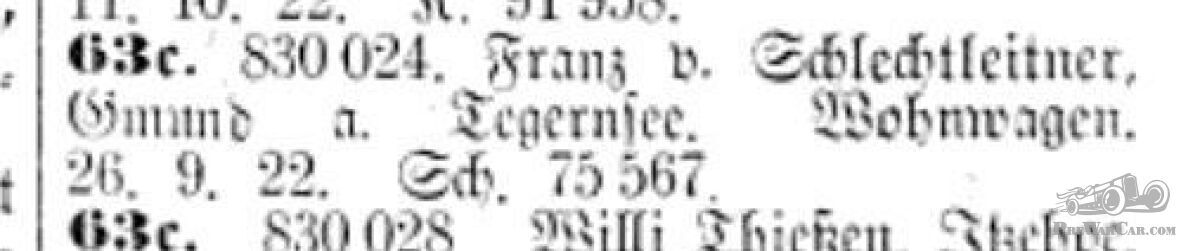
- a patent application by Schlechtleitner dated September 26th, 1922, concerning this vehicle
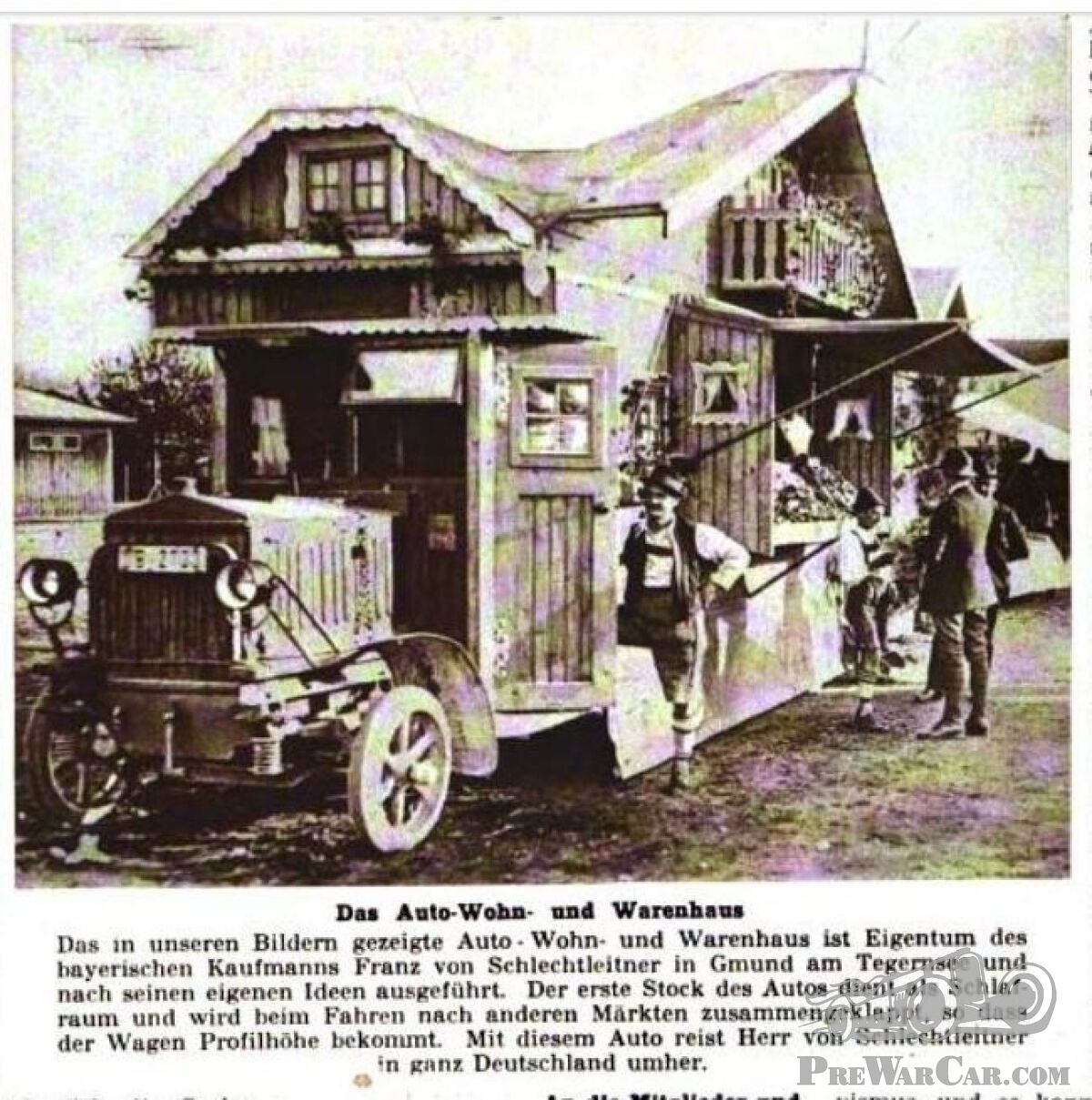
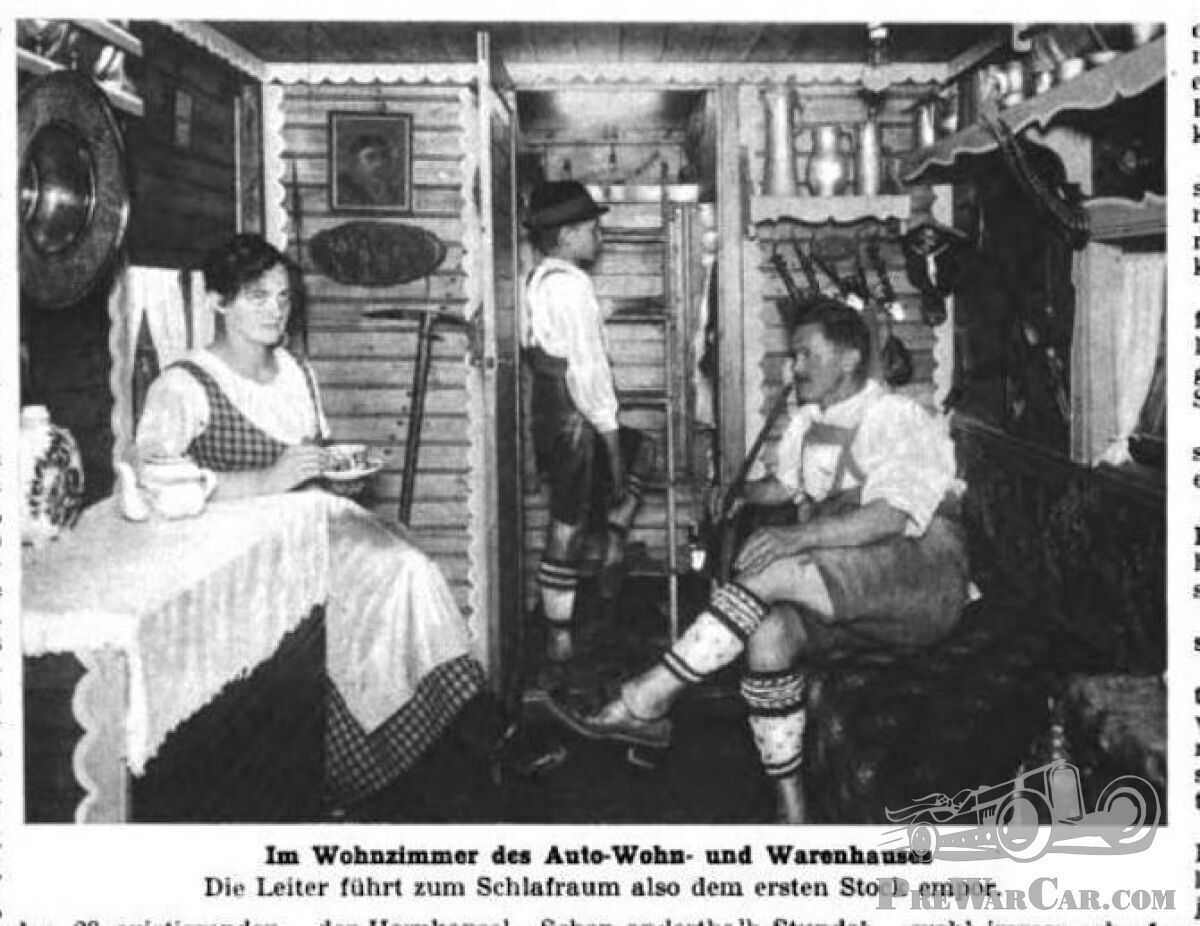
- two photos from the Deutsch Amerika magazine of October 21st, 1922. We learn that Franz von Schlechtleileitner is a trader in the town of Gmund am Tergernsee and that he goes from market to market with his vehicle .
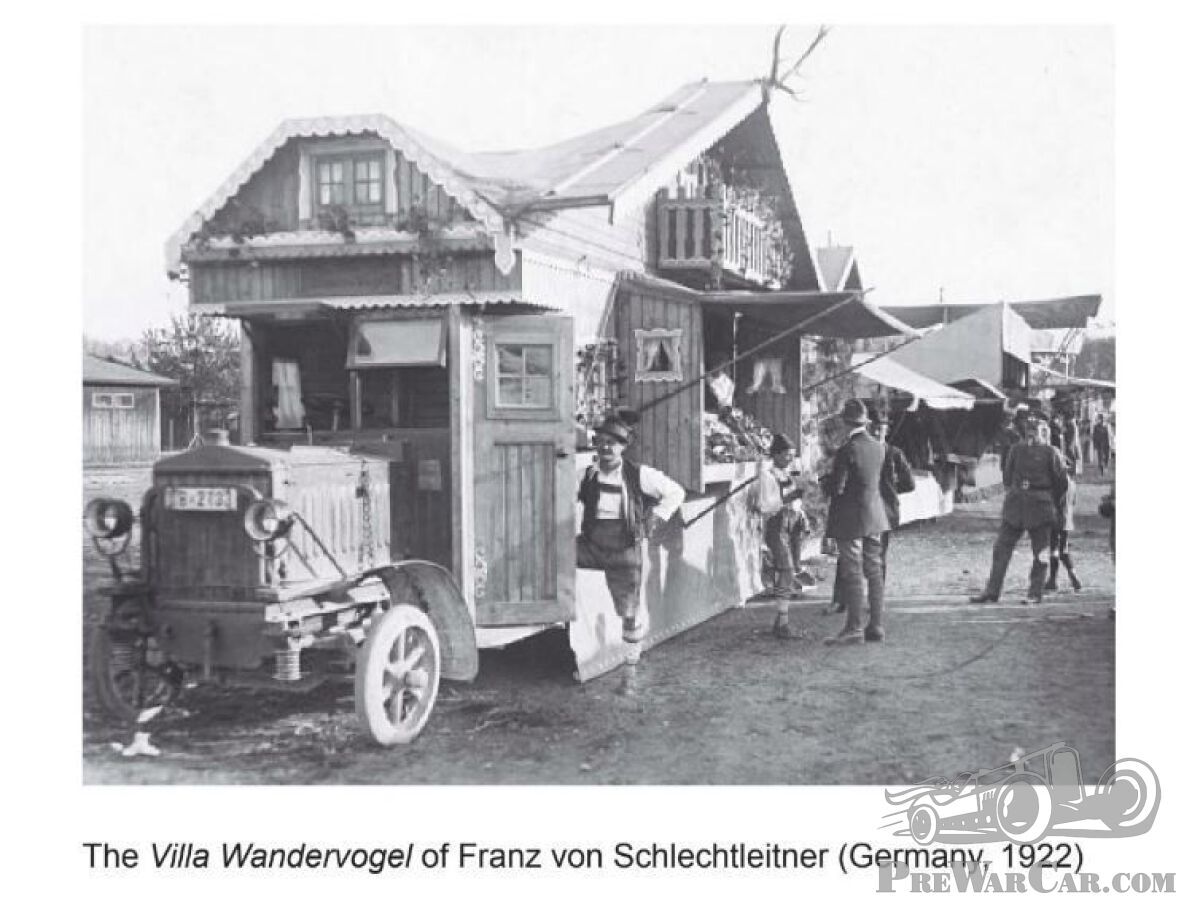
- a photo of the Wandervogel from 1922 (nickname of the vehicle) published in the book "Recreational vehicles."
-------------------------
Je viens de trouver d'autres documents intéressants
- un dépot de brevet de Schlechtleitner du 26 septembre 1922 concernant ce véhicule
- deux photos de la revue Deutsch Amerika du 21 octobre 1922. On apprend que Franz von Schlechtleileitner est commerçant dans la ville de Gmund am Tergernsee et qu'il va de marché en marché avec son véhicule .
-une photo du Wandervogel de 1922 (surnom du véhicule) parue dans le livre "recreational vehicles.
Lire la suite
- a patent application by Schlechtleitner dated September 26th, 1922, concerning this vehicle
- two photos from the Deutsch Amerika magazine of October 21st, 1922. We learn that Franz von Schlechtleileitner is a trader in the town of Gmund am Tergernsee and that he goes from market to market with his vehicle .
- a photo of the Wandervogel from 1922 (nickname of the vehicle) published in the book "Recreational vehicles."
-------------------------
Je viens de trouver d'autres documents intéressants
- un dépot de brevet de Schlechtleitner du 26 septembre 1922 concernant ce véhicule
- deux photos de la revue Deutsch Amerika du 21 octobre 1922. On apprend que Franz von Schlechtleileitner est commerçant dans la ville de Gmund am Tergernsee et qu'il va de marché en marché avec son véhicule .
-une photo du Wandervogel de 1922 (surnom du véhicule) parue dans le livre "recreational vehicles.


Hergen Deuter
28 Mars 2025, 16:45
In fact, Franz von Schlechtleitner, apparently without a third h, seems to have left few traces except for a second sales van, also dated 1922, which is depicted on Kulturgut-Volksfest.de.
Lire la suite


Laurent Zoller
28 Mars 2025, 14:16
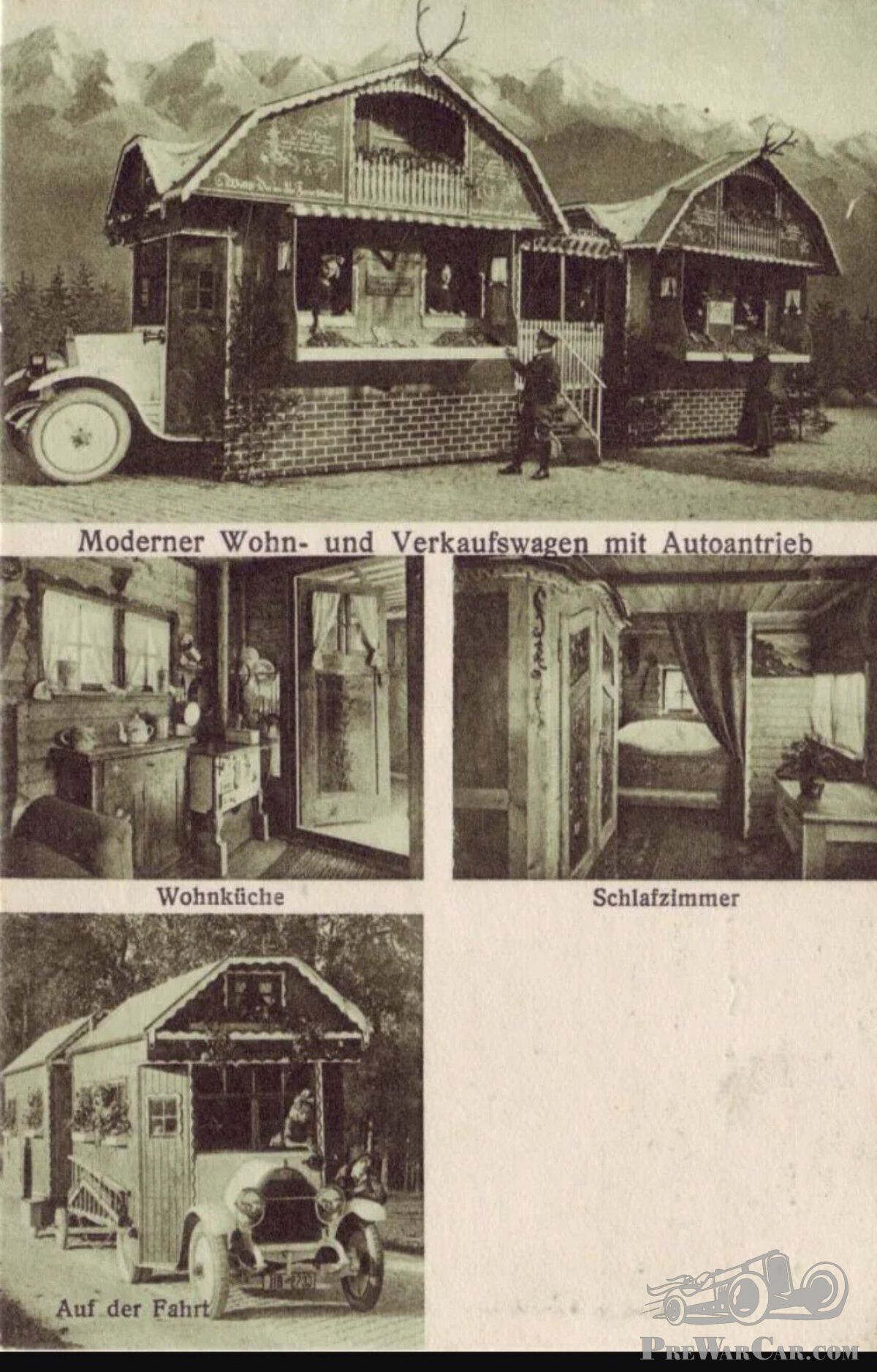
Here are two other documents dated 1922 concerning this vehicle. The larger one comes from the Munich Museum.
--------------------------------------------------------------
Voici deux autres documents datés de 1922 concernant ce véhicule . Le plus grand provient du musée de Munich.
Lire la suite
--------------------------------------------------------------
Voici deux autres documents datés de 1922 concernant ce véhicule . Le plus grand provient du musée de Munich.
Michael Walz
28 Mars 2025, 12:44
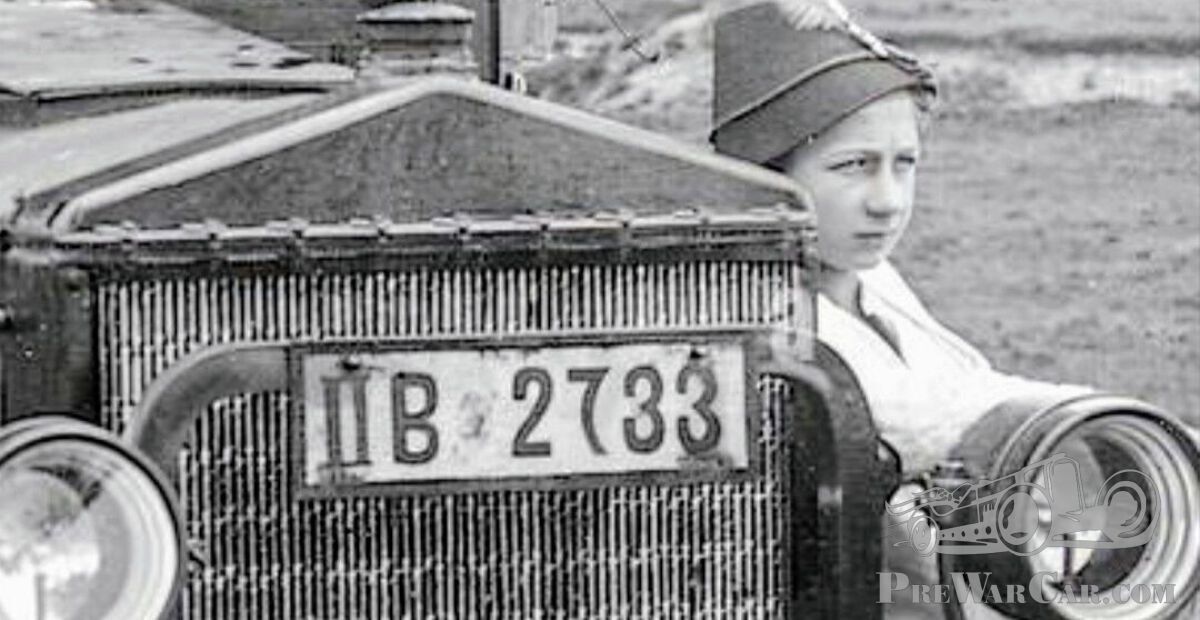
The number-blade is from germany on the picture. IIB is for Kreis Oberbayern: https://de.wikipedia.org/wiki/Liste_der_deutschen_Kfz-Kennzeichen_(historisch)
Lire la suite
Stanislav Kirilets
28 Mars 2025, 01:13
Austrian? I always thought this was a Büssing from and in Germany.
Lire la suite
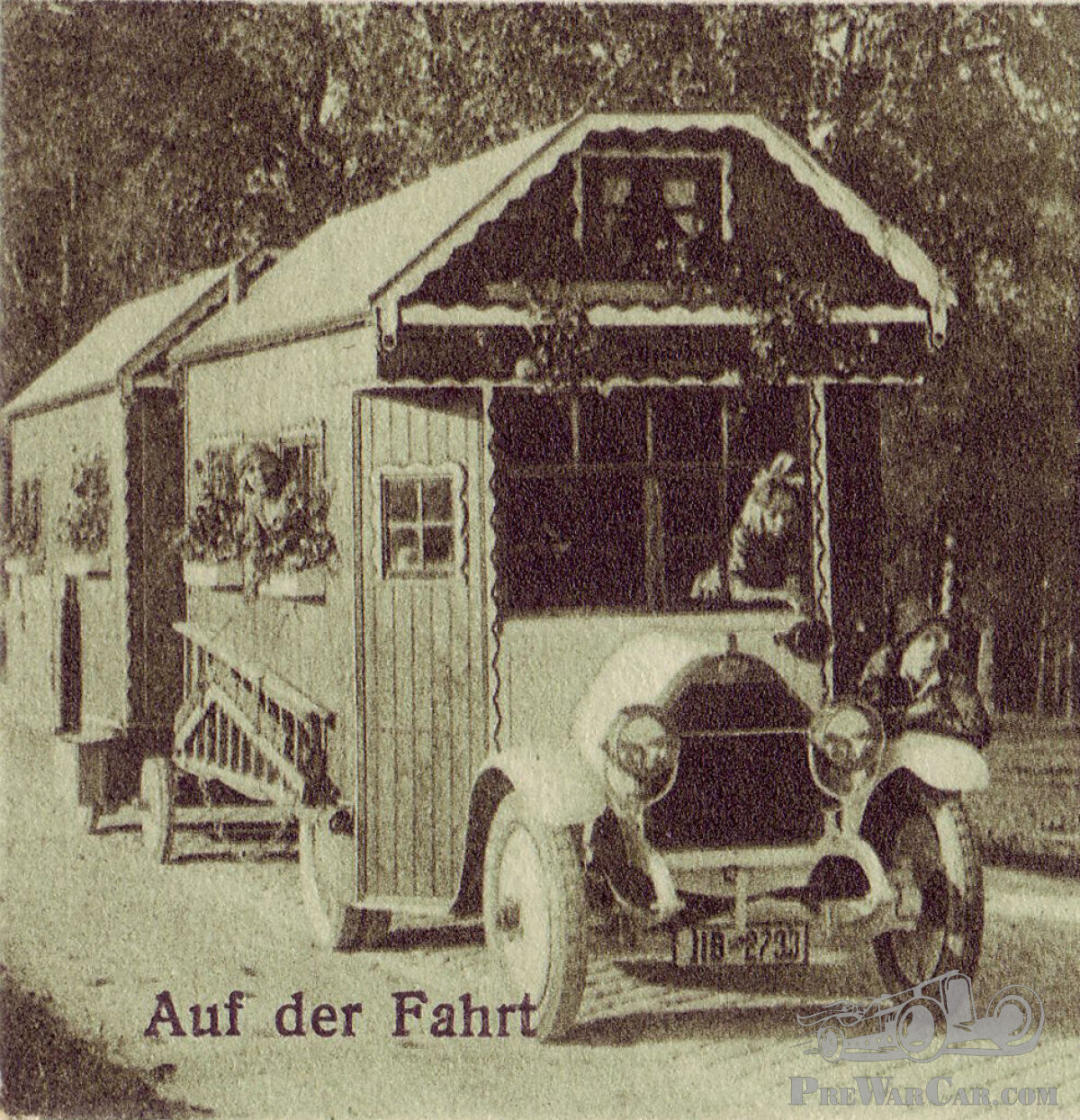
“The world’s only travelling candy store. Austrian Nobleman, Franz von Schlechtleitner of Innsbruck, unable to make a living in his own country, has started on a tour of Europe, under the most remarkable auspices. Being an expert automobilist, with the remnant of his family fortune, he has had a unique motor van built, taking as a model a picturesque Tyrolese cottage. There is a porch on the rear, curtains on the tiny windows and real flowers before them. The interior is divided in a parlor and kitchen, while the bedrooms are upstairs on the second floor. A small trailer attached holds the goods and provisions. By means of a few additional boards, carried on the sides and roof, the van is quickly converted into its real purpose, that of a candy shop, Herr Schlechtleitner and his wife making in the kitchen delicious sweet-meats. In this strange conveyance, accompanied by their three children, they are selling candy in the towns and villages they visit and making an excellent living.”
The story was still of interest in the U.S.A. in May, 1925, by when the Soda Fountain magazine claimed the truck was a Ford. Unlikely, but von Schlechtleitner’s family was reported to be still on the road in the December 3rd, 1927, edition of Deutsch-Amerika, when their candy-wagon was on that shorter chassis with disc wheels, pneumatic tyres and towing a four-wheel trailer. The picture was captioned: “The nobility of labour: Franz von Schlechtleitner, an Austrian nobleman in Innsbruck, who lost all his fortune due to the hardship after the war, had built a mobile confectionery stall and apartment and is now moving with this as a modern nomad from place to place. In this way he feeds himself, his wife, a son and two daughters.”
As to von Schlechtleitner patents, this is from the December 8th, 1931, Commercial Motor magazine of Great Britain: “A Coupling which Increases Road Grip: A coupling for trailers described in patent No. 359,557, by F. von Schlechtleitner, 23, Marktstrasse, Munich, is intended to produce a lifting effect of the front of the tractor, thus increasing the pressure of its rear wheels on the road and giving it greater tractive effect. The rear springs of the tractor are so formed that the stronger the pull on the drawbar, the greater the load on the rear wheels of the tractor. We should imagine that if this principle were carried too far it might result in the tractor rearing up and falling on its driver; cases of the kind have been known, and to avoid it the connection of the drawbar has been carried as low as possible.”