Le magazine et marché mondial pour les passionnés de voitures classiques, par des passionnés.
Le magazine et marché mondial pour les passionnés de voitures classiques, par des passionnés.


Filter
Faites votre choix:
- Voir les voitures
-
Marque >>
-
Année >>
-
-
Catégorie >>
- Voir les motos
- Voir les pièces et plus
-
Marque de la voiture >>
-
Constructeur >>
-
Catégorie >>
- Vélos
-
Année >>
-
Pays



What is it? Quiz #483



Saturday - Quizday!
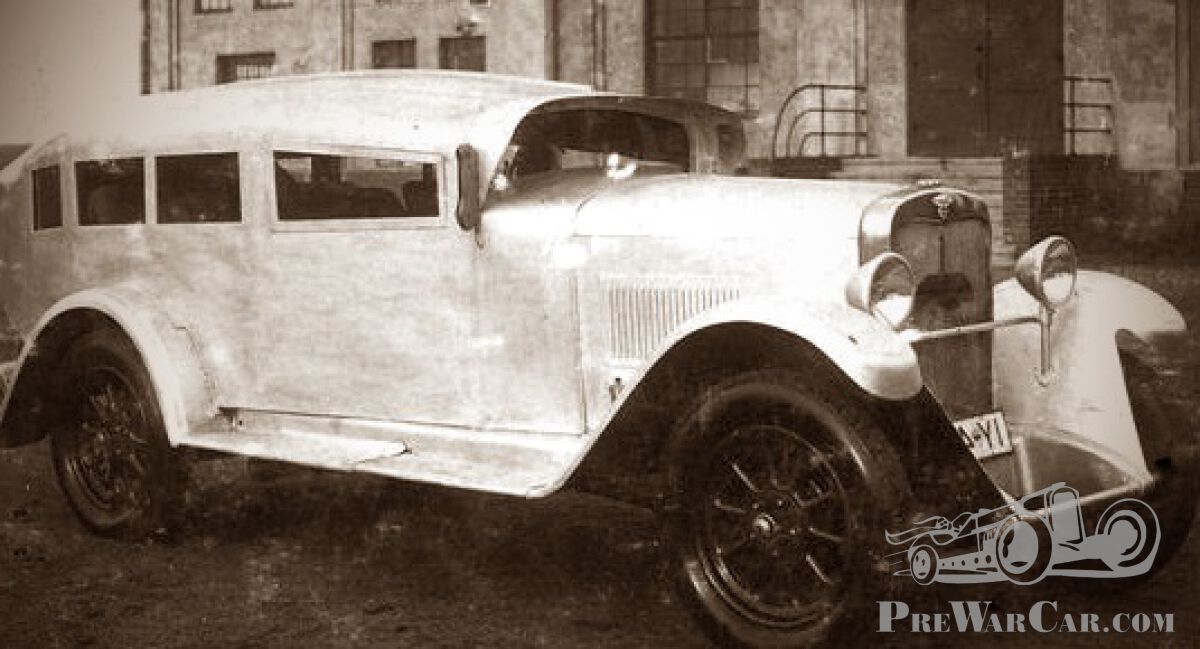
Today's quiz-car features an one of a kind body on a series-production chassis. The original car was built in 1927/1928 and a famous aviator/aircraft inventor "refined" the body to get an aerodynamic shape. This man built a couple of bodies before World War II and continued with the most bizarre automobile I´ve ever seen, in 1948 (some sources say 1944). Between 1951 and 1953 some really nice looking prototypes followed, but the cars sadly never reached a series-production, like the basis of our quiz-car, did. You don´t know, whom I´m talking about, yet? OK, I will give you some more hints: if you wonder about the original base of the car, I can tell you, that it was built in three versions between 1926 and 1932 in Europe. The company also built motorbikes, bicycles and office machinery. Today only the bicycles with the famous name are still built by a Greek divine hero. The self-made aviator (he was a carpenter originally) lived on in his Bauhaus-style villa and passed away in 1972. Sadly none of his creations seems to have survived. So what do I want to know in your answer? Of course the name of our "coachbuilder" and the type of the chassis, it was built on. Do you know more about the man and his machines? Remember, that sometimes it is just a little nice detail, that will add some points to your account!
You know the rules: only answers with no more than 100 words, do not forget your source(s), sent before Monday may make you the lucky winner! Then you also compete in the six-month competition, sponsored by Hans Compter Rare cars.
Words and photograph by Hubertus Hansmann.
Publié:
samedi novembre 17th, 2018
Facebook
LinkedIn
Twitter
WhatsApp
Email
Copy
Commentaires
Neil Beadle
18 Novembre 2018, 15:11
fritz hegemann
17 Novembre 2018, 22:44
Hi all,
here the solution to this really strange object:
First (of nine) Espenlaub Car, built in 1928 on the basis of a saxonian Wanderer Type 10/II from 1927/28, 2.0 fourcylinder inline engine, 40 hp, fitted with a carosserie made of light metal sheet, streamlined rear. Radiator, bonnet and fenders with running boards were still from the original model. For weight and stability reasons the vehicle had only one door on the passenger side.
Gottlob Espenlaub was an original thinker and a pioneer in gliders and rocket propulsion.
The 1944/48 developped car was the “Flunder” (flounder), built by using parts of a wrecked StuKa-plane.
Best regards from the Nahe-valley
Fritz
Sources:
https://de.wikipedia.org/wiki/Espenlaub_(Automobile)#
https://web.archive.org/web/20120208094725/http://www.werner-steinbach.de/wuppertal/historie/espenlaub/espenlaub-index.html
Lire la suite
here the solution to this really strange object:
First (of nine) Espenlaub Car, built in 1928 on the basis of a saxonian Wanderer Type 10/II from 1927/28, 2.0 fourcylinder inline engine, 40 hp, fitted with a carosserie made of light metal sheet, streamlined rear. Radiator, bonnet and fenders with running boards were still from the original model. For weight and stability reasons the vehicle had only one door on the passenger side.
Gottlob Espenlaub was an original thinker and a pioneer in gliders and rocket propulsion.
The 1944/48 developped car was the “Flunder” (flounder), built by using parts of a wrecked StuKa-plane.
Best regards from the Nahe-valley
Fritz
Sources:
https://de.wikipedia.org/wiki/Espenlaub_(Automobile)#
https://web.archive.org/web/20120208094725/http://www.werner-steinbach.de/wuppertal/historie/espenlaub/espenlaub-index.html
Gerd Klioba
17 Novembre 2018, 17:47
I forgot the sources again:
https://de.wikipedia.org/wiki/Espenlaub_(Automobile)
https://web.archive.org/web/20120208094725/http://www.werner-steinbach.de/wuppertal/historie/espenlaub/espenlaub-index.html
https://www.autopuzzles.com/forum/2014-43/solved-wendax-1433-wanderer-w10ii-by-gottlob-espenlaub/
Lire la suite
https://de.wikipedia.org/wiki/Espenlaub_(Automobile)
https://web.archive.org/web/20120208094725/http://www.werner-steinbach.de/wuppertal/historie/espenlaub/espenlaub-index.html
https://www.autopuzzles.com/forum/2014-43/solved-wendax-1433-wanderer-w10ii-by-gottlob-espenlaub/
Gerd Klioba
17 Novembre 2018, 17:44
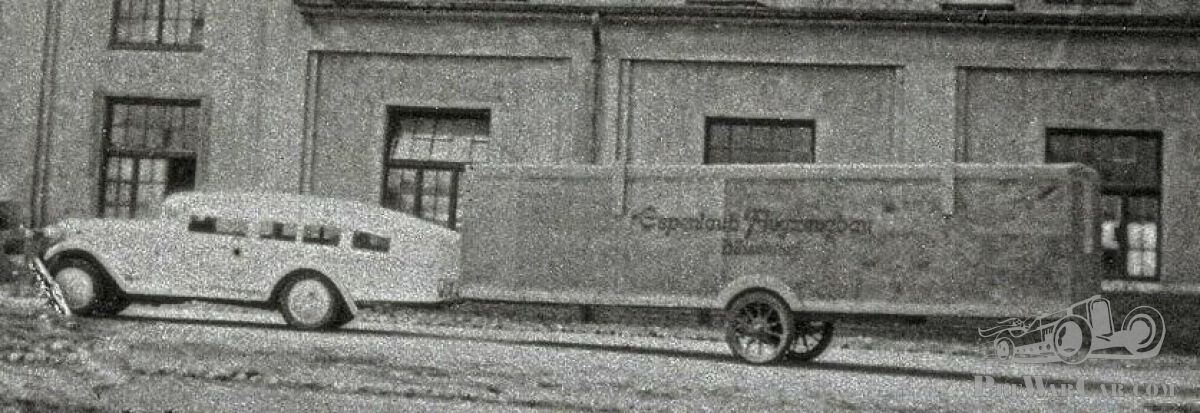
This is a Wanderer W10/II, aerodynamically modified in 1928 by Gottlob Espenlaub. He used it for pulling trailers containing gliders from his Espenlaub Flugzeugbau company. Gottlob Espenlaub built several one-offs: at first the ultra-low Flunder cars (a four- and a three-wheeler) with rear steering, the four-wheeler housing nine seats and using Stuka aircraft parts. Furthermore some streamliners, and finally the ILO-engined 400 and 1000 in the 1950's. The latter one was built in a small pre-series, before production plans were dropped.
Lire la suite
Michael Schlenger
17 Novembre 2018, 10:28
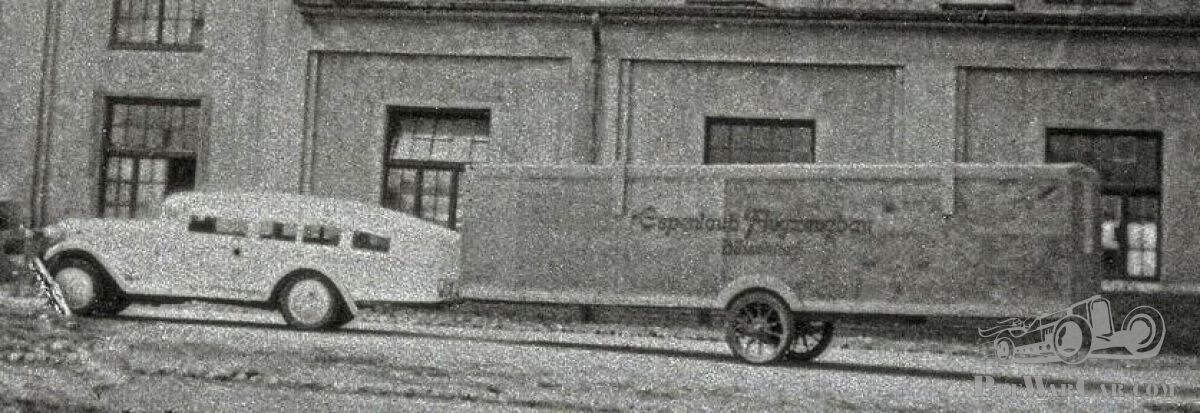
The car was based on a Wanderer W10/II with 2 litre four-cylinder ohv-engine producing 40 PS. The body was developed by Gottlob Espenlaub (1900-1972) who built gliders together with his brother Hans (he even experimented with rocket-propelled gliders in 1928). Having developed a number of box-style prototype cars before WW2, Espenlaub’s focus remained on planes after the war, but continued to design promising prototype cars. The Wanderer-based car had four lateral windows and was used by Espenlaub as a towing vehicle for his planes (he also owned a Bugatti). The (mirror-inverted) picture was shot in front of the Espenlaub Flugzeugbau factory.
Sources: https://www.autopuzzles.com/forum/2014-43/solved-wendax-1433-wanderer-w10ii-by-gottlob-espenlaub/25/; http://www.erinnerungen-im-netz.de/aw/Testseiten/~bly/Espenlaub-Flugzeugbau-aus-Cassel-Bettenhausen/?vote=3; https://de.wikipedia.org/wiki/Espenlaub_(Automobile); http://www.autopasion18.com/HISTORIA-ESPENLAUB%20(Gottlob%20Espenlaub).htm
Lire la suite
Sources: https://www.autopuzzles.com/forum/2014-43/solved-wendax-1433-wanderer-w10ii-by-gottlob-espenlaub/25/; http://www.erinnerungen-im-netz.de/aw/Testseiten/~bly/Espenlaub-Flugzeugbau-aus-Cassel-Bettenhausen/?vote=3; https://de.wikipedia.org/wiki/Espenlaub_(Automobile); http://www.autopasion18.com/HISTORIA-ESPENLAUB%20(Gottlob%20Espenlaub).htm
Robbie Marenzi
17 Novembre 2018, 02:48
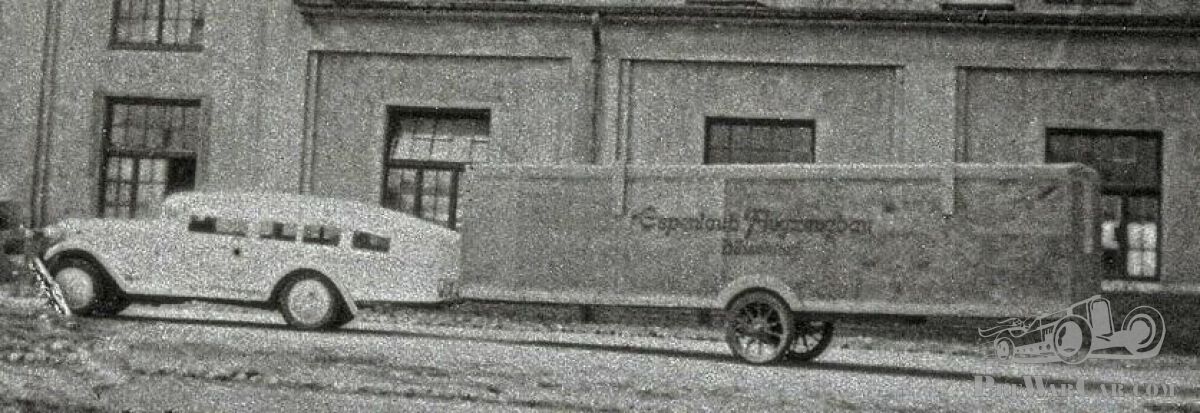
First car built in 1928 by Gottlob Espenlaub on a Wanderer W10/II chassis. The body was made of light sheet metal with only one door on the passenger side. He used it to transport his gliders by trailer and to launch them by towing, the good vehicle aerodynamics reduced turbulence behind the car helping the glider to take off.
https://de.wikipedia.org/wiki/Espenlaub_(Automobile)
https://www.autopuzzles.com/forum/2014-43/solved-wendax-1433-wanderer-w10ii-by-gottlob-espenlaub/25/
Lire la suite
https://de.wikipedia.org/wiki/Espenlaub_(Automobile)
https://www.autopuzzles.com/forum/2014-43/solved-wendax-1433-wanderer-w10ii-by-gottlob-espenlaub/25/
After crashing one of his rocket propelled aircraft Espenlaub gave up flying, set up an aircraft repair business, and concentrated on designing and building a number of incredibly clever but bizarre looking cars.
Sources:
http://www.autopasion18.com/HISTORIA-ESPENLAUB (Gottlob Espenlaub).htm
https://de.wikipedia.org/wiki/Espenlaub_(Automobile)
https://www.autopuzzles.com/forum/2014-43/solved-wendax-1433-wanderer-w10ii-by-gottlob-espenlaub/
https://en.wikipedia.org/wiki/Gottlob_Espenlaub