Le magazine et marché mondial pour les passionnés de voitures classiques, par des passionnés.
Le magazine et marché mondial pour les passionnés de voitures classiques, par des passionnés.


Faites votre choix:
- Voir les voitures
-
Marque >>
-
Année >>
-
-
Catégorie >>


1928 Mercedes Benz SSK Rebuild
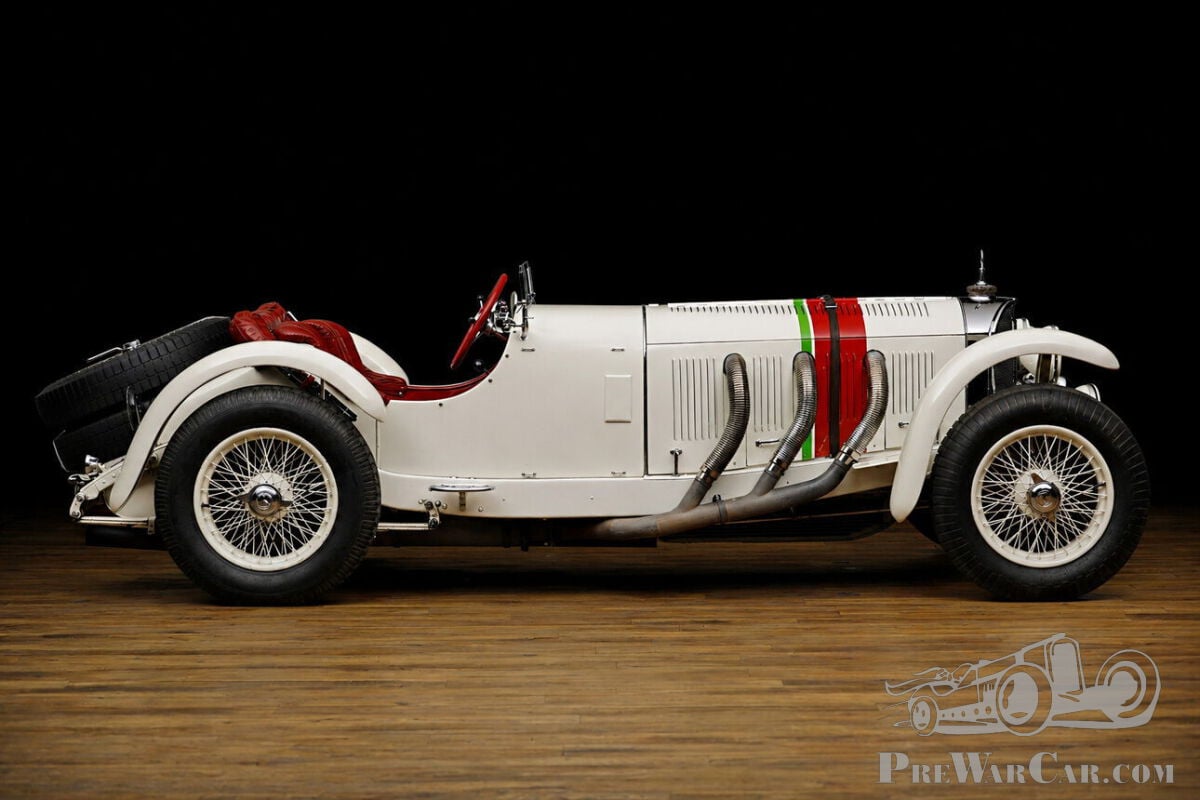
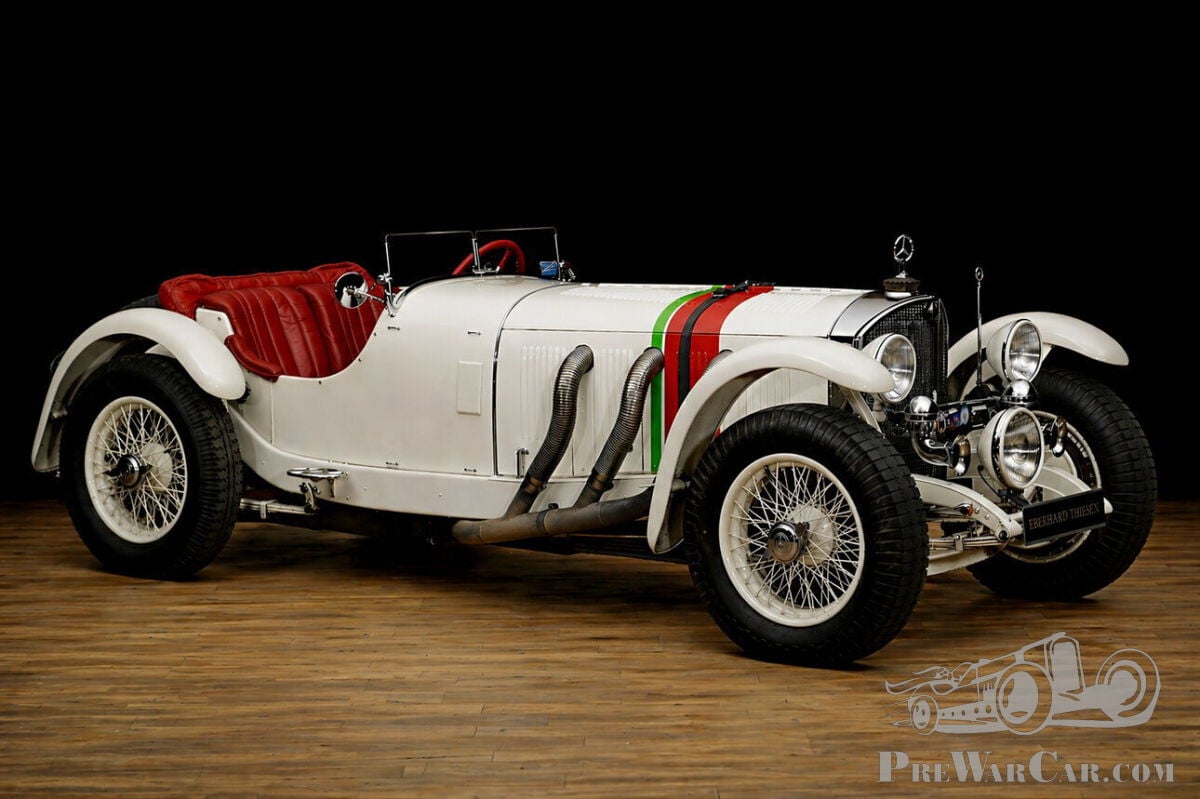
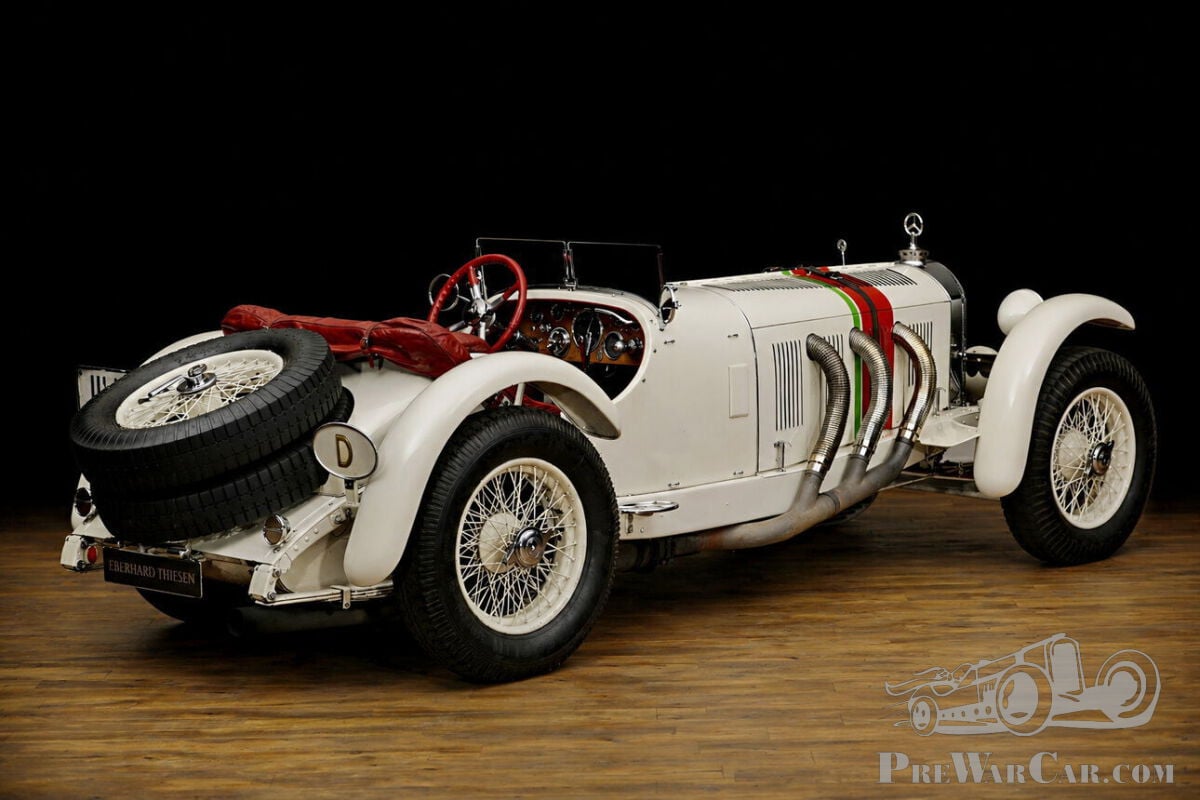
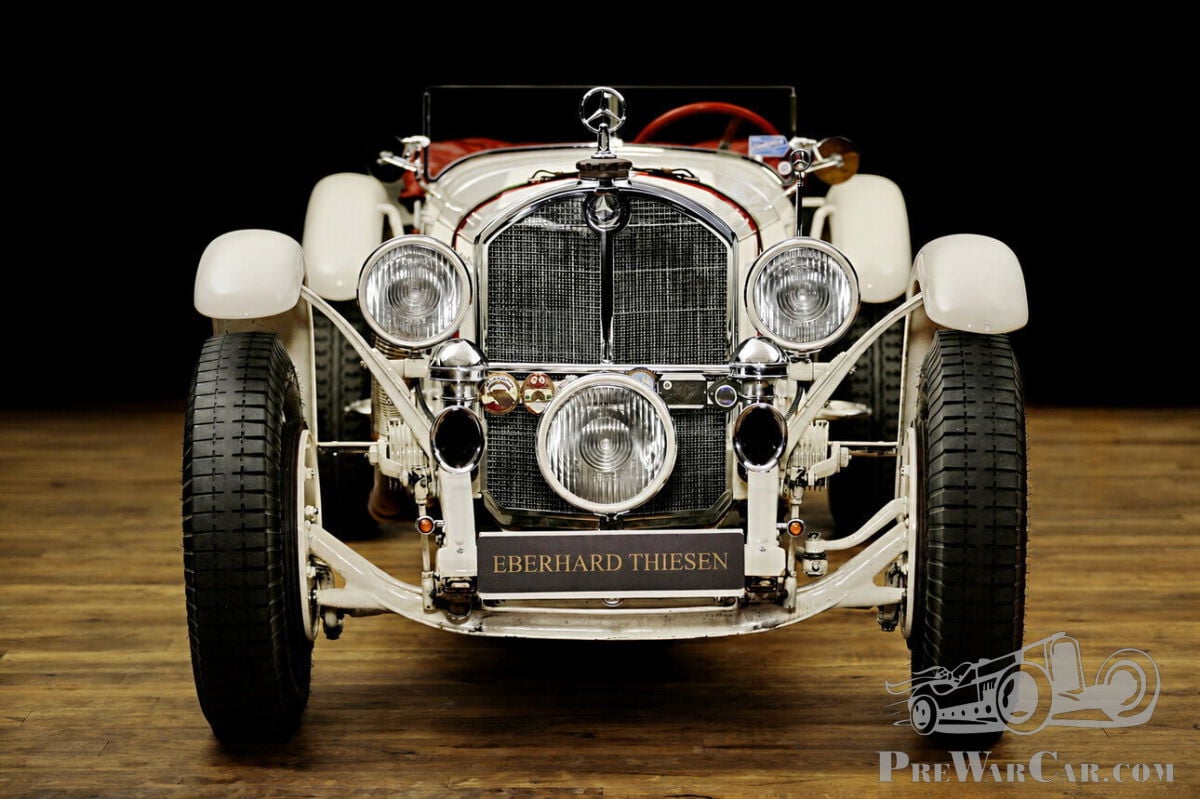
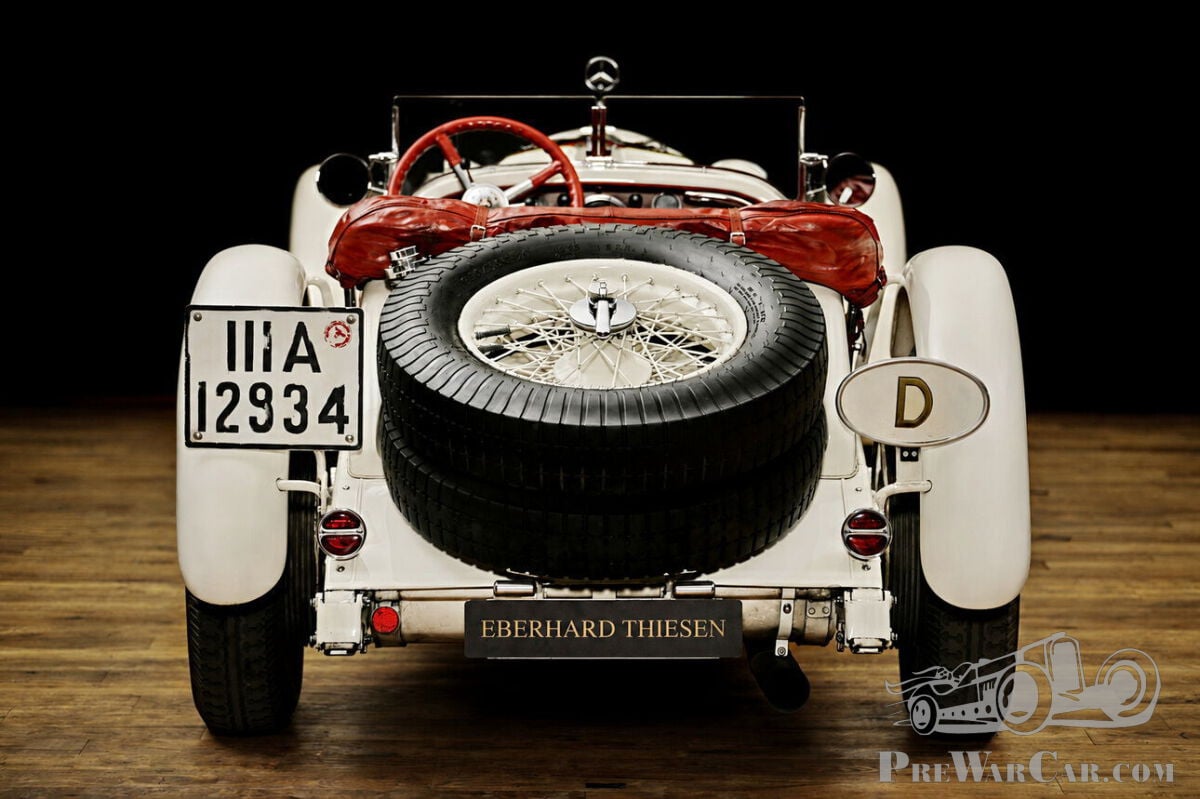
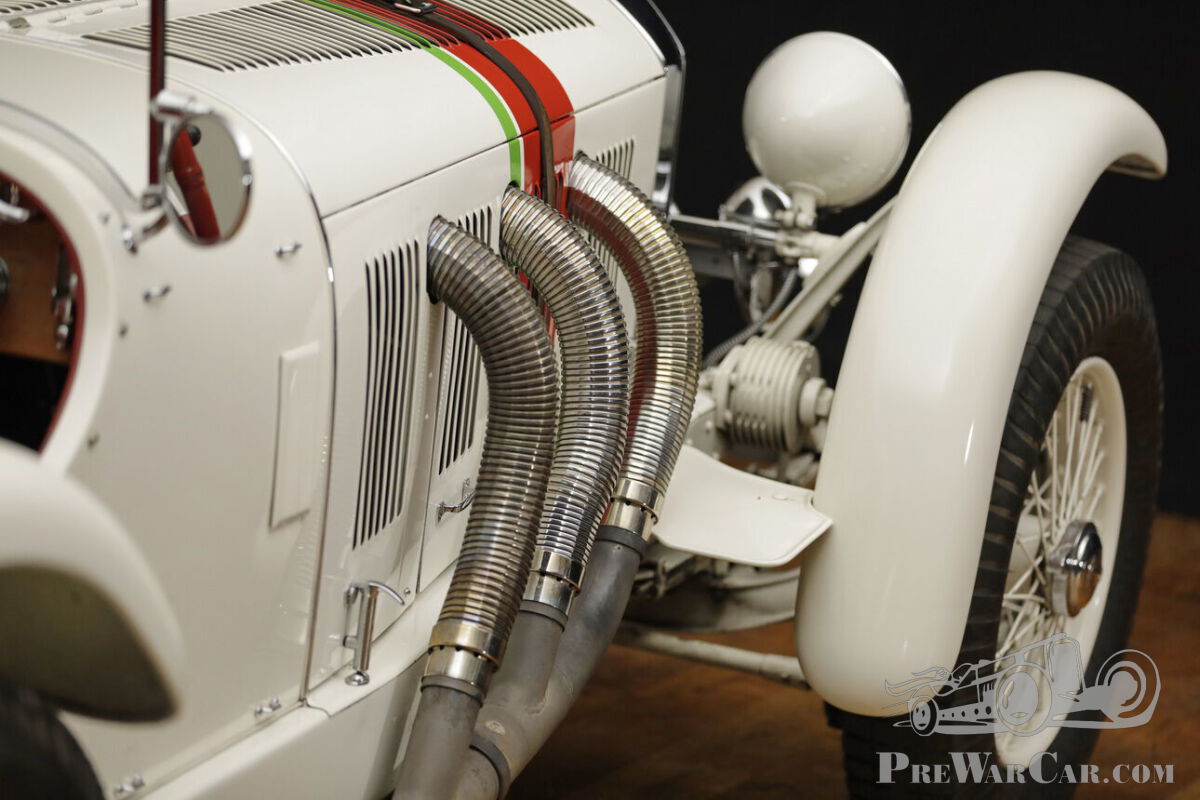
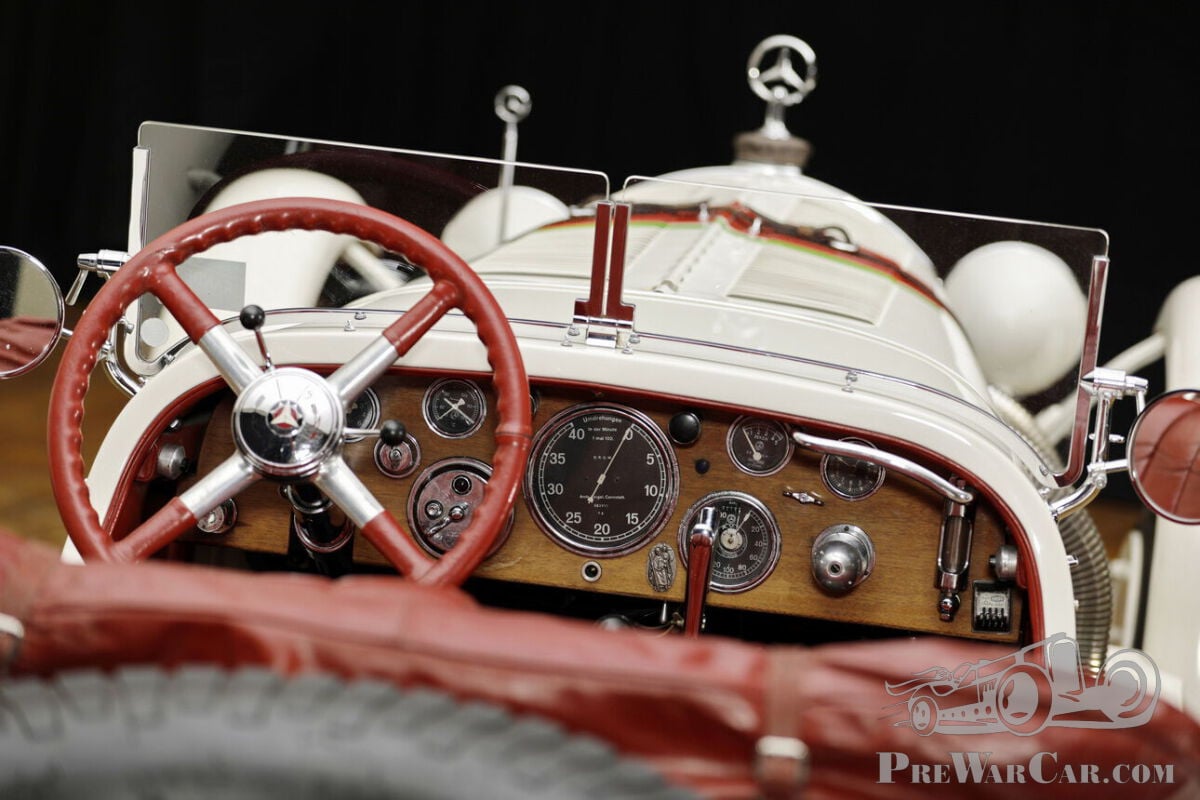
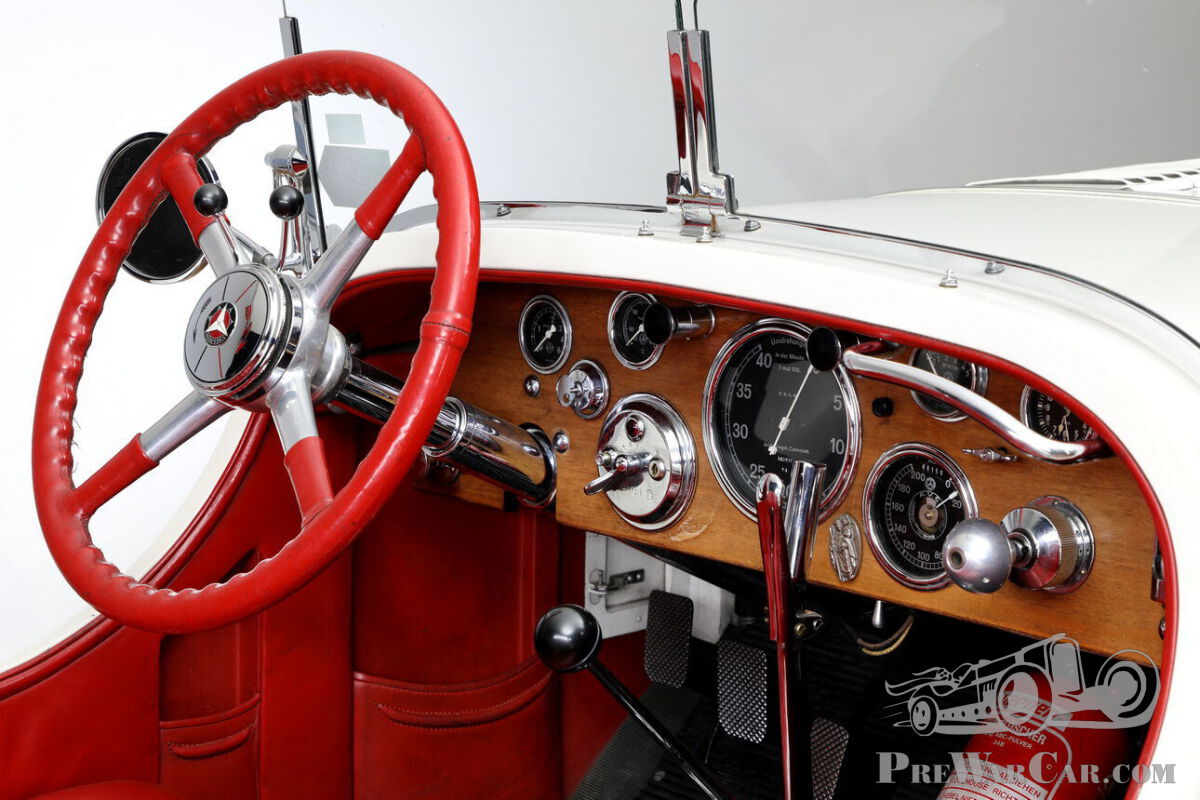
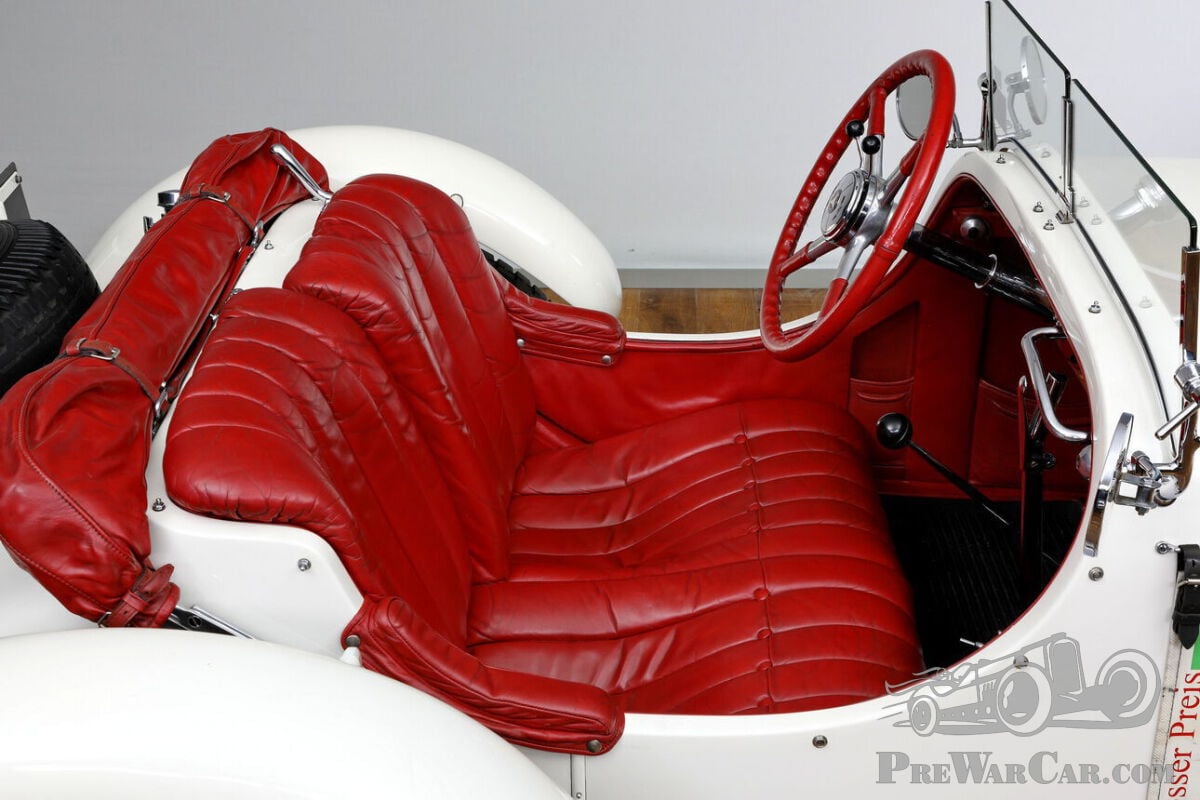
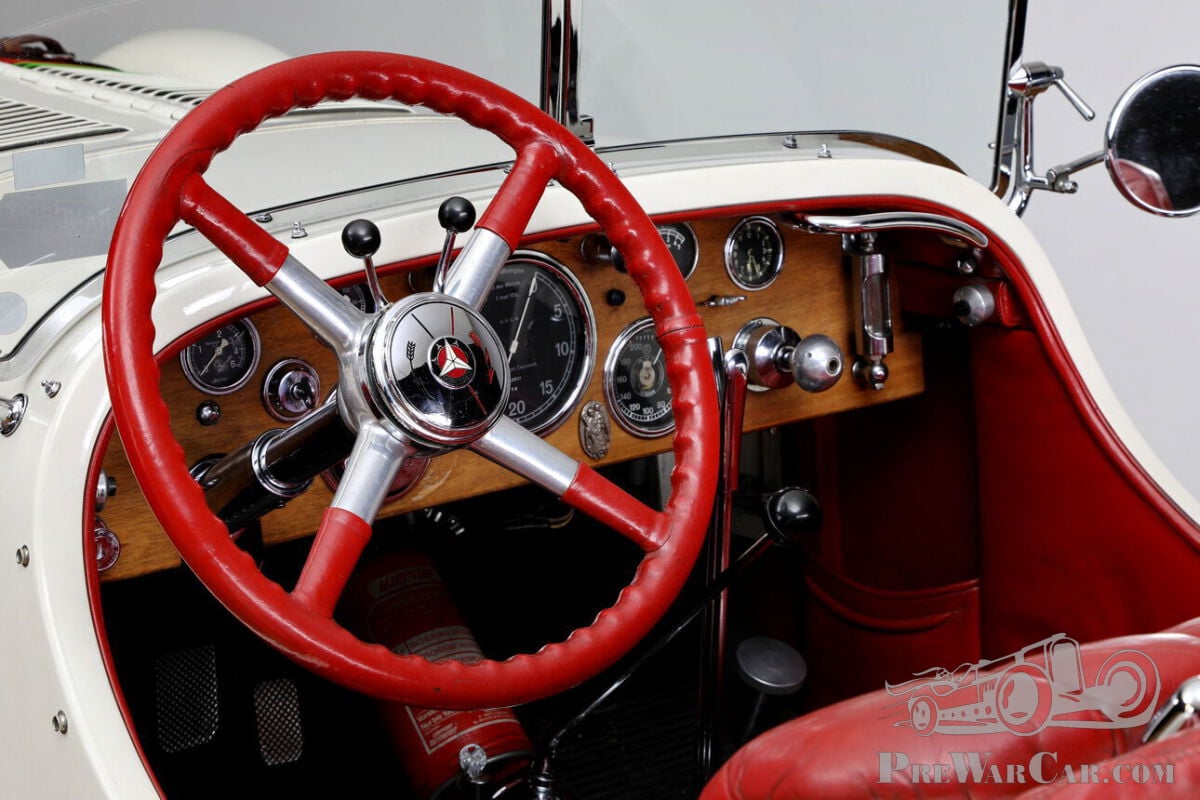
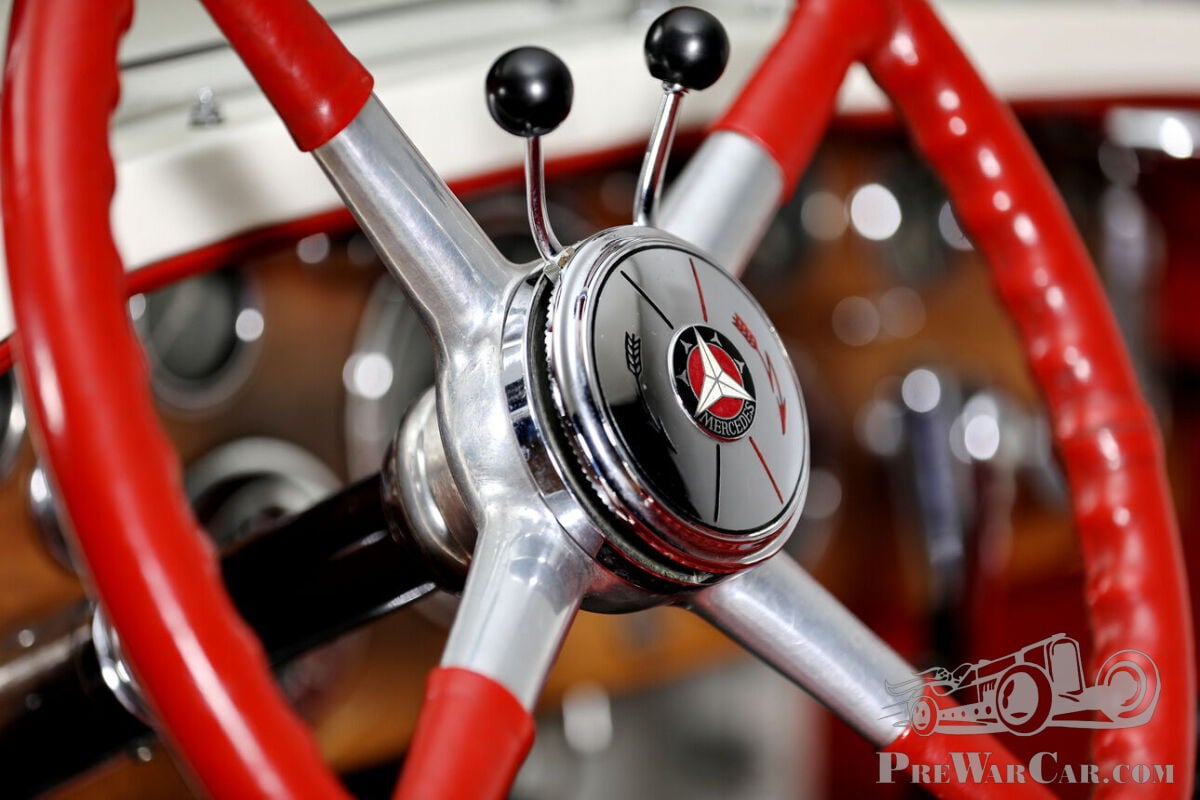


1928 Mercedes Benz SSK Rebuild
- A faithful, high-quality rebuild of an SSK, carried out in 2003 by a renowned specialist in Germany
- Subsequently owned and actively used by a single owner for 20 years
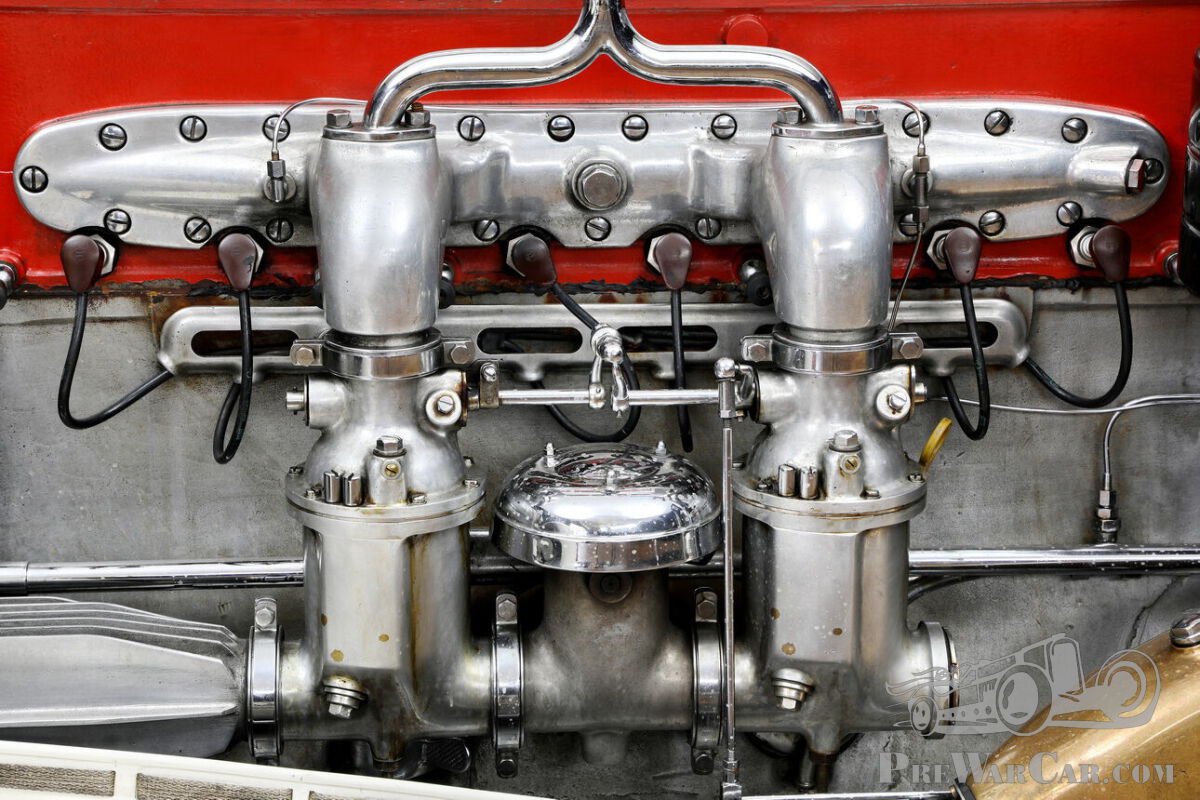
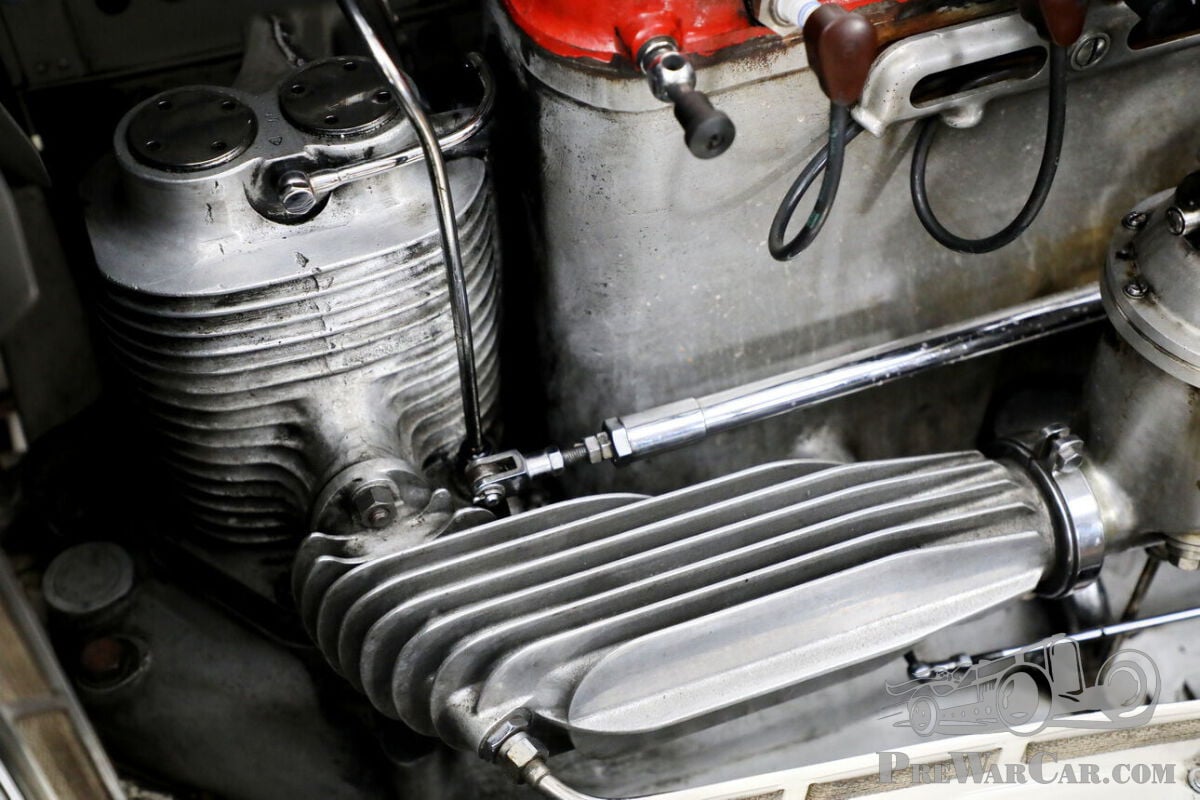
- Original 1929 supercharged engine with impressive performance
- Comprehensive documentation available
- Eligible to participate in numerous historic motorsport events
- Only 33 original ‘SSK’s were built; very few cars remain today
- A rare opportunity to acquire a top-class and road-ready SSK – highly prestigious but significantly more affordable than an original
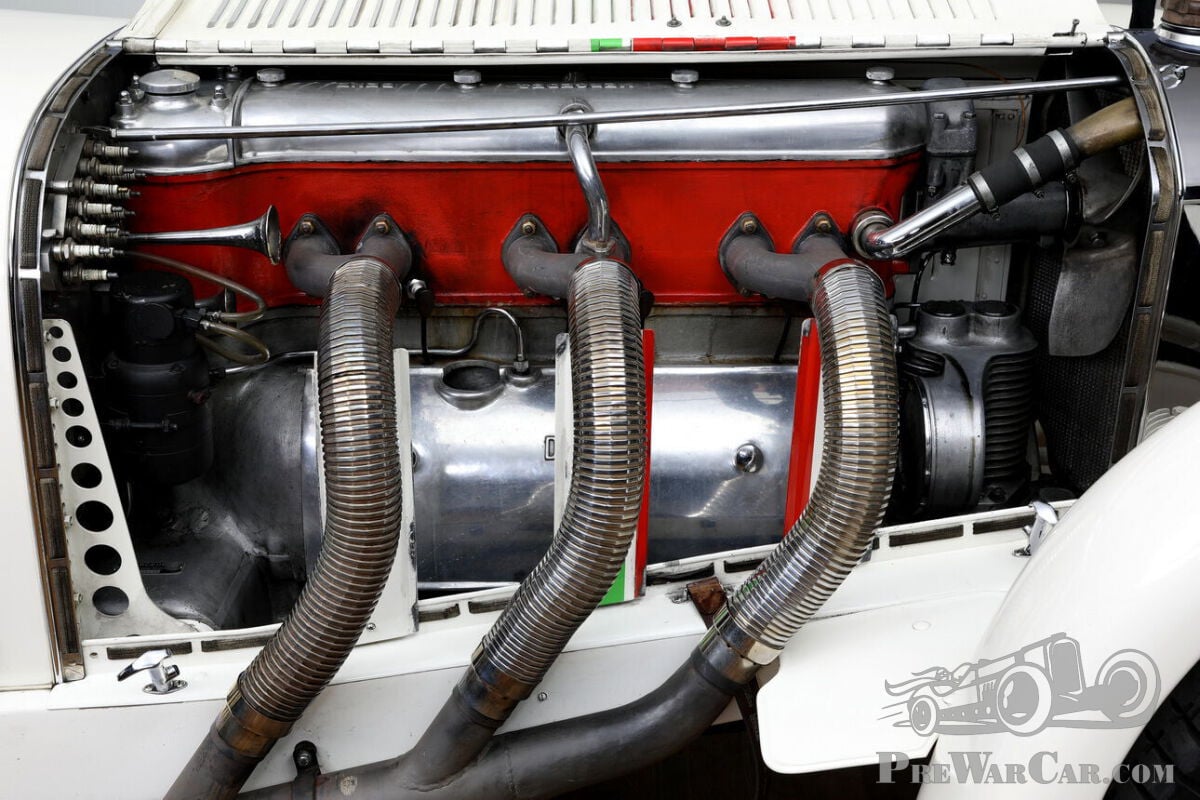
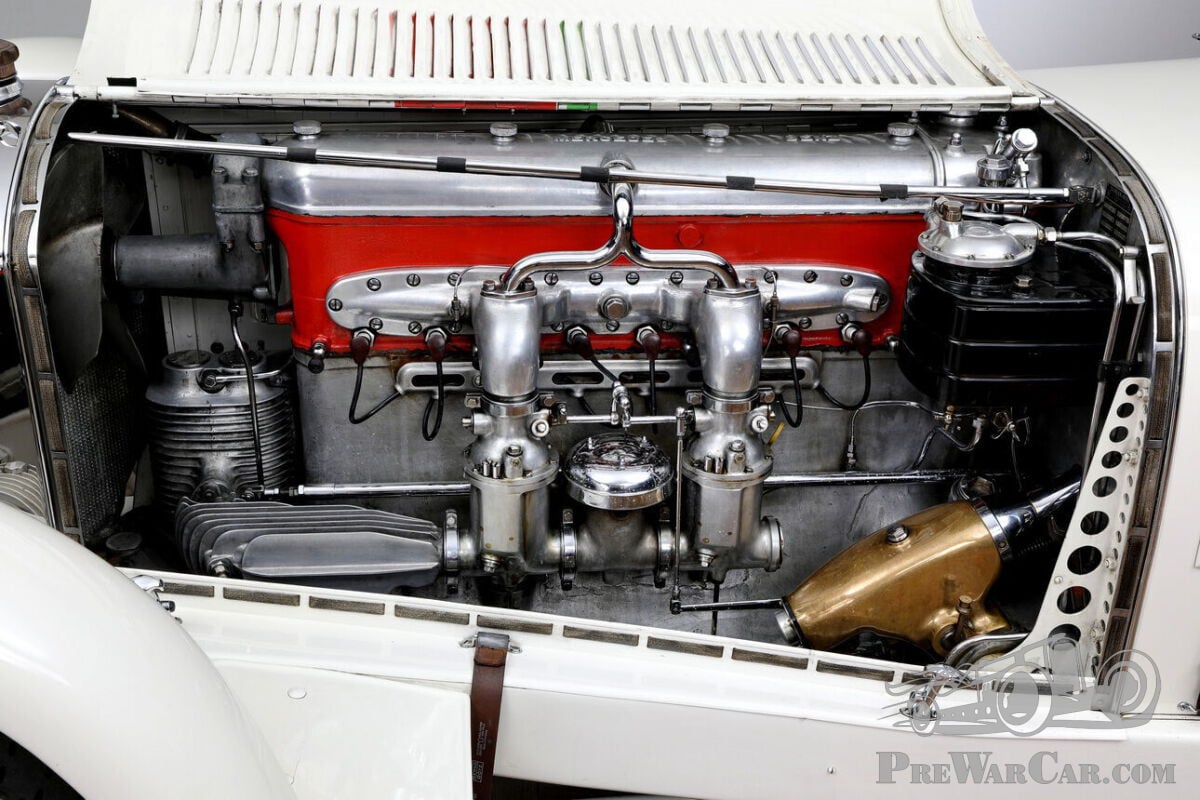
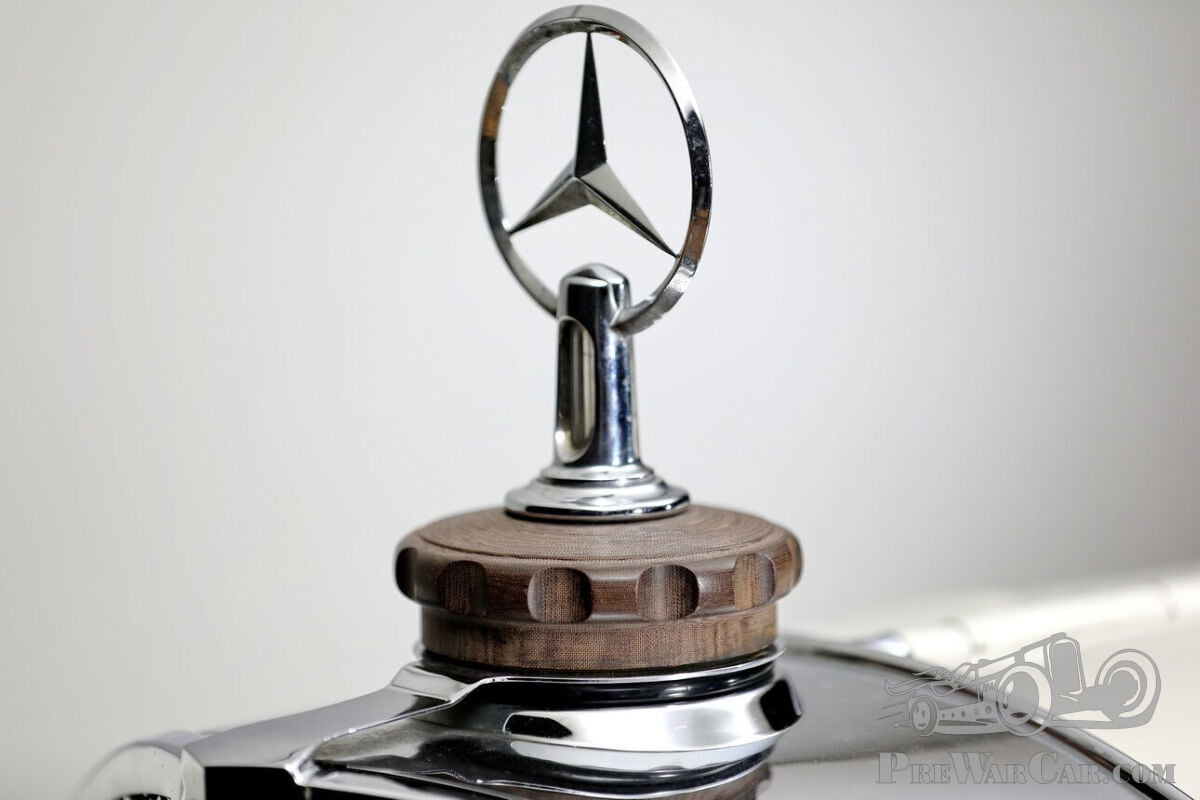
The legendary Mercedes-Benz SSK (Super Sport Kurz) was and remains one of the most prestigious models ever built by the brand. The six-cylinder inline engine with a displacement of 7,065 cm³ – designed by Ferdinand Porsche – delivered between 140 and 180 hp depending on the version, and with the Roots supercharger activated, an outstanding 200 to 250 hp. Speeds of around 200 km/h were only possible for a few (racing) sports cars at the time. Thus, the SSK (and SSKL), piloted by drivers such as Rudolf Caracciola and Manfred von Brauchitsch, secured international victories such as at the 1931 Mille Miglia and in numerous hill climbs.
This example is a high-quality, faithful ‘reconstruction’ of a SSK, carried out in 2003 by a renowned specialist in Germany using a range of original parts. As early as 1994, the restoration specialist had acquired the car in the USA in a severely damaged condition, where it had been part of a collection since 1978. The front and centre transverse members of the chassis are original. Thanks to the chassis number stamped on the centre transverse member, this car has received (or retained) its identity. The early history of this chassis number is also documented in detail.
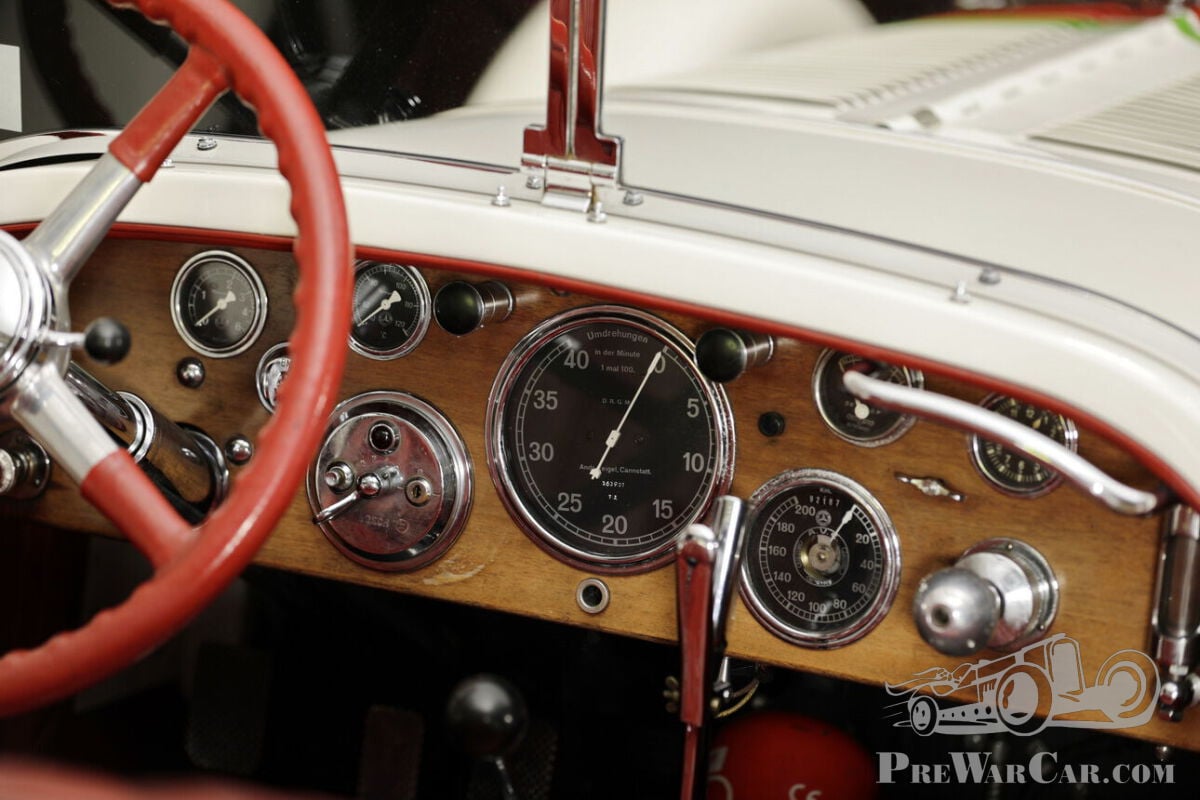
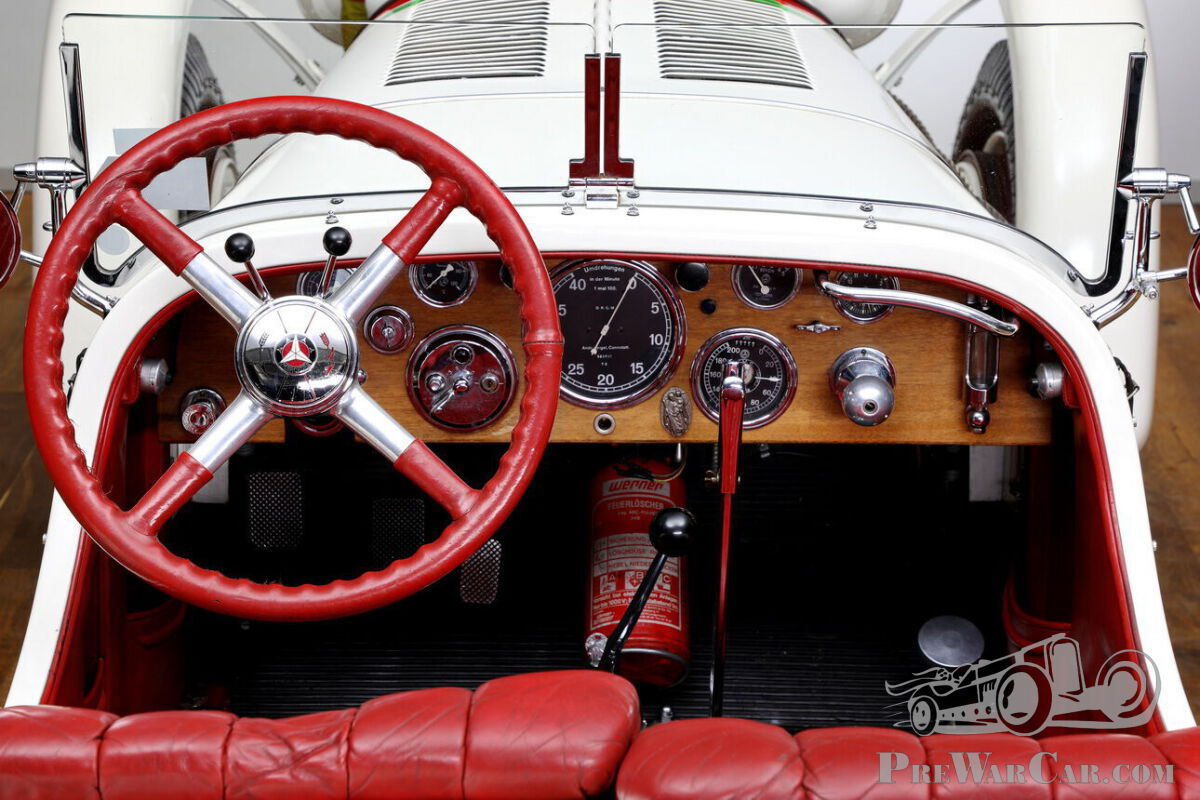
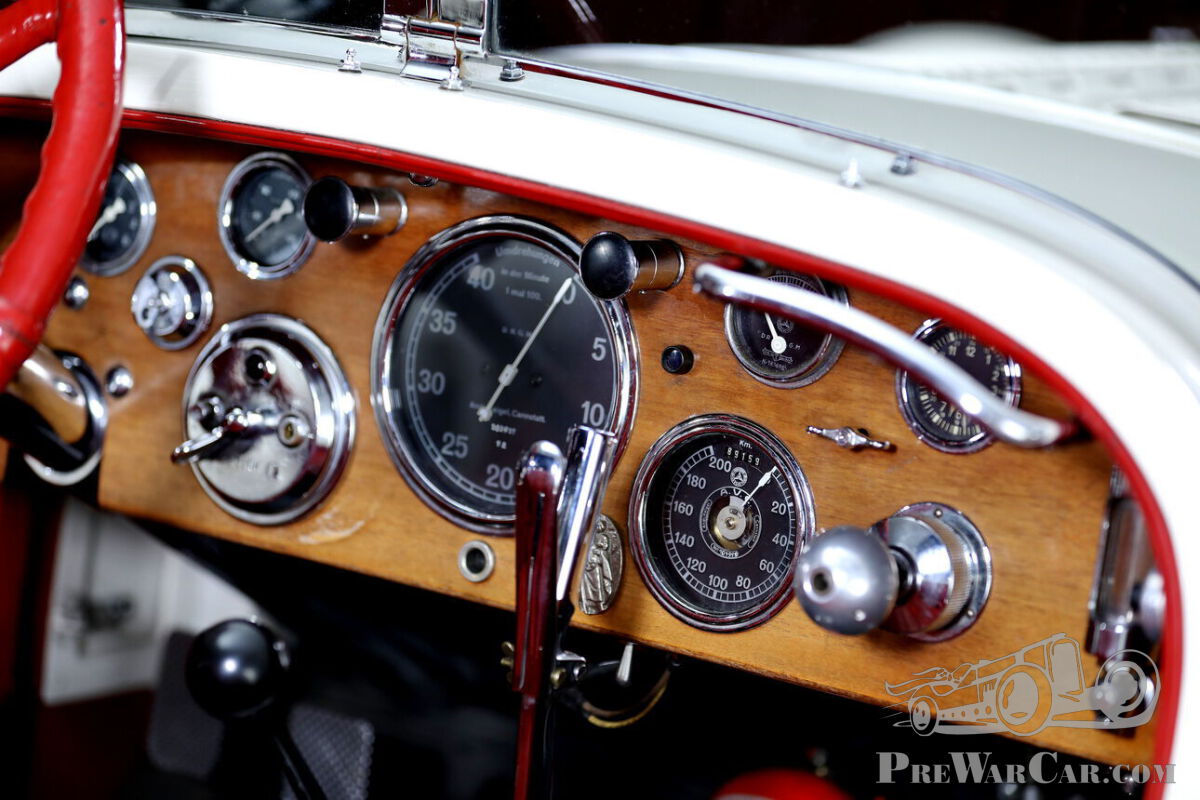
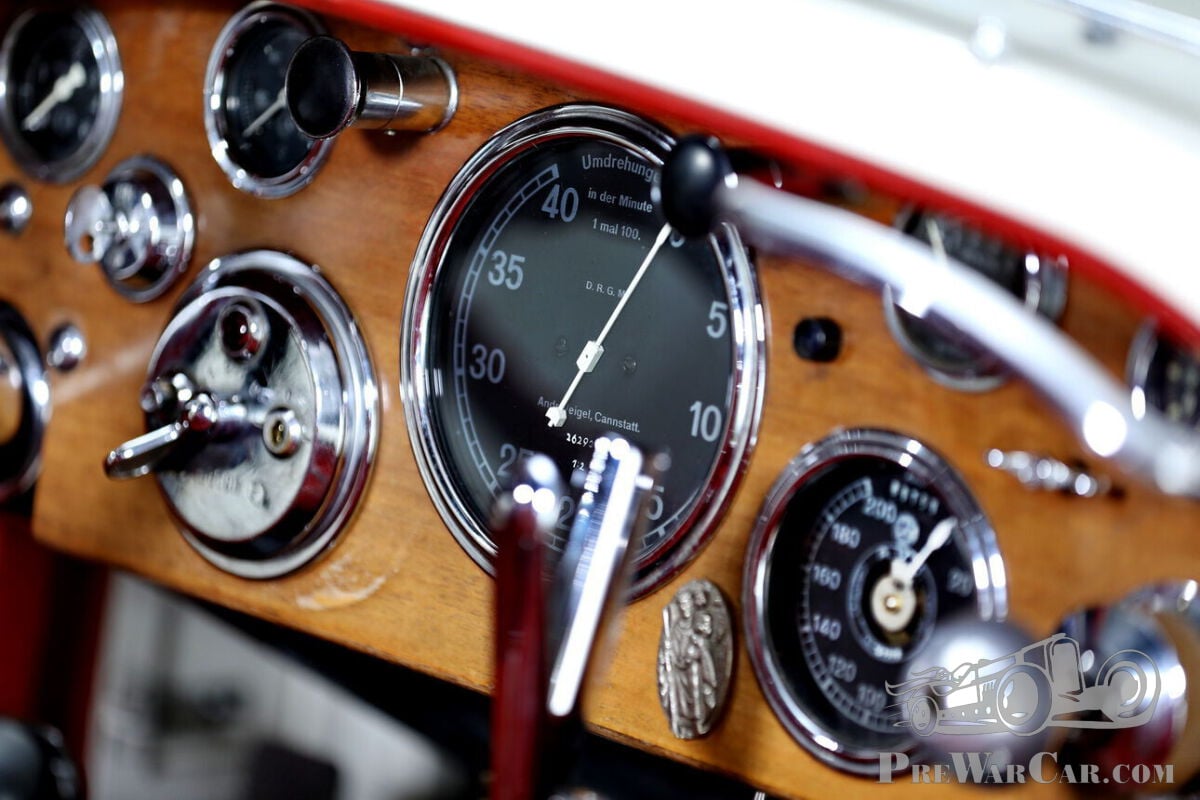
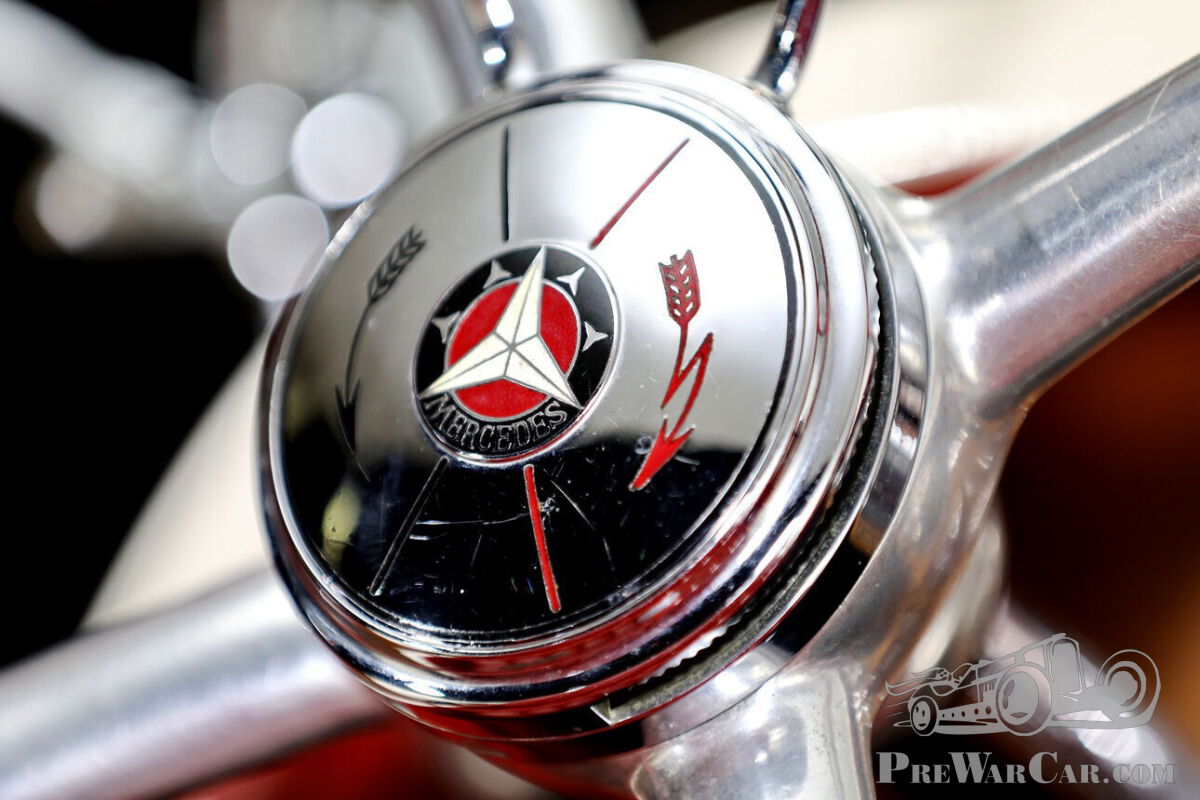
During the 2003 rebuild, numerous components of the existing chassis (including chassis cross-members, spring hangers, engine mounts, radiator brackets, cardan shaft, tie rods and front axle) were extensively refurbished and reused, whilst other parts, such as the chassis side members, were newly constructed. All add-on components of the chassis, such as the brakes, rear axle, wheels and steering, were newly manufactured to the relevant specifications and fitted. The body and the existing engine were no longer usable. The bodywork was designed and constructed to typical SSK specifications on a new wooden frame, with all details faithful to the original. The same applies to the interior and the dashboard.
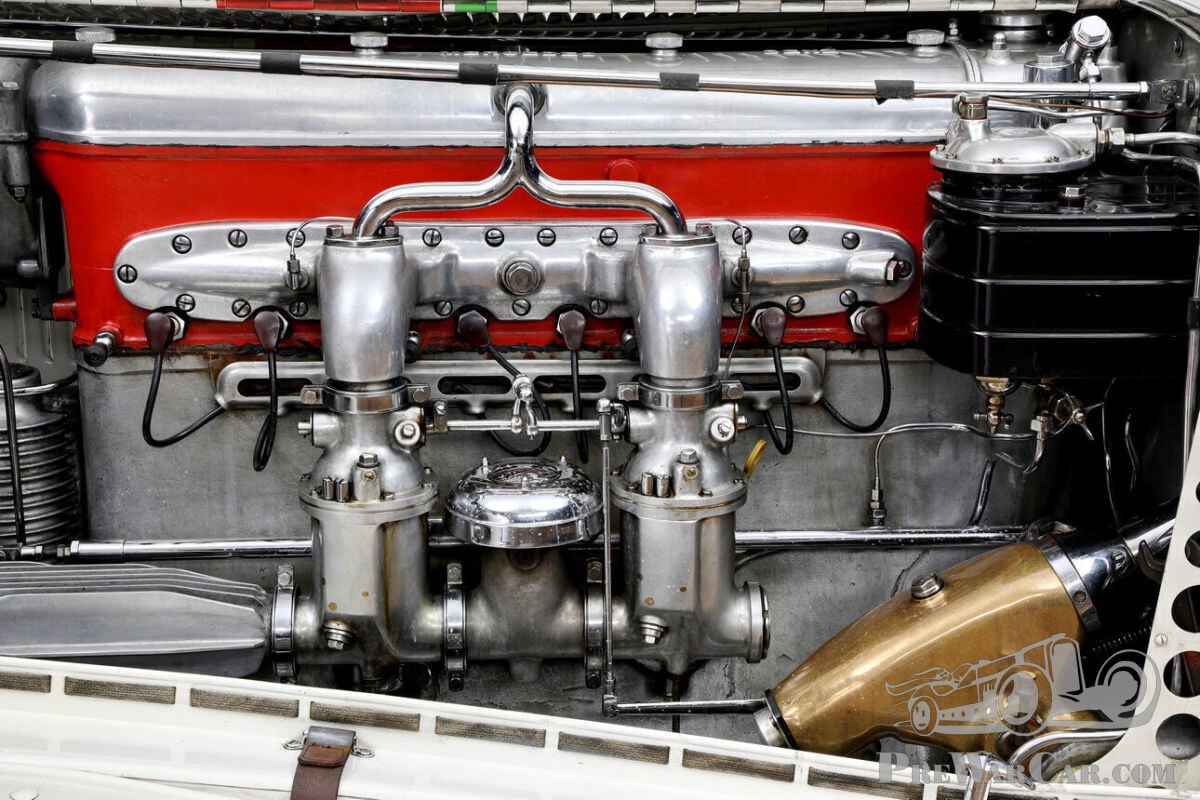
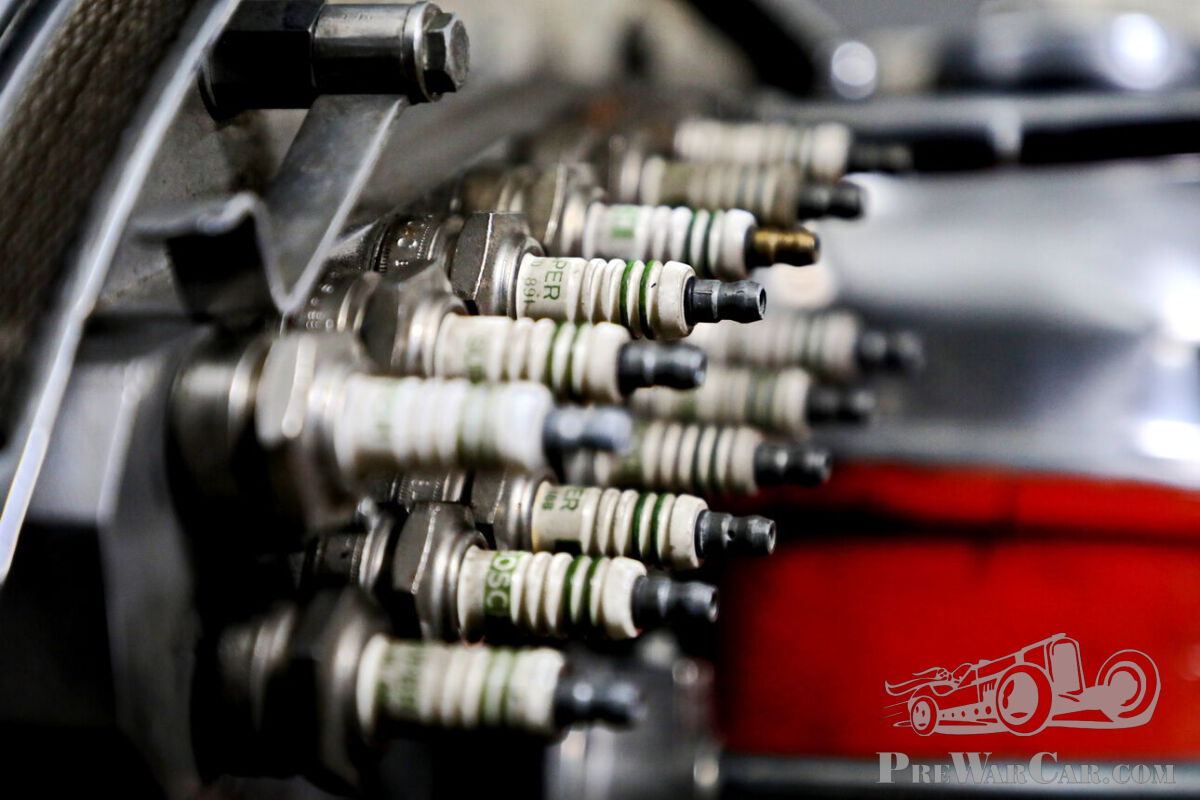
According to Mercedes-Benz, the engine block is an original, late-production unit from a 1929 Mercedes 630 K model. As with the later S/SS/SSK models, this engine block already had the mounting flange for a twin-carburettor system cast directly onto the engine. Thanks to its ‘wet’ cylinder liners, it was ideally suited for boring out from 6.3 litres to 7.1 litres (as in the SSK). This modification results in impressive performance and power delivery. The cylinder head is a faithful reconstruction. All the restoration work has been documented in a photo record.
Once completed, the SSK was used extensively by its owner for almost 20 years, taking part in numerous driving events and being showcased at concours events. A FIVA passport and a ‘Historical Technical Passport’ by the DMSB were issued for this purpose. Participations include, amongst others, the Mercedes-Benz Classic Days 2003 in Salzburg, the Eifel-Klassik (Oldtimer Grand Prix Nürburgring) 2003, the Mille Miglia 2004, the Taubensuhlrennen 2004, Heidelberg Historic 2004, Ländle Classic 2004, the Mercedes-Benz Classic Days at Brooklands in 2008. These activities are comprehensively documented with photos, participant lists and articles. Following the owner’s death, the SSK was sold in early 2023 via EBERHARD THIESEN to a collector and Mercedes enthusiast in Berlin, who also took part in various driving events with this striking racing car.
Therefore, this is a rare opportunity to acquire a high-quality, true-to-original recreation of one of the rarest and most iconic historic racing cars in automobile history. The car impresses with its extreme performance and power delivery and, despite its sleek racing bodywork, is an imposing appearance. This example has been driven actively ever since it was rebuilt and today it is still perfectly suited to and ready for exactly that purpose. An experienced driver can look forward to a unique driving experience that takes him back to the great and adventurous racing of the late 1920s and early 1930s.
Plus d’annonces de ce revendeur professionnel
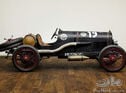 1922 | Hudson Super Six Special Race Car
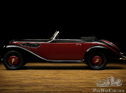 1938 BMW 327/28 Cabriolet - top restored condition
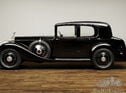 1929 Rolls Royce Phantom II Saloon by Mulliner
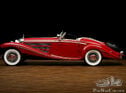 1934 Mercedes Benz 500 K Spezial Roadster - Rebuild
Annonces similaires Mercedes (-Benz) SSK 1928 a vendre
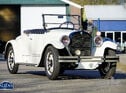 1926 Dodge Roadster
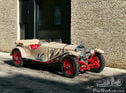 1927 Mercedes Benz 680 S, Supercharched Sports Tourer
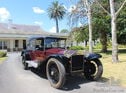 Lancia Lambda Torpedo 1925
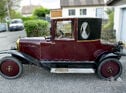 Citroën B2, 10hp, 1923 Coupé docteur
Utilisateur:
Depuis:
22-09-2026
Location:
Hamburg, Allemagne
Partager:
Facebook
LinkedIn
Twitter
WhatsApp
Email
Copy
Détails Mercedes (-Benz) SSK 1928 a vendre




- AGA
- Adler
- Audi
- BMW
- Benz
- Borgward
- Brennabor
- Cyklon
- DKW
- Daimler
- Dixi
- Dürkopp
- Fafnir
- Hanomag
- Hansa
- Horch
- Lanz
- Luc Court
- Mathis
- Maurer-Union
- Maybach
- Mercedes (-Benz)
- Monos
- N.A.G.
- NSU
- Omega
- Opel
- Phanomobil
- Presto
- Rauch & Lang
- Rex
- Rohr
- Stoewer
- Tempo
- Victoria
- Volkswagen
- Wanderer
- Wilcox
Autre(s) Allemande Voitures à vendre
Publicitaire Eberhard Thiesen GmbH & Co. KG
- Nom: Eberhard Thiesen GmbH & Co. KG
-
Adresse:
Tarpen 40
D-22419 Hamburg
Contacter Utilisateur